Fermentation & Culturing Temperatures
Kimchi Optimal Fermentation & Aging Temperature
Also: kimchi fermentation temperature, kimchi storage temperature, onggi temperature, kimchi jjigae fermentation stage
Kimchi ferments at 18–22°C for 1–2 days to ignite lactic activity, then ages at 0–4°C for weeks or months — the two-stage temperature arc transforms a fresh vegetable salad into a living, layered ferment.
Kimchi optimal fermentation temperature describes the deliberate two-stage temperature management that moves freshly made kimchi from a salted, seasoned vegetable mixture through active lactic acid fermentation to long, slow cold aging. Stage one — 18–22°C (64–72°F) for 1–2 days at room temperature — initiates rapid growth of heterofermentative Leuconostoc mesenteroides, producing CO2 and lactic acid that lower pH and establish the ferment's aromatic foundation. Stage two — 0–4°C (32–39°F) — transitions to slower homofermentative Lactobacillus species that continue to develop flavor complexity over weeks to months without over-acidifying. Traditional Korean kimchi storage in earthenware onggi crocks buried in the ground mimics this gradual cooling arc.
In photos
What happens
At 18–22°C, Leuconostoc mesenteroides dominates the first 24–48 hours. It ferments sugars heterofermentatively, producing lactic acid, acetic acid, CO2, and mannitol. The CO2 creates an anaerobic microenvironment that inhibits aerobic spoilage organisms, while lactic acid drops pH from ~5.5 to around 4.0–4.5. This rapid acidification acts as a biological kill step for pathogens and establishes the flavor baseline. Once transferred to 0–4°C, slower-growing homofermentative Lactobacillus plantarum and Lactobacillus sakei take over, converting remaining sugars to lactic acid with minimal CO2. Over weeks to months the pH gradually falls toward 3.5–3.8, textures soften, and secondary aromatic compounds — from garlic, ginger, and gochugaru — continue to infuse and mellow.
What to look for
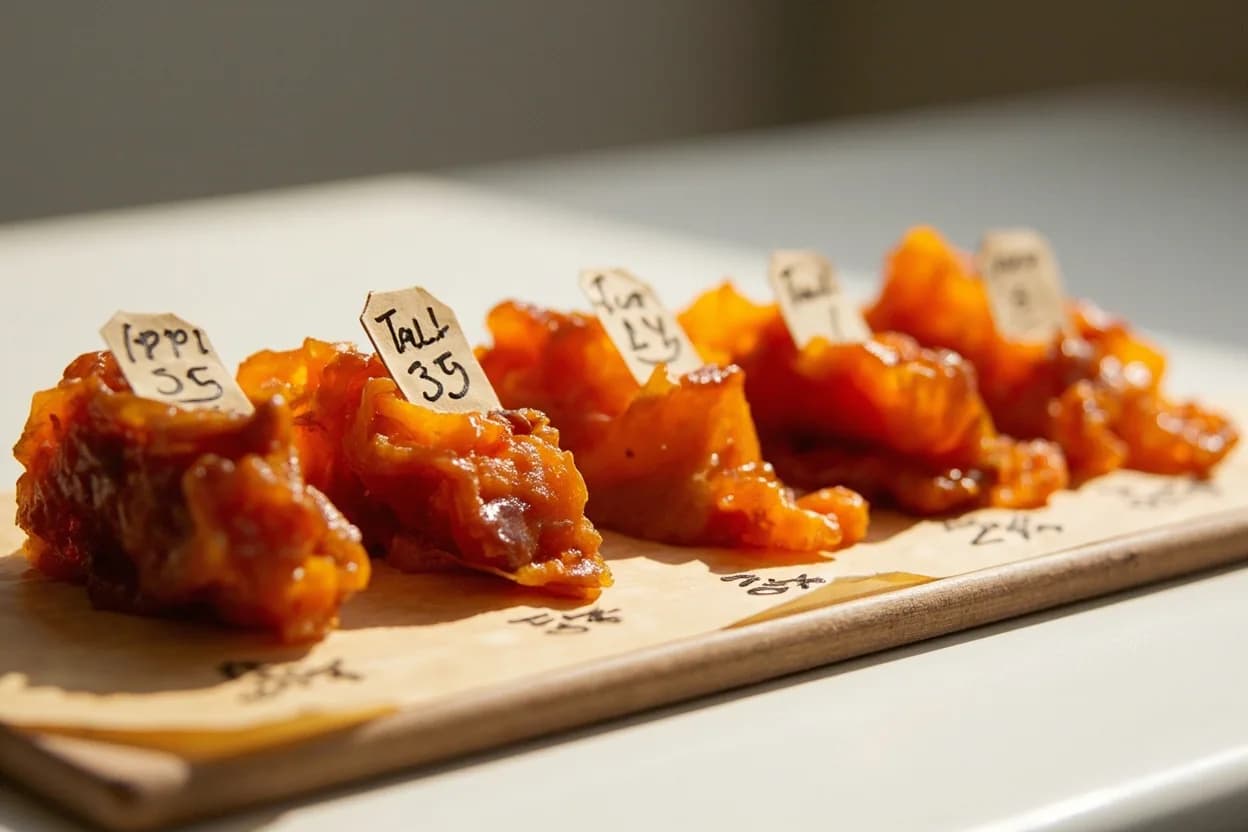
- Room-temperature stage (day 1–2): slight effervescence visible when pressing the vegetables, sharp clean sourness beginning to emerge, brine turns from clear to lightly opaque
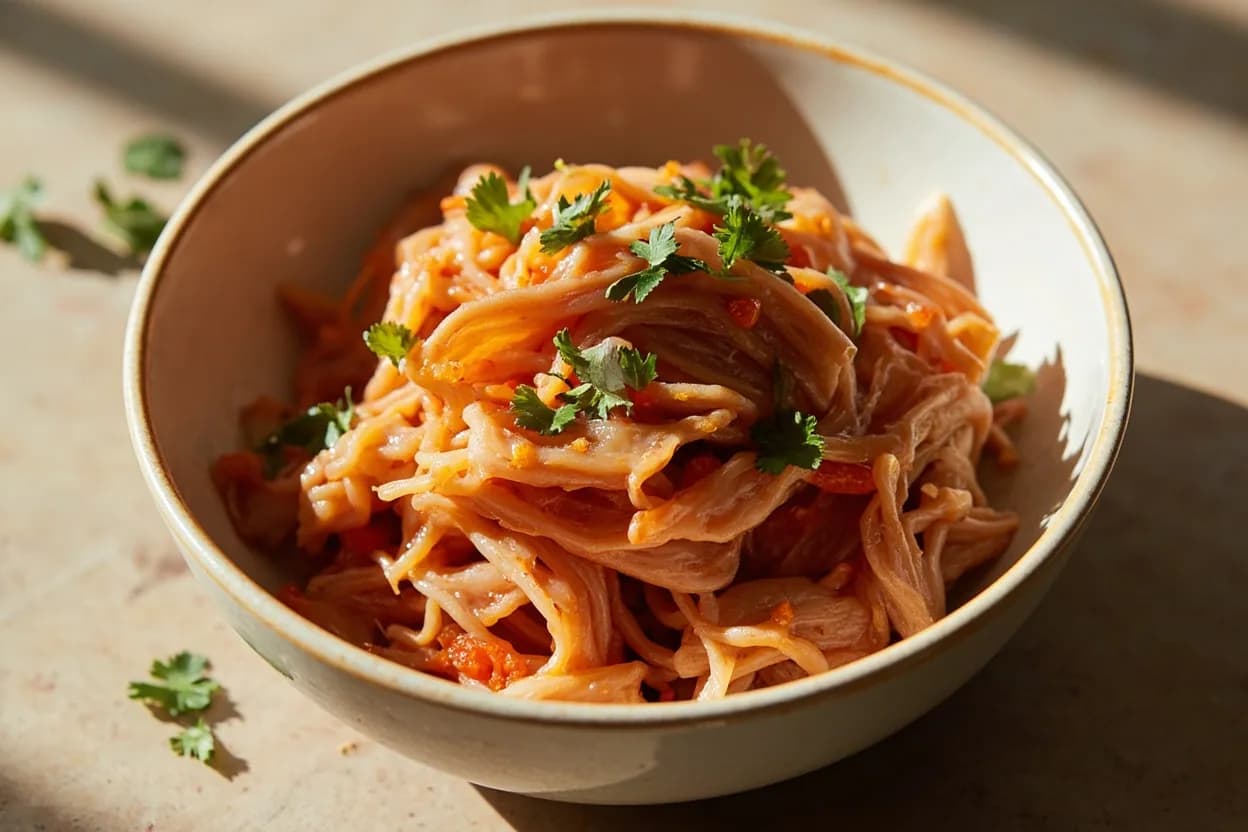
- Freshly refrigerated (week 1–3): crisp texture, bright spicy-sour flavor, garlic and ginger prominent
- Mid-aged (1–3 months): mellower sourness, deeper umami from fermented seafood components (jeotgal), softer cabbage texture
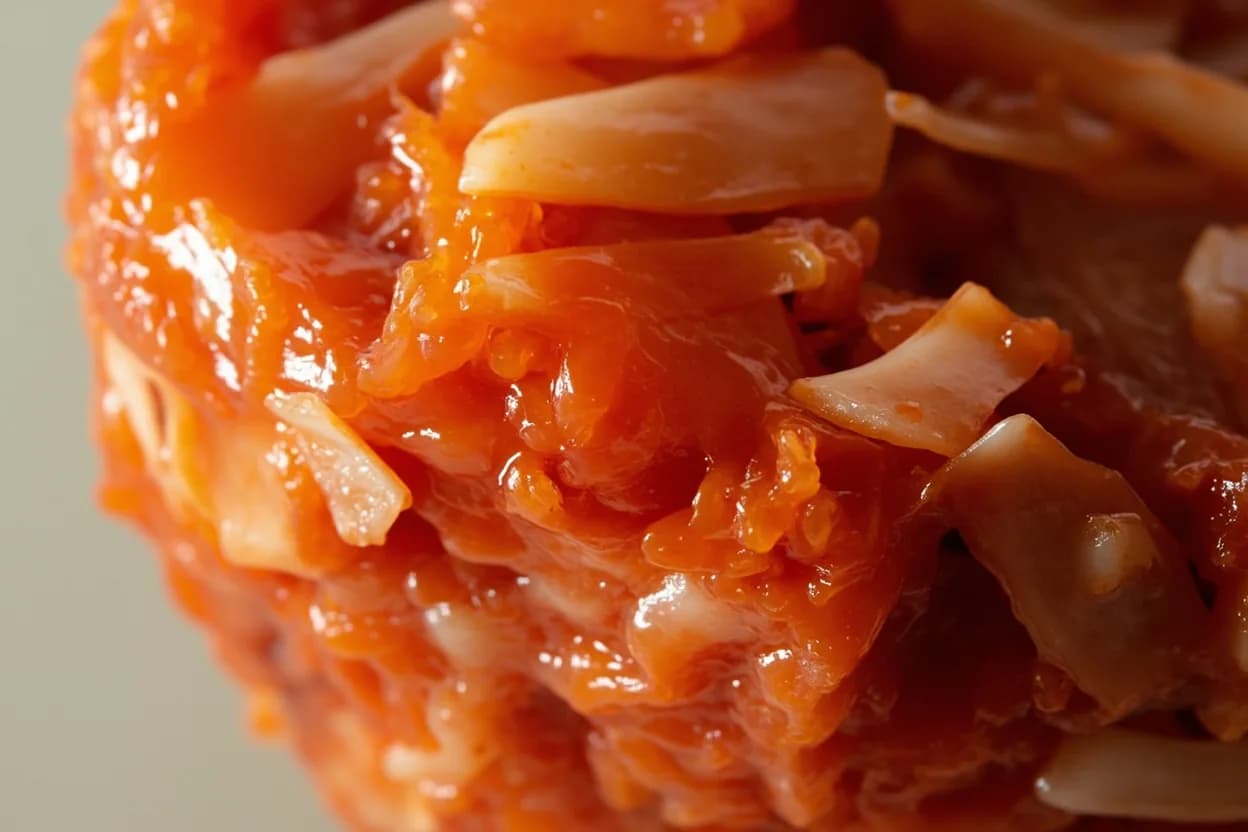
- Over-aged (6+ months, mugeunjji): intensely sour, soft almost translucent leaves, complex fermented aroma — prized for kimchi jjigae and kimchi-jeon
- Spoilage indicator: pink or black surface mold, slimy texture, rotten-egg or fecal odor (distinct from normal sour ferment aroma)
How to check
- Taste daily during room-temperature stage; transfer to refrigerator when the kimchi is pleasantly sour (pH ~4.2–4.5) but still fresh-tasting
- Press down on the kimchi — active CO2 production will cause gentle bubbling at the surface
- Use a narrow pH strip or meter on the brine; 4.0–4.5 is the target at end of room-temperature stage
- Cold aging timeline is flexible — taste every 2–4 weeks and use when flavor matches the intended application
Food safety
The science behind it
- Leuconostoc mesenteroides
The dominant organism at 18–22°C; initiates kimchi fermentation with heterofermentative activity
- Lactobacillus plantarum
Takes over cold aging below 4°C; responsible for deep-sour long-aged kimchi flavor
- Brine salinity in fermentation
2–3% salt suppresses putrefactive bacteria and controls which lactic species dominate
- Onggi
Traditional Korean earthenware vessels with porous walls that moderate temperature and allow gas exchange
- Kimchi refrigerator (kimchi-naengjang-go)
Dedicated appliance maintaining 0–1°C with stable humidity; designed to mimic traditional buried-onggi cold aging
Appears in
References
- 1.The Art of Fermentation — Sandor Ellix Katz
- 2.Korean Traditional Food — Hwang Hye-sung
- 3.Microbiology of Fermented Foods — Brian J.B. Wood (ed.)
- 4.Kimchi Science and Technology — Korea Food Research Institute
Confidence: high
Notes
The onggi buried-in-ground tradition
Before refrigeration, Koreans buried onggi crocks in the ground after initial room-temperature fermentation. The earth maintains a remarkably stable 0–4°C through winter, protecting kimchi from freezing while enabling slow bacterial activity. This practice (kimjang) was recognized by UNESCO as Intangible Cultural Heritage in 2013. Modern kimchi refrigerators replicate this thermal stability with precision.
Mugeunji: the prized over-ripe kimchi
Long-aged kimchi (6 months to 3 years) called mugeunji or mugeunjji is intentionally soured well past the 'fresh' eating stage. At pH approaching 3.5, the cabbage is nearly translucent, intensely acidic, and rich in complex fermentation byproducts. It is prized as an ingredient — not eaten raw — in kimchi jjigae and long-braised dishes where its assertive acidity and depth become an asset.