Bread & Dough Doneness
Sourdough Starter Peak Activity
Also: starter peak, levain peak, starter at peak, ripe starter, active starter
A sourdough starter at peak activity has doubled in volume, domes at the top, and is alive with bubbles — the precise moment when leavening power and flavor potential are both at their highest.
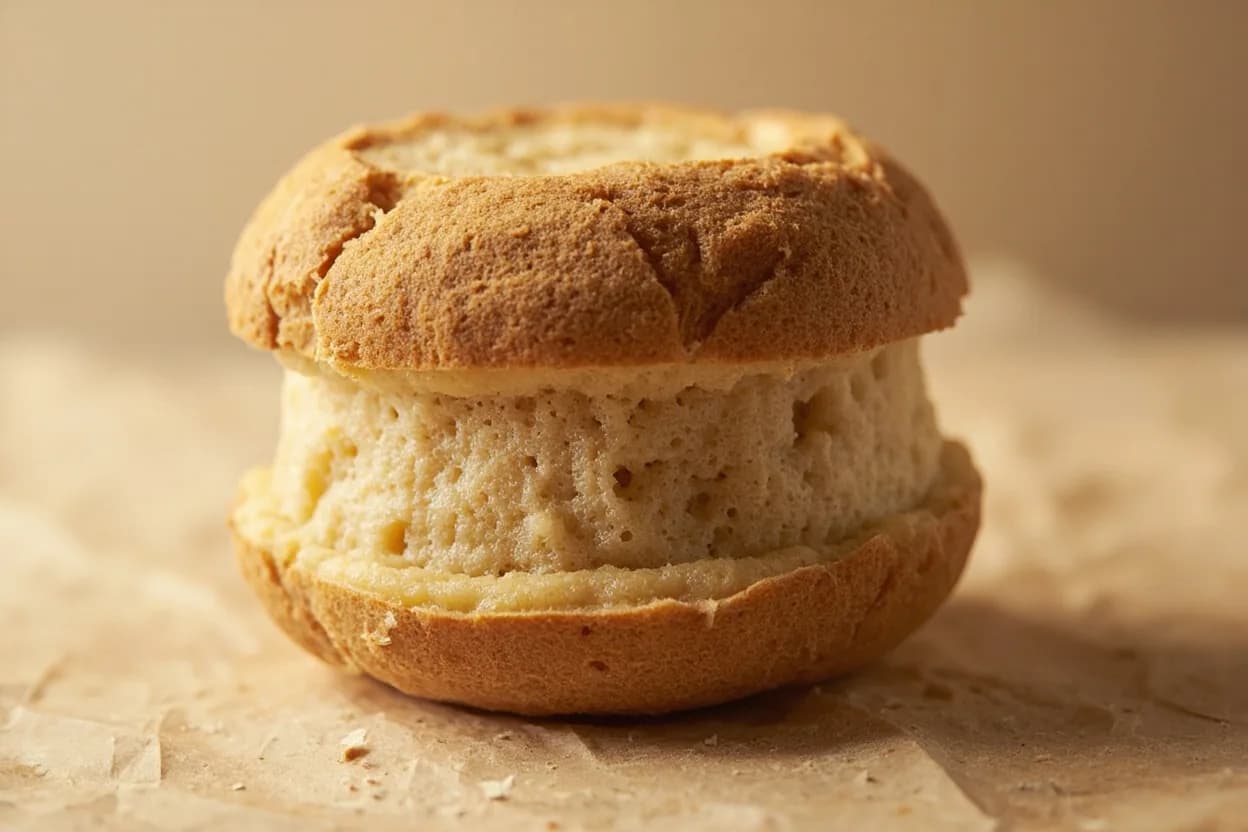
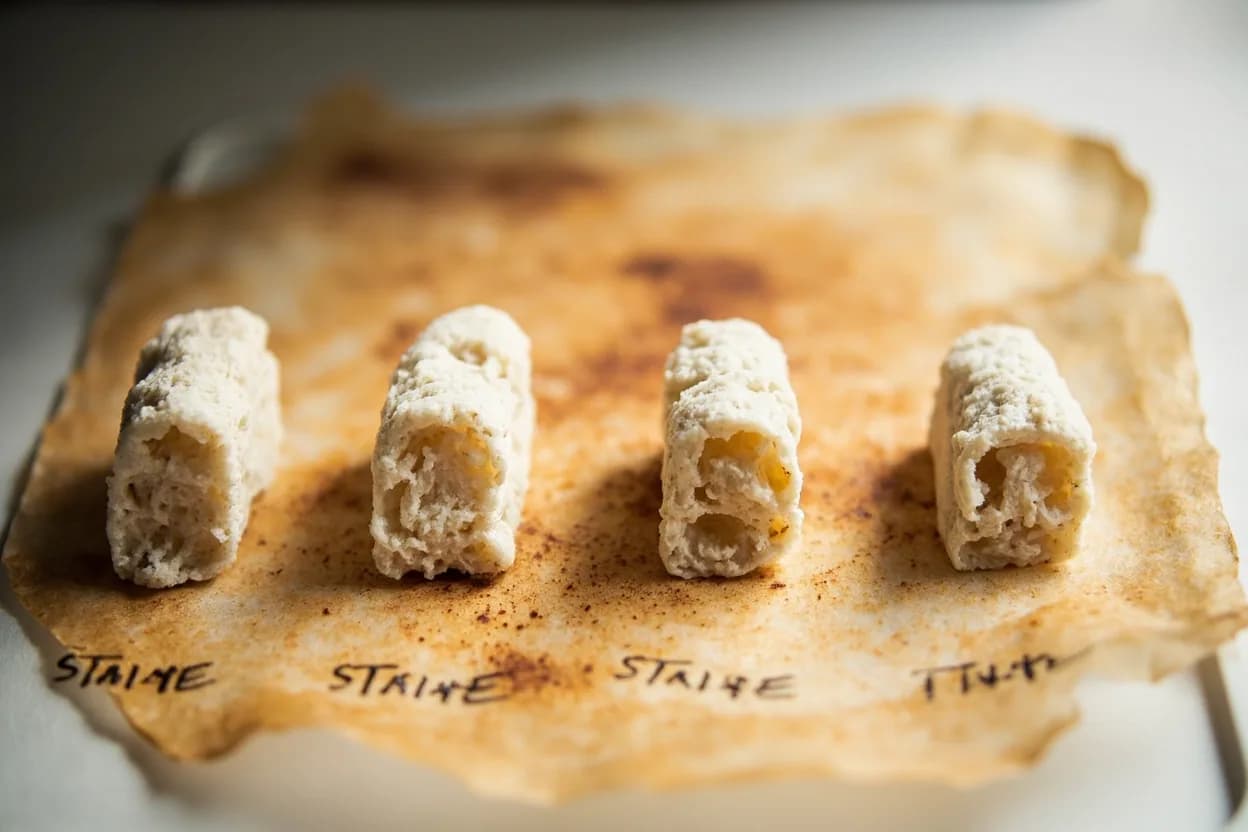
Peak activity refers to the moment in a sourdough starter's post-feeding cycle when the wild yeast and lactic acid bacteria populations have consumed enough fresh flour to reach maximum gas production without yet beginning to collapse from structural exhaustion. At peak, the starter has typically doubled or tripled in volume, exhibits a convex (domed) top, and shows vigorous surface and interior bubbling. Using a starter at peak delivers maximum lift and a balanced flavor profile — neither under-ripe (weak leavening, less sour) nor over-ripe (collapsed structure, overly acidic).
In photos

What happens
Peak activity refers to the moment in a sourdough starter's post-feeding cycle when the wild yeast and lactic acid bacteria populations have consumed enough fresh flour to reach maximum gas production without yet beginning to collapse from structural exhaustion. At peak, the starter has typically doubled or tripled in volume, exhibits a convex (domed) top, and shows vigorous surface and interior bubbling. Using a starter at peak delivers maximum lift and a balanced flavor profile — neither under-ripe (weak leavening, less sour) nor over-ripe (collapsed structure, overly acidic).
What to look for
- Volume has doubled or tripled from the post-feed baseline, with a convex, domed top
- Abundant bubbles visible through the sides of the jar — ranging from fine lace to large irregular pockets
- Aroma is pleasantly yeasty and mildly tangy, not sharply acidic or alcoholic
- When stirred, the starter is light, airy, and almost mousse-like in texture
- Surface shows a network of fine bubbles or a slight webbing, not a flat, deflated skin
- A horizontal rubber band or tape mark placed at the feed level makes volume-doubling easy to confirm visually
How to check
- Float test: drop a teaspoon of starter into a glass of room-temperature water — if it floats, the gas content is sufficient for leavening; if it sinks, it is not yet ripe or has already collapsed
- Visual volume check: mark the container at the feed level with a rubber band or tape, then monitor for doubling; peak is usually at 1.5–3× the starting volume
- Poke test on the surface: a starter at peak will spring back lightly; a deflating starter will feel slack
- Timing chart: for a 1:1:1 (starter:flour:water) feed at 24°C (75°F), peak typically arrives in 4–8 hours; at 21°C (70°F) it may take 10–12 hours
- Smell: a ripe starter smells sweet-sour and yeasty; a past-peak starter smells sharply of acetic acid or alcohol
The science behind it
A pre-ferment built from the mother starter, used in place of the starter itself; levain peak is judged by the same criteria
- Wild yeast fermentation
Saccharomyces cerevisiae and Kazachstania humilis are the primary yeasts in most sourdough starters, producing CO₂ for leavening
- Lactic acid bacteria
Lactobacillus species cohabiting with yeast produce lactic and acetic acids that flavor sourdough and inhibit spoilage organisms
The first rise of the mixed dough; starter added at peak drives the bulk fermentation clock
- Hydration ratio
Higher-hydration starters (100%+ water) peak faster and collapse faster than stiff starters (60–65% water)
- Feed ratio
The ratio of starter:fresh flour:water at each feeding; higher ratios (1:5:5) produce a longer, more gradual peak — useful for retarded overnight timing
Appears in
References
- 1.Tartine Bread — Chad Robertson (Chronicle Books, 2010)
- 2.The Perfect Loaf — Maurizio Leo (Clarkson Potter, 2022)
- 3.Modernist Bread — Myhrvold & Migoya (The Cooking Lab, 2017)
- 4.The Sourdough School — Vanessa Kimbell (Kyle Books, 2018)
Confidence: high
Notes
Temperature governs timing, not the clock
The single biggest variable controlling when a starter peaks is ambient temperature. At 21°C (70°F), a 1:1:1 starter might peak in 10–12 hours; at 27°C (80°F), it can peak in 4–5 hours. Bakers who schedule morning bakes often feed at a higher ratio (1:5:5) late at night so the starter peaks 10–12 hours later — without needing to refrigerate or adjust room temperature.
Float test caveats
The float test is useful but not infallible. A very stiff starter may not float even when ripe. A high-hydration starter that has slightly over-peaked may still float. The float test is best used as a quick sanity check alongside visual volume doubling and aroma.