Fermentation & Culturing Temperatures
Vinegar Acetification Temperature
Also: Acetobacter fermentation temperature, vinegar mother temperature, acetic acid fermentation temperature
24–29°C is the operating window for Acetobacter — the aerobic bacteria that convert ethanol to acetic acid — balancing growth rate, acidity yield, and finished vinegar quality.
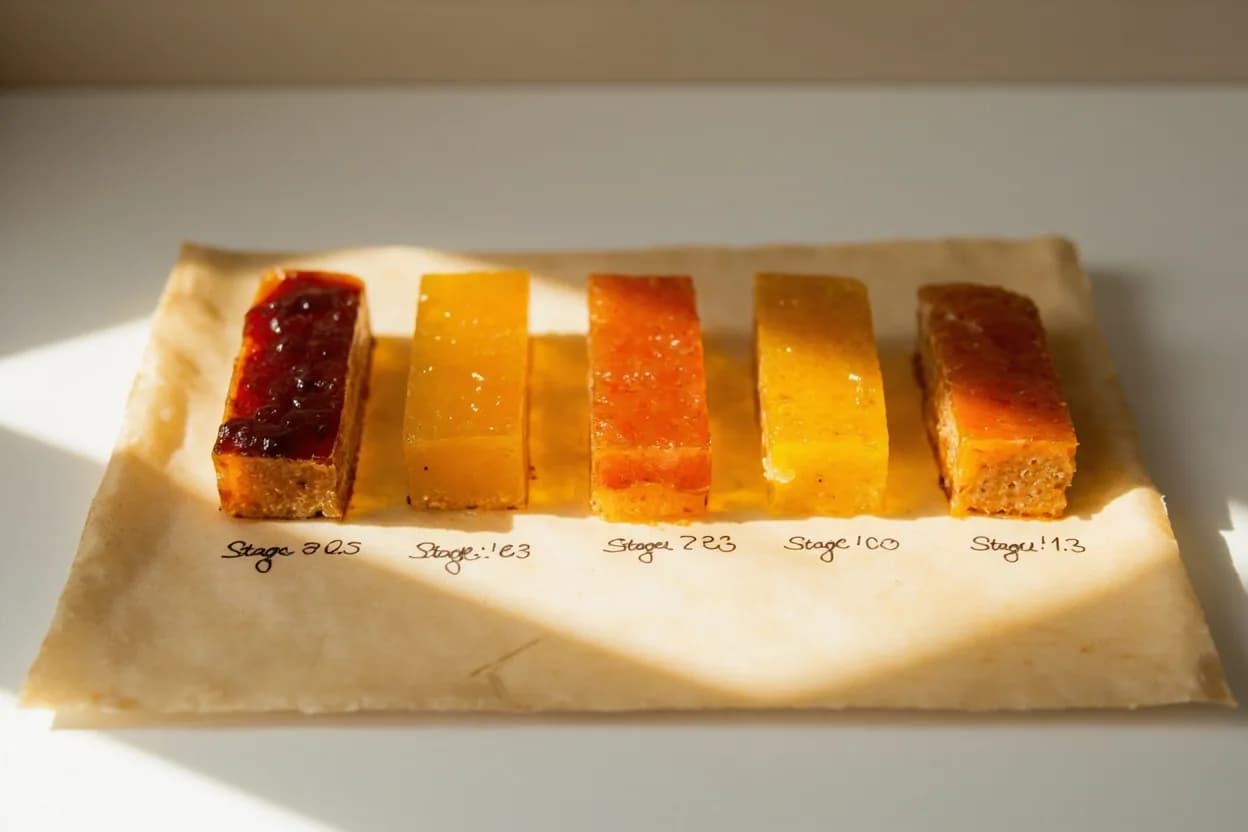
Vinegar acetification temperature describes the ambient heat maintained during the second fermentation stage of vinegar production, when Acetobacter and related acetic acid bacteria (AAB) oxidize ethanol from a wine, cider, beer, or other alcoholic liquid into acetic acid. The optimal range for most Acetobacter strains is 24–29°C (75–84°F). Below 20°C bacterial activity slows dramatically; above 34°C enzyme systems denature and acidity yield falls. Unlike anaerobic fermentations, acetification requires generous oxygen exposure — the bacteria live at the liquid surface or on a floating cellulose mat called the mother of vinegar.
In photos

What happens
Acetobacter and Gluconobacter species use alcohol oxidase and aldehyde dehydrogenase enzymes to convert ethanol (CH3CH2OH) first to acetaldehyde and then to acetic acid (CH3COOH) in two coupled oxidation steps, both requiring molecular oxygen. At 24–29°C these enzymatic reactions proceed at peak efficiency. The acetic acid concentration builds toward 5–8% in most table vinegars, lowering pH to 2.4–3.4. Temperature also influences aromatic development: slow fermentation at the lower end of the range (Orleans method, 24–26°C) preserves volatile esters and fruit character from the base wine; rapid industrial production at the high end or with forced aeration yields sharper, more pungent vinegar with less aromatic complexity. The mother of vinegar — a cellulose biofilm — forms at the liquid-air interface and provides a scaffold for bacterial colonization.
What to look for
- Sour, pungent acetic acid smell intensifying over days to weeks
- Visible cellulose mother floating on the surface (gelatinous, slightly translucent mat)
- Liquid gradually loses wine or beer character and sharpens toward pure acidity
- Clear, bright finished vinegar (Orleans) vs. slightly cloudy fast-acetification vinegar
- Ethanol aroma disappears when conversion is complete; residual alcohol smell indicates incomplete acetification
How to check
- Maintain a thermometer in the fermentation vessel or room; a stable 26–28°C is ideal for home and artisan production
- Titrate acidity with a simple vinegar acidometer or pH meter — target 4.5–8% acetic acid; table vinegar regulations in most countries require minimum 4–5%
- Taste cautiously — sharp, clean sourness without residual sweetness or alcohol indicates readiness
- Sniff for total disappearance of ethanol; any alcoholic warmth in the nose means conversion is incomplete
Food safety
The science behind it
- Orleans method
Traditional slow-surface acetification at 24–26°C, taking weeks to months; preserves aromatic complexity of wine-based vinegars
- Submerged acetification (generator method)
Industrial fast process with forced air through ethanol at 28–30°C; produces vinegar in 24–48 hours with reduced aromatic complexity
Acetobacter cellulose biofilm formed at the liquid-air interface; acts as bacterial scaffold and can be transferred as a starter
- Ethanol content of base liquid
Optimal base ethanol for acetification is 5–10%; too high (above 14%) inhibits Acetobacter; too low yields under-strength vinegar
- Oxygen availability
Acetification is strictly aerobic — surface area and airflow are as critical as temperature for yield and speed
Appears in
References
- 1.Vinegar: The User Handbook — Lawrence Diggs
- 2.The Art of Fermentation — Sandor Ellix Katz
- 3.Fermentation Science and Technology — T. Anantharaman & G. Bhavya
- 4.Vinegar Production — Codex Alimentarius Standard for Vinegar (CXS 162-1987, revised 2021)
Confidence: high
Notes
Orleans vs. industrial acetification
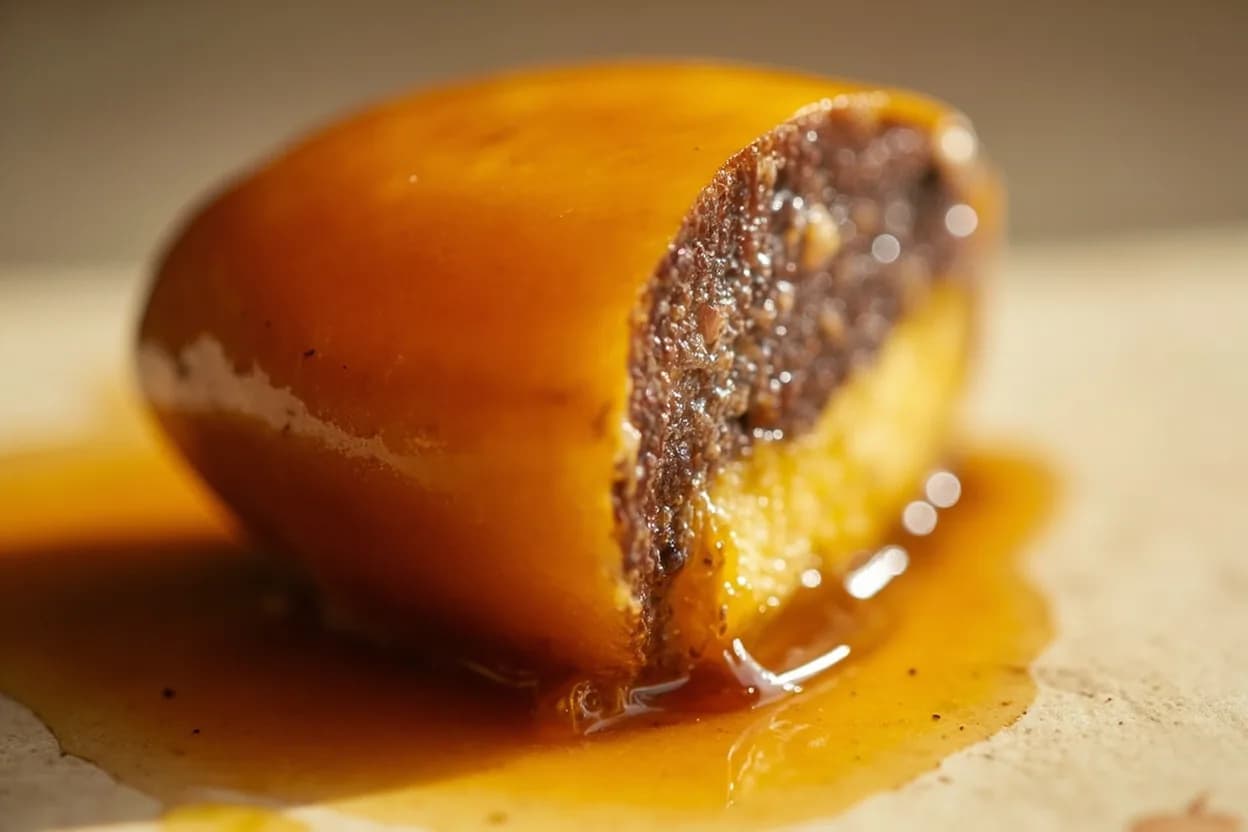
The Orleans method, developed in the French town of Orléans during the 14th century, fills barrels to about one-third capacity with wine, allows a mother to form on the surface, and withdraws finished vinegar slowly while adding fresh wine at intervals. Operating at 24–26°C in cool cellars, the process takes 3–4 weeks per batch but produces fine wine vinegars with preserved fruity esters. Industrial submerged acetification (the Frings Acetator) bubbles air through ethanol-rich liquid at 28–30°C and can complete a batch in under 48 hours — ideal for commodity production but sacrifices the aromatic subtlety of slow fermentation.
Balsamic vinegar: the temperature exception
Traditional Aceto Balsamico Tradizionale di Modena (DOP) involves acetification in small successive barrels over a minimum of 12 years. Summer heat in attics (sometimes reaching 35–40°C) drives concentration through evaporation while seasonal cooling slows and modulates acetification. The result is a syrupy, complex vinegar more akin to a condiment than a culinary acid — an extreme case where seasonal temperature swings, not a controlled set point, define the product.