Souring Agents
Apple Cider Vinegar
Also: ACV, cider vinegar, apple vinegar
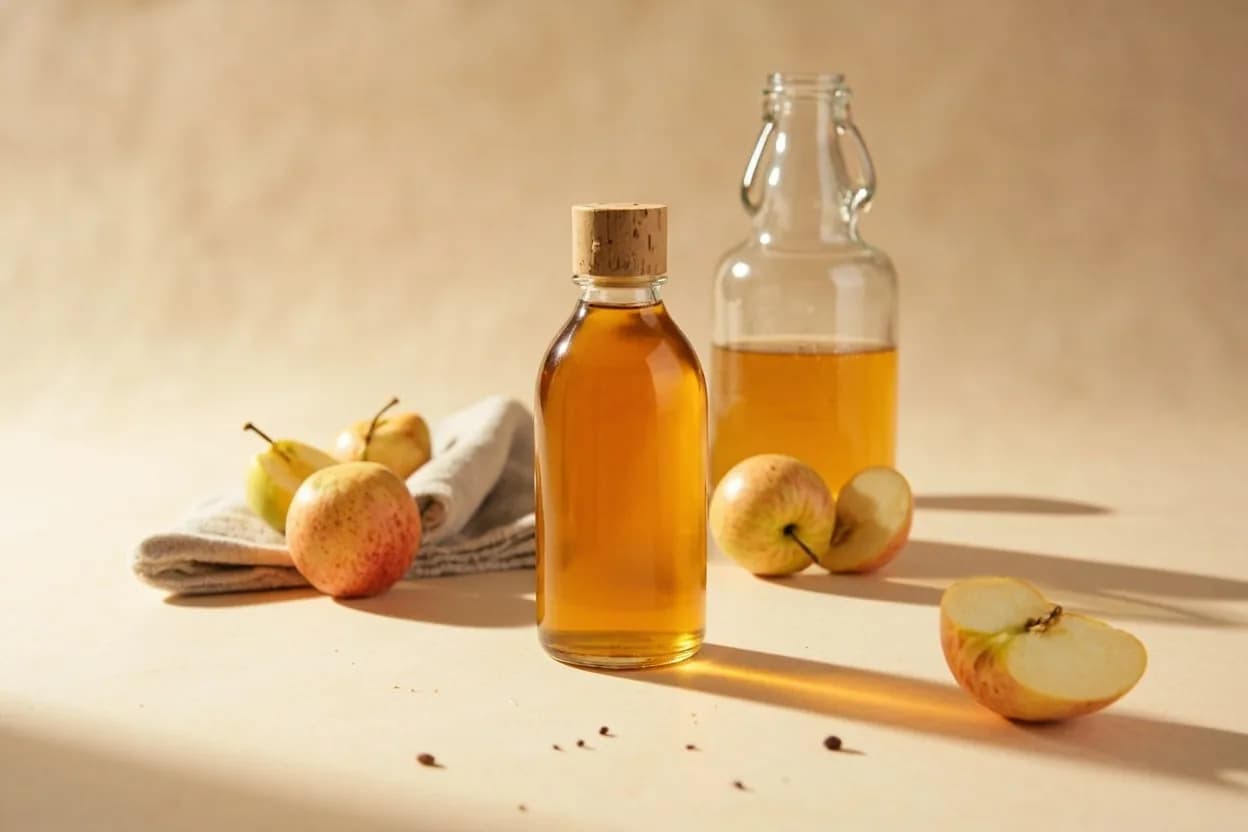
A fruity, mellow vinegar pressed from fermented apples that bridges sweetness and acidity with an orchard warmth.
Apple cider vinegar is produced by double fermentation of apple juice: first alcoholic (yeast converts sugars to cider), then acetic (bacteria convert ethanol to acetic acid). The result retains a residual fruitiness from the apple's esters and malic acid, giving it a rounder, less angular sourness than white distilled vinegar. Unfiltered varieties carry 'the mother'—a cellulose-and-bacteria matrix—which adds a faint yeasty note. With 5–6% acidity and a warm amber color, it suits applications where you want acid without stridency: BBQ sauces, braising liquids, fruit-forward salad dressings, and light pickling.
In photos
Flavour profile
Classic pairings
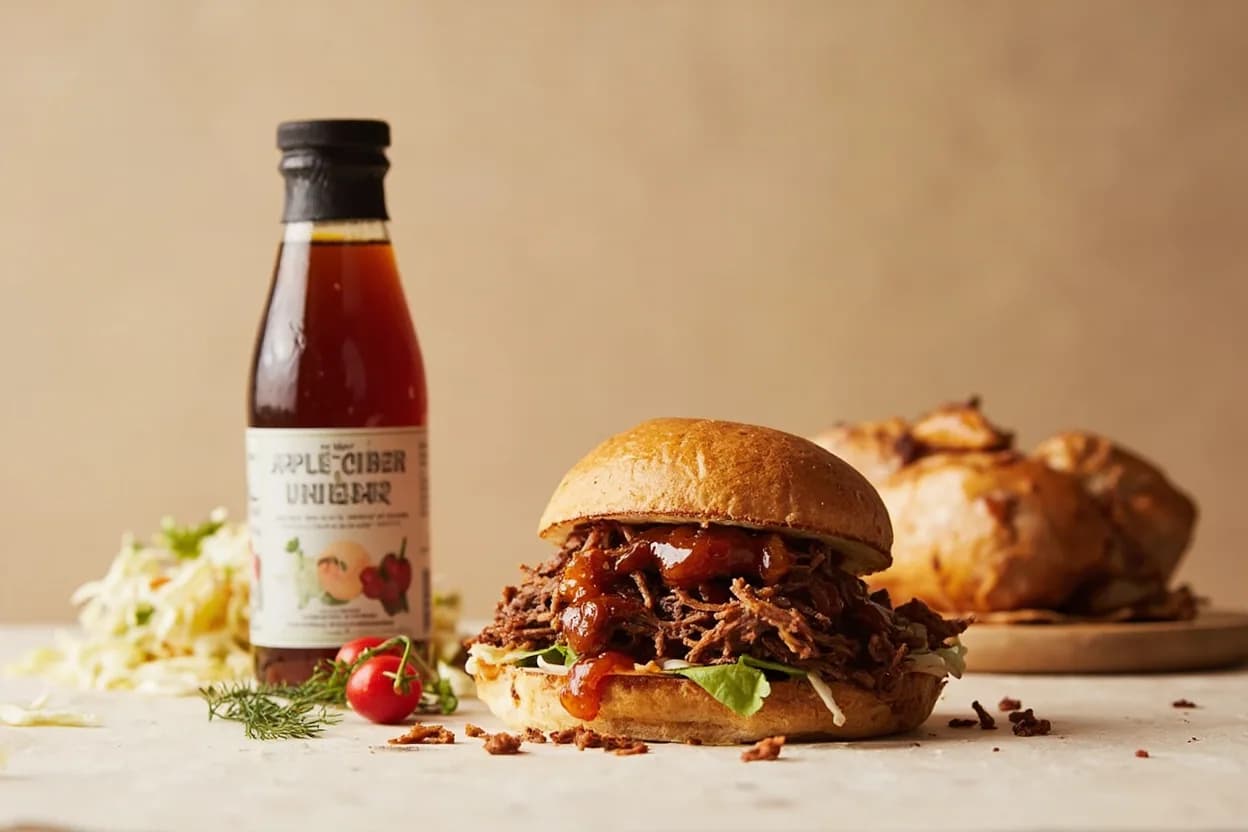
- Pulled pork / BBQ sauceAmerican (Southern BBQ)
The fruity acidity cuts pork fat and balances the sweetness of brown sugar and molasses in Carolina- and Kansas City-style sauces.
- ColeslawAmerican
ACV loosens the creaminess of mayo-dressed cabbage and gives the slaw its characteristic tang without overwhelming delicate vegetable flavor.
- Braised chicken (with mustard and cream)French / American
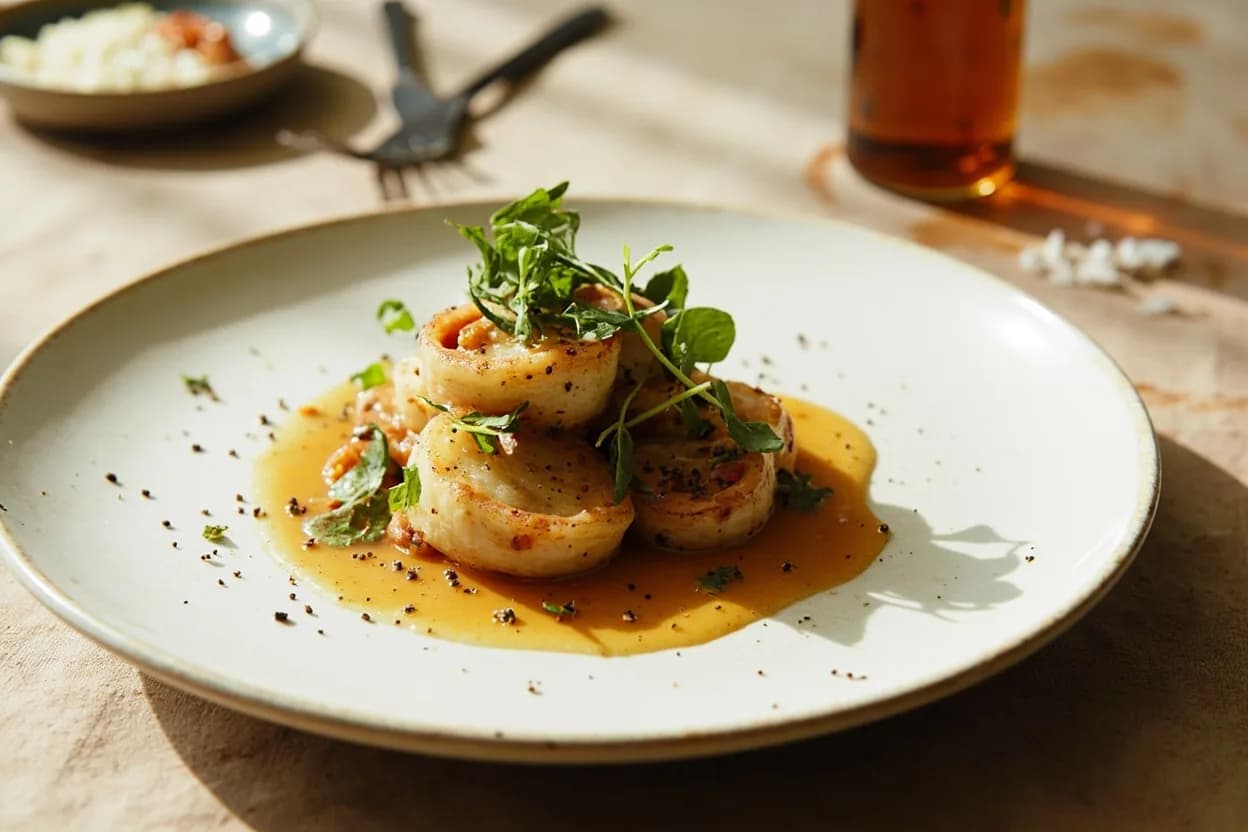
A splash deglazes the pan and provides brightness; the apple note harmonizes with Dijon and cream in French-style fricassée.
- Quick-pickled vegetables (cucumbers, red onion, carrots)American / European
Its softness makes a pleasant quick pickle brine—milder than white vinegar, it lets the vegetable's own flavor persist.
- HoneyGlobal
Honey and ACV is a classic tonic pairing; in dressings, the two balance to a warm sweet-sour equilibrium with floral depth.
- Root vegetables (beets, carrots, parsnips)American / Nordic
Earthy sweetness of root vegetables is lifted by ACV's tartness; excellent in roasting glazes and grain salads.
- Dried beans and lentilsGlobal
A tablespoon stirred in at the end of cooking brightens legumes and rounds their earthiness without acidifying the whole pot during cooking.
Adventurous pairings
- Caramel sauce
A teaspoon of ACV in salted caramel adds a fermented-apple sharpness that prevents the sauce from being cloying—effectively an apple-candy note.
- Fresh watermelon
A splash with flaky salt and mint turns fruit salad into a proper palate opener; the orchard acidity rhymes with watermelon's subtle sweetness.
- Shrub cocktails
ACV is the definitive shrub base—macerated with summer fruit (peach, strawberry, raspberry) and sugar, then mixed with sparkling water or spirits.
- Tahini dressing
Replaces lemon juice in tahini-based dressings; the apple fruitiness rounds sesame's bitterness differently and pairs especially well with roasted cauliflower.
- Dark rye bread
Spritz onto rye slices before open-faced toppings—the fermented grain and fermented apple are natural companions.
Tread carefully
- Intensely flavored aged cheesesavoid
Its fruity mildness is overpowered by sharp aged cheddar or aged pecorino—the vinegar just reads 'sour' without adding complexity.
- Delicate white wine reductionsavoid
The rustic apple note clashes with refined wine sauces; use champagne vinegar or verjuice instead.
- Raw alliums in long marinadesavoid
Extended contact with raw onion or garlic produces sulfurous off-notes; limit marinating time or cook the aromatics first.
How to use it
- Deglaze pan drippings after searing pork or chicken for a quick pan sauce
- Whisk 1:3 with olive oil and honey for a basic vinaigrette
- Use in brine for quick-pickled vegetables (1:1 with water, salt and sugar)
- Add a splash at the end of braises or bean dishes to brighten without cooking off the aroma
- Make a drinking shrub: macerate fruit 1:1:1 with sugar and ACV, strain after 3 days
Appears in
Related flavours
A natural emulsifier partner in vinaigrettes—mustard's sharpness and ACV's fruit balance each other.
The fermented orchard note of ACV and the wood-smoke sweetness of maple syrup form a classic North American sweet-sour glaze.
Ginger's heat and ACV's fruit are the foundation of switchel (haymaker's punch) and many Asian-influenced marinades.
- Black-eyed peas
Southern pot likker traditions finish beans with ACV; the acid tempers earthiness and fortifies the pot's savory liquor.
References
- 1.The Preservation Kitchen — Paul Virant
- 2.Salt, Fat, Acid, Heat — Samin Nosrat
- 3.The Food Lab — J. Kenji López-Alt
- 4.Vinegar Revival — Harry Rosenblum
Confidence: high
Notes
Filtered vs. unfiltered
Filtered ACV is clear and mildly flavored—ideal for light dressings where appearance matters. Unfiltered 'with the mother' is cloudier and earthier, better for shrubs, marinades, and robust braises where the yeast character adds dimension.