Fats, Pastes & Condiments
Dijon Mustard
Also: moutarde de Dijon, French mustard, smooth mustard
Burgundy's pungent, creamy condiment — the backbone of classic French vinaigrettes and sauces.
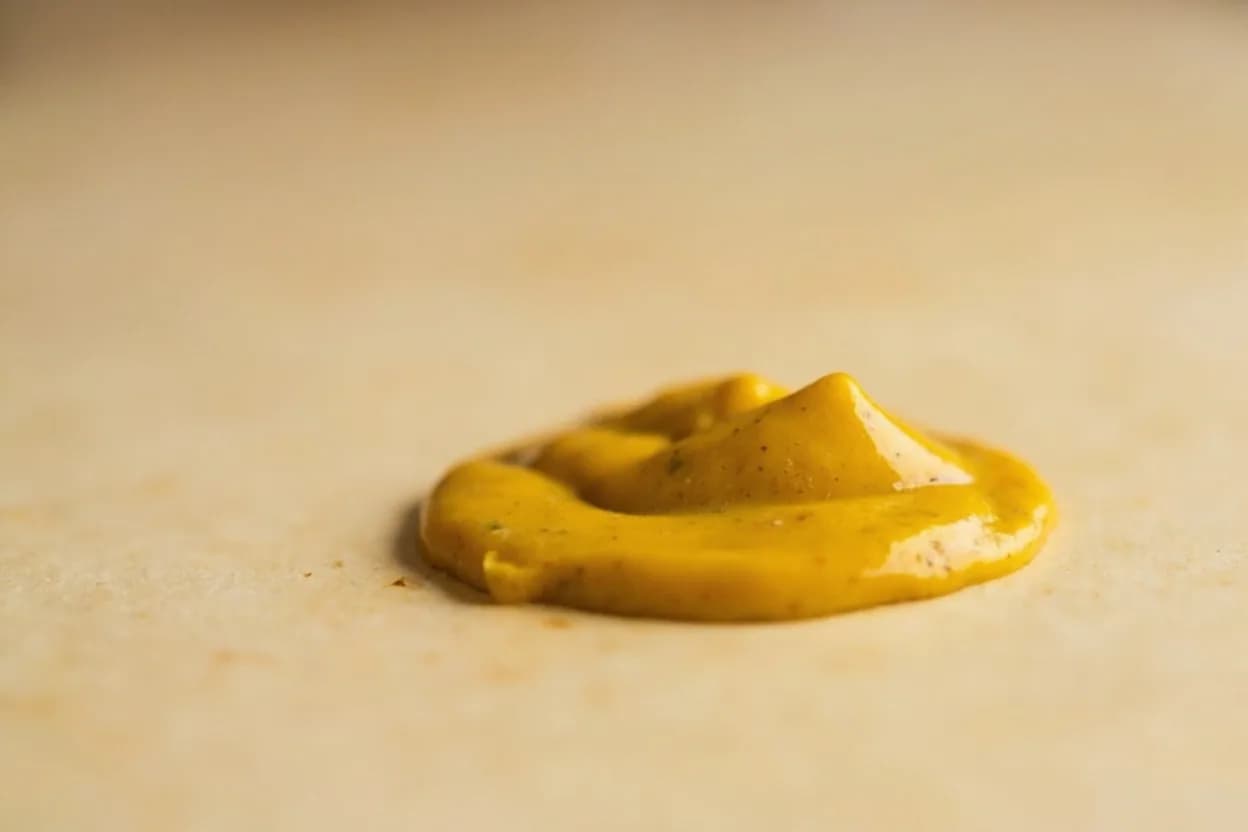
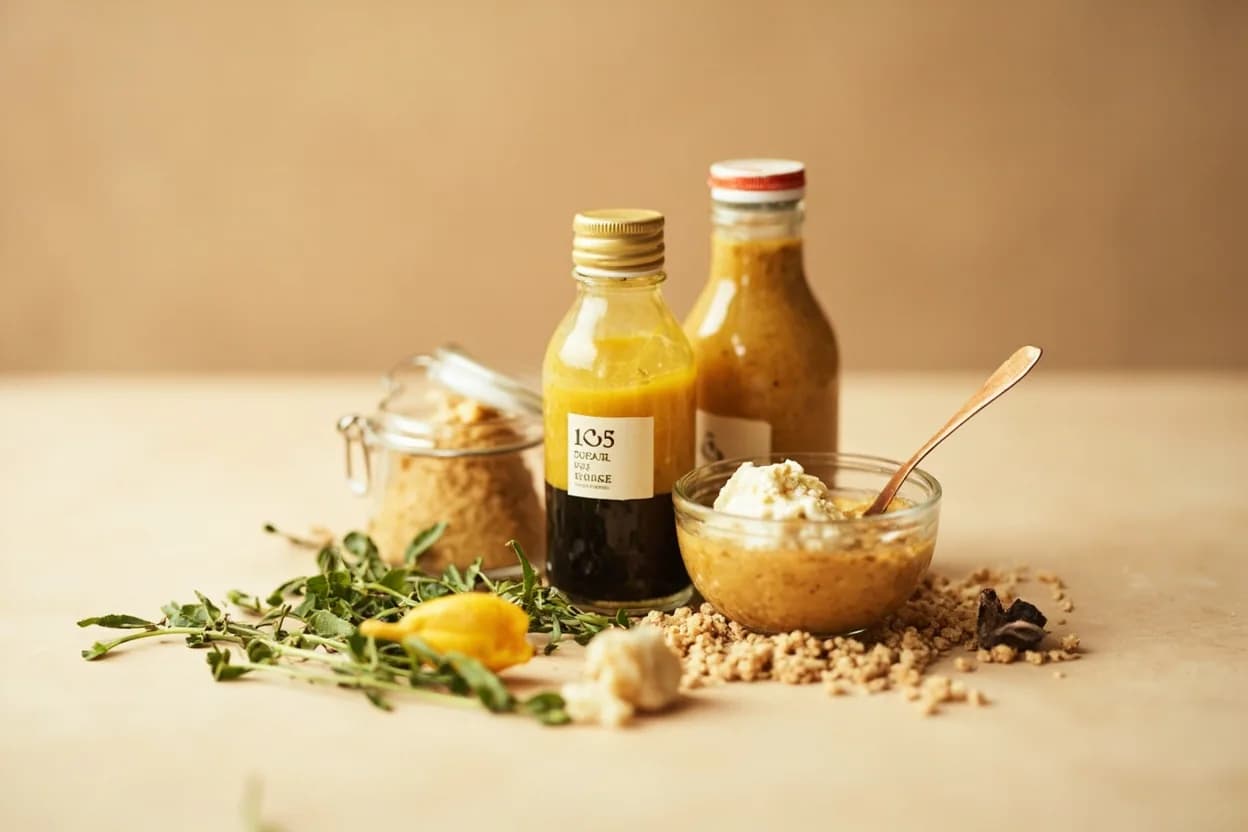
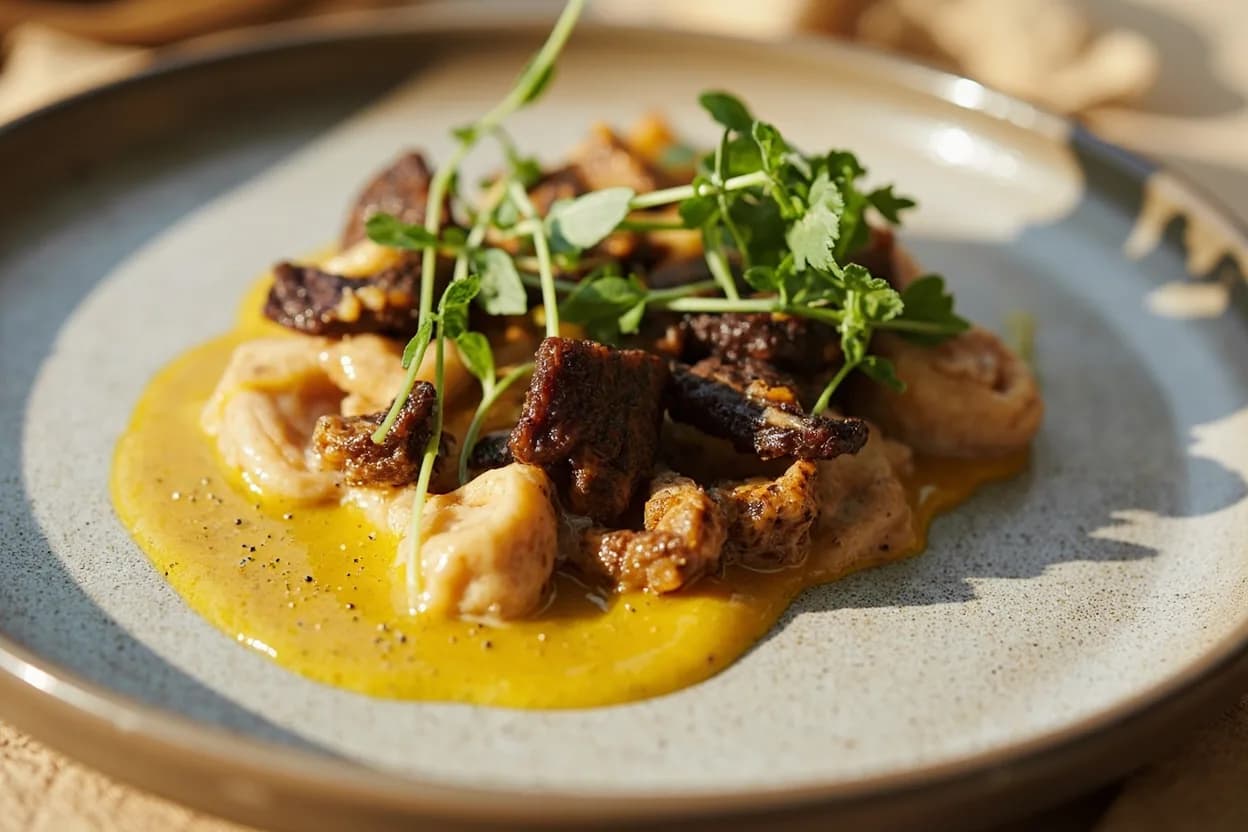
Dijon mustard is made from brown or black mustard seeds (Brassica juncea) ground with verjuice or white wine, yielding a smooth, pale-yellow paste. Its heat comes from isothiocyanates released when the seeds are crushed in acidic liquid; the result is sharp and penetrating on the palate but dissipates more quickly than English mustard. The flavor is simultaneously pungent, tangy, and faintly bitter, with none of the turmeric sweetness of yellow mustard. Produced under IGP rules in and around Dijon, Burgundy, though most commercial production now uses Canadian mustard seeds.
In photos
Flavour profile
Classic pairings
- red wine vinegarFrench
The duo that defines sauce vinaigrette — mustard emulsifies oil and vinegar while matching its tartness.
- tarragonFrench
Both are pillars of sauce béarnaise; tarragon's anise sweetness tames Dijon's heat.
- crème fraîcheFrench
Fat and acidity mellow the pungency; the combination sauces chicken, rabbit, and pork.
- roast porkFrench
A mustard crust forms a pungent, caramelized bark that balances the meat's richness.
- cornichonsFrench
Classic charcuterie board pairing — both are sharp and cut through fatty pâtés and rillettes.
- shallotsFrench
Together they anchor sauce mignonette and pan sauces; shallot sweetness rounds the mustard's edge.
- GruyèreFrench
Melted into croque monsieur béchamel or a cheese sauce, Dijon cuts through the fat and elevates savoriness.
Adventurous pairings
A thin smear on a chocolate tart base or in a ganache amplifies bitter cocoa notes — an avant-garde trick from modernist pastry.
Both are umami-rich fermented pastes; blended as a glaze for salmon or eggplant, they layer depth without competing.
North African brightness meets French pungency in a vinaigrette for roasted carrots or lamb — citrus rind takes the edge off the heat.
- fresh ginger
Ginger's volatile zing and mustard's isothiocyanate heat share the same sinus pathway; together they make a lively glaze for duck breast.
A sweet-hot condiment for charcuterie or oven-roasted vegetables — the sugar caramelizes and softens the pungency.
Tread carefully
- extra-delicate white fishavoid
The sharp pungency overwhelms sole or turbot; use a milder wholegrain or a tiny amount.
- very sweet fruit puréesavoid
Sugar fights Dijon's acidity and bitterness — both become harsh rather than balanced.
How to use it
- Emulsify vinaigrette: whisk Dijon with vinegar first, then stream in oil for a stable, creamy dressing
- Mustard crust: coat meat, press into breadcrumbs and herbs, roast at high heat for a caramelised bark
- Pan sauce enrichment: add a spoonful off heat to deglazed pan drippings — heat kills the pungency so add last
- Marinade base: combine with wine, garlic, and herbs to tenderise and flavour poultry or pork
- Sandwich smear: apply directly to bread as a moisture barrier and flavour layer under cold cuts
Appears in
Related flavours
Milder, textured cousin; use where visual interest and a gentler heat are preferred
Classic French herb partner across vinaigrettes and béarnaise
The fat base that turns Dijon into a sauce for braises and cream sauces
References
- 1.Larousse Gastronomique, Éditions Larousse
- 2.The Flavor Bible — Karen Page & Andrew Dornenburg
- 3.Sauces: Classical and Contemporary Sauce Making — James Peterson
Confidence: high
Notes
IGP Status
Moutarde de Bourgogne carries an EU IGP designation requiring Burgundy verjuice and regional mustard seeds. Standard 'Dijon' mustard is a style, not a protected origin, and may be produced anywhere.
Heat Behaviour
Isothiocyanates are volatile — cooking destroys Dijon's pungency rapidly. Always add to sauces off the heat or at the last moment to preserve its bite.