Cheeses
Gruyère
Also: Gruyere, Le Gruyère AOP, Swiss Gruyère
Switzerland's great melting cheese: nutty, fruity, and complex, the backbone of fondue and French onion soup.
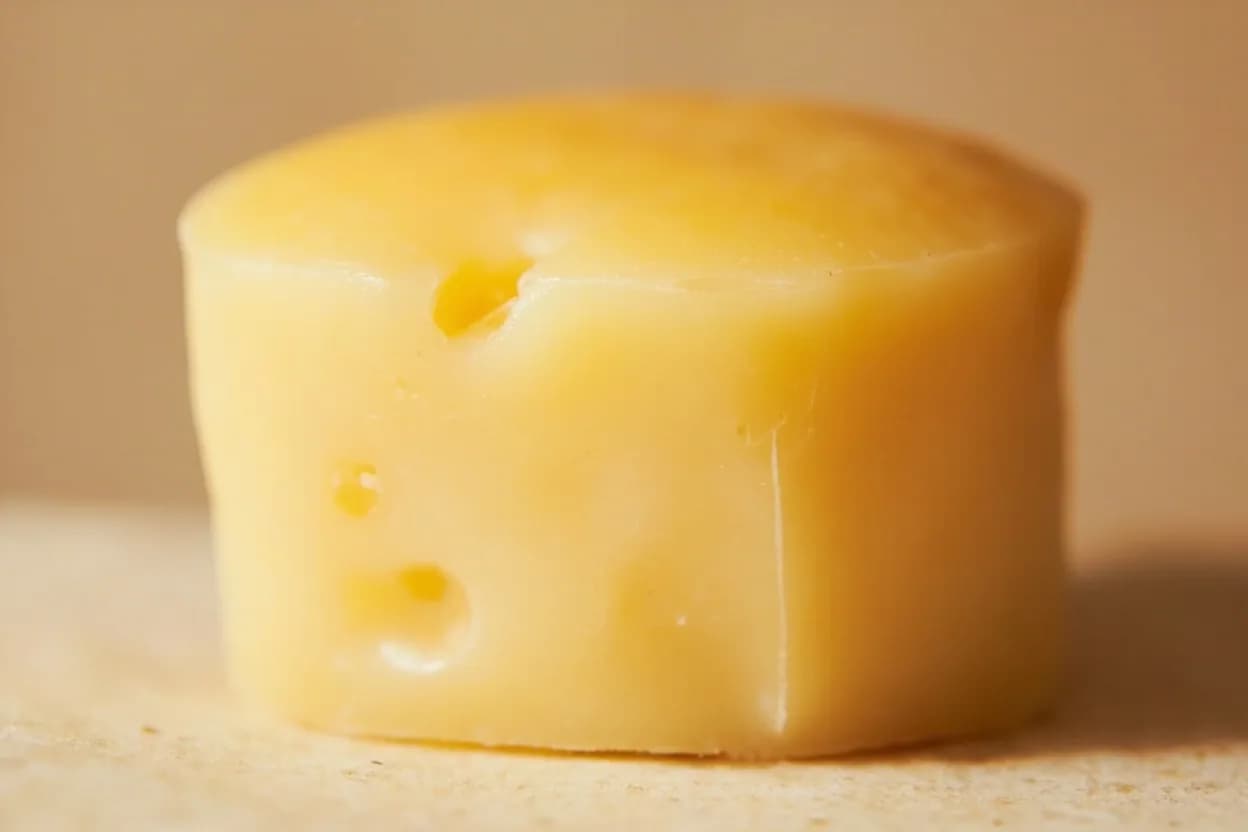
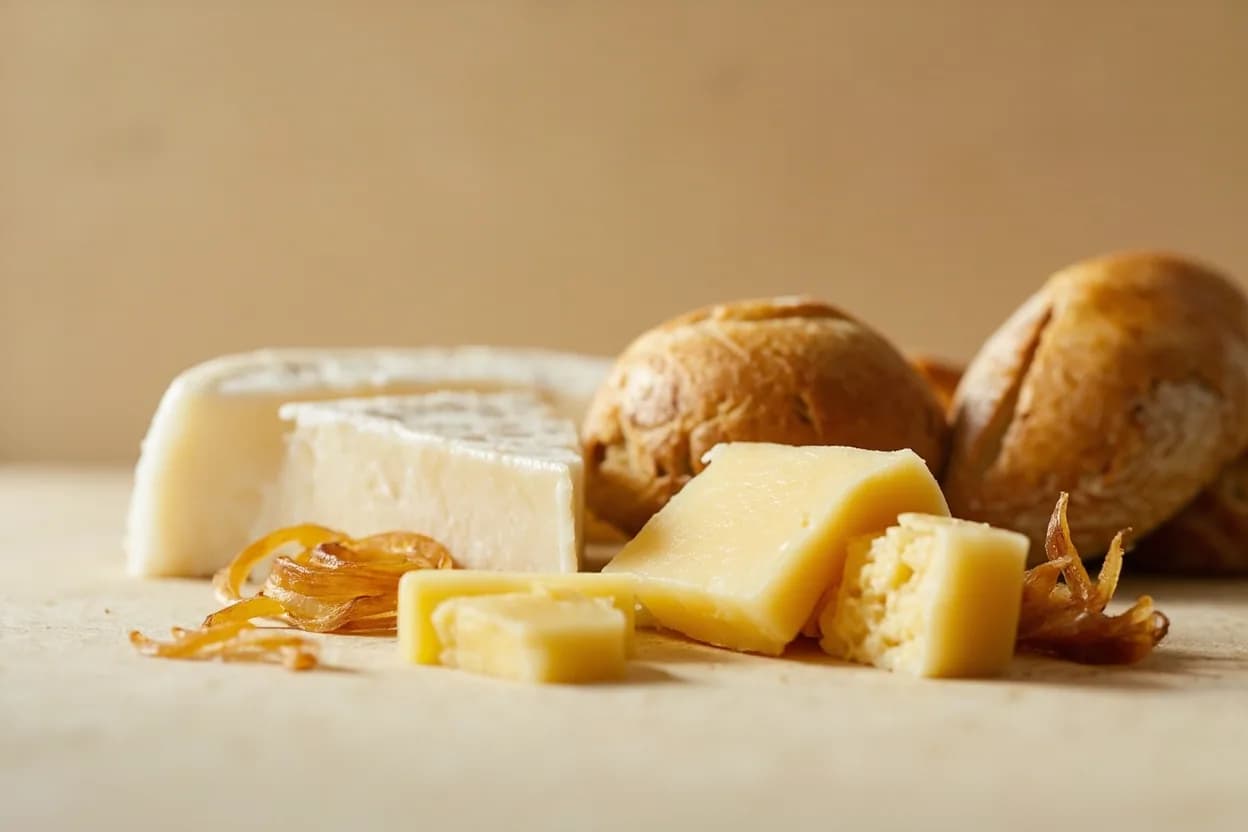
Gruyère AOP is a raw cow's milk cheese from the canton of Fribourg and neighboring Swiss cantons, aged a minimum of five months and typically 8–18 months. Its paste is firm and supple with tiny eyes or none; flavor ranges from buttery-sweet and lactic in young wheels to deeply nutty, earthy, and subtly crystalline in extra-vieux examples. The fat and protein matrix melts uniformly without breaking, making it the gold standard for hot applications.
In photos
Flavour profile
Classic pairings
- Dry white wine (Grüner Veltliner, Chablis, Fendant)Swiss/French
Crisp acidity cuts the fat; mineral finish echoes the cheese's alpine terroir.
- Caramelized onionsFrench
The Maillard sweetness of slow-cooked onions rhymes with the cheese's own hazelnut and caramel notes — the essence of soupe à l'oignon.
- Bread (baguette, sourdough, Graubrot)Swiss/French
Neutral starch carries the cheese; a crust's toasty character amplifies Gruyère's own roasted notes.
- Cured pork (jambon de Paris, prosciutto, lardons)French
Salt and umami from the meat deepen the cheese's savoriness; classic in croque-monsieur.
- Dijon mustardFrench
Sharp heat and vinegar balance richness; adds complexity in gratin and sandwich applications.
- Potato (gratin dauphinois, rösti)Swiss/French
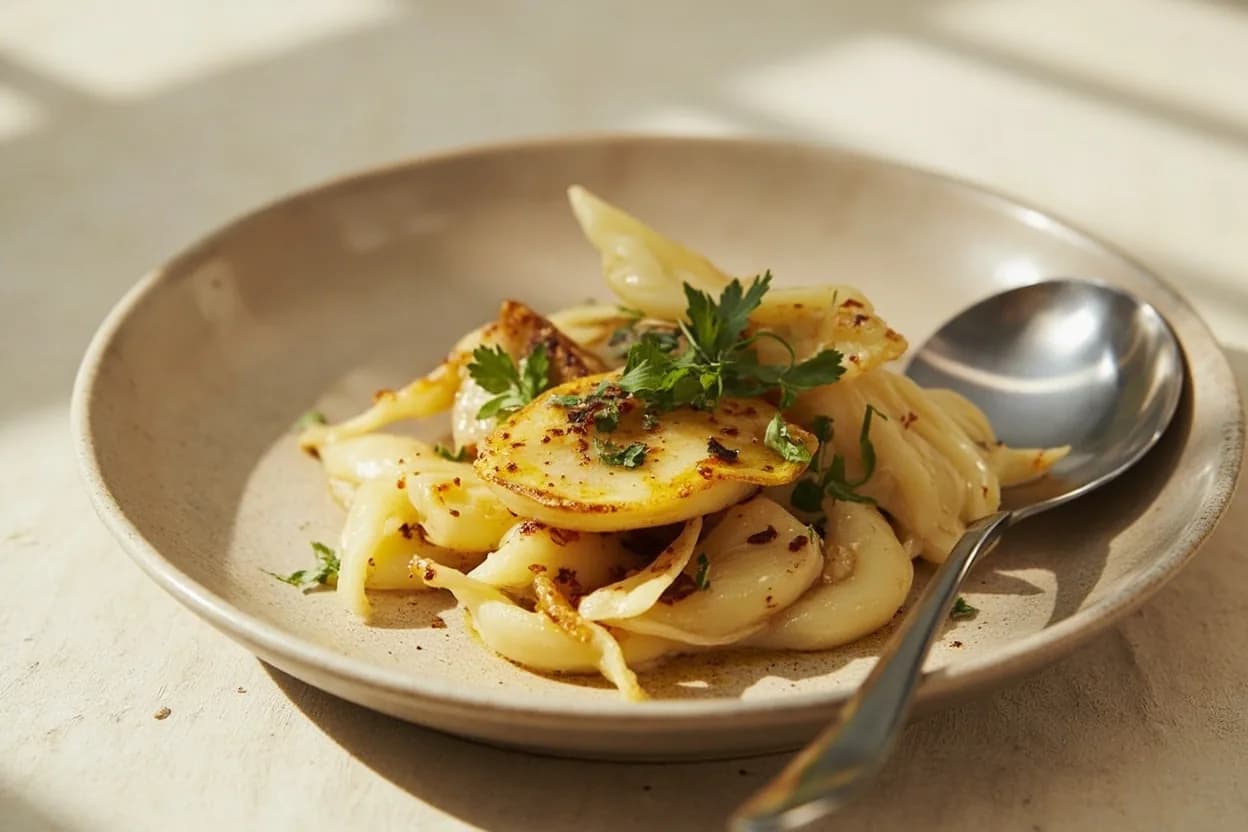
Starchy sweetness absorbs Gruyère's fat beautifully; the two meld in the pan into something greater than either alone.
- KirschSwiss
The traditional fondue spirit — cherry distillate's acidity prevents the cheese from clumping and adds a subtle fruit note.
Adventurous pairings
- Miso (white or red)
Both are umami powerhouses with fermented grain character; blending into a béchamel or compound butter creates layered depth.
- Roasted coffee
Bitter roast and Gruyère's hazelnut notes are near neighbors; shaved over a warm cheese crisp or used in a rub for a gratin creates intriguing bitterness.
- Quince paste (membrillo)
The tannic, floral sweetness of quince mirrors the cheese's fruity high notes and cuts the richness as effectively as wine.
- Truffle (black or white)
Gruyère's earthiness is an ideal substrate for truffle's sulfurous aromatics — classic in Alpine truffle fondues.
- Cardamom
Ground into a cheese sauce, green cardamom's citrus-pine freshness lifts what can otherwise be a heavy preparation.
Tread carefully
- Very tannic red wine (Barolo, Cabernet Sauvignon)avoid
Tannins bind the cheese's proteins, creating a chalky, bitter metallic sensation; aged Gruyère especially suffers.
- Strongly flavored oily fish (sardines, mackerel)avoid
Competing fermented, fishy aromas clash; the fat-on-fat combination is cloying without acid to mediate.
- Very sweet dessert wines (Tokaji Aszú)avoid
Sugar overwhelms Gruyère's savory complexity rather than complementing it — the cheese needs acidity, not sweetness, as its foil.
How to use it
- Melt gently over low heat with a splash of white wine or kirsch to prevent protein clumping (fondue method)
- Grate finely on a Microplane for gratins so it melts into a uniform, bubble-free crust
- Slice and layer in croque-monsieur before grilling — the natural fat content browns without added butter
- Shave over warm dishes with a vegetable peeler for a rustically elegant finish
- Combine 50/50 with Emmental for classic Swiss fondue to balance melt and flavor
Appears in
Related flavours
- Emmental
Sibling Swiss melting cheese with milder, sweeter flavor — often blended with Gruyère for fondue.
- Comté
French AOP cousin made across the border in Franche-Comté; shares the nutty-fruity Alpine profile and similar pairing logic.
- Beaufort
Another Savoie alpine cheese with a fruity, buttery character; used interchangeably with Gruyère in gratins.
References
- 1.The Cheese Primer — Steven Jenkins (Workman, 1996)
- 2.Mastering the Art of French Cooking — Julia Child (Knopf, 1961)
- 3.On Food and Cooking — Harold McGee (Scribner, 2004)
- 4.Swiss Cheese Union AOP specifications (Le Gruyère AOP)
Confidence: high
Notes
Age matters
Réserve (10+ months) and Vieux (12+ months) Gruyère develop crystalline tyrosine deposits and intense umami that open up adventurous pairings; doux (5–6 months) is milder, more lactic, and better suited to delicate dishes like quiche where the cheese should not dominate.
The fondue starch trick
A teaspoon of cornstarch tossed with the grated cheese stabilizes the emulsion during melting, giving a smooth, pull-able texture without requiring a precise wine-to-cheese ratio.