Fermented Pastes & Sauces
Miso
Also: shiro miso, shinshu miso, mugi miso, hatcho miso, aka miso, awase miso, fermented soybean paste
Japan's foundational fermented paste — a spectrum from sweet, pale, and delicate to deep, salty, and robustly funky, capable of amplifying nearly any savory dish.
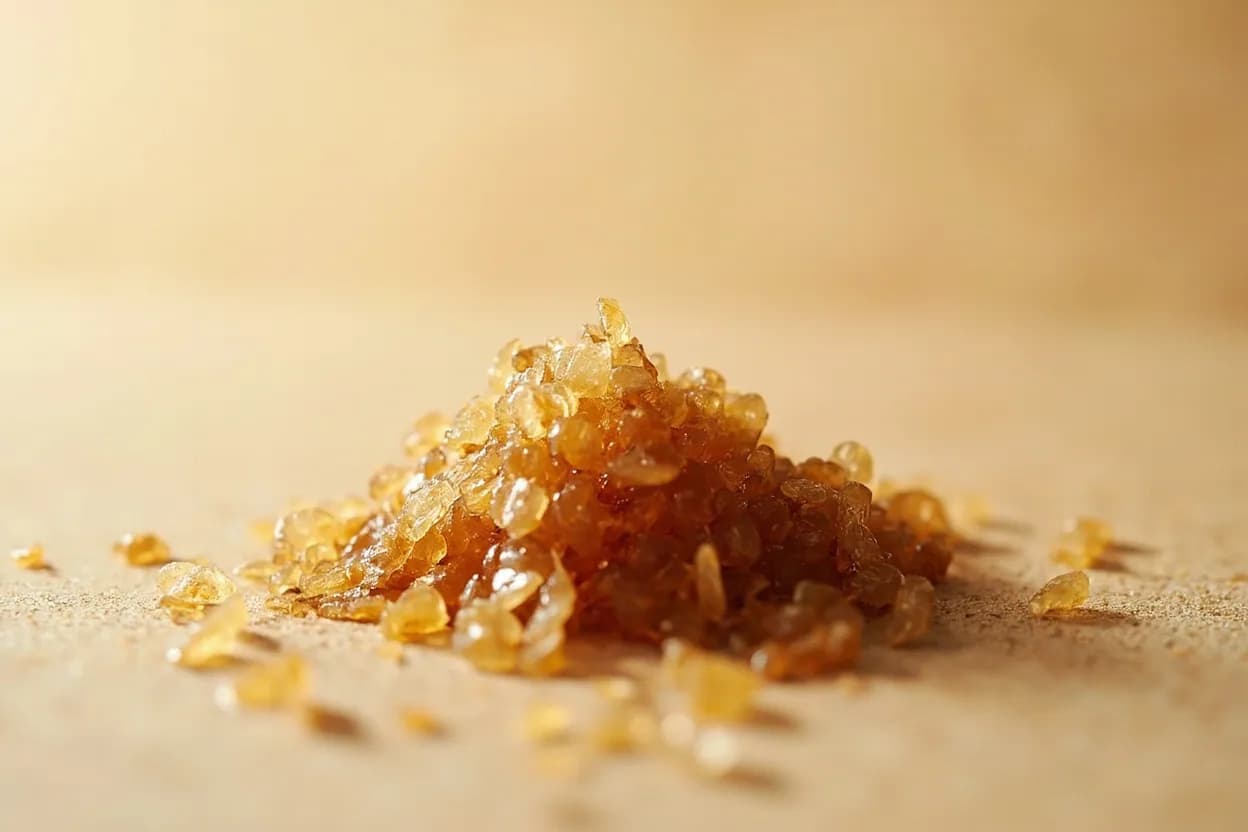
Miso is a fermented paste made from soybeans inoculated with Aspergillus oryzae (koji mold), typically combined with a grain (rice or barley), salt, and water, then fermented anywhere from a few weeks to three or more years. The fermentation hydrolyzes proteins into free amino acids (principally glutamate) and breaks down starches into sugars, producing a paste with extraordinary complexity: salty, umami-rich, slightly sweet, funky, and often with a subtle alcoholic warmth from residual yeast activity. White (shiro) miso is fermented briefly — mild, sweet, and delicate. Red (aka) miso is fermented longest — deeply savory, almost bitter, with a robust earthiness. Yellow and mixed (awase) miso occupy the middle. Mugi (barley) miso is earthier and more complex than rice-based shiro. Hatcho miso (soybean-only, three years minimum) is the darkest, most concentrated form.
In photos
Flavour profile
Classic pairings
- Dashi (kombu and katsuobushi stock)Japanese
The canonical pairing — the most elemental bowl of miso soup is miso dissolved into dashi. The glutamates in miso and the inosinate in katsuobushi create nucleotide synergy that multiplies perceived umami beyond either ingredient alone.
- EggplantJapanese
Dengaku-style: eggplant is halved, scored, broiled, and glazed with sweetened miso — the flesh's creamy bitterness and the caramelized miso become inseparable. Shiro or awase miso is standard.
- SalmonJapanese
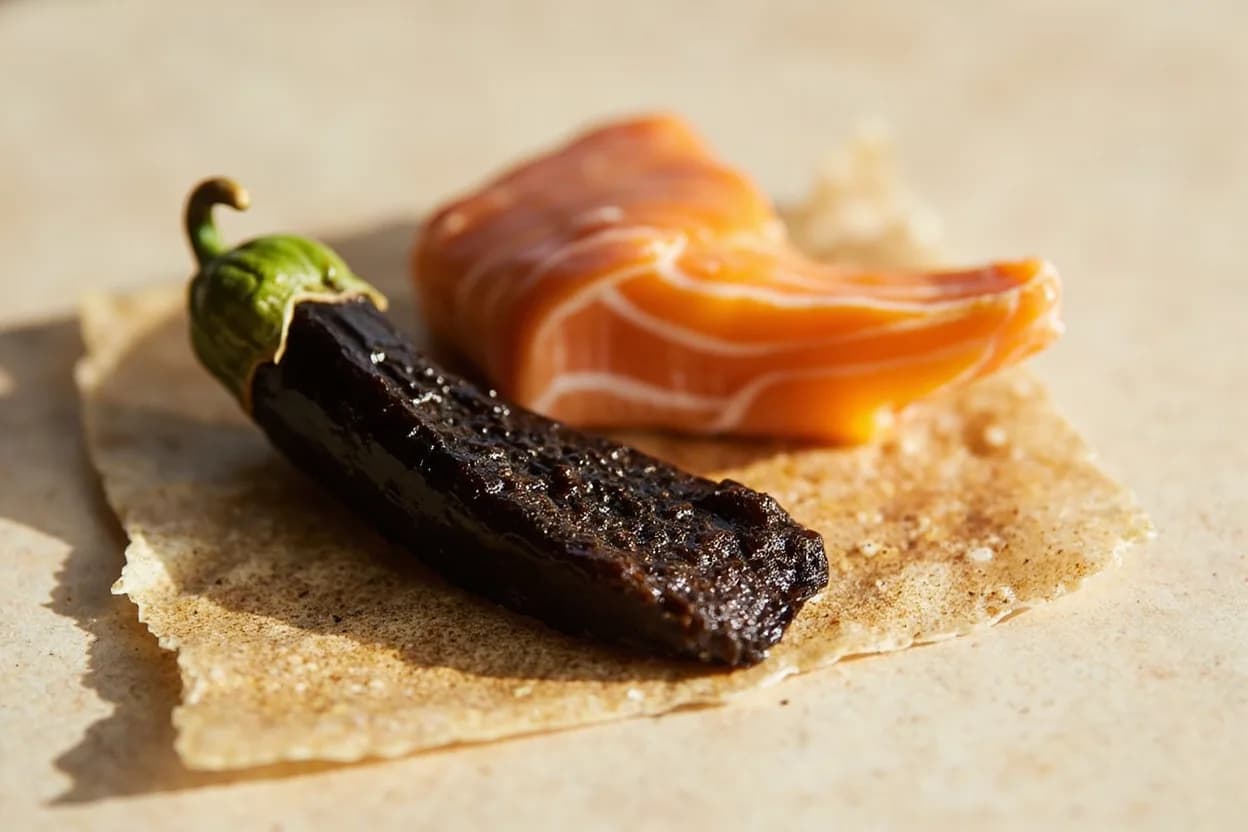
Miso-marinated salmon (saikyo yaki): white miso, mirin, and sake marinade transforms salmon into a lacquered, umami-rich fillet. The fish's natural fat and the miso's sweetness are perfectly matched.
- TofuJapanese
Beyond soup: dengaku tofu (grilled with sweetened miso glaze), agedashi tofu with miso dashi — the neutral protein is the ideal carrier for miso's flavor without competition.
- ButterJapanese / fusion
Miso stirred into softened butter at a 1:3 ratio produces a compound butter of arresting complexity — the fat carries and mellows the miso salt-funk; used to finish pasta, corn, fish, and steak.
- Mushrooms (shiitake, maitake, matsutake)Japanese
Mushrooms and miso stack glutamates from two independent sources — the earthy funk of the mushroom and the fermented depth of the miso amplify each other, creating savory impact far beyond the sum of parts.
- Root vegetables (carrot, daikon, burdock, turnip)Japanese
Miso's sweetness and salt harmonize with the earthy sweetness of root vegetables — pickled in miso (misozuke), roasted with miso glaze, or simmered in miso broth.
- Dark chocolateContemporary pastry
Shiro or awase miso stirred into brownie batter or a ganache at 1–2% of total weight amplifies cacao's bitter complexity, adds a barely perceptible savory-salt note, and rounds the sugar without tasting 'Japanese'.
Adventurous pairings
Miso and tahini together make a dressing or dip of remarkable depth: both are fermented or aged paste-like condiments, both are intensely savory-nutty, and together they create a Middle-East-meets-Japan sweet-salt-bitter combination that is more than the sum of either.
- Stone fruit (peach, nectarine, plum)
White miso thinned with citrus and honey as a dressing for grilled peaches — the miso's fermented sweetness amplifies the fruit's sugar while adding savory depth that fruit dressings typically lack.
- Caramel (miso caramel sauce)
White miso whisked into butter caramel at the finish provides the salt element with vastly more complexity than sea salt alone — a technique now standard in contemporary pastry.
- Lamb
Red miso rubbed into a lamb shoulder or rack before roasting creates a deeply savory bark and amplifies the meat's natural earthiness — the same logic as anchovy-and-garlic lamb, but fermented-paste-rich.
Miso and aged blue cheese stack two powerful fermented flavors — both are salt-forward and intensely umami-rich with funky, complex depths. Used in a dressing or combined in a compound, the effect is deliberately aggressive and works as an umami accent rather than a primary flavor.
- Citrus (yuzu, lemon, grapefruit)
Miso's saline sweetness is brightened dramatically by citrus acid — yuzu miso is canonical in Japanese cuisine; lemon-miso dressing is the most accessible Western adaptation.
Tread carefully
- Boiling heat for extended periodsavoid
High heat kills the live koji cultures and destroys the delicate volatile aromatics that give miso its complexity — always add miso off heat or at a low simmer, dissolving it in a ladleful of liquid before adding to the pot.
- Delicate white fish (sole, flounder, dover sole)avoid
Even mild white miso overwhelms the fine minerality of delicate white fish — their subtle flavor is buried under miso's salt and fermented depth.
- Fresh berry dessertsavoid
The fermented, salty character of miso clashes with the clean ester-bright sweetness of fresh raspberries, strawberries, and blueberries — unlike stone fruit (which have earthy depth that bridges), berries have no flavor component for miso to mirror.
How to use it
- Always dissolve miso in a small amount of warm liquid first (a ladleful of stock, water, or wine) before incorporating — it never dissolves evenly when added directly to a cold or large-volume liquid
- Add to hot dishes off heat to preserve live cultures and aromatics
- Use as a dry rub base: thin with sake or mirin, add aromatics, and coat protein; marinate for a minimum of 2 hours and up to 3 days for maximum penetration
- Whisk into butter or cream to make compound butters and cream sauces — fat carries and mellows the salt
- Use in baking at 1–3% of flour weight for savory depth in brownies, chocolate cake, or cookie dough
- Glaze vegetables under the broiler: thin with sugar, mirin, and sake and brush on eggplant, squash, or leeks for 5–8 minutes at high heat
- Make quick pickles (misozuke): press raw vegetables into white miso for 12–24 hours; rinse, slice, serve
Appears in
Related flavours
Sibling fermented soy product — lighter body, liquid form; combining miso + soy stacks fermented soy umami for more depth than either alone
The canonical miso marinade liquid — its amino acids complement miso's, while its alcohol denatures proteins and carries aromatics
Sweet rice wine used to balance miso's salt in glazes and marinades — the sugar is essential in miso glazing to allow caramelization
The other primary source of glutamate in Japanese cuisine; kombu dashi is miso's natural liquid partner (nucleotide synergy)
Cross-cultural pairing — both are fermented/aged concentrated pastes with nut-seed character; they combine into a savory fusion dressing
References
- 1.The Book of Miso — William Shurtleff & Akiko Aoyagi (Ten Speed Press, 1976, rev. 2001)
- 2.On Food and Cooking — Harold McGee (Scribner, 2004)
- 3.Japanese Farm Food — Nancy Singleton Hachisu (Andrews McMeel, 2012)
- 4.The Noma Guide to Fermentation — René Redzepi & David Zilber (Artisan, 2018)
- 5.Japan: The Cookbook — Nancy Singleton Hachisu (Phaidon, 2018)
Confidence: high
Notes
Understanding the miso spectrum
The three variables that determine miso's flavor are fermentation time, grain type, and salt content. Shiro (white) miso: short fermentation (weeks), high rice koji, mild, sweet, delicate — best in dressings, delicate fish, pastry. Awase (mixed/yellow): medium fermentation, balanced — the most versatile all-purpose miso. Aka (red): long fermentation (months to years), higher salt, deeply savory and complex — best in braises, grilled meat, robust soups. Hatcho: soybean-only, 2–3 years, extremely dark, dense, and pungent — used in small doses for maximum impact.
Miso in Western pastry
The use of shiro miso in chocolate desserts — brownies, ganache, caramel, cookie dough — has become a reliable contemporary pastry technique. At 1–2% of total weight, the miso is undetectable as a flavor but amplifies chocolate bitterness, rounds the sweetness, and adds a depth that tasters describe as 'more complex' or 'richer' without identifying the source. It functions as an umami amplifier in the same way that a pinch of salt does in baking — but with more harmonic depth.