Alcohols & Vinegars
Mirin
Also: hon mirin, sweet rice wine, mirin-fu chomiryo
Japan's golden, sweet-fermented rice wine — the ingredient that gives teriyaki its gloss and simmered dishes their trembling tenderness.
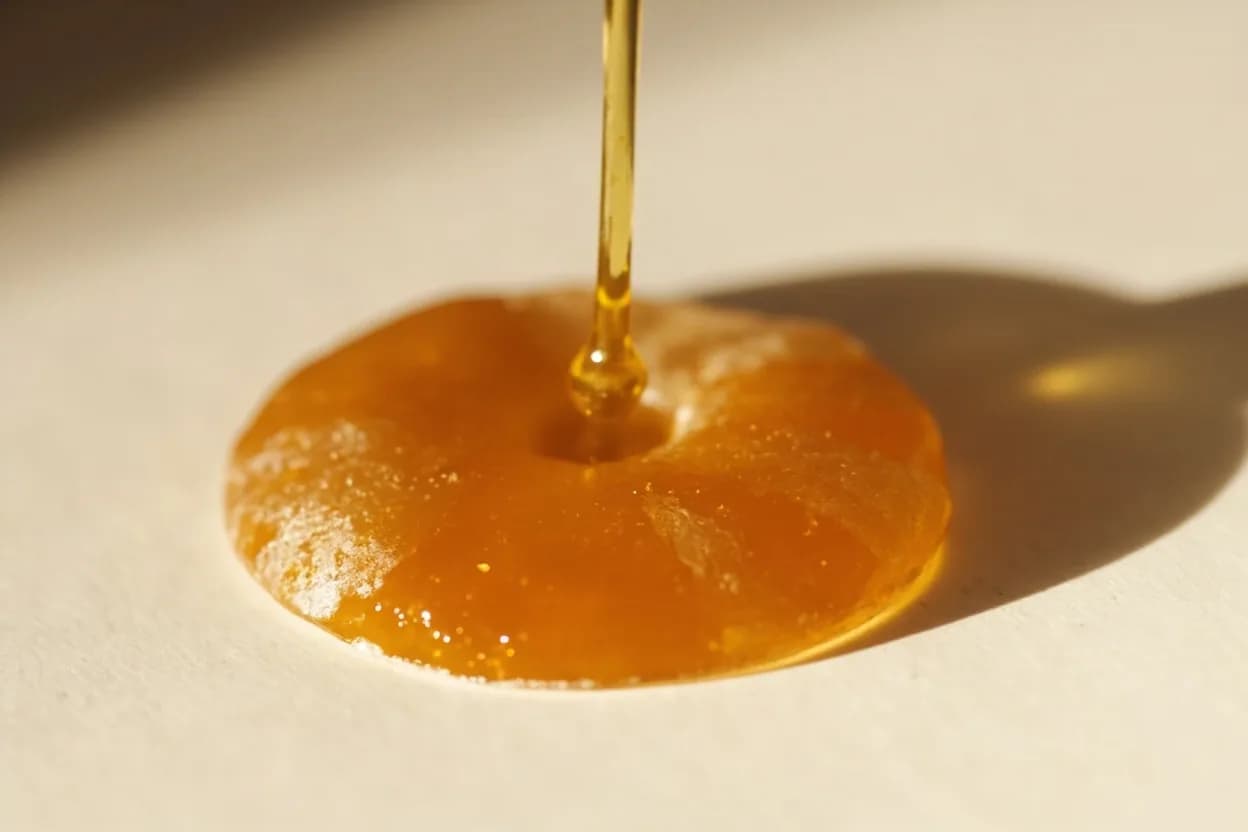
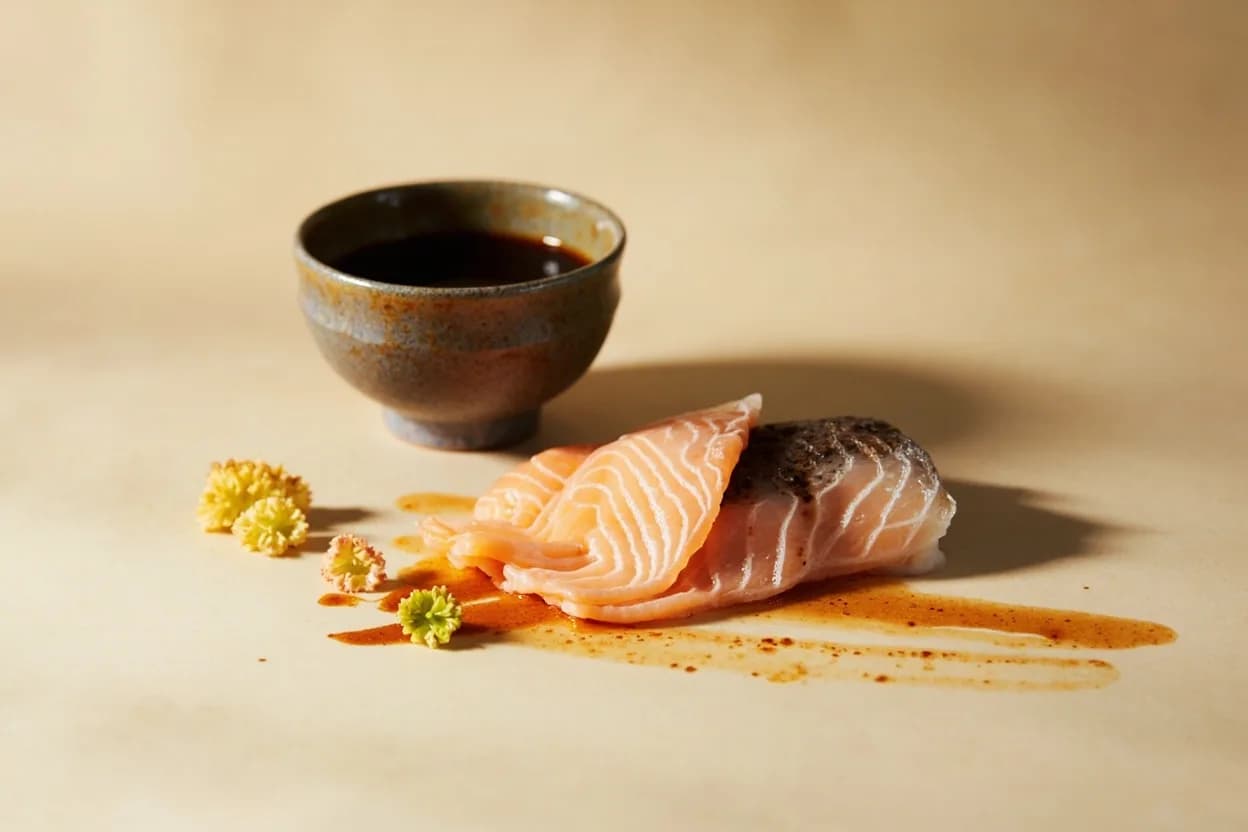
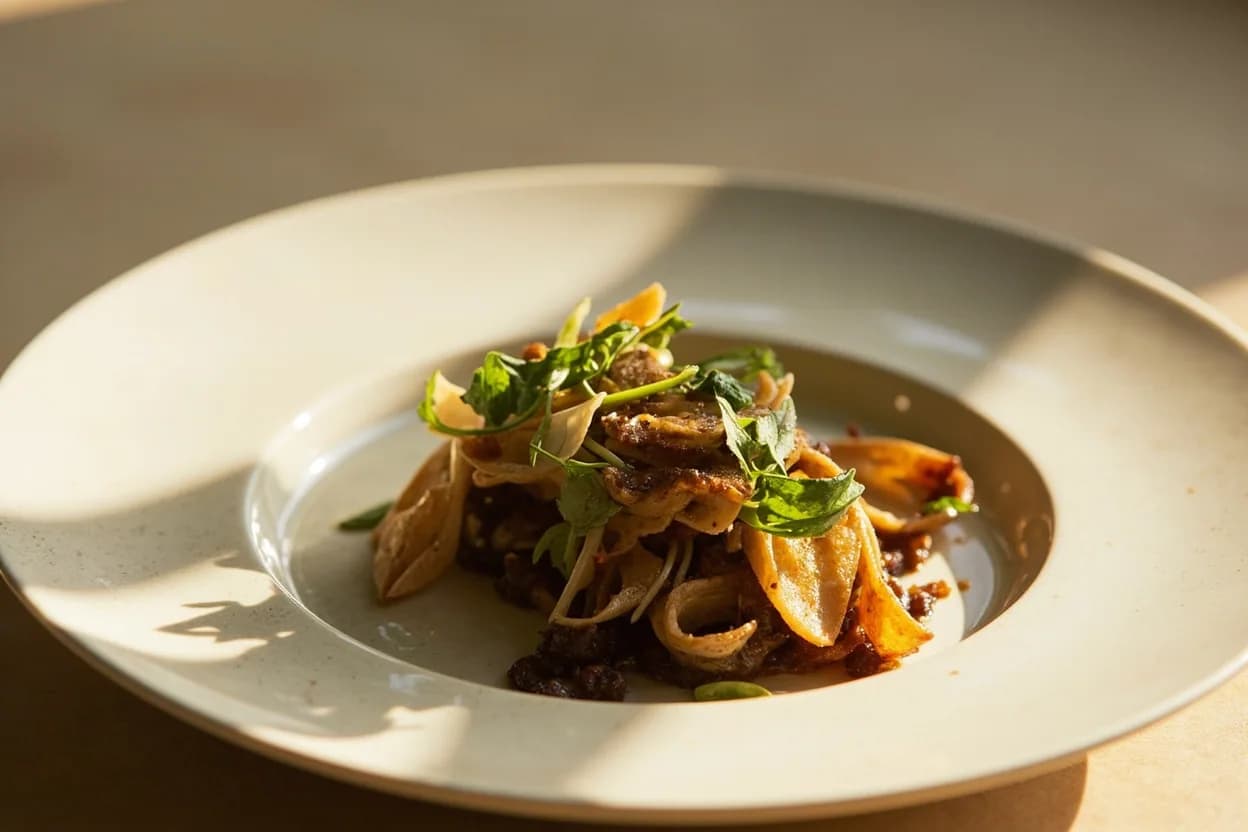
Mirin is a sweet Japanese condiment wine made from glutinous rice (mochigome), rice koji, and shochu. During months-long maturation, koji enzymes break down starches into sugars (primarily glucose and maltose), yielding a thick, honey-gold liquid at around 14% ABV and 40–50% residual sugar. Hon mirin (true mirin) is the premium form; mirin-fu chomiryo is a cheaper, non-alcoholic simulacrum. Mirin's distinctive contribution is a complex sweetness layered over fermented depth — richer and more nuanced than refined sugar, with caramelizing sugars that create glossy, lacquered surfaces on glazed proteins.
In photos
Flavour profile
Classic pairings
- Soy sauceJapanese
The foundational pairing: mirin's sweetness balances soy's salt, and together they caramelize on heat into the classic teriyaki glaze.
- SakeJapanese
In a 1:1 combination with soy, this trio forms the backbone of virtually every Japanese simmered and glazed dish — soba tsuyu, yakitori tare, oyakodon.
- Fish (salmon, yellowtail, mackerel)Japanese
Mirin's sugars create protective lacquer on oily fish during broiling, caramelizing into a glossy finish that traps moisture and counters the oil's richness.
- Daikon radishJapanese
Braised daikon simmered in dashi, soy, and mirin absorbs the sweet-savory liquid fully, becoming translucent and tender — a dish called furofuki daikon.
- DashiJapanese
Mirin softens the marine intensity of dashi in noodle broths (soba tsuyu, udon dashi), lending sweetness that rounds out the fermented soy notes.
- Chicken (yakitori)Japanese
Mirin and soy reduced into tare create the caramelized, sticky-sweet coating that gives yakitori its defining gloss and subtle char-sweetness.
- Egg yolk (tamago)Japanese
Tamagoyaki (sweet rolled omelette) relies on mirin to achieve its characteristic sweetness and the color of a well-seasoned egg.
Adventurous pairings
- Aged balsamic vinegar
Both are concentrated, aged, and sweet-sour; layering mirin and a few drops of aceto balsamico tradizionale in a glaze creates remarkable caramel complexity.
- Dark chocolate (70%+)
Mirin's rice-caramel sweetness amplifies chocolate's roasted notes; a mirin-soy-chocolate dipping sauce for fruit or ice cream is unexpected and compelling.
- Duck breast
Mirin's sugars caramelize against duck fat in ways similar to Chinese maltose glazes; brushed onto the skin before oven-roasting, it produces lacquered crispness.
- Strawberries
A brief maceration in mirin and a squeeze of yuzu elevates the fruit's sweetness without the cloying quality of refined sugar — a light dessert or breakfast preparation.
Mirin's sweetness smooths the bitterness of sesame paste into a glossy, pourable dressing for grilled vegetables or noodles — no added sugar needed.
Tread carefully
- Delicate raw preparations (sashimi, crudo)avoid
Mirin's sweetness and viscosity dominate the clean, fresh character of raw fish; it belongs in heat-applied glazes, not cold dressings over raw protein.
- Bitter greens (radicchio, endive) in saladsavoid
The fermented sweetness of mirin clashes with bitter greens in a cold context — it amplifies bitterness rather than counterbalancing it.
- Lemon-dressed dishesavoid
High acid from lemon battles mirin's sweetness inconclusively; the result is cloying-sour rather than balanced. Rice vinegar is the acid partner of choice.
How to use it
- Glazing: brush onto protein or tofu during the final minutes of broiling or grilling; sugars caramelize rapidly over direct heat
- Reduction: simmer mirin with soy (and sake) until syrupy to make tare — versatile concentrated sauce for noodles, rice, skewers
- Tenderizing: add to simmering liquids with firm vegetables (root vegetables, konnyaku); sugars penetrate the cell walls and soften texture
- Seasoning vinegared rice: a small amount in sushizu (sushi vinegar mix) rounds out the sharpness without excess sweetness
- Deglazing: splash into a hot pan after searing fish to pick up fond and form an instant sauce with the residual protein
Appears in
Related flavours
Mirin's constant co-ingredient — sake provides umami and thins mirin's body; together they build virtually all Japanese tare
The sweet counterpart: soy provides salt and savoriness, mirin provides sweetness and gloss — inseparable in teriyaki logic
Mirin softens and sweetens dashi-based broths across all Japanese cuisine streams
Used alongside mirin in sushi rice and dressings; vinegar's acid and mirin's sweetness balance each other
References
- 1.Japanese Farm Food — Nancy Singleton Hachisu
- 2.Japanese Soul Cooking — Tadashi Ono & Harris Salat
- 3.The Japanese Kitchen — Hiroko Shimbo
- 4.On Food and Cooking: The Science and Lore of the Kitchen — Harold McGee
Confidence: high
Notes
Hon mirin vs. aji mirin
Only hon mirin (真みりん) contains real fermented sugars and the amino-acid complexity that makes a glaze caramelize properly. The cheaper aji-mirin or mirin-fu chomiryo are corn-syrup-based simulations — they sweeten, but they don't caramelize the same way and lack the fermented depth. If a recipe needs mirin to build a glaze, use hon mirin.
Sugar behavior in cooking
Mirin's glucose-heavy sugar profile caramelizes at lower temperatures than sucrose — around 160°C versus 185°C. This means glazed proteins brown earlier, requiring attention to avoid scorching. The reward is a deeper, more complex caramel flavor at lower heat.