Alcohols & Vinegars
Sake
Also: nihonshu, Japanese rice wine, ryorishu
Japan's fermented rice wine — clean, subtly sweet, and packed with umami-amplifying amino acids.
Sake is a brewed Japanese rice wine produced by fermenting polished rice with koji mold (Aspergillus oryzae) and yeast. Unlike wine, starch is simultaneously converted to sugar and then alcohol in a parallel fermentation. The resulting liquid ranges from dry and austere (junmai daiginjo) to round and lightly sweet (honjozo). Its signature character is clean alcoholic warmth underpinned by a pronounced umami depth — the amino acids from koji breakdown make sake one of the most potent flavor amplifiers in the pantry.
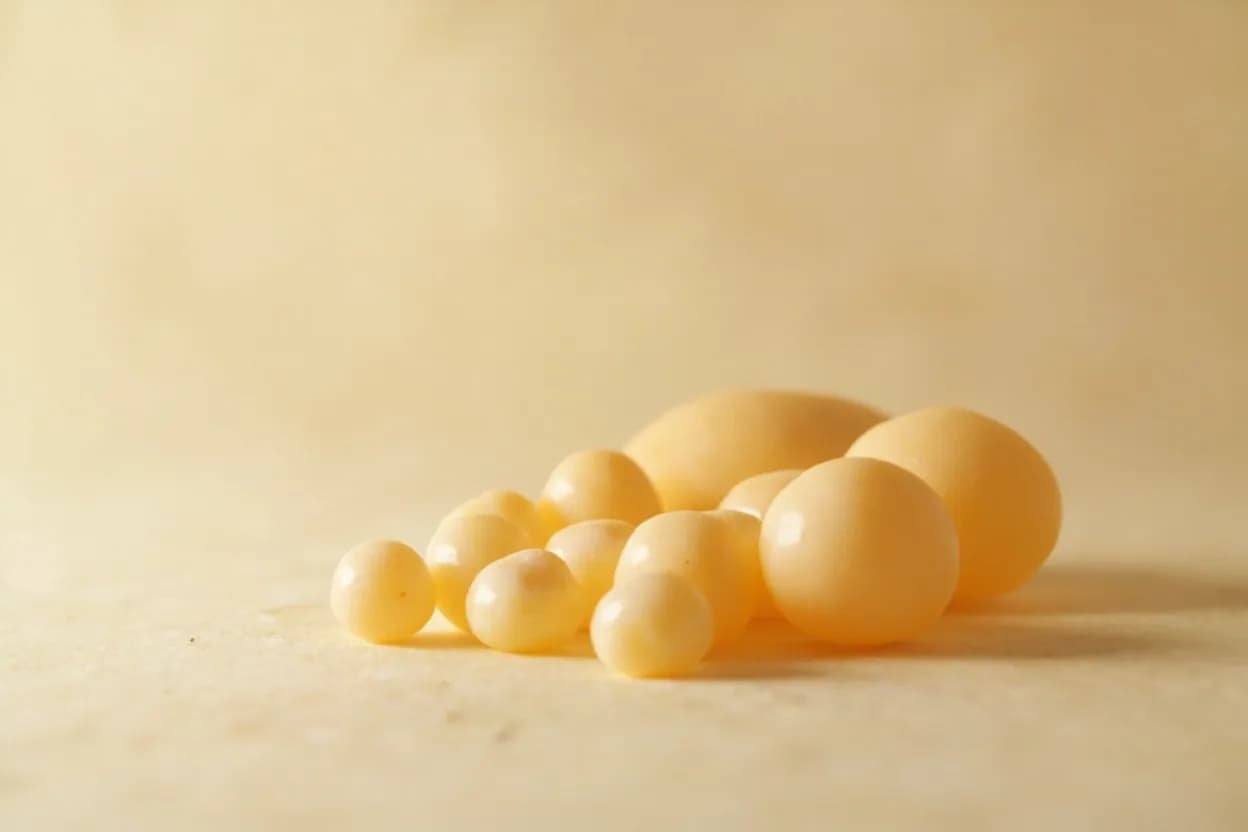
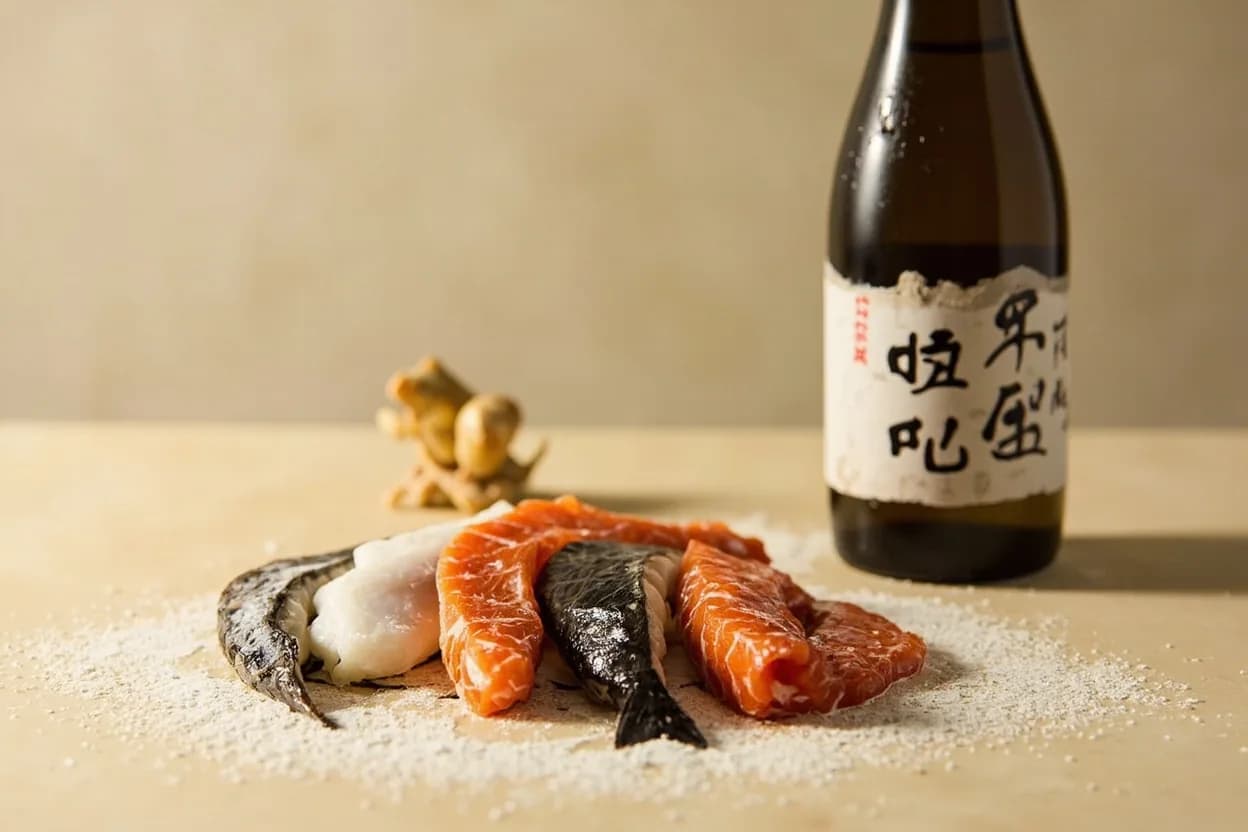
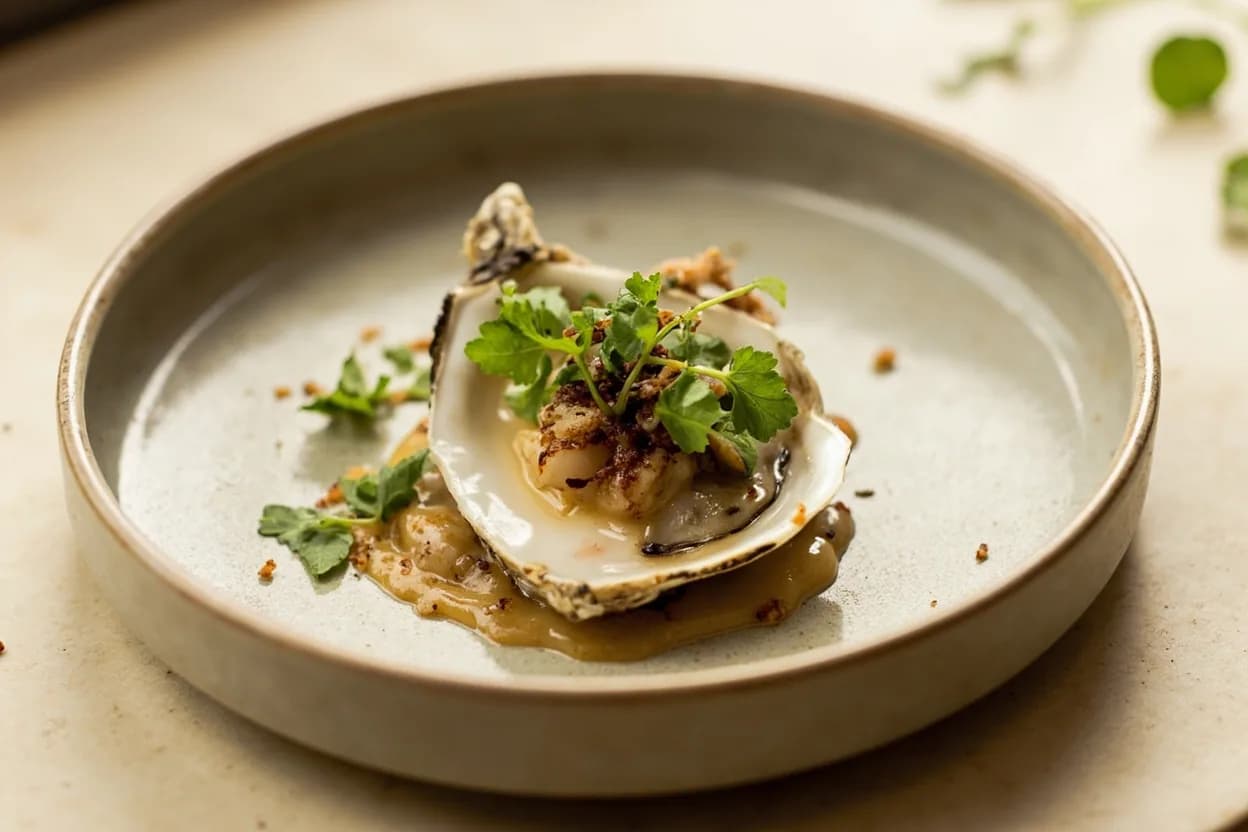
In photos
Flavour profile
Classic pairings
- Fish and seafoodJapanese
Sake's amino acids reinforce the natural umami of raw and cooked fish; its low acid and absence of tannin avoid clashing with delicate proteins.
- Soy sauceJapanese
Sake and soy are the backbone of tare, teriyaki, and yakitori glazes — the alcohol carries volatile aromatics while soy provides salt and depth.
- GingerJapanese
Used together in marinades for pork and fish; sake softens ginger's sharpness while ginger's spice cuts sake's sweetness.
- MisoJapanese
Sake is stirred into miso-glazed preparations (misozuke, miso-marinated cod) to thin the paste and temper its saltiness while reinforcing fermented depth.
- Dashi (kombu and bonito)Japanese
Sake added early to simmering dashi evaporates its alcohol and leaves behind umami compounds that stack with those of kombu and katsuobushi.
- Mushrooms (shiitake, maitake)Japanese
Both sake and mushrooms are rich in guanylates and glutamates — together they achieve umami synergy, deepening broths and sautéed preparations.
- TofuJapanese
Sake acts as a soaking and poaching medium for silken tofu, lending gentle flavor and helping the curd stay cohesive during heating.
Adventurous pairings
- Oysters (raw with sake mignonette)
Replace wine vinegar with sake and a splash of rice vinegar for a mignonette that amplifies the oyster's brine rather than competing with it.
- White chocolate
High-end junmai daiginjo's fruity esters mirror white chocolate's vanilla-lactone profile; a sake ganache or sake-poached pear with white chocolate sauce is elegant.
- Prosciutto or aged ham
The dry, mineral quality of junmai sake cuts through cured meat fat in a way similar to champagne, creating a clean, savory-sweet contrast.
- Clams (western-style steamed)
Substitute sake for white wine when steaming clams with garlic and butter — the umami depth reinforces the briny clam liquor more than wine can.
Aged nigori (cloudy) sake's creamy sweetness bridges the pungency of blue cheese, a pairing explored in contemporary Japanese-Western fusion.
Tread carefully
- Heavy red-wine braisesavoid
Sake's delicate amino-acid sweetness is overwhelmed by the tannins and iron-rich intensity of long-cooked red meat braises; red wine is the appropriate match.
- Vinegar-heavy dressingsavoid
Sake's low acidity is erased in high-acid contexts; the subtlety is lost and the combination tastes flat and thin.
- Strong chili heatavoid
Capsaicin amplifies the perception of alcohol in sake, making even moderate alcohol levels taste harsh and hot.
How to use it
- Marinating: sake denatures surface proteins on fish and poultry, reducing fishy odor compounds (trimethylamine) while seasoning the flesh
- Deglazing: add to a hot pan after searing to lift fond; alcohol evaporates quickly, leaving behind rice-grain umami
- Steaming: place a cup of sake in the steamer water to impart subtle aroma to fish or shellfish
- Poaching: simmer delicate fish fillets in diluted sake (sake + dashi 1:1) for gentle, aromatic cooking
- Reduction for glazes: reduce sake with mirin and soy to a syrupy tare for yakitori, teriyaki, or tsukune
Appears in
Related flavours
Sake's constant culinary companion — together they form the sweet-savory backbone of Japanese glazes and simmered dishes
The third leg of the Japanese flavor trinity alongside sake and mirin
Used alongside sake in marinades and dressings to add the acid that sake lacks
China's analogous fermented rice wine — a useful substitute in cross-cultural applications
References
- 1.The Sake Handbook — John Gauntner
- 2.Japanese Farm Food — Nancy Singleton Hachisu
- 3.On Food and Cooking: The Science and Lore of the Kitchen — Harold McGee
- 4.Nobu: The Cookbook — Nobuyuki Matsuhisa
Confidence: high
Notes
Cooking sake vs. drinking sake
Ryorishu (cooking sake) has added salt, which limits its range. Premium drinking sake — even a modest junmai — produces noticeably better results in the kitchen. Use the grade you'd be content to pour a small cup of.
Umami synergy
Sake contains free glutamates and inosinate precursors from koji fermentation. Combined with soy sauce (glutamate) or kombu dashi (glutamate + inosinate), it achieves umami synergy — a multiplicative rather than additive flavor effect documented in Ikeda's original umami research.