Fermented Pastes & Sauces
Cheonggukjang
Also: 청국장, Korean quick-fermented soybean paste, fast doenjang
Korea's most pungent fermented paste — short-aged whole soybeans with an earthy, ammonia-edged intensity that anchors the deepest winter stews.
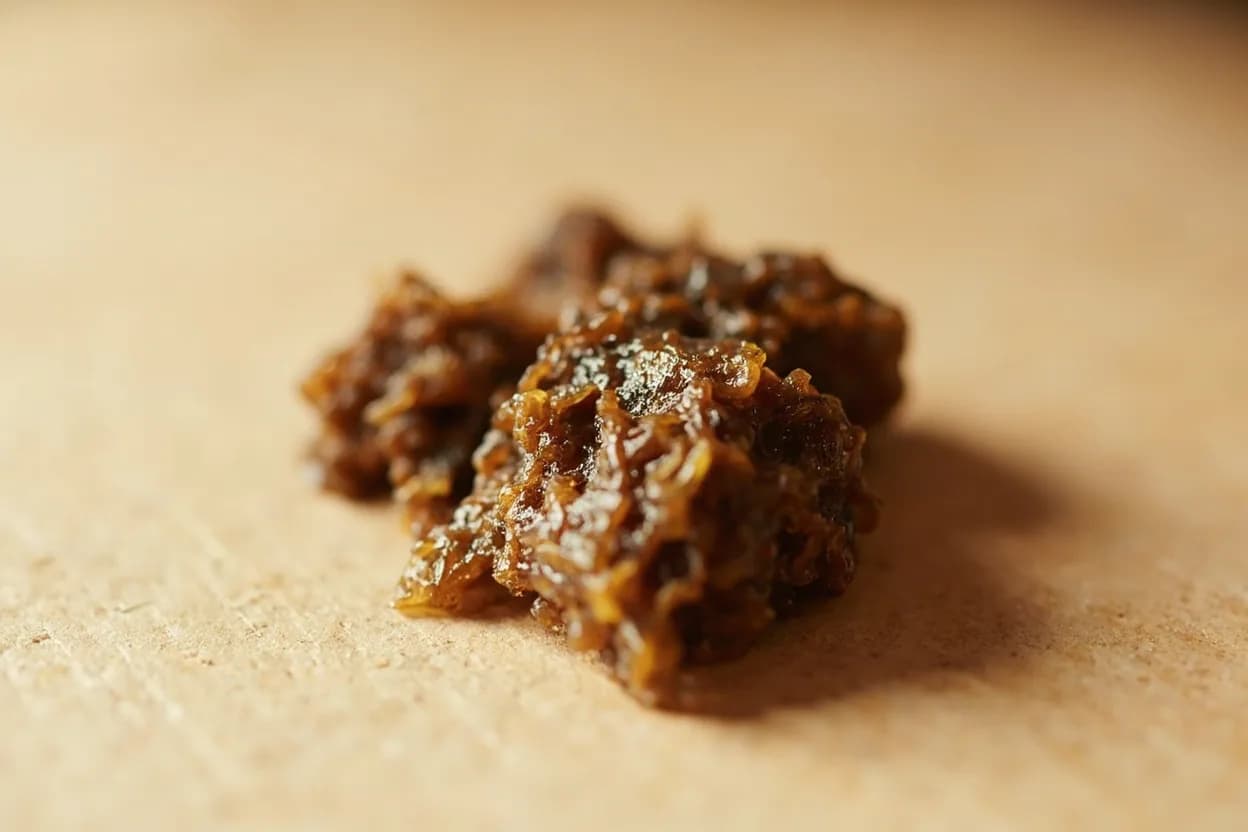
Cheonggukjang (청국장) is a Korean fermented soybean paste produced by fermenting cooked whole soybeans at warm temperature for 2–3 days — compared to doenjang's months-long process. The short fermentation is driven primarily by Bacillus subtilis var. natto (the same bacterium as Japanese natto), which produces characteristic stringy, viscous threads between the beans and generates a sharp, ammonia-tinged, barn-like aroma that is among the most polarizing in fermented food culture. Despite this intensity, cheonggukjang is nutritionally dense (high in vitamin K2, probiotics, nattokinase, and glutamates) and has been a cold-weather staple in Korean cuisine for centuries. Its flavour compounds mellow significantly when cooked into stew (jjigae), transforming the raw punch into savory, warming depth. It is sold as whole fermented beans with liquid, or as a dry powder (for those less committed to the fresh version's potency).
In photos
Flavour profile
Classic pairings
- Kimchi (napa cabbage)Korean
The acid and spice of aged kimchi cut through cheonggukjang's ammonia edge and starch, creating the backbone of cheonggukjang jjigae — each tempering the other's extremes.
- Tofu (firm)Korean
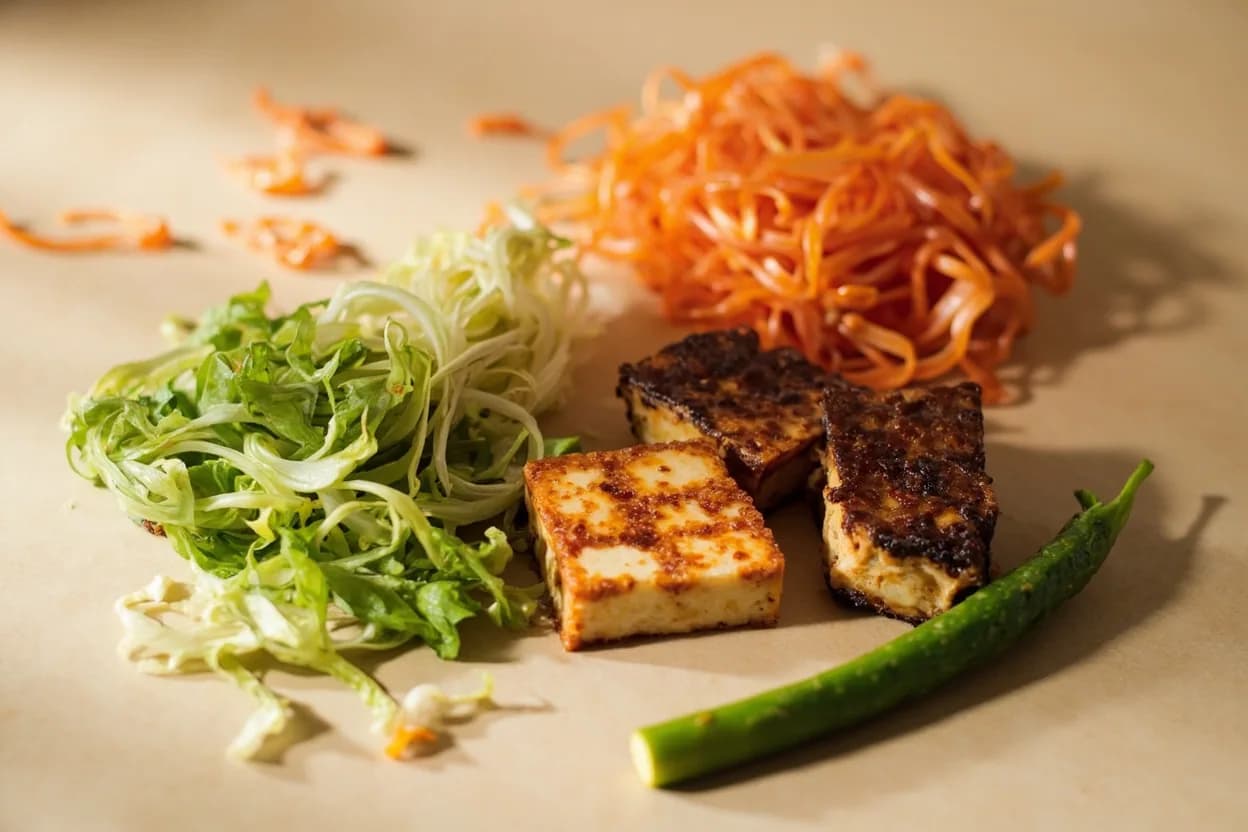
Cubes of firm tofu absorb the stew's intensely savory broth while contributing protein and a mild, creamy contrast to the paste's sharpness.
- Zucchini (aehobak)Korean
Korean zucchini's mild sweetness and soft texture after simmering provides the essential neutral bulk in cheonggukjang jjigae, absorbing flavor without competing.
- Garlic and green onionKorean
These aromatics are added at the start and again at the end of cooking cheonggukjang jjigae; they provide fresh allium notes that lift and balance the stew's heavy fermented weight.
- Steamed short-grain riceKorean
Cheonggukjang jjigae is always served with rice; the starchy neutrality of Korean rice is the essential counterpoint to the stew's concentrated umami intensity.
- Dried anchovies (myeolchi) for brothKorean
The classic base for cheonggukjang jjigae is a myeolchi-dashima (anchovy-kelp) stock; its clean seafood umami provides the liquid medium without muddying the paste's character.
Adventurous pairings
- Ramen broth base
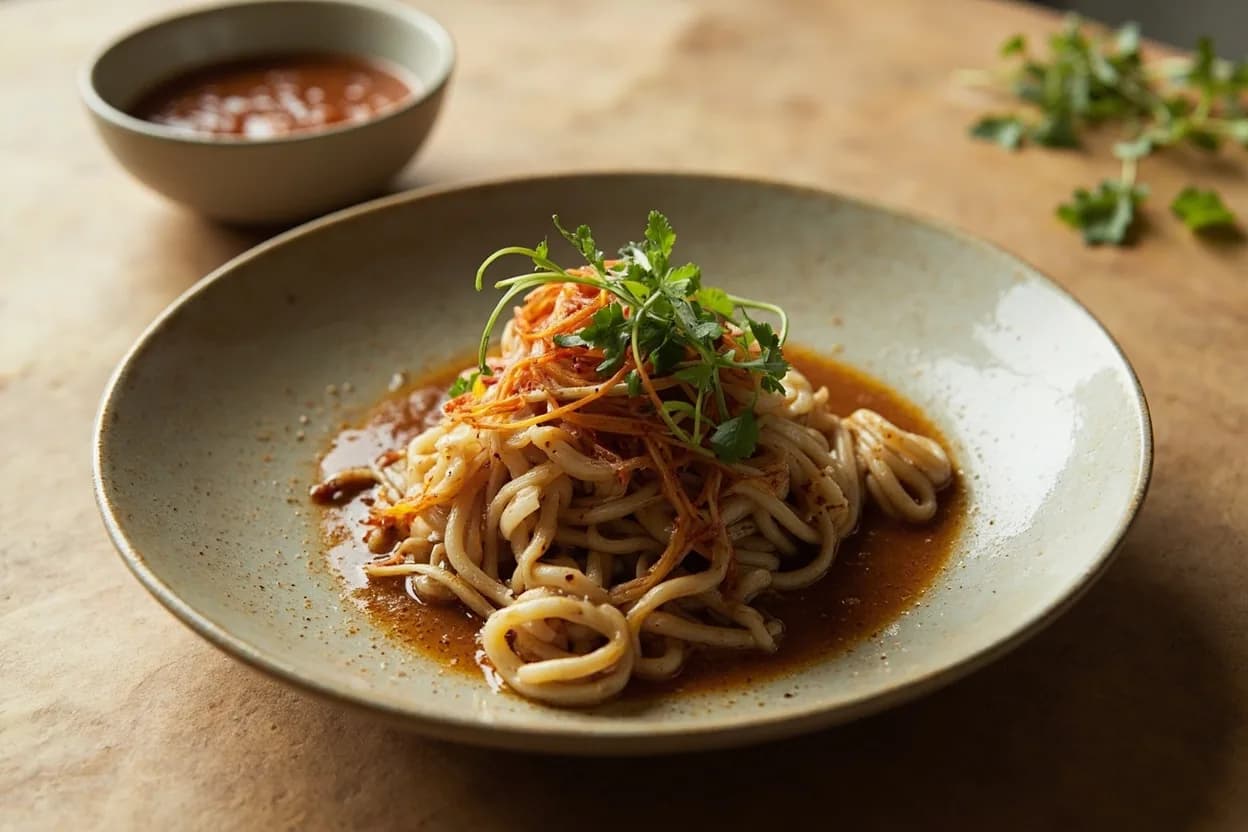
A spoonful dissolved into a tonkotsu or chicken broth adds deep fermented soy umami that rivals aged miso; the stringy texture disperses in hot liquid, leaving only flavor.
- Potato (gamja)
Waxy potatoes simmered in cheonggukjang jjigae absorb the stew's funky broth and become silky; the starch in potato also rounds the paste's sharper volatile notes.
- Mushrooms (shiitake, king oyster)
Both cheonggukjang and dried mushrooms are high in glutamates — combining them creates an umami stack that surpasses either alone, with the mushrooms adding a woodsy-earthy complement to the paste's funk.
- Natto on rice
For fermented soybean enthusiasts: mixing a small amount of cheonggukjang into natto before serving over rice doubles the viscous, umami-rich intensity and introduces the Korean paste's deeper savory notes.
Tread carefully
- Raw or cold applicationsavoid
Unlike doenjang which can flavor cold preparations, cheonggukjang's raw ammonia aroma is overwhelming without heat; it must be cooked to temper its most aggressive volatiles.
- Delicate white fishavoid
The paste's pungency is so dominant that it completely masks the subtle sweetness and texture of fine-fleshed fish; pair with heartier ingredients that can hold their own.
- Cream or butteravoid
Western dairy fat has no culinary tradition with cheonggukjang and the combination produces muddy, clashing flavors; the lactic character of dairy competes with the fermentation acids.
How to use it
- Always cook cheonggukjang in a stew or braise — heat tames the ammonia volatiles and develops the paste's savory depth
- Add it late in cooking, simmering for only 5–10 minutes to preserve probiotics if health benefits are important
- Dissolve the paste directly into simmering broth rather than frying it like doenjang; it does not require oil bloom
- For first-time cooks: start with a smaller amount and adjust to taste — intensity varies significantly by brand and fermentation time
- Store fresh cheonggukjang refrigerated and use within 1–2 weeks; the ammoniated aroma intensifies with age
Appears in
Related flavours
The longer-fermented sibling — less pungent, deeper, and more versatile; used in many of the same contexts but with very different intensity
Japan's B. subtilis-fermented soybean product, nearly identical in microbiology but different in seasoning and culinary use
The essential co-ingredient in cheonggukjang jjigae; the acid of kimchi and the funk of the paste are in symbiosis
- Miso (hatcho)
Aged hatcho miso is the closest Japanese analogue in depth of fermented soybean umami, though without the ammonia edge
References
- 1.The Korean Table — Taekyung Chung (Tuttle Publishing, 2008)
- 2.My Korea — Hooni Kim (W. W. Norton, 2020)
- 3.Fermented Foods of the East — David Zilber & collaborators (fermentation science context)
- 4.Korean Food Culture Series — National Institute of Korean History (한국학중앙연구원)
Confidence: high
Notes
The pungency question
Cheonggukjang is genuinely one of the world's most pungent fermented foods — Korean food culture has a well-documented practice of cooking it with windows open and informing apartment neighbors. This is not hyperbole. The ammonia and sulfur volatiles produced by B. subtilis during the short, warm fermentation are thermolabile — they cook off — which is why the finished stew is savory and warming rather than offensive. Raw cheonggukjang smells far more aggressive than it tastes in a finished dish.
Nutritional tradition
Unlike many fermented condiments, cheonggukjang has a parallel identity as a health food in Korean tradition (and modern nutraceutical research), high in nattokinase, isoflavones, and probiotic bacteria. The short fermentation preserves more of the intact isoflavone content than longer doenjang fermentation. This has made it a dietary staple particularly among older Koreans and is why it appears in traditional hanjeongsik (Korean table d'hôte) cuisine.