Fats, Pastes & Condiments
Char Siu Sauce
Also: 叉烧酱, Cantonese BBQ sauce, Chinese roast pork sauce, hoisin-based BBQ glaze
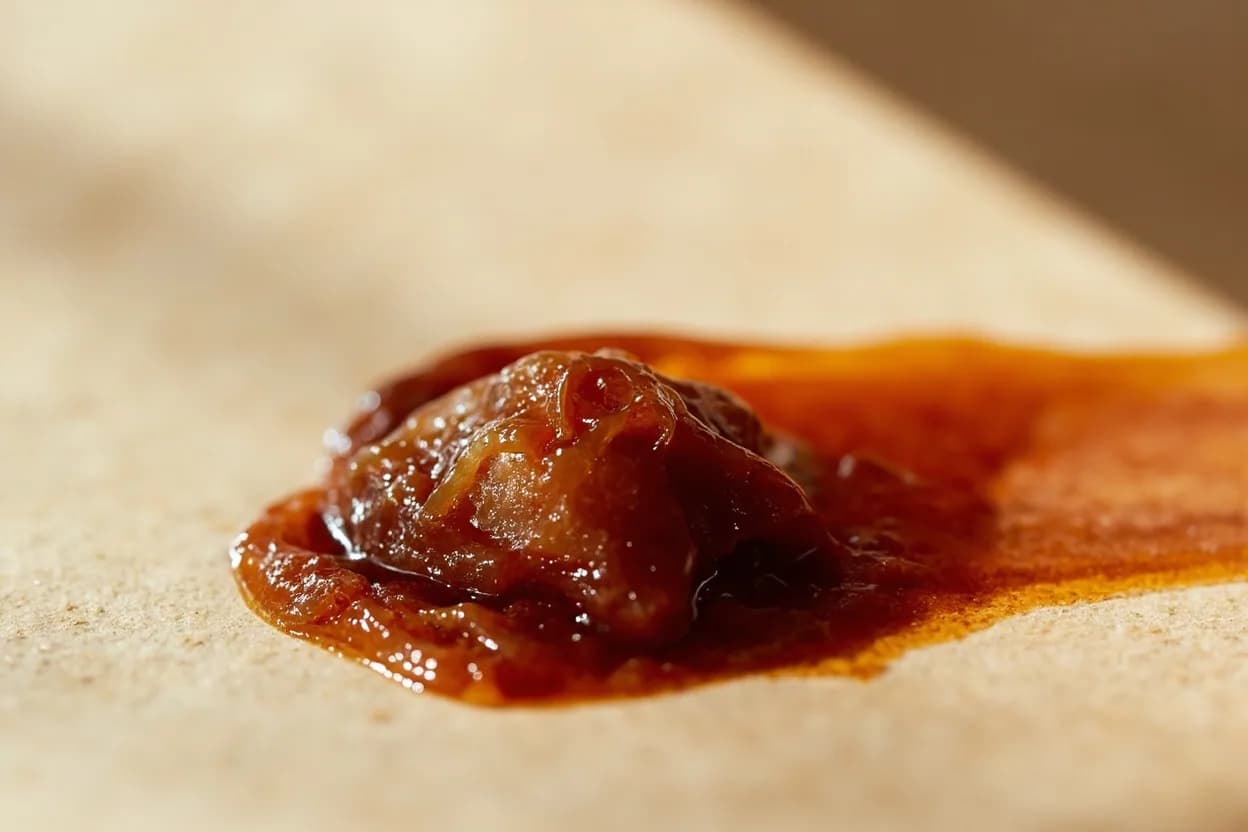
The lacquered soul of Cantonese roast culture — sweet, savory, and umami in a mahogany glaze that caramelizes to glass on pork.
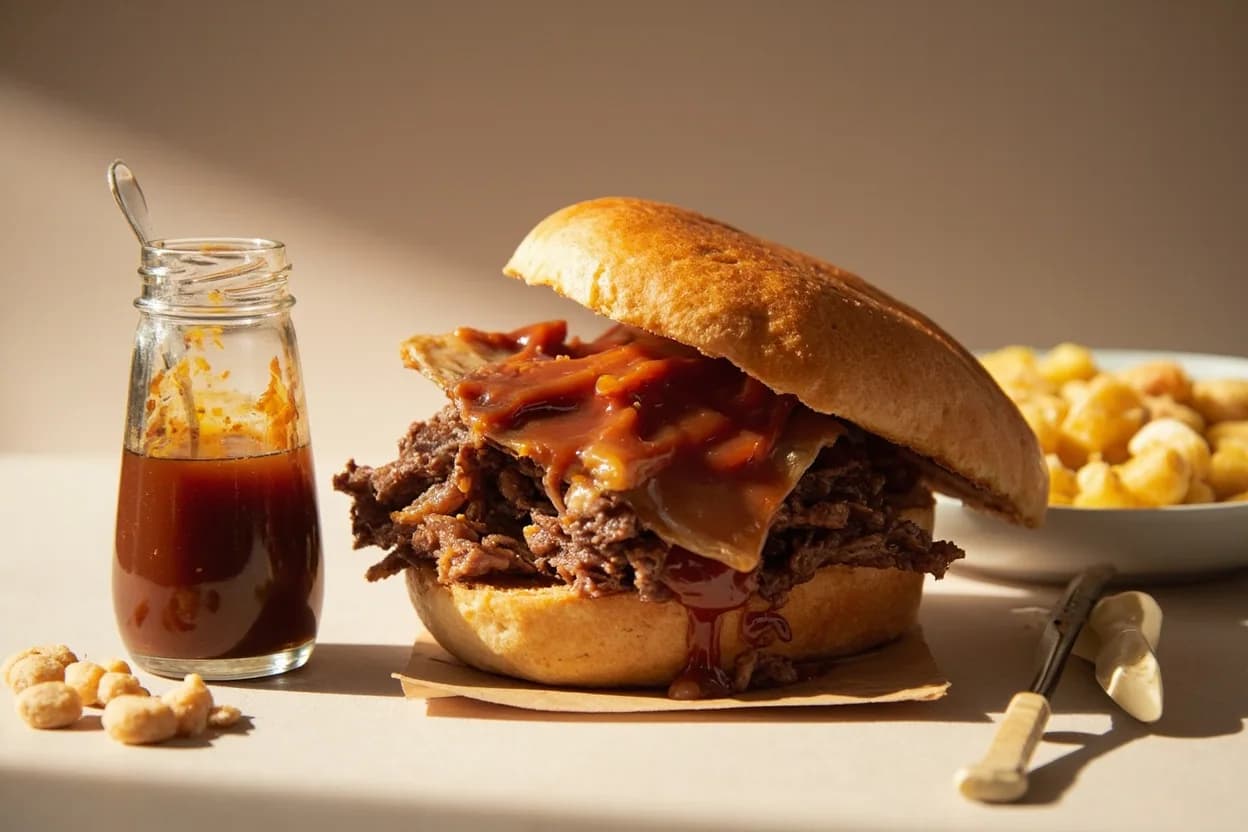
Char siu sauce (叉烧酱) is a thick, reddish-brown Cantonese condiment and cooking sauce built on a foundation of hoisin sauce, honey or maltose, soy sauce, Shaoxing rice wine, five-spice powder, garlic, and red fermented tofu (nam yue) for color and funky depth. It is used as a marinade and glaze for char siu (Cantonese BBQ pork), imparting the characteristic sweet-savory lacquered crust. The sauce balances three axes: sweetness from honey/maltose, saltiness and umami from soy and hoisin, and complexity from five-spice and fermented tofu. Bottled versions (Lee Kum Kee being the standard reference) simplify this; restaurant-made sauces are more aromatic and slightly fermented-funky.
In photos
Flavour profile
Classic pairings
- pork shoulder (Boston butt)Cantonese Chinese
The canonical application: pork shoulder's fat content allows the sugar-heavy sauce to caramelize without burning during the long roast, producing the mahogany crust and juicy interior of authentic char siu.
- pork bellyCantonese Chinese
Pork belly char siu is richer than shoulder, with alternating fat layers that baste the meat internally while the glaze caramelizes externally — a more indulgent Cantonese BBQ variant.
- bao (steamed or baked char siu bao)Cantonese dim sum
Char siu filling — diced pork glazed with the sauce — is the definitive dim sum filling; the sweet-savory pork against a fluffy steamed or golden-baked bun is an architectural pairing.
- wonton and egg noodlesHong Kong
A char siu topping on wonton noodle soup or dry-tossed egg noodles is the Cantonese noodle shop standard — the glaze flavors the broth or toss sauce when the pork is sliced over.
- fried riceCantonese Chinese
Diced char siu pork is the most common protein addition in Cantonese fried rice; the caramelized glaze residue flavors the oil and seasons the rice.
- spring rolls and egg rolls
Char siu pork as a filling ingredient in spring rolls delivers the sauce's sweet-umami notes in compact, fried form.
- char siu pizza (Hong Kong style)Hong Kong
Hong Kong's cha chaan teng culture has produced a char siu pizza variant that is both earnest and structurally sound — the tomato base and cheese amplify the caramelized pork glaze's sweetness.
Adventurous pairings
- salmon fillet glaze
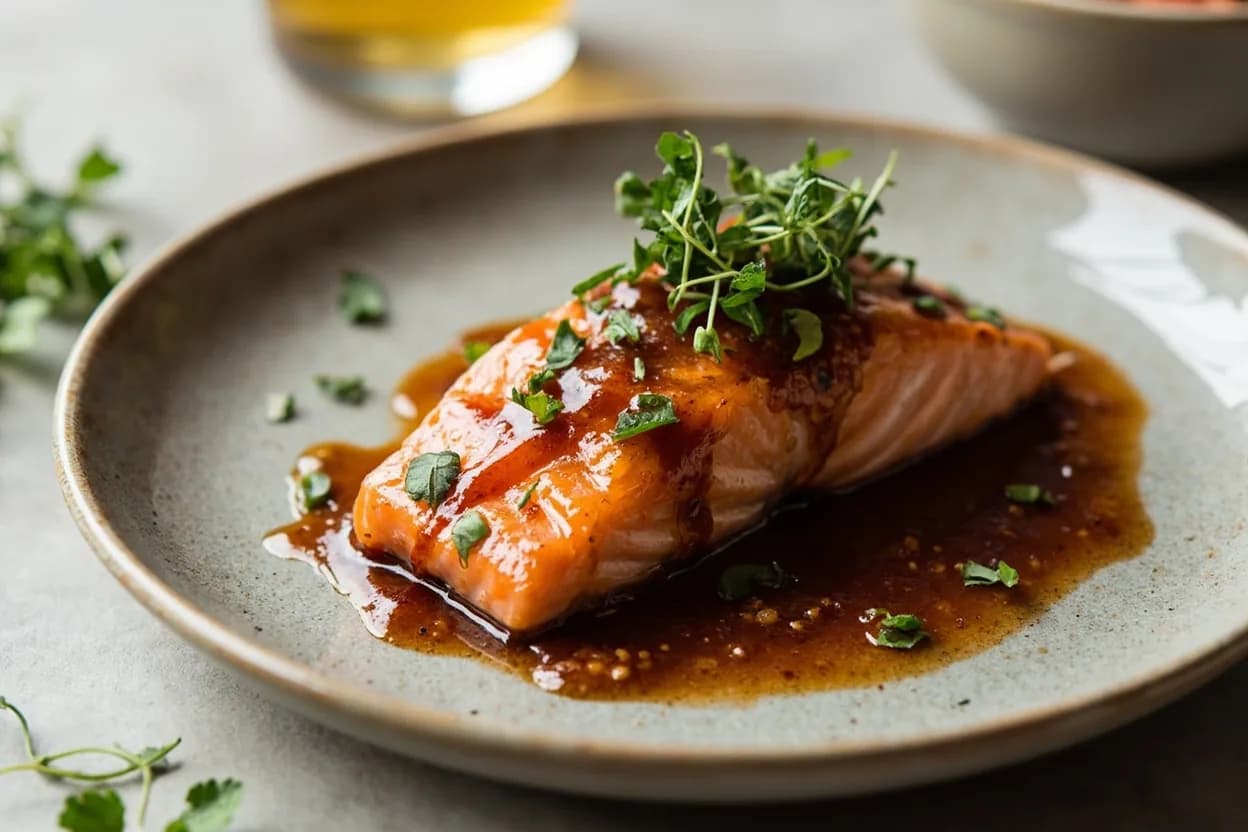
Char siu sauce applied as a glaze to salmon — roasted or broiled — caramelizes quickly and creates a lacquered crust with five-spice complexity that mirrors the Cantonese treatment of roast pork.
- eggplant (aubergine)
Roasted or wok-charred eggplant absorbs char siu sauce well — the smoky flesh takes on the sweet-umami glaze and five-spice warmth, producing a convincing vegetarian 'char siu' used across Chinese vegetarian restaurants.
- grilled chicken wings
American-style chicken wings glazed with char siu sauce and finished under a broiler achieve a lacquered finish indistinguishable in appearance from classic char siu; the poultry fat amplifies the sauce's caramelization.
- pork ribs (char siu rack)
American BBQ ribs finished with char siu sauce instead of tomato-based sauce produce a sweet-spiced East-West hybrid with an intensely glossy glaze — common in Chinese American restaurants.
Tread carefully
- delicate white fish (sole, flounder)avoid
The aggressively sweet and deeply savory sauce overwhelms mild white fish — a light ginger-scallion preparation is more appropriate.
- lamb (traditional pairings)avoid
Five-spice in char siu sauce and lamb's own funky fat create a compound of competing strong flavors without resolution — cumin and Xinjiang spicing are better matched to lamb.
- very fatty duck confitavoid
The already rich duck confit fat renders the sauce cloying rather than lacquered — char siu techniques belong on leaner or moderately fatty proteins where caramelization can cut through.
How to use it
- Marinate pork overnight minimum (12–24 hours) for the sauce to penetrate and the sugars to begin breaking down the muscle fibers
- Glaze in layers: apply a thin coat every 15 minutes during roasting for a deep lacquer rather than a single thick coat that burns
- Caramelize under a high broiler at the end of roasting (2–3 minutes) to achieve the characteristic char — char siu literally means 'fork roasted' and implies a slight char on the edges
- Rest glazed meat 10 minutes before slicing — the glaze firms as it cools and slices cleanly
- Use the marinade drippings as a dipping sauce base: deglaze the pan with a little water and strain
Appears in
Related flavours
The primary building block of char siu sauce — hoisin alone is a simpler, less caramelized version of the same flavor axis
The aromatic backbone of char siu; used as a standalone marinade ingredient in many Cantonese preparations
- Red Fermented Tofu (Nam Yue)
The funky, umami-rich colorant that distinguishes authentic char siu sauce from simplified bottled versions
References
- 1.The Food of China — E.N. Anderson
- 2.Complete Chinese Cookbook — Ken Hom
- 3.Hong Kong Food Culture — Sidney Cheung (ed.)
- 4.The Woks of Life — Bill, Judy, Sarah, and Kaitlin Leung
Confidence: high
Notes
Maltose vs. honey
Traditional char siu uses maltose (麦芽糖, malt sugar) rather than honey as the primary sweetener. Maltose is less hygroscopic than honey, sets to a harder, glossier lacquer at high heat, and has a cleaner, less floral sweetness. Honey is a practical home substitute but the glaze will be slightly stickier and more prone to burning. Professional Cantonese BBQ shops use maltose exclusively; home cooks and most bottled sauces default to honey or corn syrup.
Red color sources
The vivid red-mahogany color of char siu comes from two traditional sources: red fermented tofu (nam yue, 南乳) and red yeast rice or red food coloring. Modern restaurant char siu often uses red food coloring (FD&C Red No. 40) for consistency; traditional preparations rely on nam yue and natural caramelization. The color should be read as dark mahogany at the char, fading to deep rose in the interior — not day-glo red all the way through, which signals excessive coloring.