Smoke & Fire
Cherry Wood Smoke
Also: cherrywood smoke, cherry smoke, wild cherry wood
Fruitwood smoke with a painter's touch — the mahogany colorist of the BBQ world, as beautiful as it is delicious.
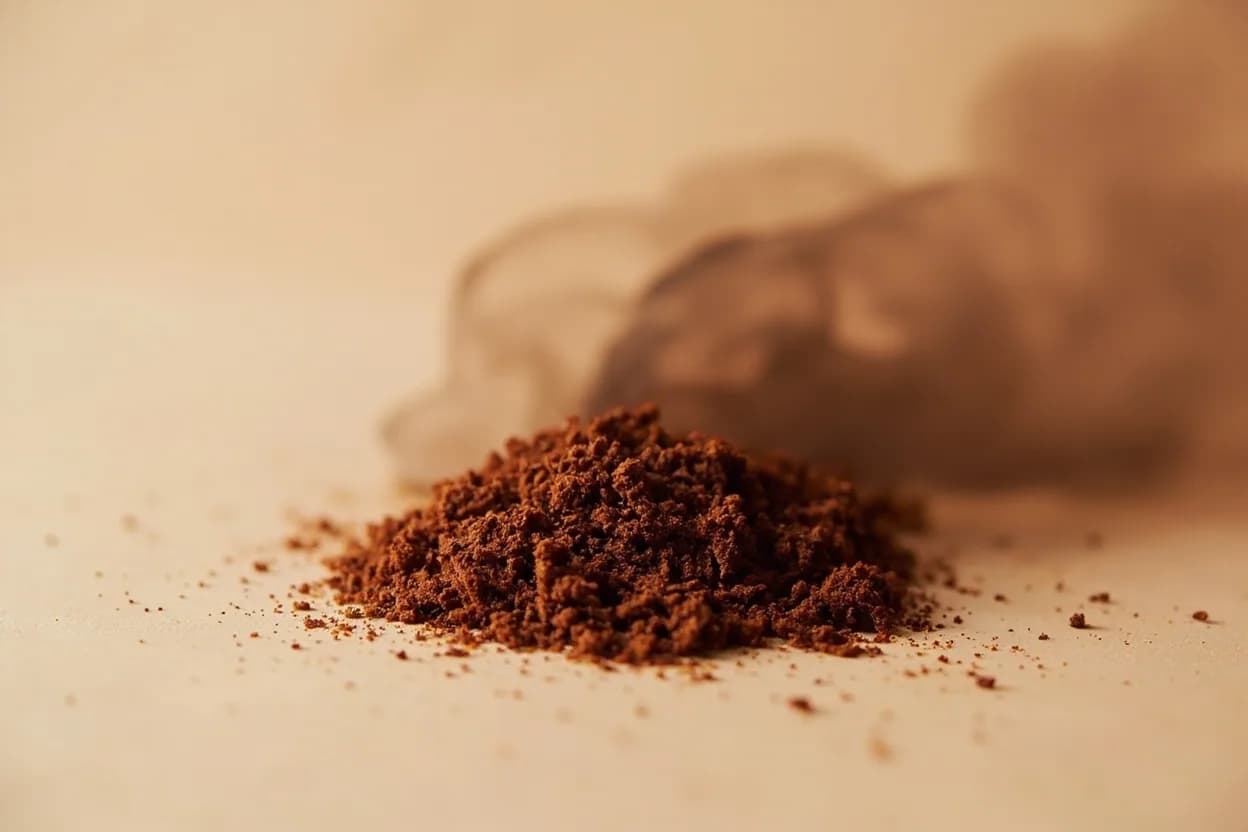
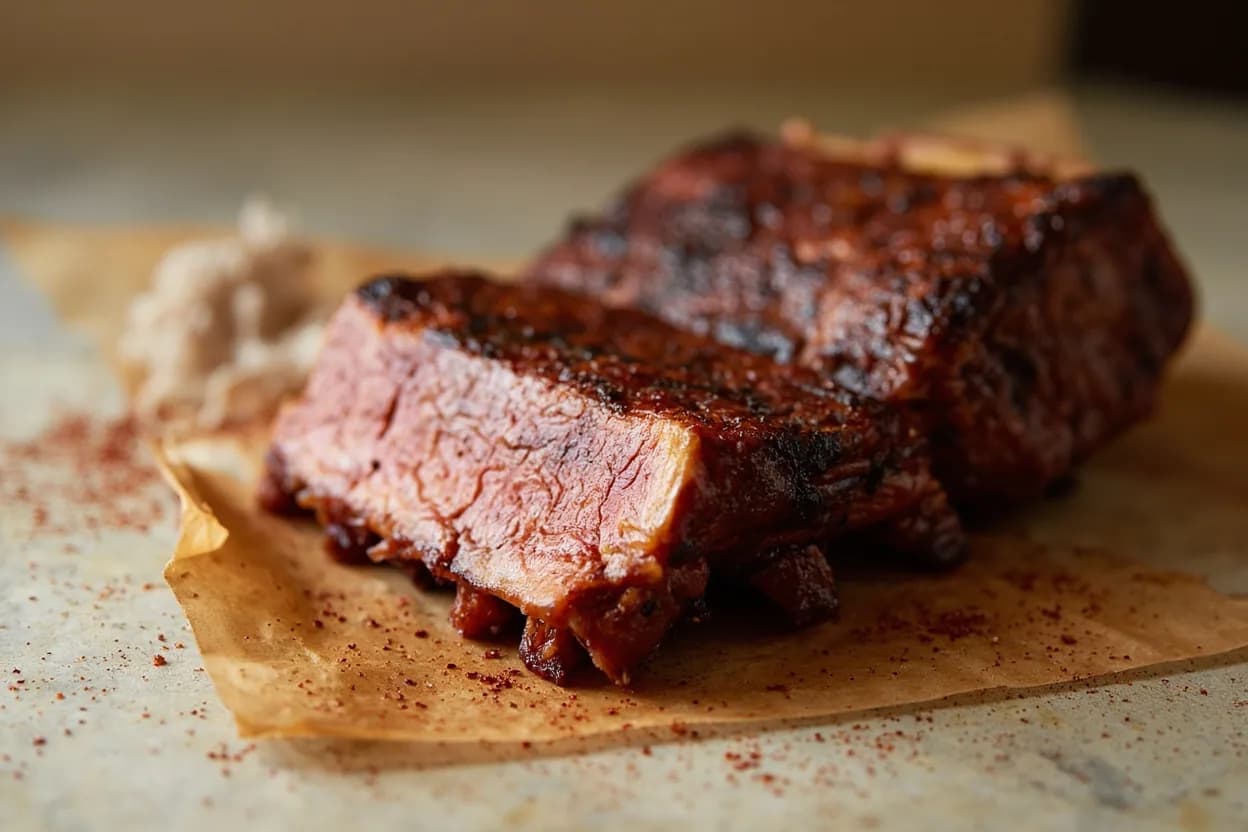
Cherry wood (Prunus avium, P. serotina) produces a sweet, mild smoke with slightly more depth and a subtly tart fruitiness compared to applewood. Its most distinctive contribution is aesthetic: cherry smoke stains proteins a rich, dark mahogany that reads as a deep, professional smoke ring and a burnished, lacquered bark. The flavor is gentle — a sweet, fruit-forward quality with a wisp of almond from the wood's cyanogenic compounds (utterly safe at cooking temperatures) — making it a prized blending wood that adds color and complexity without aggression. It is especially revered for pork, duck, game birds, and charcuterie.
In photos
Flavour profile
Classic pairings
- Pork baby back ribsAmerican BBQ
Cherry is the preferred wood for competition back-rib category — it produces the rich mahogany color judges look for while keeping pork sweet and clean.
- Duck breastAmerican / French-inspired
Cherry's tartness acts as a natural foil to duck's richness; the smoke amplifies the meat's Montmorency-like gamey-sweet complexity.
- Whole smoked hamAmerican
Cherry smoke gives cured ham its classic lacquered appearance and a sweetness that complements the salt cure without hickory's sharpness.
- Wild boar shoulderCentral European
The game character of wild boar absorbs cherry smoke's sweetness and color beautifully — a traditional European hunting-cuisine preparation.
- Pheasant and guinea fowlEuropean game cuisine
Game birds pair naturally with cherry wood — both share a faintly gamy, forest character that the smoke deepens rather than obscures.
- Smoked sausage (Kielbasa, andouille)Polish / American Southern
Cherry's color contribution turns smoked sausage casings a deeply appealing mahogany-red; its sweetness balances the spice and garlic.
- Smoked cheese (gouda, gruyère)American / European artisan
Cherry cold-smoke is widely used in artisan cheesemaking — the color and mild sweetness complement nutty aged cheeses with elegance.
Adventurous pairings
- Venison loin
A short 90-minute cherry-smoke before searing gives venison an ethereal forest-fruit quality that echoes classic European cherry-venison sauce pairings.
- Smoked beet
Whole roasted beets cold-smoked over cherry wood develop an earthy-sweet complexity that needs no embellishment — serve with goat cheese and walnut.
- Lamb rack
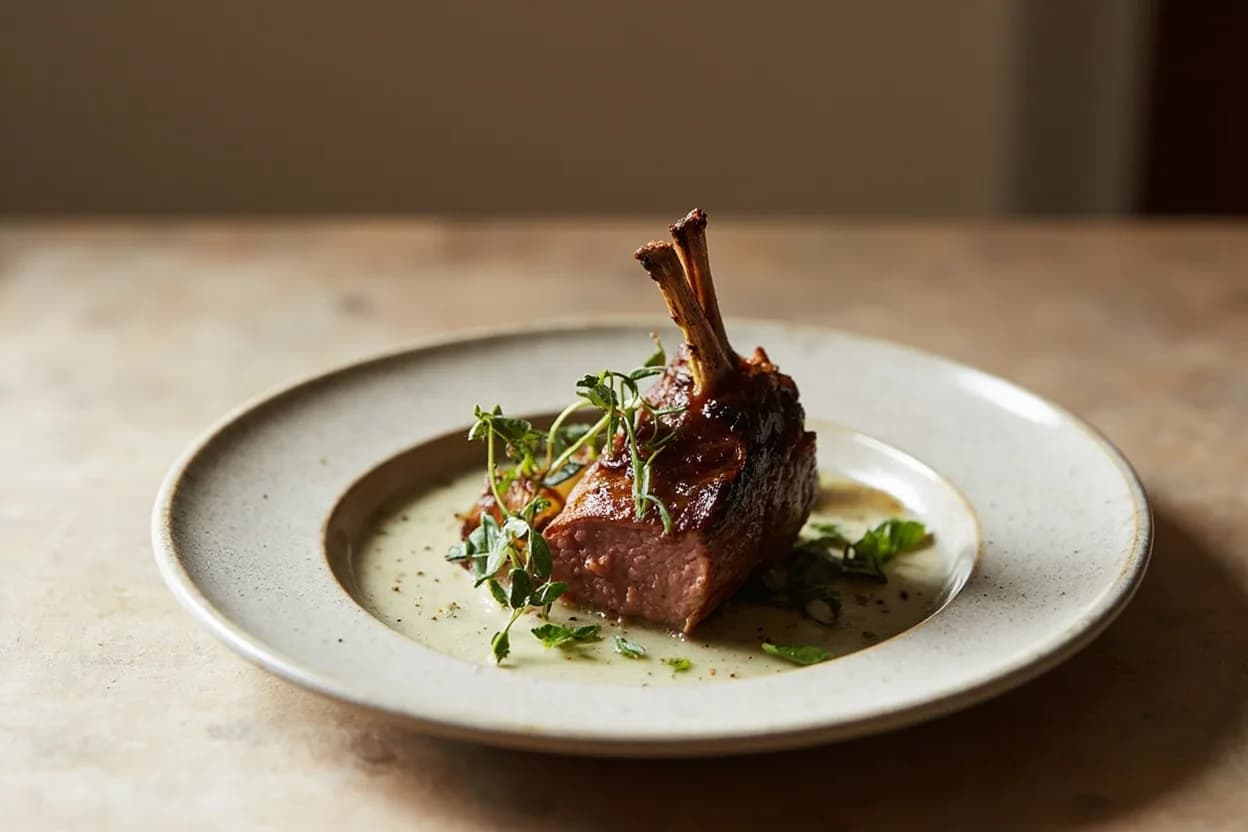
Cherry wood's sweetness and mild tartness counterbalance lamb's lanolin character in a way few other woods achieve — particularly effective for a short (1-hour) smoke.
- Smoked black cherry reduction
Reducing fresh black cherries while burning cherry wood chips in the background creates a conceptually elegant 'double cherry' sauce for duck or pork.
- Smoked chocolate
Briefly cold-smoking dark chocolate discs over cherry wood before tempering layers a faint almond-fruit smokiness beneath the cacao — beloved in craft confectionery.
Tread carefully
- Delicate white fish (cod, sole)avoid
Even cherry's mild smoke can unbalance flaky white fish; only extremely brief exposure (30 minutes maximum) is safe, and alder remains preferable.
- Beef brisket (as the only wood)avoid
Cherry alone lacks the punch to penetrate 12–16 hours of brisket cooking — it should be blended with oak or hickory for any long beef smoke.
- Tomato-heavy BBQ saucesavoid
Tomato sauce's acidity can clash with cherry's tartness, producing a muddy sourness; sweeter tomato-molasses bases work better.
How to use it
- Blending 50/50 with hickory for pork ribs (the most common competition BBQ technique)
- Using cherry chunks rather than chips for longer, even smoke output over 3–6 hour cooks
- Cold smoking at under 80°F (27°C) for charcuterie color and flavor development
- Short hot-smoke (1–2 hours) as a finishing element before oven-roasting game birds
- Combining with oak for brisket to gain cherry's mahogany color with oak's stronger penetration
- Maintaining consistent smoke flow in the first third of the cook — cherry color develops early
Appears in
Related flavours
The closest fruitwood counterpart — similarly mild and sweet, but cherry adds more color and a faint tartness that applewood lacks.
The power behind the most common competition blend: hickory for depth and smoke ring, cherry for color and sweetness.
- Pecan
Pecan wood sits between cherry and hickory in intensity — richer than cherry, milder than hickory, and a Southern BBQ staple worth blending.
References
- 1.Meathead: The Science of Great Barbecue and Grilling — Meathead Goldwyn
- 2.The Barbecue! Bible — Steven Raichlen
- 3.Charcuterie: The Craft of Salting, Smoking, and Curing — Michael Ruhlman & Brian Polcyn
- 4.Competition BBQ Secrets — Bill Anderson
Confidence: high
Notes
The color secret
Cherry wood's dark pigmentation comes from its high concentration of tannins and anthocyanin-adjacent compounds that deposit on protein surfaces during smoking. It is why competition teams blend cherry into nearly every wood combination — the deep mahogany bark implies quality and effort, and in judging contexts, appearance scores are real.
Wild vs. orchard cherry
Wild black cherry (Prunus serotina), common in North American forests, is denser and produces a slightly more complex smoke than orchard sweet cherry. Both are safe and effective; wild black cherry is often foraged by serious pitmasters who prize its extra depth.