Smoke & Fire
Hickory Smoke
Also: hickory wood smoke, smoked hickory
The backbone of American BBQ — bold, bacon-sweet, and unapologetically assertive.
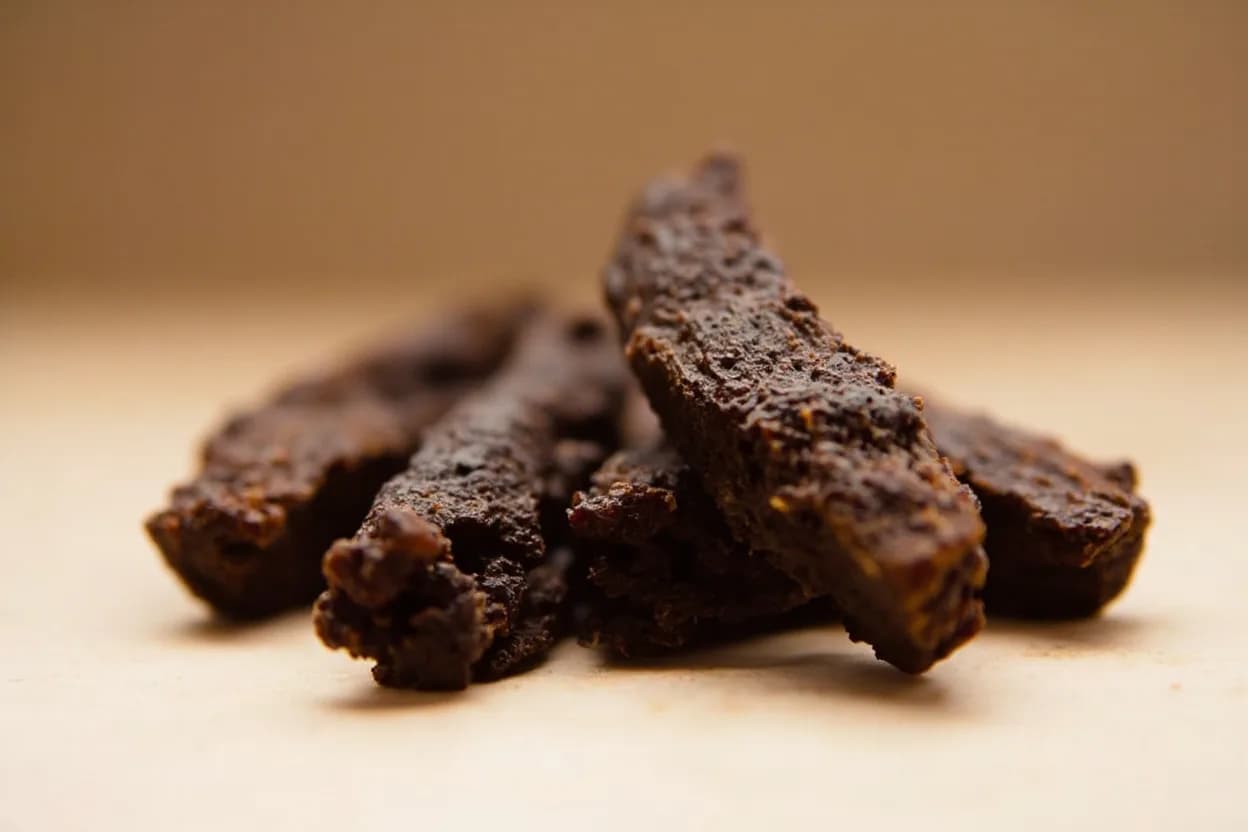
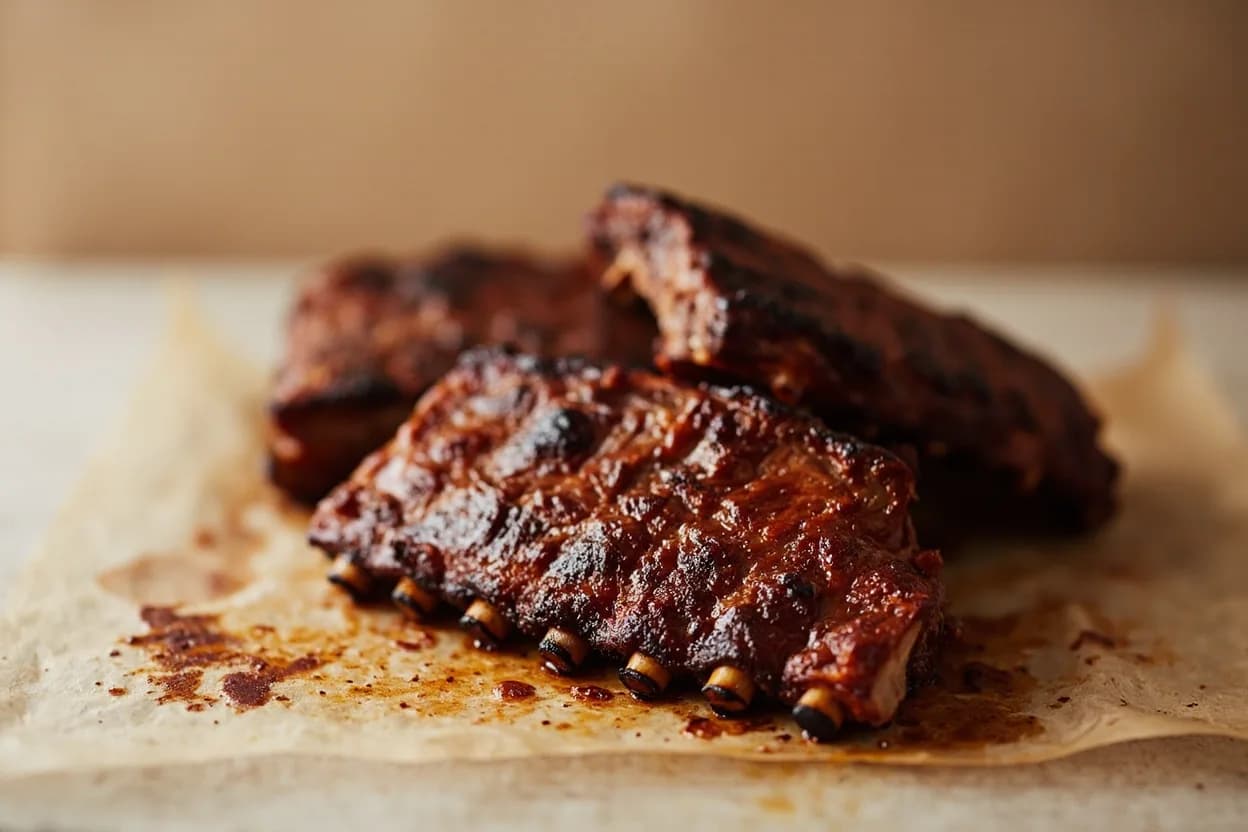
Hickory (Carya species) produces a thick, robust smoke with a characteristically strong, sweet-yet-pungent character. When used to slow-cook pork ribs, shoulders, or brisket over several hours, it imparts deep mahogany color and a layered complexity: an initial sweetness reminiscent of brown sugar, a savory baconlike mid-note, and a faint bitterness on the finish. It is the defining smoke of the American South — from Memphis dry-rub ribs to North Carolina whole-hog — and it dominates wherever pork is cooked low and slow.
In photos
Flavour profile
Classic pairings
- Pork spare ribsAmerican Southern BBQ
The definitive pairing: high fat content in ribs absorbs and mellows hickory's intensity, yielding the classic BBQ bark.
- Pork shoulder (Boston butt)American Southern BBQ
Long low-and-slow cooks (12–16 hours) let hickory penetrate deeply, creating the smoke ring prized in pulled pork.
- Beef brisketAmerican BBQ
Hickory's strength stands up to brisket's intense beefiness; together they form the Texas/Tennessee BBQ canon.
- Bacon (cured pork belly)American
Hickory is the traditional cure smoke for American-style bacon — it defines the flavor most people associate with the word.
- Whole smoked chickenAmerican Southern BBQ
A shorter smoke (2–3 hours) at medium heat lets hickory add depth without overwhelming mild poultry.
- BBQ sauce (tomato-molasses base)American
Tomato's acidity and molasses's sweetness harmonize with hickory's bitterness, forming the classic American BBQ sauce triangle.
- Cheddar cheeseAmerican
Cold-smoked over hickory, sharp cheddar develops a layered savory depth used in charcuterie and smoked mac and cheese.
- Country hamAmerican Southern
Traditional Appalachian and Virginia country hams are hickory-smoked for months, concentrating intense savory-sweet flavor.
Adventurous pairings
- Dark chocolate (70%+)
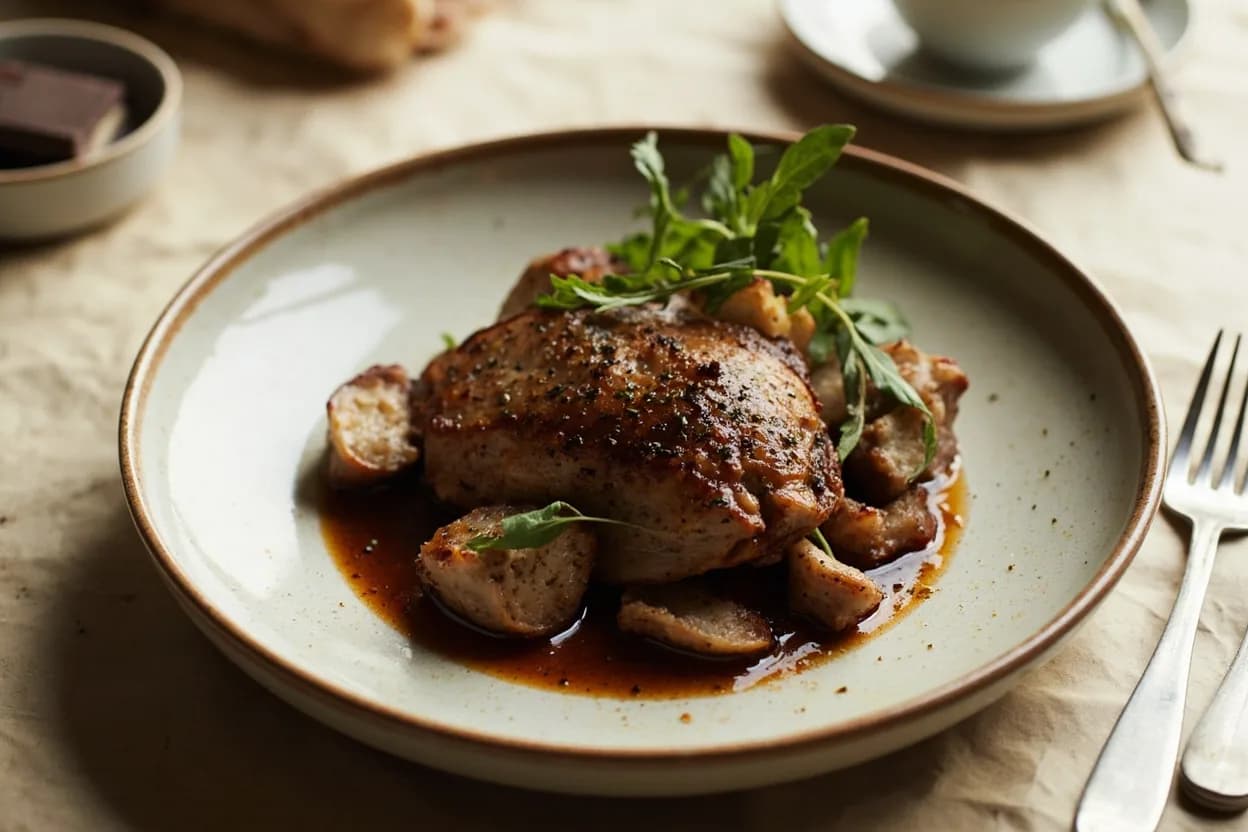
Hickory's bitter-smoky edge resonates with cacao's bitterness; used in smoked chocolate ganache and BBQ chocolate sauces.
Drizzled over hickory-smoked meat or used as a glaze, the terroir affinity of two hardwood-forest products creates remarkable synergy.
- Smoked paprika rub
Doubling up smoke sources — hickory wood and pimentón de la Vera — creates a layered smoke complexity with Spanish-American cross-cultural resonance.
- Black-eyed peas
A smoked hickory ham hock simmered with black-eyed peas is a Southern New Year's dish; the legume absorbs smoke beautifully.
- Whiskey (American bourbon)
Hickory-smoked meats served alongside bourbon — both aged in American oak environments — share vanillin and charred-wood notes.
- Coffee rub
Espresso's roasted bitterness merges with hickory smoke on beef brisket, creating a dark, complex bark with near-umami depth.
Tread carefully
- Delicate white fish (sole, flounder)avoid
Hickory's intensity obliterates the subtle flavor of lean white fish; use alder or applewood instead.
- Shellfish (oysters, scallops)avoid
Resinous hickory smoke can turn shellfish astringent and bitter within minutes; lighter woods are safer.
- Lambavoid
Lamb's gamey lanolin notes clash with hickory's pungency; fruitwoods or oak are far more harmonious.
How to use it
- Low-and-slow indirect smoking (225–250°F / 107–121°C) for 8–16 hours on large cuts
- Reverse-sear: hickory smoke to an internal temp, then sear over direct heat to finish
- Cold smoking (below 90°F / 32°C) for cheese, butter, and cured meats
- Chip vs. chunk method: chips for short cooks, fist-sized chunks for multi-hour smokes
- Soaking chips in water to extend smoke output (controversial but effective for maintaining low temps)
- Managing smoke flow via vent control to avoid acrid oversmoking
Appears in
Related flavours
The other dominant American BBQ smoke — even more intense and earthy; used in Southwestern beef cooking where hickory would be too sweet.
The softer, sweeter counterpart; where hickory overpowers poultry and fish, applewood complements them.
- Oak
Milder than hickory but still assertive; Central Texas BBQ prefers post oak, producing a cleaner smoke ring without hickory's sweetness.
References
- 1.Franklin Barbecue: A Meat-Smoking Manifesto — Aaron Franklin & Jordan Mackay
- 2.The Barbecue! Bible — Steven Raichlen
- 3.Meathead: The Science of Great Barbecue and Grilling — Meathead Goldwyn
- 4.Holy Smoke: The Big Book of North Carolina Barbecue — John Shelton Reed & Dale Volberg Reed
Confidence: high
Notes
The Smoke Ring
Hickory's sustained smoke output is responsible for the coveted pink smoke ring just beneath the meat's surface — a reaction between myoglobin and nitrogen dioxide in the smoke. It is purely cosmetic (no flavor impact) but has become the visual hallmark of authentic low-and-slow BBQ.
Too much of a good thing
Hickory can veer into acrid and bitter territory if wood is added continuously throughout a long cook. Pitmasters typically front-load the smoke in the first 2–4 hours, then let heat alone finish the job.