Herbs
Hierba Santa
Also: hoja santa, Mexican pepperleaf, root beer plant, sacred herb, Piper auritum
Mexico's giant-leafed aromatic with a beguiling anise-root-beer depth that wraps fish, tamales, and mole negro in something entirely its own.
Hierba santa (Piper auritum), also widely called hoja santa, is a large-leafed perennial herb native to Mexico and Central America. Its heart-shaped leaves can reach a foot across, and when bruised they release an immediately distinctive scent: anise, fennel, root beer, and something deeper — a slightly medicinal, almost sassafras-like warmth. The dominant compound is safrole, the same aromatic found in sassafras root bark, alongside estragole and anethole. Hierba santa is an irreplaceable ingredient in Mexican mole amarillo, mole verde, and tamales oaxaqueños, where leaves serve both as a flavoring agent and as a cooking wrapper. It is simultaneously intensely fragrant and surprisingly delicate once cooked, its volatiles mellowing into a smooth, anise-forward warmth.
In photos
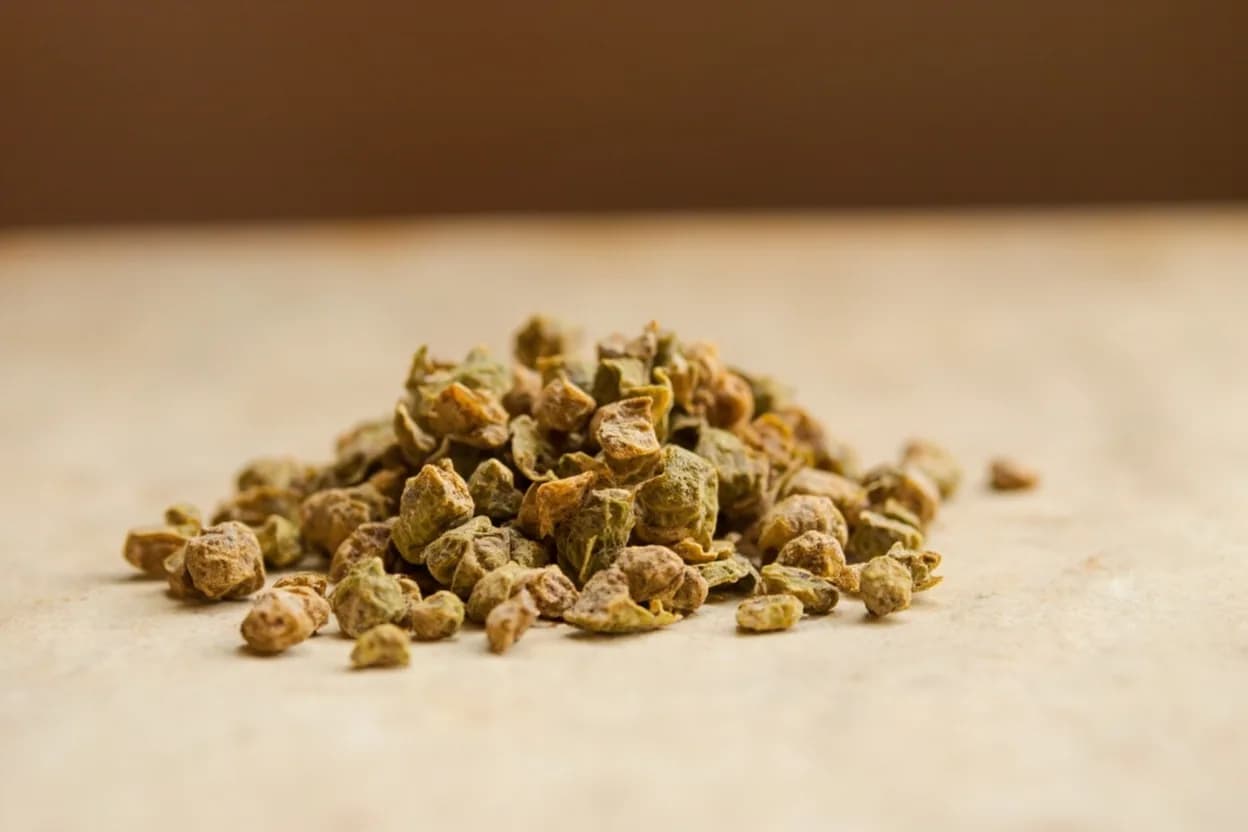
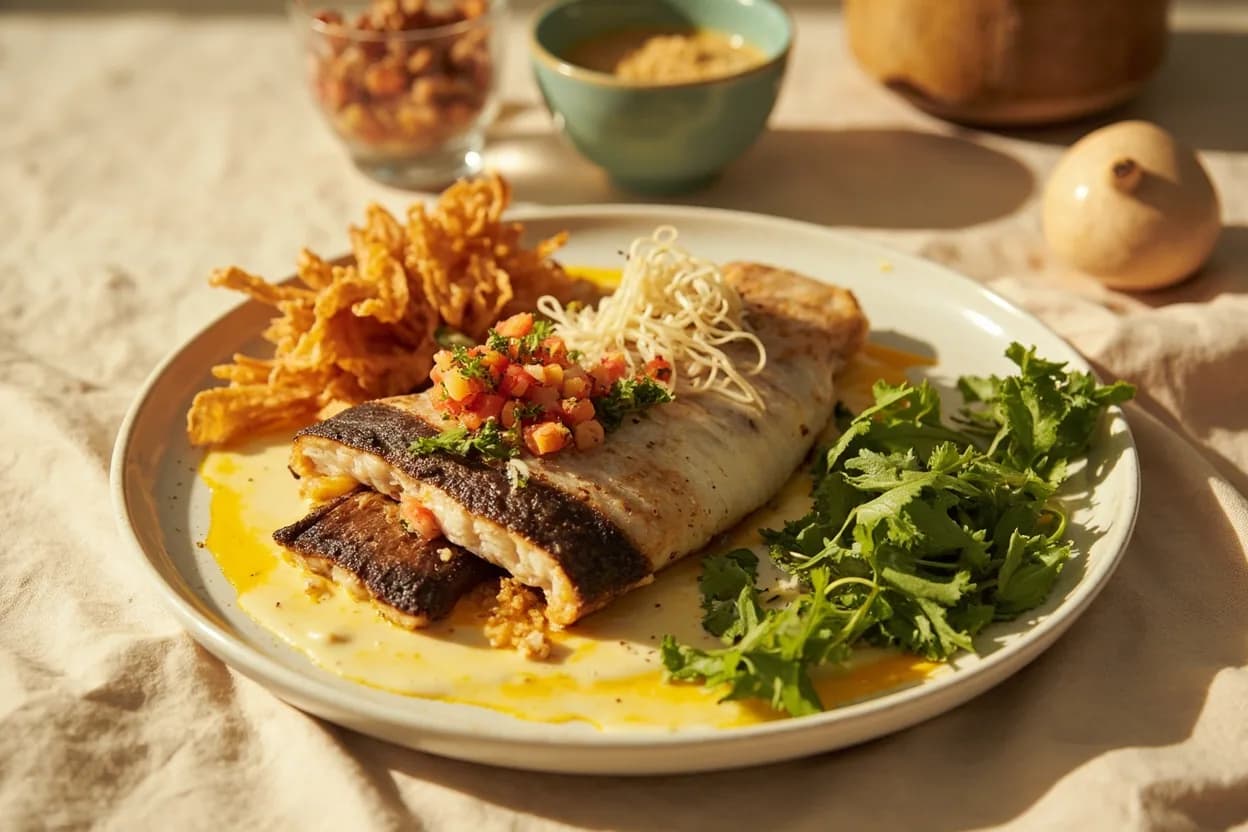
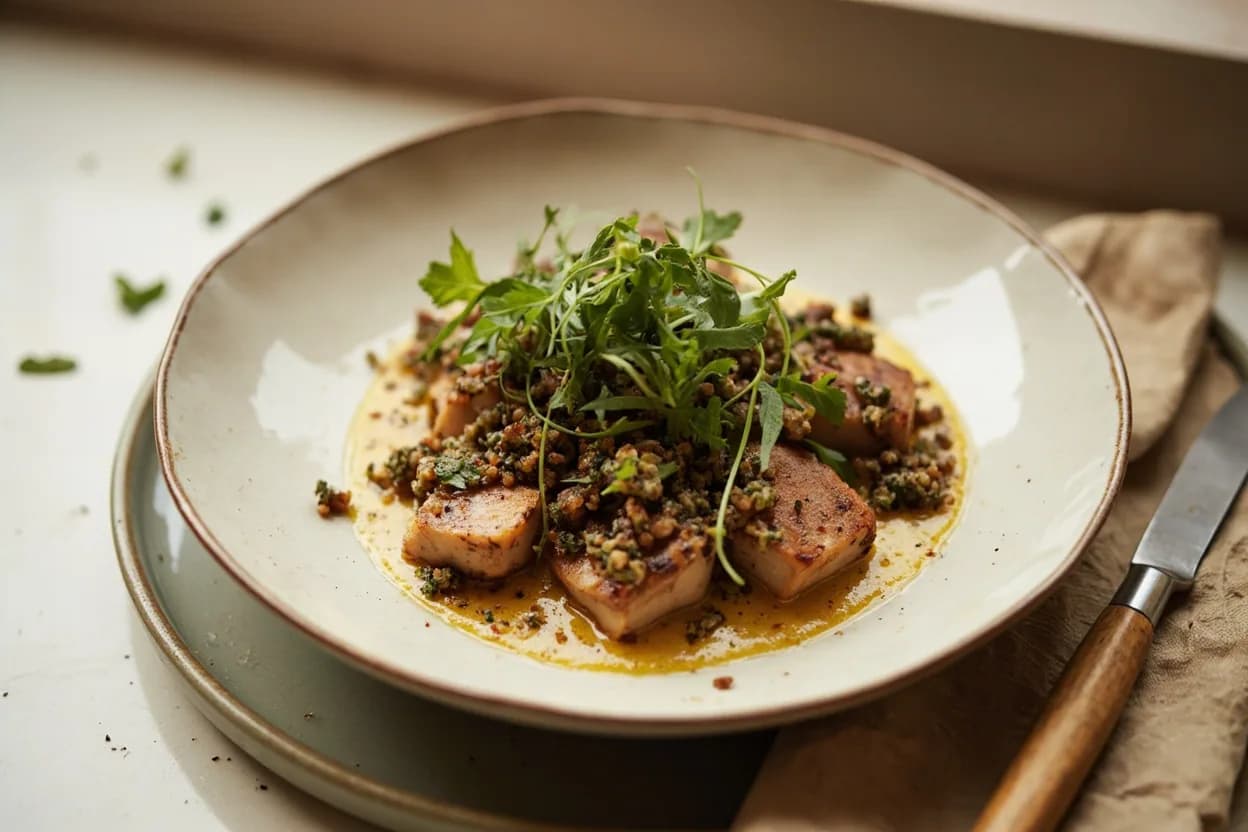
Flavour profile
Classic pairings
- Fish (freshwater and white-fleshed)Oaxacan / Mexican
The most celebrated hierba santa pairing: fish — especially huachinango (red snapper), river trout, or mojarra — wrapped in hoja santa leaves and steamed, grilled, or baked. The herb infuses the fish with anise warmth without overpowering its delicacy.
- Mole amarilloOaxacan
Hierba santa is a structural ingredient in Oaxacan mole amarillo and mole verde, providing the signature herbal-anise note that distinguishes these moles from simpler chile sauces.
- Tamales (Oaxacan)Oaxacan / Mexican
Large hoja santa leaves wrap Oaxacan tamales, perfuming the masa from the outside in during steaming. The leaf is not typically eaten but imparts anise warmth throughout.
- Cheese (fresh, mild)Oaxacan
Quesillo (Oaxacan string cheese) and fresh cheeses like queso fresco pair naturally with hierba santa; the herb's anise sweetness complements mild lactic tang without competing.
- ChickenMexican / Oaxacan
Pollo en hierba santa — chicken braised with the herb — is a traditional Oaxacan preparation where the anise aromatics penetrate the meat during slow cooking.
- Corn masa (tamale dough)Oaxacan
Hierba santa blended into masa or used as a wrapper infuses tamales with a distinctive anise-herbal character unique to Oaxacan cuisine.
- Dried ancho and pasilla chiles
The earthy, chocolate-fruit depth of dried chiles is bridged to the brighter hierba santa by a savory common ground; together they form the base of mole negro and verde.
Adventurous pairings
- Goat (cabrito)
The gaminess of young goat is tempered by hierba santa's anise-herbal warmth; the herb is used to braise and wrap kid goat in traditional Veracruz preparations.
- Chocolate (dark)
Safrole and cacao share ancient Mesoamerican roots — both were mixed in xocolatl. Dark chocolate with hierba santa echoes these pre-Columbian flavor combinations in a striking way.
- Avocado
Hierba santa's anise warmth contrasts the cool, fatty creaminess of avocado; blended into a guacamole variant or used as a crudo garnish it adds an herbal dimension guacamole usually lacks.
- Pork
Fatty pork belly or shoulder is cut by hierba santa's fragrant brightness; used in Veracruz-style preparations as a braising herb.
- Shrimp
Fresh shrimp wrapped in hoja santa and grilled takes on the herb's anise character; a coastal Veracruz adaptation that bridges the herb's interior and coastal Mexican uses.
Tread carefully
- Strongly spiced curriesavoid
Hierba santa's delicate anise profile is completely buried under the assertive spice complexes of South and Southeast Asian curries; they operate in incompatible aromatic registers.
- Heavy beef preparationsavoid
The herb's aromatic delicacy is overwhelmed by the robust fat and iron notes of braised beef; it lacks the structural robustness to season beef effectively.
- Acidic tomato saucesavoid
High-acid tomato contexts amplify safrole's medicinal quality into something unpleasant; hierba santa is better suited to chile- and tomatillo-based sauces.
How to use it
- Toast fresh leaves briefly in a dry skillet before blending into mole — this mellows safrole's raw medicinal edge
- Use whole leaves as a cooking wrapper for fish or tamales; the leaf perfumes the ingredient through steam without direct contact with the cooking medium
- Blend raw leaves into salsa verde for a bright, anise-fresh finish
- Infuse into crema or cream for sauces by warming chopped leaves in dairy for 15 minutes then straining
- Dry leaves and grind into a powder for dry rubs — concentrated but softer than fresh
Appears in
Related flavours
Both are anise-forward herbs used to perfume delicate proteins; tarragon operates in French classical cooking where hierba santa operates in Oaxacan and Mexican cuisines.
- Fennel frond
Shares the estragole/anethole aromatic family with hierba santa; sometimes used as a partial substitute in non-traditional applications.
Fellow native Mexican herb, but with a sharper, more medicinal-resinous profile; used in different preparations — epazote in beans and quesadillas, hierba santa in moles and wrapped fish.
References
- 1.The Art of Mexican Cooking, Diana Kennedy (1989)
- 2.Authentic Mexican: Regional Cooking from the Heart of Mexico, Rick Bayless (1987)
- 3.Mexico: The Cookbook, Margarita Carrillo Arronte (2014)
- 4.Oaxaca al Gusto: An Infinite Gastronomy, Diana Kennedy (2010)
Confidence: high
Notes
Safrole and food safety
Safrole, hierba santa's primary compound, was removed from commercial use as a food additive by the FDA in 1960 after studies in rats showed carcinogenicity at very high doses. The amounts present in culinary use of hierba santa are considered negligible risk by food scientists, and the herb remains in wide use throughout Mexico. It is listed as a GRAS (Generally Recognized as Safe) culinary ingredient.
Regional names
The herb goes by hoja santa in Oaxaca and Veracruz (meaning 'sacred leaf'), hierba santa more broadly, and root beer plant in English-speaking markets where it has become popular among restaurant chefs. Both names for the same species: Piper auritum.