Herbs
Epazote
Also: Mexican tea, wormseed, Dysphania ambrosioides, pazote, hierba santa María
Mexico's pungent, medicinal herb that transforms black beans and quesadillas — nothing else smells or tastes quite like it.
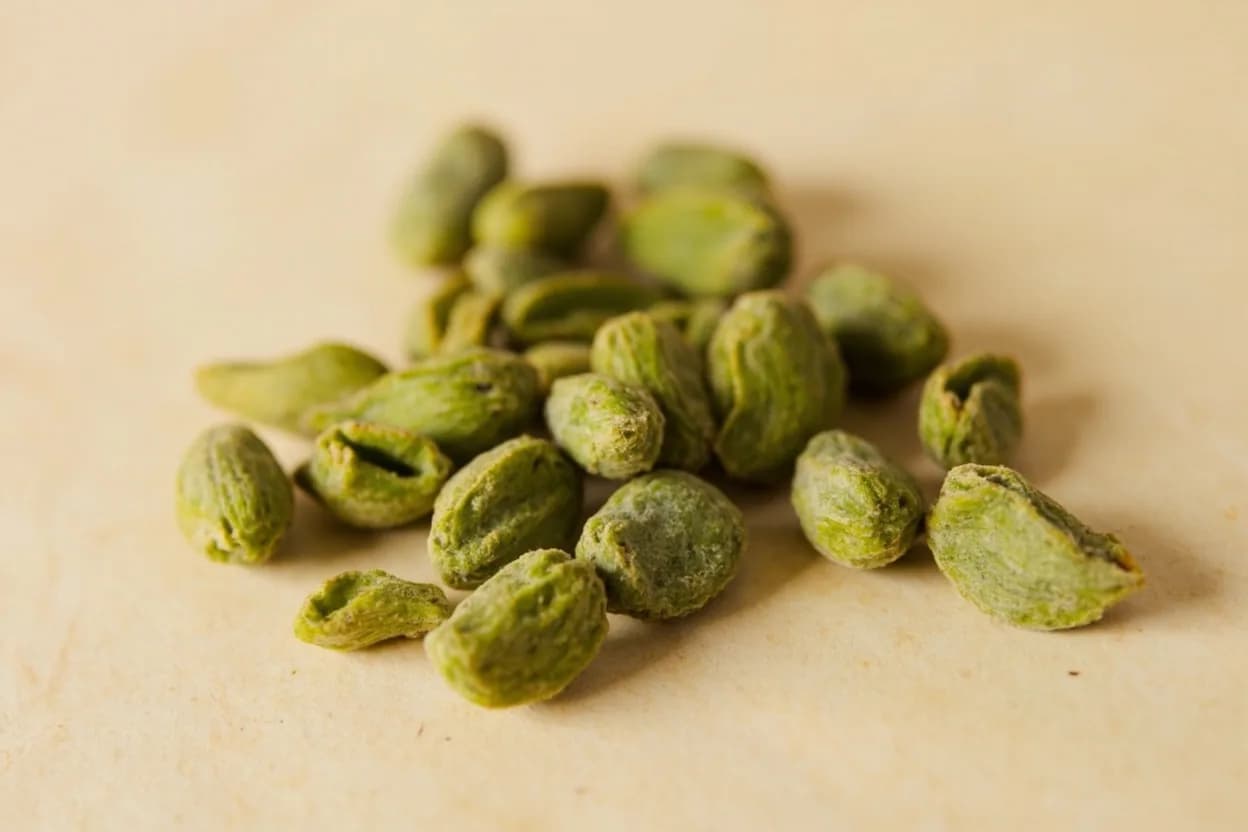
Epazote (Dysphania ambrosioides) is a strong-scented herb native to Central America and Mexico, used in Mexican and Mesoamerican cooking for millennia. Its flavor is genuinely singular: a medicinal, resinous quality reminiscent of turpentine or kerosene at first sniff, resolving into something more herbal and savory — sometimes compared to petroleum, petrol-forward mint, or a bitter wild oregano. The primary volatile compound is ascaridole, a toxic peroxide in large doses but entirely safe at culinary levels; ascaridole also gives the herb its traditional reputation as an anti-flatulent and digestive aid when added to legumes. Epazote cannot be substituted easily; cilantro, flat-leaf parsley, and Mexican oregano are occasionally suggested but capture none of its characteristic resinous edge.
In photos
Flavour profile
Classic pairings
- Black beansMexican
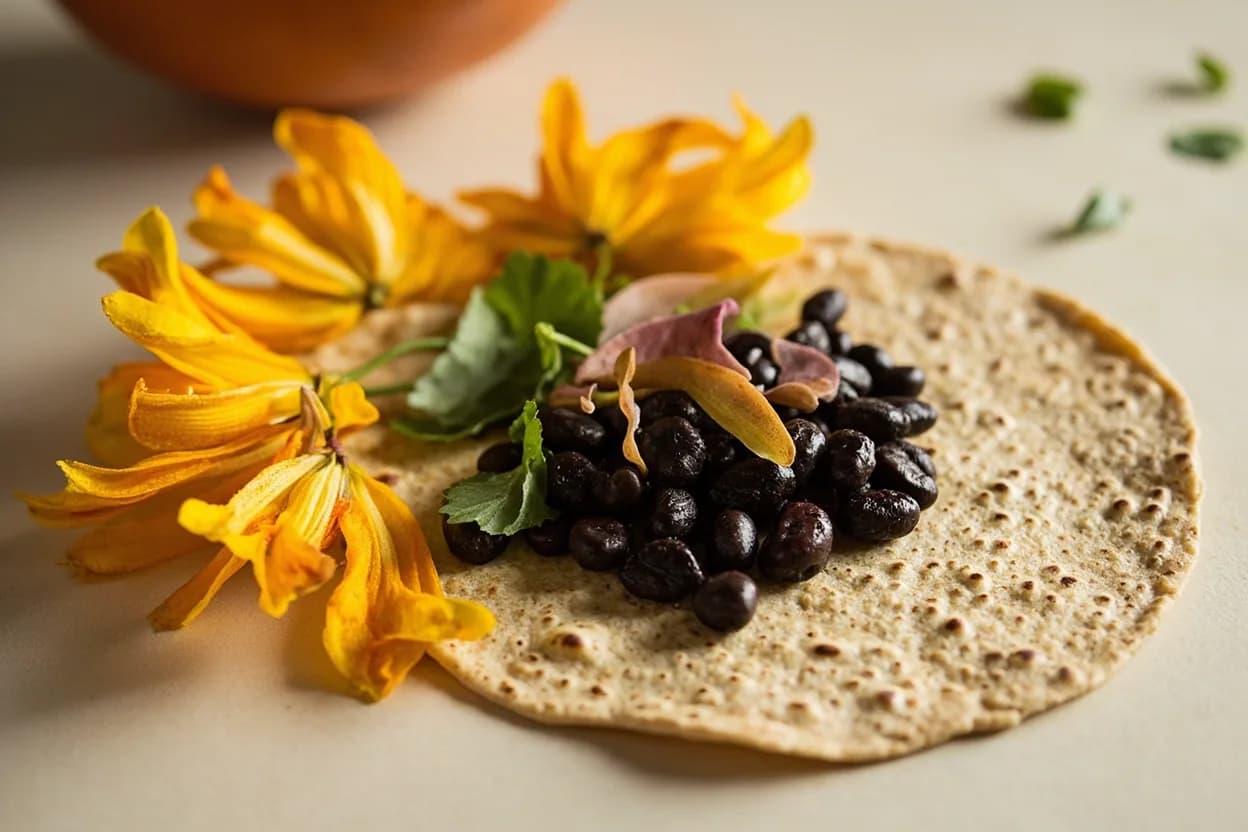
The most canonical pairing in Mexican cooking: a sprig of epazote simmered with black beans is so standard it is nearly mandatory. The herb suppresses the gas-producing compounds in beans and adds a savory, earthy depth that no other herb replicates.
- Quesadilla (corn tortilla)Mexican
Epazote is the traditional filling herb for quesadillas in Mexico City street food, especially blue-corn quesadillas with squash blossoms or mushrooms — its pungency cuts cheese richness.
- Squash blossom (flor de calabaza)Mexican
Delicate squash blossoms are paired with epazote in quesadillas and soups to add herbal backbone without sweetness.
- HuitlacocheMexican
The earthiness of corn smut (huitlacoche) is sharpened by epazote's resinous bite; a classic filling combination in traditional Mexican cooking.
- Corn (maize)Mexican / Mesoamerican
Epazote grown alongside corn in Mesoamerican milpa agriculture; the herb enriches corn soups and tamales with an earthy savory note.
- Chile (fresh and dried)Oaxacan / Mexican
Dried ancho or pasilla chiles share epazote's resinous-earthy depth; the pairing forms the base of mole negro and many Oaxacan sauces.
- TomatoMexican
Epazote added to a tomato-based salsa or soup base adds herbal complexity that no other herb matches; it is especially common in green salsas and pozole broths.
Adventurous pairings
- Clams or mussels
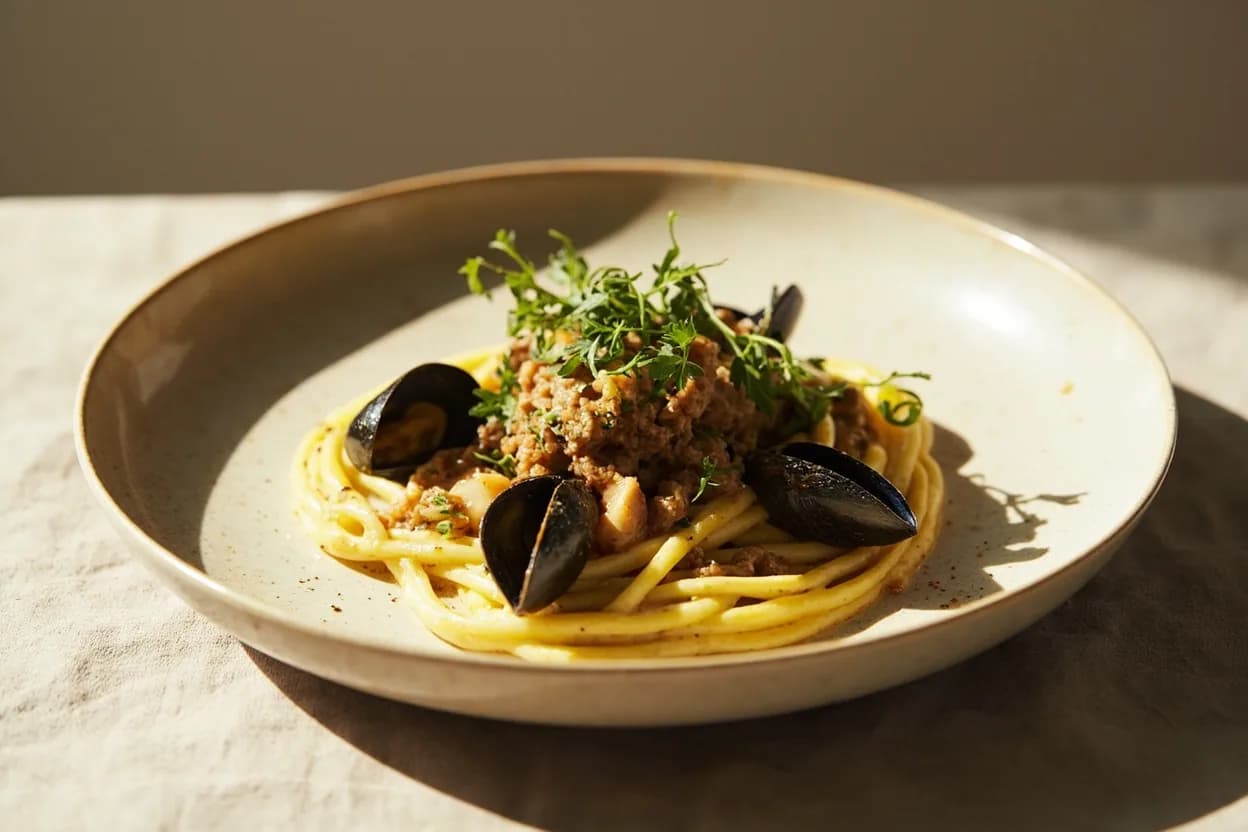
The brininess of shellfish and epazote's resinous character create a complex maritime-herb pairing; used in Mexican coastal soups (caldo de almejas).
- Mushrooms (wild)
The earthy, forest-floor character of wild mushrooms aligns with epazote's resinous depth; sautéed together in quesadillas or soups they share an almost mineral quality.
- Sweet potato
The starchy sweetness of camote contrasts dramatically with epazote's medicinal bitterness, creating a savory-complex balance in soups.
Tomatillo's sharp, jammy sourness amplifies epazote's herbal pungency; the combination drives many traditional salsa verde bases in Oaxacan cooking.
- Eggs (scrambled or in chilaquiles)
A small amount of epazote in egg dishes adds a resinous, savory note that cuts through egg richness in ways that standard herbs do not.
Tread carefully
- Delicate fish (sole, flounder)avoid
Epazote's intensity overwhelms delicate white fish; save it for robust seafood preparations like soups and stews.
- Cream-based European saucesavoid
The medicinal resinous notes clash violently with cream-reduction sauces; epazote belongs to indigenous and mestizo Mexican traditions, not European dairy contexts.
- Citrus-forward preparationsavoid
High-acidity citrus notes amplify epazote's medicinal sharpness into unpleasant territory; keep it in savory, earthy, tannin-rich contexts.
How to use it
- Add a whole sprig to dried bean cooking liquid from the start — it mellows over a long simmer
- Use fresh leaves only; dried epazote loses its volatile character rapidly (within 1 month)
- Finely chop and add to fillings raw — quesadilla heat releases aromatics without cooking out the herb
- Start with a small amount (2–3 leaves per pot); epazote is potent and easy to overuse
- Strip leaves from woody stems; the stems are very bitter even in small quantities
Appears in
Related flavours
Shares the resinous, herbal assertiveness suited to dried chiles and long-cooked bean dishes; used interchangeably in some northern Mexican preparations.
- Cilantro
The other defining green herb of Mexican cooking; where epazote goes into cooked dishes, cilantro finishes raw preparations — they rarely compete directly.
Fellow member of Mexico's distinctive herbal aromatics; hierba santa's anise character is more elegant, epazote's is more pungent — used in different regional traditions.
References
- 1.Authentic Mexican: Regional Cooking from the Heart of Mexico, Rick Bayless (1987)
- 2.Mexico: The Cookbook, Margarita Carrillo Arronte (2014)
- 3.The Art of Mexican Cooking, Diana Kennedy (1989)
- 4.Medicinal Plants of the Southwestern United States, Michael Moore (1989)
Confidence: high
Notes
Anti-flatulent properties
Epazote's long association with bean cooking is not merely traditional custom. The herb contains compounds that appear to reduce the oligosaccharides responsible for flatulence in legumes. Mexican cooks have used it empirically for this purpose for centuries; modern food science broadly supports the mechanism.
Toxicity at large doses
Ascaridole, epazote's primary volatile, is toxic in concentrated form — historically the plant was used as a vermifuge (the name 'wormseed' reflects this). At the amounts used in cooking (a few leaves or one sprig per pot of beans), it is entirely safe. Do not consume the essential oil undiluted.