Vegetables & Fruits
Huitlacoche
Also: cuitlacoche, corn truffle, Mexican truffle, corn smut, Ustilago maydis
The umami jewel of Mexican cuisine: a fungal corn parasite with earthy mushroom depth, smoky sweetness, and a truffle-like mystique that has been prized since the Aztecs.
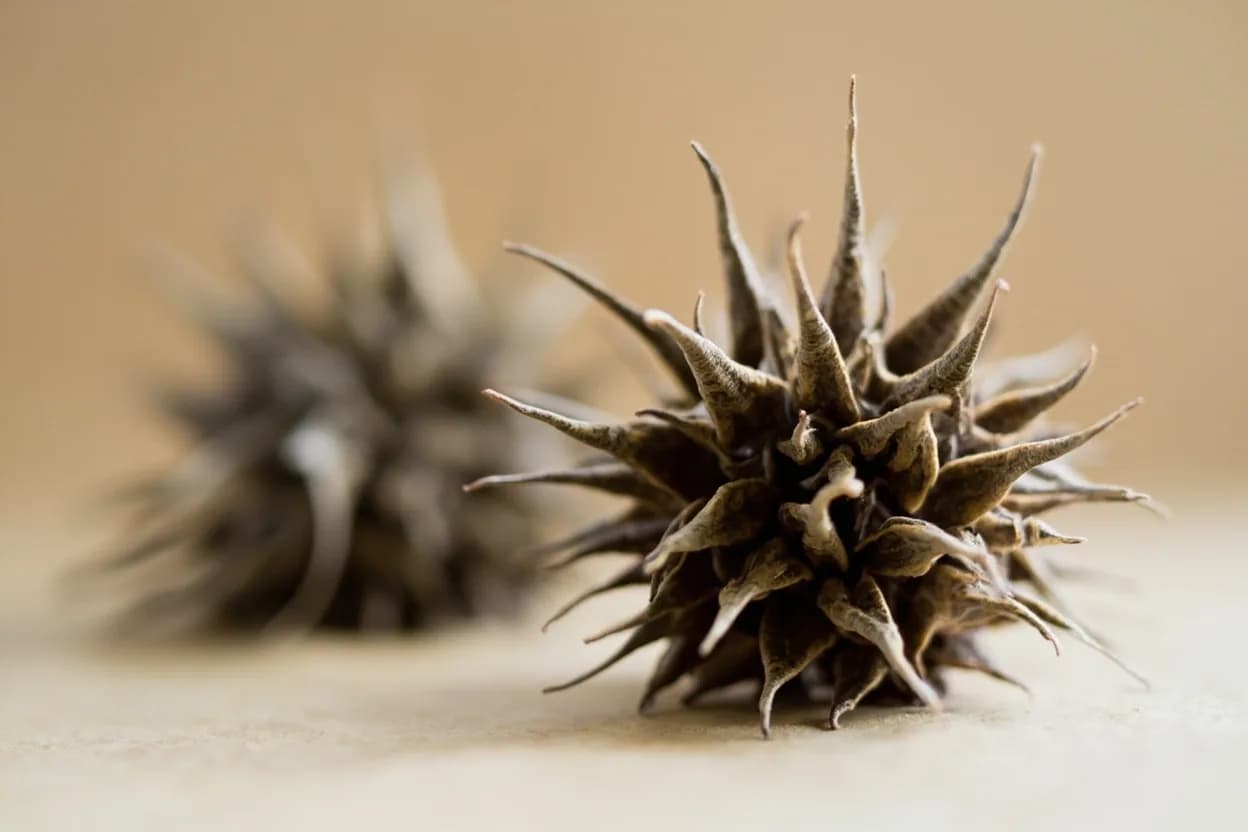
Huitlacoche is the culinary name for Ustilago maydis, a pathogenic fungus that infects corn (maize) ears and transforms individual kernels into swollen, silvery-blue-to-black galls filled with dark, spore-laden flesh. What agriculture elsewhere calls a blight, Mexican cuisine has elevated to a delicacy since pre-Columbian times. The flavor is complex and deeply savory: earthy and mushroom-forward, with the sweet ghost of the corn it has replaced, hints of smoke, and an umami depth that genuinely recalls black truffle. The texture is soft and silky when cooked, with a natural inkiness that turns everything it touches dramatically dark. It is harvested before the galls dry and rupture, when the flesh is still moist and the spore mass has not yet fully matured.
In photos
Flavour profile
Classic pairings
- EpazoteMexican
The canonical Mexican herb pairing for huitlacoche — epazote's pungent, petroleum-herbal edge cuts through the fungus's richness and is almost always present in traditional quesadilla fillings.
- Queso Oaxaqueño (Oaxacan string cheese)Mexican
Mild, stretchy, milky cheese melts over huitlacoche to create the quintessential quesadilla de huitlacoche; the neutral dairy acts as a canvas for the fungus's dark intensity.
- White onionMexican
Sweated white onion is the flavor foundation for nearly every huitlacoche preparation — its sweetness softens the fungus's bitterness and provides aromatic depth.
- Serrano or jalapeño chileMexican
Mild fresh green heat counterpoints huitlacoche's earthiness; the combination in quesadillas and tamales is one of Mexico's great textural and flavor pairings.
- Corn masa (tortilla or tamal dough)Mexican
The poetic return: huitlacoche back inside its host, the corn flavor of masa mirroring and amplifying the sweet ghost of the corn the fungus consumed.
- Crema mexicanaMexican
Poured over finished dishes or stirred into soups, the lactic tang and fat of crema mexicana rounds huitlacoche's sharper earthy edges.
- Chicken stockMexican
Huitlacoche dissolved into a rich chicken broth amplifies both components' umami and creates one of Mexico's most refined soups.
Adventurous pairings
- Black truffle
Layering huitlacoche with actual black truffle creates a double-umami effect that is stunning in risotto or pasta — each fungus has slightly different aromatic registers that compound rather than overlap.
- Aged Manchego
The crystalline, nutty bite of aged Manchego is precisely the textural and flavor counterpoint that huitlacoche's silky inkiness needs; a Spanish-Mexican bridge used in contemporary fusion pintxos.
- Duck fat
Sautéing huitlacoche in duck fat rather than vegetable oil produces extraordinary depth — the animal fat's richness marries the truffle-mushroom notes with a poultry undertone that feels inevitable.
- Dark beer (stout or porter)
Roasted malt bitterness and huitlacoche's ink-dark earthiness share the same bitter register; huitlacoche braised in stout for tamale fillings is a striking preparation.
- Miso (white shiro)
A small amount of shiro miso stirred into a huitlacoche sauce deepens umami without adding competing flavor; used by contemporary Japanese-influenced Mexican chefs.
Tread carefully
- Delicate white fish (sole, flounder)avoid
Huitlacoche's ink-dark intensity completely overwhelms the subtle sweetness of delicate white fish; both components are lost.
- Fresh citrus juice (in large quantities)avoid
Acid turns huitlacoche muddy and suppresses its aromatic complexity; a small squeeze to finish is fine, but building preparations around acid negates its best qualities.
- Pungent blue cheeseavoid
Two aggressively funky components do not resolve into harmony here — the ammonia of blue cheese clashes with huitlacoche's earthy bitterness.
How to use it
- Sauté with white onion, epazote, and fresh chile as the base for quesadilla filling
- Fold into corn masa for tamales de rajas con huitlacoche
- Simmer in chicken or vegetable stock to build soup and sauce bases
- Use as a filling for crêpes in upscale preparations (crêpes de huitlacoche, a Mexico City fine-dining classic)
- Blend smooth and strain for a black sauce to coat pasta or chicken
- Add raw to broths and let the spores dissolve in the last minutes of cooking to preserve delicate aromatic notes
Appears in
Related flavours
- Porcini mushroom
The flavor reference point most useful for non-Mexican cooks — similar earthy umami depth, interchangeable in some preparations while huitlacoche adds its distinctive smoke-sweet corn note.
- Black truffle
Often cited as huitlacoche's closest global analog; both have pungent earth-umami complexity, though huitlacoche is sweeter and less sulfuric.
The canonical herb partner — almost inseparable from huitlacoche in traditional Mexican cooking.
References
- 1.Diana Kennedy, The Essential Cuisines of Mexico (2000)
- 2.Enrique Olvera, Mexico from the Inside Out (2015)
- 3.Coe, Sophie D., America's First Cuisines (1994)
- 4.Bauer, Jeni Britton & Wheaton, Laura, 'Huitlacoche: The Mexican Truffle' in Saveur magazine
Confidence: high
Notes
Pre-Columbian heritage
Huitlacoche has been eaten in Mexico since at least Aztec times — 'cuitlacoche' derives from Nahuatl, loosely meaning 'sleeping excrement' or 'raven's excrement,' a name that betrays no culinary enthusiasm yet survived centuries because the flavor was too good to abandon. The Aztecs considered it a delicacy served at festivals and to honored guests.
Fresh vs. canned
Fresh huitlacoche (in season July–September in Mexico) is incomparably superior to the canned product available in the United States and Europe. Canned huitlacoche loses much of its smoky complexity and becomes a muddy, one-dimensional earthiness. If canned is all that is available, a brief hard sauté with high heat and additional epazote helps recover some of the lost character.