Vegetables & Fruits
Tomatillo
Also: tomate verde, miltomate, husk tomato, Mexican green tomato, tomate de cáscara
Bright, tangy, and faintly citrusy, the tomatillo is the backbone of Mexican green sauces — it needs fat, heat, and alliums to reach its full potential.
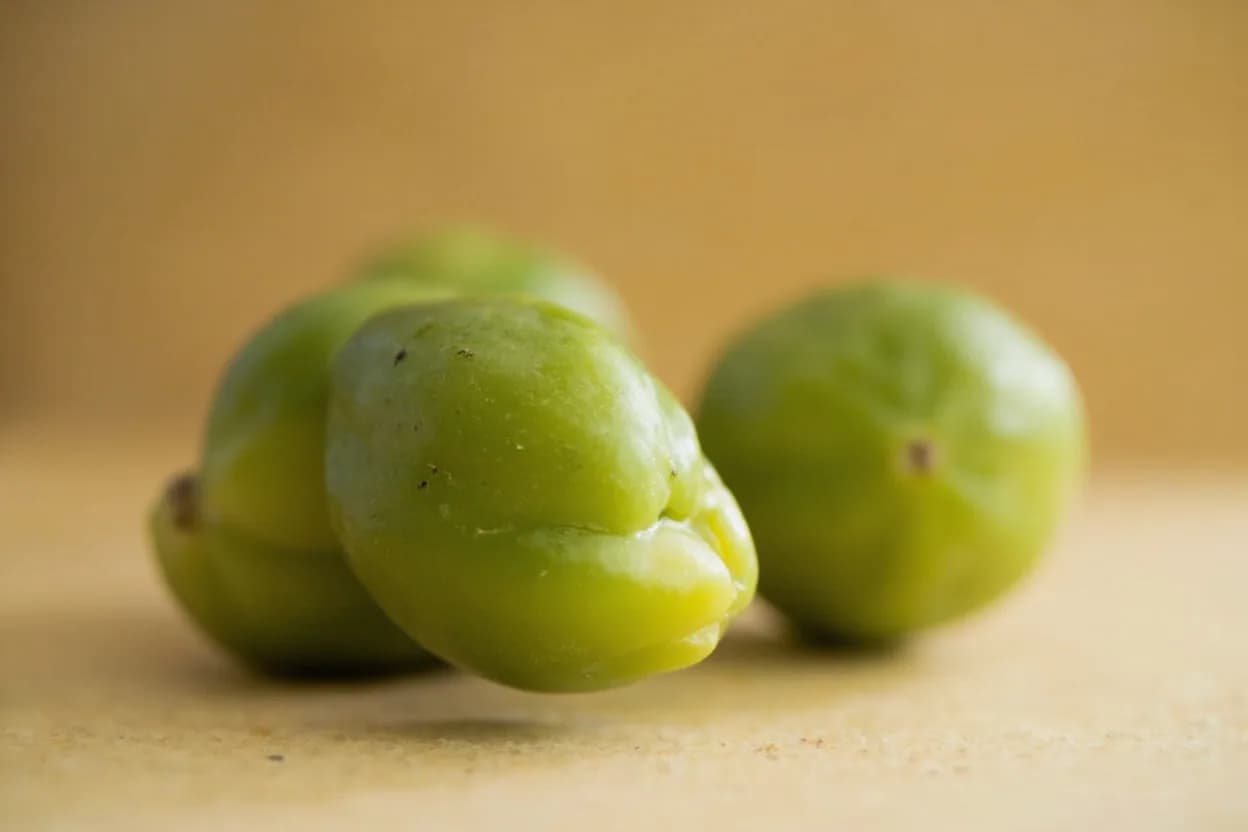
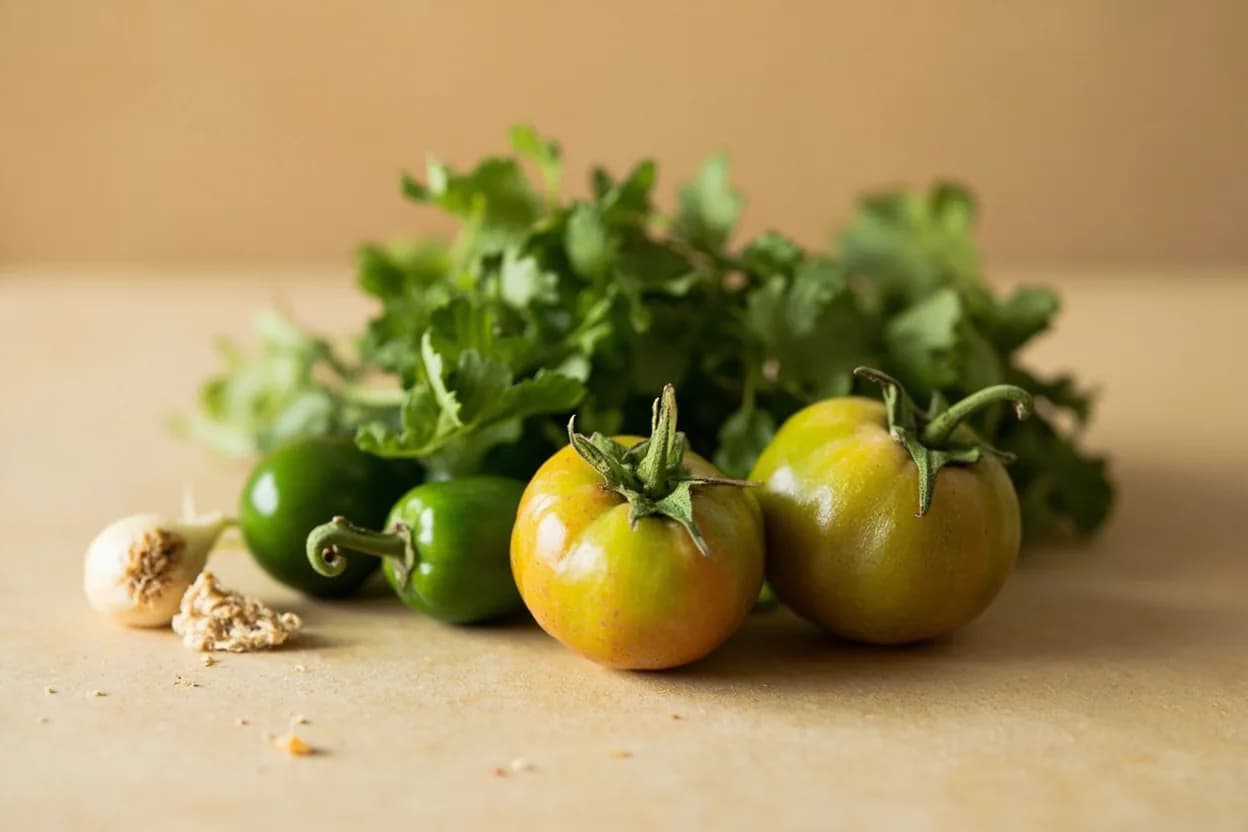
Tomatillos (Physalis philadelphica) are small, firm fruits native to Mesoamerica, encased in a papery husk that is discarded before use. Unlike the red tomato, they are typically cooked when green and underripe, giving them a vibrant tartness, slight grassiness, and a citrus-like brightness with underlying herbal notes. Their flesh is dense, slightly sticky, and holds body well in cooked sauces. Tomatillos are the defining ingredient of salsa verde in Mexican cuisine and also appear in Guatemalan and other Central American traditions. Raw, they are bracingly tart; roasted or charred they develop deeper, smoky sweetness while retaining their characteristic tang.
In photos
Flavour profile
Classic pairings
- Serrano or jalapeño chileMexican
The heat of fresh green chiles is the essential counterpart to tomatillo's acid; together they form the base of classic salsa verde cruda. Serrano adds more heat and sharpness; jalapeño provides a rounder warmth.
- CilantroMexican
Cilantro's aldehydic, citrusy freshness is an almost universal partner for tomatillo in Mexican salsas. The two share overlapping citrus aromatic compounds, creating harmony rather than contrast.
- White onionMexican
Raw white onion provides sharp sulfurous bite that grounds tomatillo's brightness; charred or roasted onion deepens the sauce base and adds sweetness to balance the tomatillo's persistent acid.
- GarlicMexican
Garlic — particularly charred whole on a comal — adds depth and warmth that tomatillo's tartness alone lacks. It is nearly always present in cooked salsa verde.
- Pork (carnitas, shoulder)Mexican
Pork fat richness is the ideal foil to tomatillo's acidity. Slow-braised pork in tomatillo sauce (chile verde) is a canonical combination across Mexican regional cuisines — the fat carries the flavor and the acid tenderizes.
- AvocadoMexican
Avocado's neutral, creamy fat tempers tomatillo's acidity, creating the rich-tart balance of salsa verde con aguacate or crema verde. The pairing appears in enchiladas verdes and tacos de canasta.
- Chicken (poached or roasted)Mexican
Sautéed chicken in salsa verde (pollo en salsa verde) is one of Mexico's most domestic weeknight preparations; tomatillo's acid brightens the neutral protein while the sauce base carries aromatics into the meat.
- EpazoteMexican
This pungent, petroleum-resinous Mexican herb used fresh in salsa verde and black bean contexts adds a sharp, almost turpentine-like depth that amplifies tomatillo's green character in a distinctly Mexican register.
Adventurous pairings
- Mango
Ripe mango's tropical sweetness balances tomatillo's tartness into something closer to aguachile territory — particularly good in raw ceviches and fresh table salsas with habanero.
- Pepitas (toasted pumpkin seeds)
Ground pepitas add body, nuttiness, and an earthy richness to tomatillo sauce; this is the pre-Columbian tradition of pipián verde, one of Mexico's most complex moles.
- Fish (halibut, tilapia)
The acidity of tomatillo acts almost like a ceviche cure; paired with white fish in aguachile verde or as a braising liquid, it produces a clean, marine-citrus combination popular along Mexico's Pacific coast.
- Feta cheese
Creamy, salty feta (or its Mexican analogue queso fresco) mirrors tomatillo's tang; scattered over charred tomatillo salsa on tacos, it adds a cooling dairy richness that replaces the need for crema.
An unconventional but effective pairing: sesame's nuttiness and slight bitterness fills the textural gap in tomatillo sauces, creating a cross-cultural dressing used in some modern Mexican-Middle Eastern fusion.
Tread carefully
- Balsamic vinegaravoid
Balsamic's sweet-sharp concentration collides with tomatillo's inherent tartness — double acid without resolution creates a sauce that tastes unbalanced and jarring.
- Heavy cream (large amounts)avoid
Cream can curdle in the presence of tomatillo's high acidity unless tempered carefully; a splash of Mexican crema (lower acid, higher fat) works, but full cream can break a sauce.
- Delicate fish (sole, Dover sole)avoid
Tomatillo's brightness can overpower very delicate white fish; it's better matched to robust fish or used as a table condiment rather than a braising liquid for the most delicate fillets.
How to use it
- Charring on a dry comal or under the broiler until blistered and slightly blackened — develops smoky-sweet depth and reduces raw tang
- Simmering in broth before blending — cooking softens bitterness and concentrates flavor
- Using raw for fresh salsa verde cruda — maximum acidity and grassiness, best with fatty pork or chips
- Frying blended salsa in hot oil (frying the salsa) — essential step in enchilada verdes sauce; it deepens color and concentrates flavor
- Roasting whole with husks on briefly before peeling — the husk protects and steams the flesh from within
Appears in
Related flavours
The Old World counterpart — similar sauce-building role but sweeter, less acidic, used in entirely different flavor contexts
- Serrano Chile
The most common heat partner in salsa verde, sharing the same fresh-green register
- Avocado
Creamy-fat counterpart that turns tomatillo's sharp salsa into a rich crema-style sauce
References
- 1.Truly Mexican — Roberto Santibañez
- 2.Mexico: The Cookbook — Margarita Carrillo Arronte
- 3.Oaxaca al Gusto — Diana Kennedy
- 4.The Flavor Bible — Karen Page & Andrew Dornenburg
Confidence: high
Notes
Raw vs. cooked
Raw tomatillos are bracingly sour and vegetal — fine for fresh salsa but potentially overwhelming as a sole flavor in cooked preparations. Charring or simmering softens the raw harshness and introduces complexity. Most Mexican regional applications use at least light cooking.
The sticky husk residue
After removing the husk, tomatillos have a slightly waxy, sticky coating that should be rinsed off. This residue is mildly bitter; leaving it on concentrated raw salsas can introduce an unpleasant edge.