Alcohols & Vinegars
Chicha de Jora
Also: chicha amarilla, jora beer, Andean corn beer, chicha de maíz
Peru's ancestral fermented corn beer — mildly tart, lightly funky, with a starchy maize sweetness — tenderizes meat and deepens Andean stews with pre-Columbian fermented character.
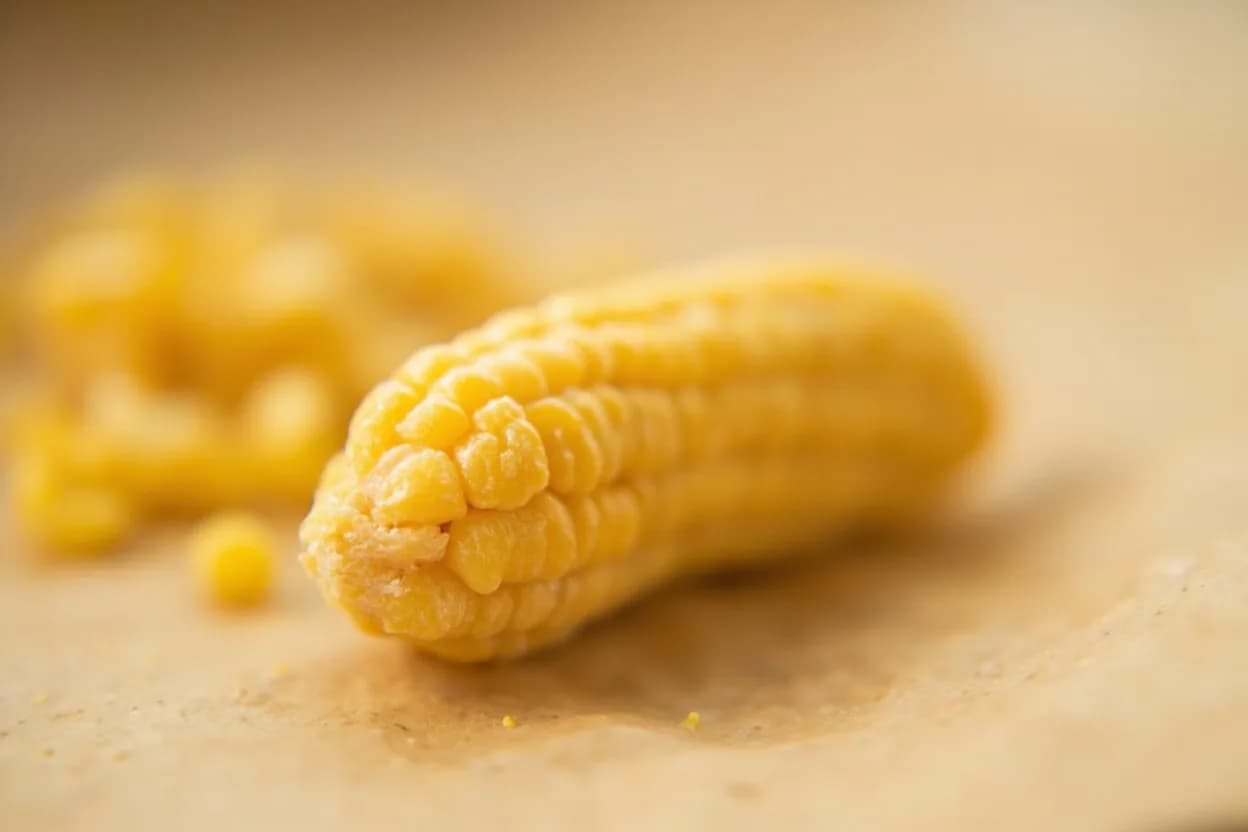
Chicha de jora is a lightly fermented beer brewed from jora — maize that has been sprouted (malted) to convert starches, then dried and toasted. The resulting brew is low in alcohol (1–3% ABV), cloudy, mildly sour, and distinctly corn-sweet with notes of overripe banana, wet grain, and a gentle lactic tang. Dating back to the Inca Empire, it is central to Andean ceremonial life and everyday cooking. As a culinary ingredient it functions simultaneously as a tenderizing marinade (the mild acidity and enzymes from fermentation break muscle fibers), a deglazing liquid, and a braising medium that contributes fermented depth without the bitterness of hops.
In photos
Flavour profile
Classic pairings
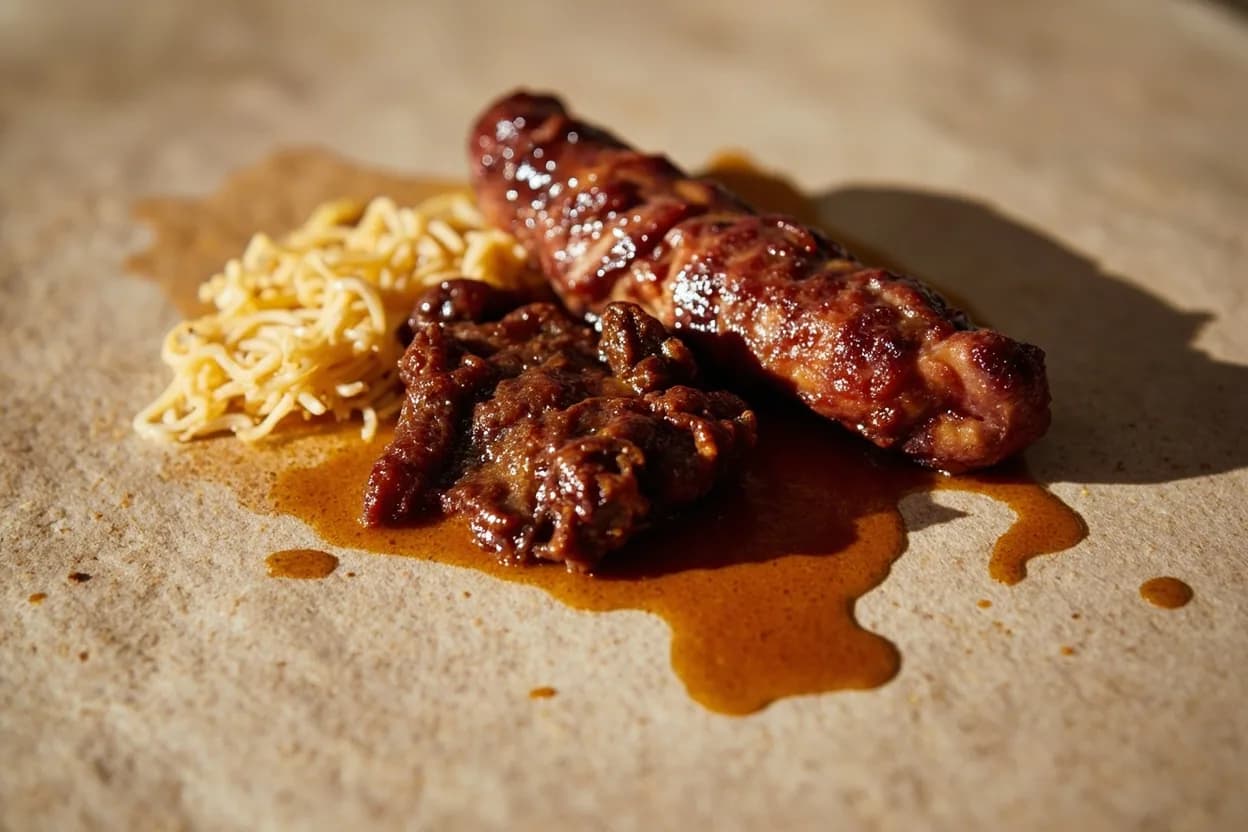
- Beef heart (anticuchos)Peruvian (anticuchos de corazón)
Chicha's lactic acid tenderizes the dense muscle of heart while its maize sweetness offsets the iron-rich intensity. Overnight marinating is essential.
- Ají amarilloPeruvian
The fruity-floral heat of yellow chile and chicha's lactic corn sweetness are the dual backbone of Andean cooking; they reinforce and balance each other in marinades and sauces.
- Lamb and goatAndean / Peruvian highland
Used as the braising liquid in pachamanca and similar pit-cook traditions; chicha's mild acidity neutralizes the gaminess of mountain-reared animals.
- CuminPeruvian, Ecuadorian
Cumin is the defining spice of Andean marinades; its earthy warmth bridges chicha's fermented grain character and the char of open-fire cooking.
- Cancha (toasted corn)Peruvian
As drinks and snacks go, chicha and cancha are inseparable; the same maize source ties them; the toasted crunch amplifies the roasted corn note in the beer.
- Potato (native varieties — papa amarilla, papa huayro)Andean
Stewed in chicha-and-chile braises, native potatoes absorb fermented sweetness while their waxy flesh holds shape, creating layered starchy depth.
- Garlic and black pepperPeruvian
The core of a Peruvian anticucho marinade alongside chicha; garlic's allicin pungency and black pepper's piperine heat sharpen the grain sweetness into a savory whole.
Adventurous pairings
- Miso (white or yellow)
Both are ancient fermented grain products; blending a small amount of miso into a chicha brine for pork ribs creates a cross-cultural umami marinade with complexity neither achieves alone.
- Pineapple and pineapple vinegar
Pineapple's bromelain enzyme syncs with chicha's lactic tenderizing; used together in an anticucho marinade the effect is notably faster breakdown without mushiness.
- Dark chocolate (cocoa nibs)
In modern Peruvian pastry, chicha de jora reduces to a molasses-like syrup that pairs with cocoa's bitterness — a pre-Columbian ingredients pairing with contemporary technique.
- Wok-charred leeks or scallions
The maillard compounds from charred alliums echo chicha's toasted-corn notes; a chicha-and-scallion glaze on grilled meat borrows from both Andean and East Asian flavor logic.
- Aged gouda or manchego
Chicha's mild lactic tang and corn sweetness make it a surprisingly effective pairing liquid — or reduction sauce — alongside hard cheeses that share a similar caramel-butterscotch note.
Tread carefully
- Delicate white fishavoid
The fermented funk and starchy density of chicha overpowers subtle fish like sea bass or sole; citrus-only leche de tigre is the correct acid for ceviche.
- Dairy cream saucesavoid
Chicha's mild acidity can curdle cream; if combining, temper the cream separately and add only at the finish over low heat.
- Green herbs (parsley, cilantro in large quantities)avoid
The fermented grain note competes with bright fresh herbaceousness; cilantro is used sparingly as garnish in Andean cooking, not cooked into chicha-based sauces.
How to use it
- Overnight marinade: combine chicha with ají amarillo paste, garlic, cumin, salt, and pepper; submerge beef heart or lamb for 8–12 hours in the refrigerator
- Braising liquid: replace up to half of meat stock with chicha in highland stews; reduce the initial liquid by a quarter before adding vegetables
- Deglazing: pour chicha into a hot pan after searing meat; the starch thickens the fond slightly as it reduces, producing a light natural glaze
- Reduction to syrup: simmer chicha slowly until reduced by 80%; the resulting corn-caramel syrup works as a dessert sauce or meat glaze
- Pachamanca baste: brush chicha over stones and wrapped meats in pit cooking to add fermented moisture during steam-roasting
Appears in
Related flavours
The defining companion spice in virtually every chicha-marinated dish
Shares the role of a fermented, slightly oxidative deglazing liquid; swap in European dishes where chicha is unavailable
- Beer (lager or pale ale)
Closest widely available substitute for chicha; lacks the lactic tang but provides the carbonation and grain sweetness
References
- 1.The Art of Peruvian Cuisine — Tony Custer
- 2.Peru: The Cookbook — Gastón Acurio
- 3.The Oxford Handbook of the Archaeology of Diet — Julie Dunne & Richard Evershed (eds.)
- 4.Cuisine and Culture: A History of Food and People — Linda Civitello
Confidence: high
Notes
Sourcing and substitution
Outside Peru and Ecuador, chicha de jora is rarely sold commercially. A workable approximation for cooking: combine 2 parts unseasoned light lager with 1 part piloncillo-sweetened water and a small splash of apple cider vinegar. It lacks the depth of real chicha but provides the acidity and corn sweetness the dish needs. Authentic frozen or concentrated chicha is sometimes available in Latin American specialty grocers in major cities.
Ceremonial and cultural significance
Chicha de jora is not merely a cooking ingredient — in Andean cosmology it is an offering to Pachamama (Mother Earth) and a communal bond. Traditional chicherías (chicha taverns, marked by red plastic bags on poles) remain active in highland Peru and Ecuador. Respecting this context matters when referencing the ingredient in menu writing or editorial.