Spices & Dried Aromatics
Cumin
Also: Cuminum cyminum, jeera, comino, cumin seed, whole cumin, ground cumin
The earthy, nutty backbone of four major culinary traditions — Indian, Mexican, Middle Eastern, and North African — and one of the world's most consumed spices.
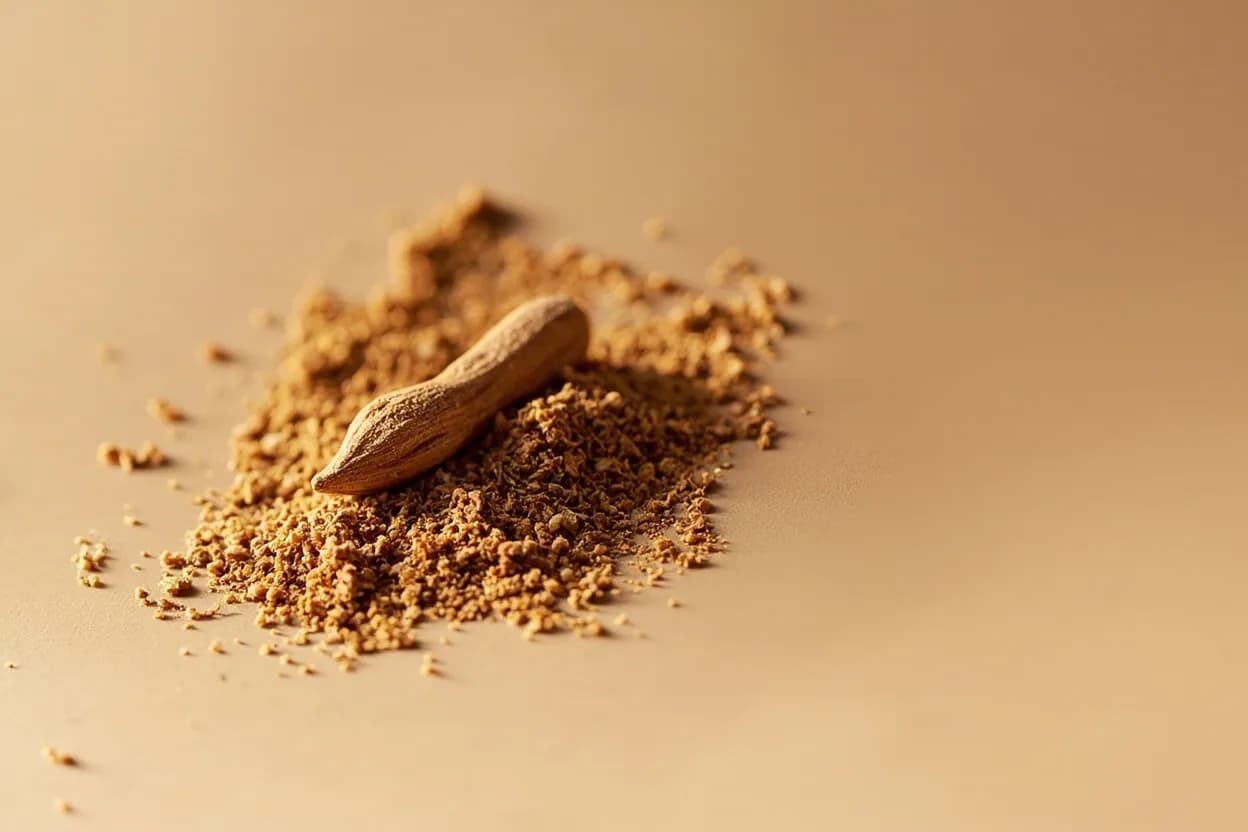
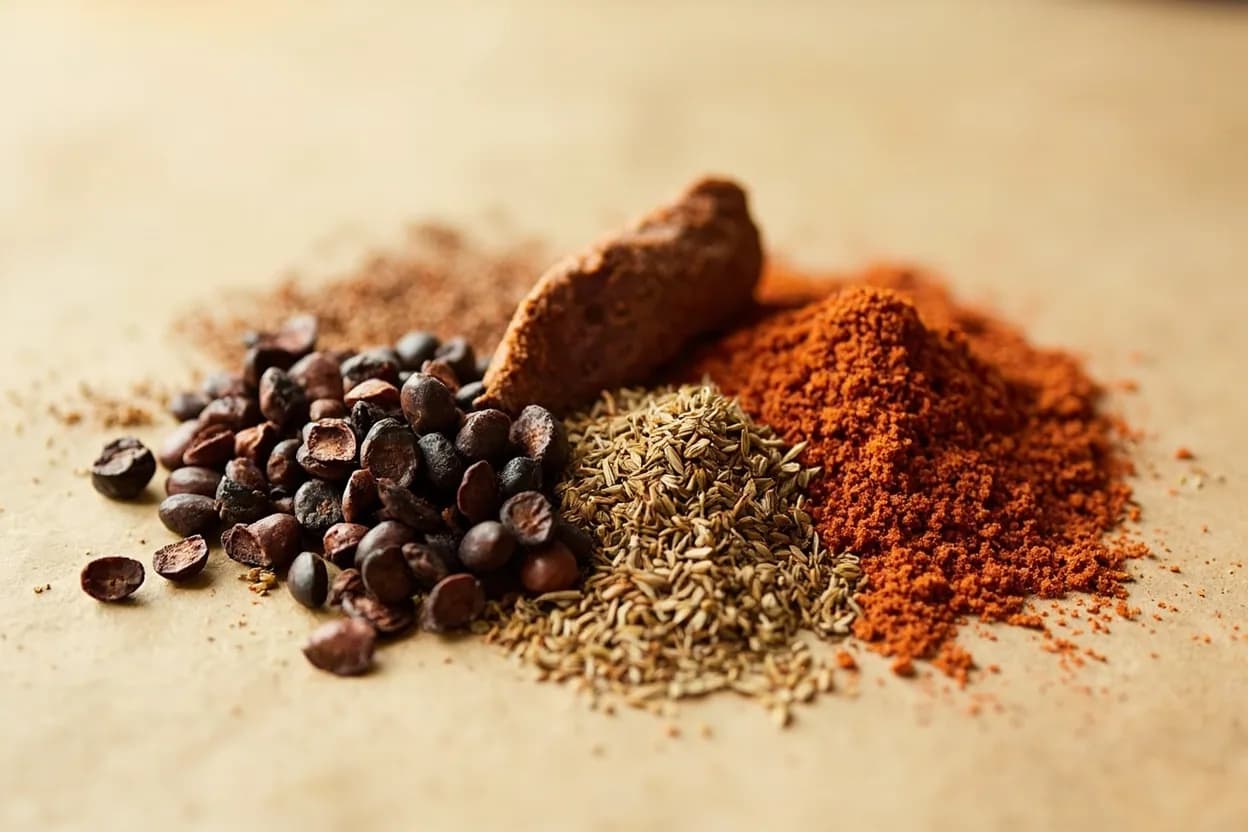
Cumin (Cuminum cyminum) is the dried seed of a small flowering plant in the parsley family, native to the Mediterranean and South Asia and now cultivated worldwide. Its flavor is warm, earthy, and slightly bitter with a penetrating nuttiness driven by the volatile compound cuminaldehyde, plus secondary notes of pepper and citrus. Cumin exists in two primary states — whole seeds (used in tadkas and rice dishes) and ground powder (used in spice blends and sauces) — which behave differently enough to warrant treatment as separate ingredients. It is foundational to Indian, Mexican, Middle Eastern, and North African cuisines.
In photos
Flavour profile
Classic pairings
- Coriander (seed)Indian / Middle Eastern
The most fundamental spice pairing in Indian and Middle Eastern cooking — cumin's earthy-bitter weight and coriander's lemony-floral brightness are so complementary that they form the base of virtually every curry powder and many spice blends worldwide.
- Black beans and dried chilesMexican
In Mexican and Tex-Mex cooking, cumin is the aromatic backbone of black bean soups, refried beans, and chile-based sauces — its earthy musk amplifies the dried chiles' complexity while anchoring the beans' earthiness.
- LambIndian / Middle Eastern / North African
Across Indian, Middle Eastern, and North African cuisines, cumin is an almost universal companion to lamb — its earthy warmth cuts through the fat and complements the meat's mineral depth in preparations from Indian keema to Moroccan kefta.
- TomatoesIndian / Mexican / Middle Eastern
Cumin amplifies tomatoes' savory umami depth — in Indian curries, Mexican salsas, and Middle Eastern shakshuka, the earthy-nutty spice and tomato's glutamate create a rounded, deeply savory foundation.
- YogurtIndian / Middle Eastern
Cumin-spiked yogurt appears across the breadth of South Asian and Middle Eastern cuisine — raita, cacik, and various dips use cumin (often toasted) to cut through yogurt's lactic richness and add aromatic warmth.
- ChickpeasMiddle Eastern / Indian / North African
Possibly cumin's most classic application in Mediterranean and Middle Eastern cooking — from hummus to chana masala to Egyptian ful medames, cumin's earthiness is the essential complement to chickpeas' nutty blandness.
- GarlicGlobal
Cumin and garlic share a savory, slightly sulfurous earthiness that deepens when bloomed together in oil — they form the aromatic base of countless dishes from Mexican guacamole seasoning to Indian tadka to Moroccan chermoula.
- Cumin seed in rice (jeera rice)Indian
Whole cumin seeds bloomed in ghee then stirred into basmati rice is one of the great simple preparations — the seeds pop and release their nutty volatile compounds directly into the fat that coats each grain.
Adventurous pairings
- Caramel and burnt sugar
A pinch of ground cumin in salted caramel or dulce de leche introduces an earthy depth that transforms the sweet from one-dimensional richness into something complex — common in some Mexican candy traditions.
- Oily fish (mackerel, sardines)
Cumin's earthy assertiveness is one of the few spice characters strong enough to complement the powerful, oily flavor of mackerel or sardines — a Moroccan spiced-fish approach that works brilliantly.
- Roasted beets
Beet's earthy sweetness and cumin's earthy warmth exist on the same aromatic register — roasted together or combined in a salad with yogurt and fresh herbs, they reinforce rather than compete.
- Mezcal
Mezcal's smoky agave character and cumin's earthy musk are a natural pairing — a cumin-infused mezcal simple syrup in cocktails, or cumin salt on the rim, creates a coherent earthy-smoky flavor arc.
- Dark chocolate (in mole-adjacent sauces)
Mexican mole negro uses cumin as a structural spice alongside dried chiles and chocolate — the earthy musk bridges the bitterness of cacao and the heat of chiles in a way more delicate spices cannot.
Tread carefully
- Delicate floral dessertsavoid
Cumin's earthy musk overwhelms any delicate floral sweetness — panna cotta, pavlova, elderflower preparations, and similar desserts are ruined by even small amounts.
- Fresh raw salads (in excess)avoid
Raw ground cumin has a harsh, almost dirty quality on uncooked leaves — it needs heat or acid to mellow. Toast it or use only minimal amounts in uncooked applications.
- Light fish in cream saucesavoid
Sole, halibut, and other delicate white fish in cream preparations are overpowered by cumin's penetrating earthiness — the spice dominates rather than supports the fish's subtlety.
How to use it
- Toast whole seeds dry in a pan over medium heat until fragrant (30–60 seconds) before grinding — dramatically improves depth and removes rawness
- Bloom whole seeds in hot oil or ghee at the start of cooking (tadka technique) — they sputter and pop; add other aromatics immediately after
- Ground cumin is added mid-cook in most Indian and Mexican preparations, after the base aromatics have softened
- In North African cooking, cumin is often added raw to cold preparations like carrot salad — use sparingly
- For the most complex flavor, combine freshly ground toasted cumin with a small amount of pre-ground for depth plus brightness
- Cumin salt (ground toasted seeds + flaky salt) is a finishing seasoning for street food, yogurt, and roasted vegetables
Appears in
Related flavours
The canonical flavor partner — together they form the building block of Indian curry powder and dozens of spice blends worldwide
The third leg of the Indian spice-base trinity alongside cumin and coriander — adds color and earthy bitterness that complements cumin's musk
- Smoked Paprika
In Middle Eastern and North African cooking, cumin and paprika are frequent partners — the smoky-sweet pepper note softens and sweetens cumin's earthy intensity
- Dried Oregano
The Mexican combination of cumin and dried oregano is the backbone of Tex-Mex seasoning and many authentic regional Mexican sauces — oregano's herbal bitterness balances cumin's earthiness
References
- 1.The Flavor Bible — Karen Page & Andrew Dornenburg
- 2.On Food and Cooking — Harold McGee
- 3.Jerusalem — Yotam Ottolenghi & Sami Tamimi
- 4.Ottolenghi: The Cookbook — Yotam Ottolenghi & Sami Tamimi
- 5.Indian Cooking — Madhur Jaffrey
- 6.The Oxford Companion to Food — Alan Davidson
Confidence: high
Notes
Whole seeds vs. ground: different ingredients
Treating cumin seed and ground cumin as interchangeable is a common and costly mistake. Whole seeds, bloomed in fat, release their volatiles slowly and provide textural pops of flavor; they are primarily used at the beginning of cooking. Ground cumin, by contrast, disperses uniformly and integrates into sauces and braises; it should be added mid-cook and works poorly as a finishing spice. Pre-ground cumin from a jar that has been open more than a few months has typically lost most of its volatile cuminaldehyde — this more than any single factor explains why home cumin dishes taste flat compared to restaurant versions. Buy whole seeds, toast, and grind on demand.
Cuminaldehyde and body odor
Cumin contains cuminaldehyde, a volatile compound that is metabolized and excreted through sweat. This is not a culinary defect — it simply explains why very heavy cumin use (as occasionally encountered in some cuisines) can have noticeable effects beyond the plate. At normal culinary concentrations, this is imperceptible; it only becomes relevant in preparations where cumin is used in extremely large quantities as a primary ingredient rather than a seasoning.