Spices & Dried Aromatics
Ají Amarillo
Also: yellow chili, ají escabeche, ají mirasol (dried)
Peru's golden chili — fruity, tropical, and persistently hot — the backbone of the nation's most iconic sauces.
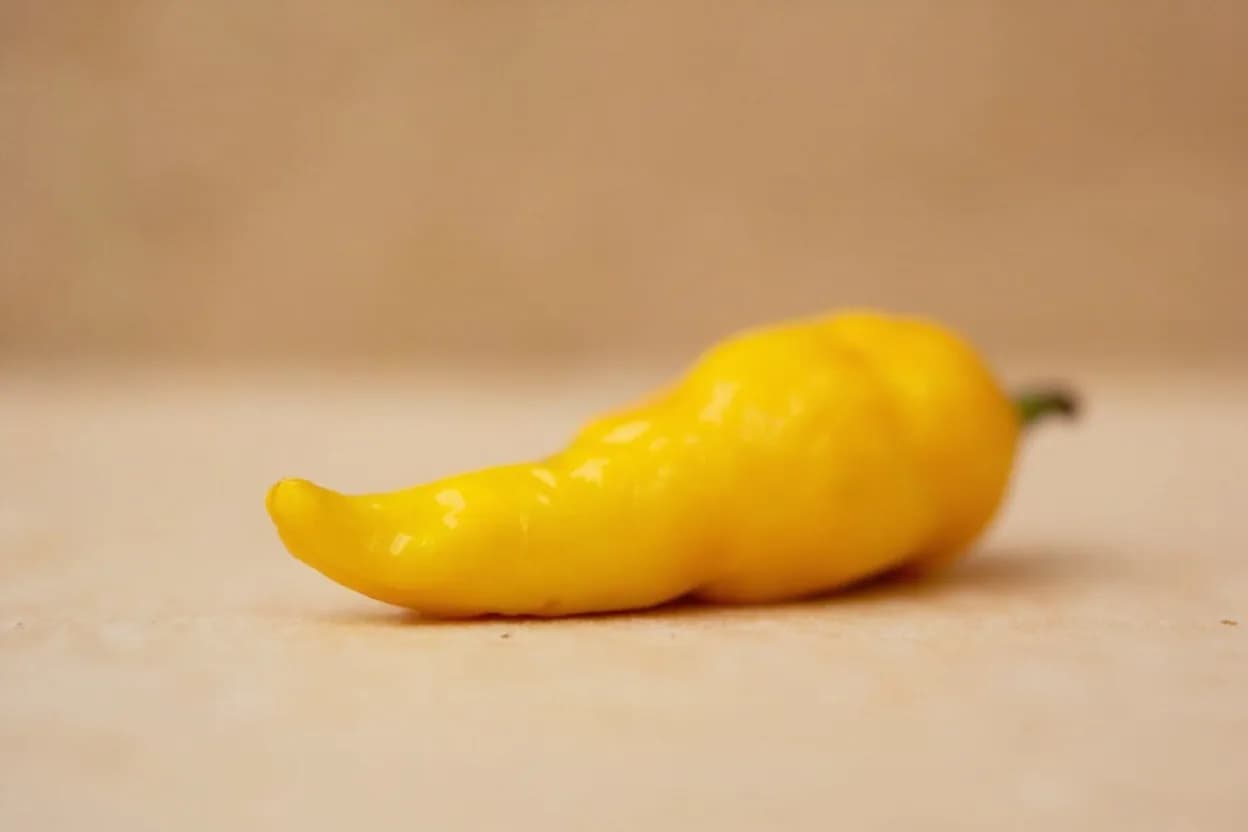
Ají amarillo (Capsicum baccatum) is Peru's most culturally important chili, ripening to a vivid orange-yellow. Its heat sits at 30,000–50,000 SHU — noticeable but not punishing — and its flavor is the real story: intensely fruity with notes of passion fruit, mango, and dried apricot layered over a floral warmth. Fresh, it's used in ceviche leche de tigre, causa rellena, and ají de gallina. As a paste, it becomes the workhorse of modern Peruvian cooking globally.
In photos
Flavour profile
Classic pairings
- Lime juicePeruvian
The acid of lime sharpens and amplifies ají amarillo's fruity heat — the foundation of leche de tigre in ceviche.
- Fresh fish (sea bass, flounder)Peruvian
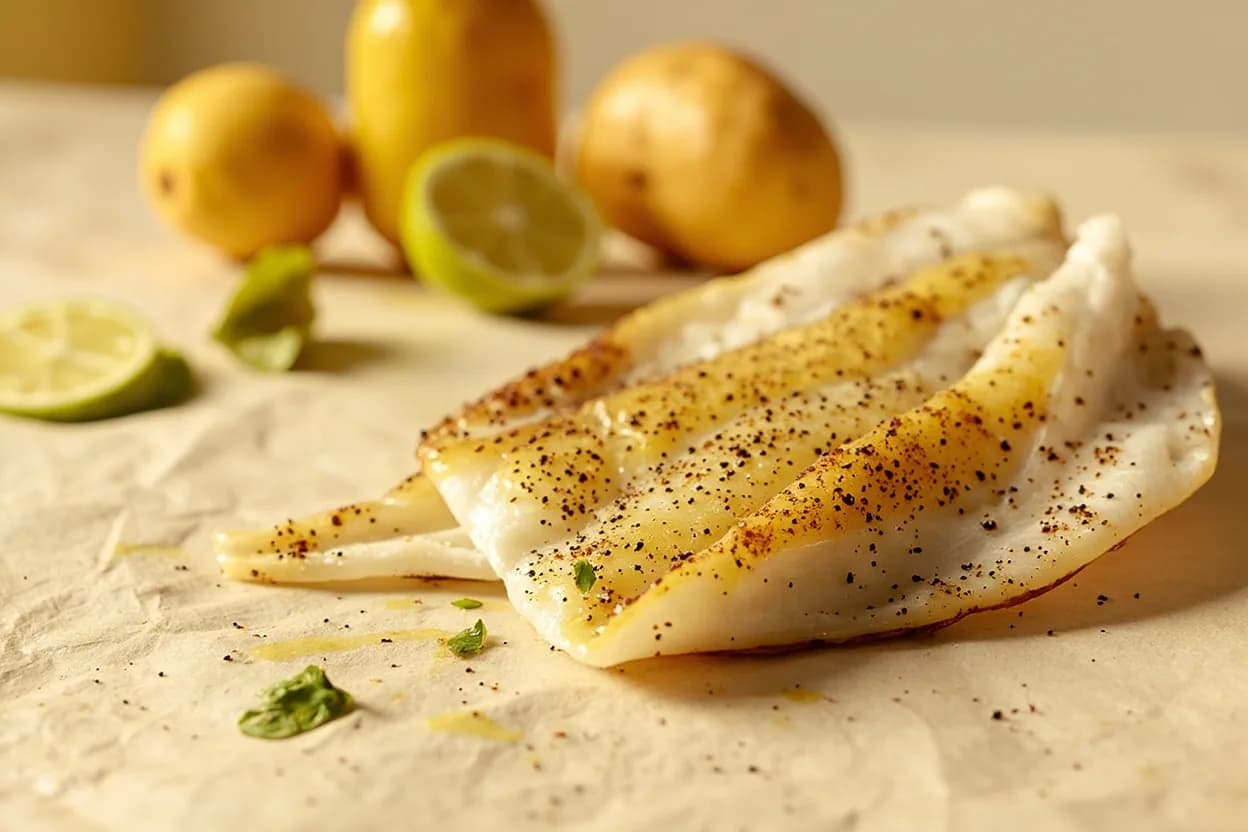
Delicate white fish needs a chili that adds heat without overwhelming; ají amarillo's fruit lifts the fish's clean sweetness.
- PotatoPeruvian
Potatoes absorb the chili paste beautifully — causa rellena and papa a la huancaína are the canonical examples.
- ChickenPeruvian
Ají de gallina's creamy walnut-and-chili sauce over shredded chicken is perhaps Peru's most beloved home dish.
- Queso frescoPeruvian
The mild, milky cheese cools the heat and provides a neutral canvas for the chili's color and fruit.
- Evaporated milk or creamPeruvian
Fat tames capsaicin while letting fruit notes bloom — used in ají de gallina sauce and papa a la huancaína.
- Red onionPeruvian
Thinly sliced red onion macerated with lime and ají amarillo is the classic salsa criolla that tops ceviches and anticuchos.
Adventurous pairings
- Miso (white shiro miso)
The umami depth of white miso marries the tropical fruit of ají amarillo — a natural Nikkei (Japanese-Peruvian) bridge for fish glazes and salad dressings.
The richness and natural sweetness of coconut amplifies the chili's mango-like notes and smooths the heat — excellent in a Peruvian-inflected curry or mussel stew.
- Dark chocolate (70%+)
Bitter cacao grounds the fruity chili and stretches its heat into a long, complex finish — works in a mole-adjacent sauce for duck or venison.
- Pineapple
Shares tropical esters; the bromelain in pineapple also tenderizes proteins — ideal in a ceviche variation or pork marinade.
Tread carefully
- Delicate herbs (tarragon, chervil)avoid
The fruity heat overwhelms these subtle anise-forward herbs; use cilantro instead, which can hold its own.
- Very tannic red wine reductionsavoid
Tannin clashes with the chili's fruitiness, making both taste bitter and harsh. Opt for a lighter acid-based sauce.
How to use it
- Blend fresh or rehydrated chili into a smooth paste (ají amarillo paste) as a base for sauces
- Add paste early in a sofrito to deepen and mellow its fruitiness
- Steep in warm cream or evaporated milk for 10 minutes before blending into cream sauces
- Use fresh sliced rings in leche de tigre for brightness without losing heat
- Dry-roast seeds-in to deepen smokiness before grinding
Appears in
Related flavours
The smoky, earthy counterpart — often used alongside ají amarillo to add depth without additional fruity brightness.
Another Peruvian chili, far hotter and with more berry-like notes, used when a deeper red color and more intense heat are needed.
- Cilantro
The classic fresh herb pairing throughout Peruvian cuisine; its citrusy, grassy character complements the chili's fruitiness.
References
- 1.The Art of Peruvian Cuisine — Tony Custer
- 2.Nobu: The Cookbook — Nobu Matsuhisa (Nikkei techniques)
- 3.Gran Cocina Latina — Maricel Presilla
- 4.Peru: The Cookbook — Gastón Acurio
Confidence: high
Notes
Fresh vs. paste
Fresh ají amarillo is intensely aromatic and slightly sweeter; the commercial paste (widely available globally) is more concentrated and uniform. For most sauces, start with paste. For ceviches and tiraditos where brightness matters, seek out fresh or frozen whole chilies.
Nikkei connection
The Japanese-Peruvian (Nikkei) culinary tradition — exemplified by chefs like Nobu Matsuhisa and Mitsuharu Tsumura — pairs ají amarillo with soy, miso, and yuzu with stunning results, demonstrating how the chili's tropical fruit bridges East Asian and Andean pantries.