Cheeses
Queso Fresco
Also: fresh cheese, queso blanco, queso de mano, queso del país
Mexico's go-to crumbling cheese: mild, salty, and cool enough to tame any heat.
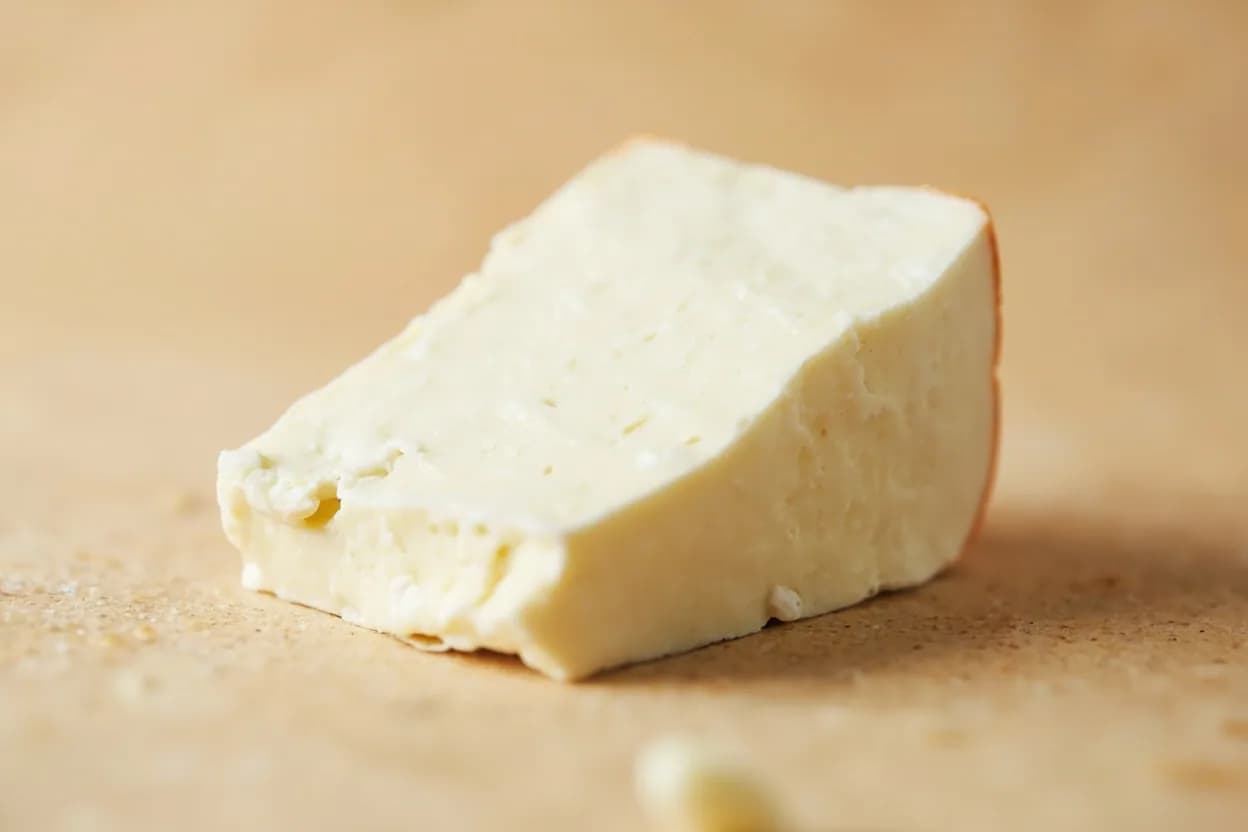
Queso fresco is an unaged Mexican fresh cheese made from cow's milk (or a cow-goat blend), pressed into rounds and brined lightly. Its texture is firm enough to crumble but moist enough to melt slightly under heat. The flavor is milky, lightly acidic, and clean — saline without sharpness — making it the quintessential garnish and cooling counterpoint throughout Mexican and Central American cooking.
In photos
Flavour profile
Classic pairings
- Corn tortillasMexican
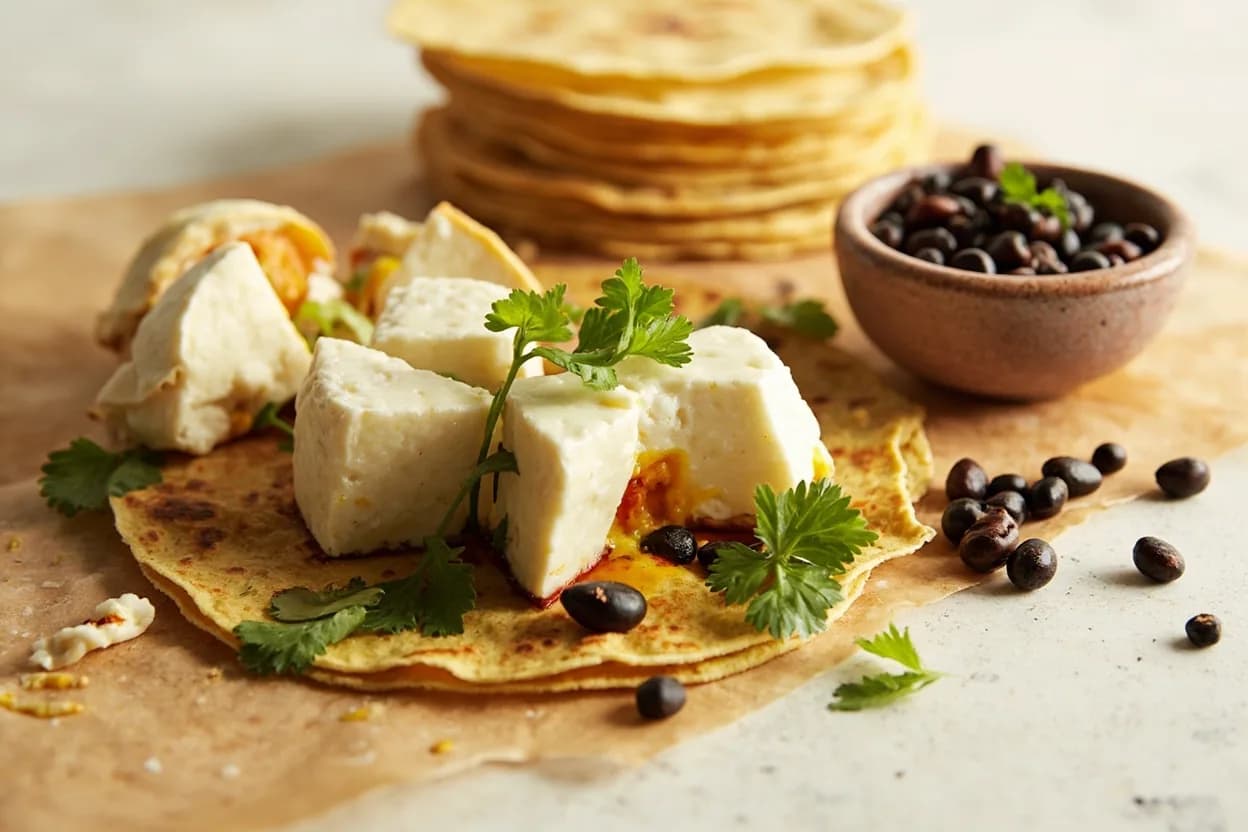
The nixtamal earthiness of masa is a natural landing pad for queso fresco's salt; every taco de canasta is finished this way.
- Black beansMexican
Earthy, slightly sweet beans need the bright salinity of queso fresco to lift them; a staple of Mexican breakfasts and side dishes.
- Roasted poblano chilesMexican
The mild smoky heat of poblanos is cooled and unified by crumbled queso fresco, especially in chiles rellenos and rajas.
- Elote (Mexican street corn)Mexican
Queso fresco is pressed onto mayo-slathered grilled corn alongside chile and lime — the salt and crumble are structural to the dish.
- Red chile enchilada sauceMexican
The assertive, dried-chile depth of red sauce is balanced by the mild cheese's dairy freshness; enchiladas are barely imaginable without it.
- Tomatillo salsa verdeMexican
The tart brightness of tomatillo finds a creamy, neutral foil in queso fresco; the pairing appears on chilaquiles and huevos rancheros.
- EpazoteMexican
The pungent, petroleum-edged herb softens dramatically when queso fresco is crumbled alongside it in bean dishes and quesadillas.
Adventurous pairings
- Watermelon and tajín
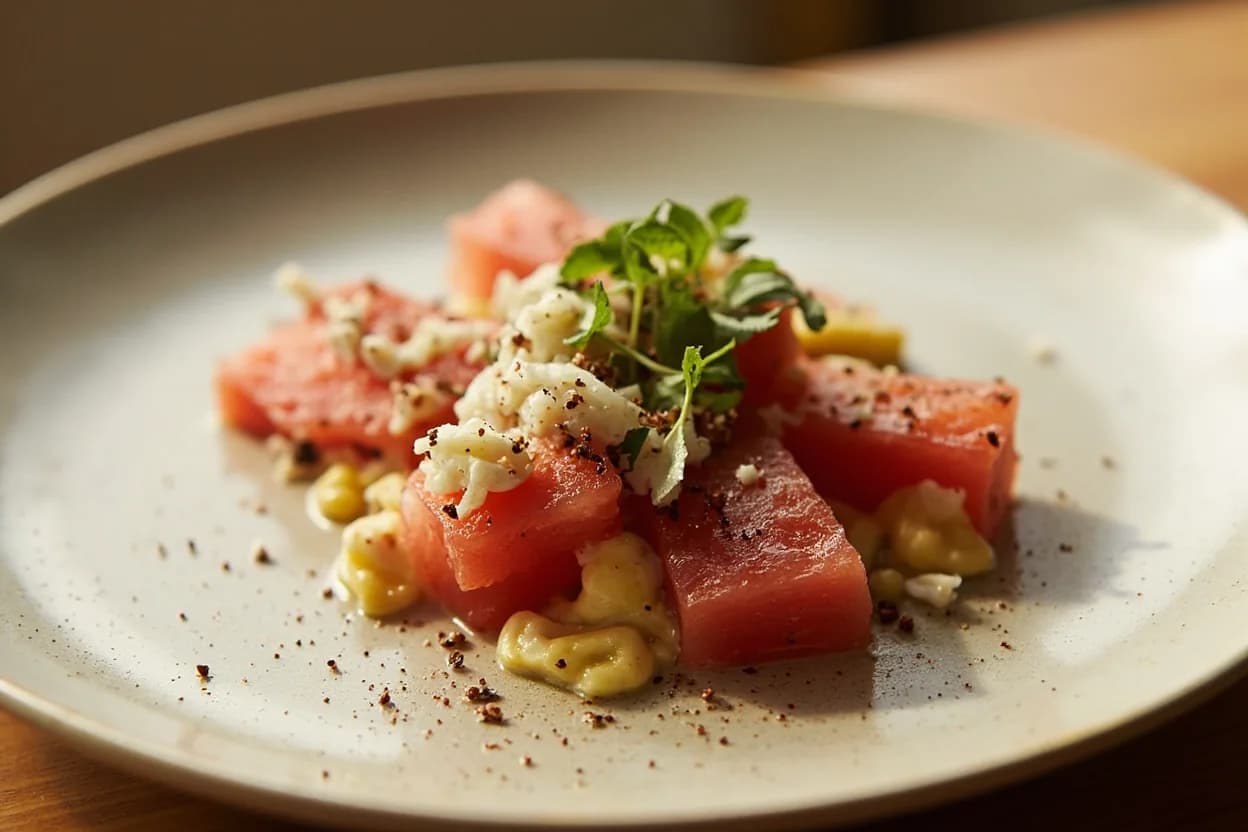
Sweet watermelon, chile-lime tajín, and crumbled queso fresco hit every register simultaneously — a popular Mexican street snack riff that travels beautifully to salads.
- Grilled nopales
Cactus paddle's tart, slightly vegetal slipperiness is anchored by the cheese's brine; add lime and oregano for a full central-Mexican plate.
- Honey and dried oregano
Queso fresco's neutrality makes it a blank canvas for floral honey and earthy dried oregano — an appetizer echo of Greek cheese-and-honey pairings, adapted to Mexican context.
- Mango and habanero
The fruity fire of habanero mango salsa is tempered by the cool creaminess of crumbled queso fresco — a Yucatecan-inflected combination.
- Roasted beets
Earthy sweetness of beets and salty fresh cheese is a pairing with deep roots in both Mexican and Eastern European kitchens; a surprising cross-cultural resonance.
Tread carefully
- Aged tannic red winesavoid
Heavy tannins from wines like Cabernet Sauvignon strip the delicate lactic character of queso fresco, leaving nothing but astringency.
- Very strong blue cheeseavoid
Combining queso fresco with intensely funky cheeses on the same plate obliterates its subtle freshness — one partner always wins and it is never queso fresco.
- High-heat direct grilling (unprotected)avoid
Unlike cotija or paneer, queso fresco has too much moisture to hold shape over direct high heat — it will dissolve into the grill; use it only as a finish.
How to use it
- Crumble over finished dishes just before serving to preserve texture and freshness
- Press into a mold with cheesecloth and refrigerate overnight for a firmer crumble
- Warm briefly in rendered lard or oil in a skillet to create a slightly melted, golden-edged garnish for soups
- Blend with crema and lime juice into a quick sauce for drizzling over tostadas
- Layer into quesadillas on a comal — medium-low heat allows it to soften without fully liquefying
Appears in
Related flavours
- Cotija
The aged, drier, saltier counterpart — used in many of the same dishes but contributes sharper funk where queso fresco stays milky and mild.
- Mexican crema
Often deployed side-by-side with queso fresco; crema provides fat and richness, queso fresco provides salt and texture.
A functional analog from South Asia — similar fresh, non-melting character and mild flavor, though made from whole buffalo or cow milk without brine.
References
- 1.Authentic Mexican — Rick Bayless
- 2.Mexico: The Cookbook — Margarita Carrillo Arronte
- 3.The Food of Mexico — Maricel Presilla
- 4.On Food and Cooking — Harold McGee
Confidence: high
Notes
Regional variation
Queso fresco is not monolithic. In Oaxaca, queso de Oaxaca (a string-style pulled curd) plays a similar role. In central Mexico, a firmer, drier queso fresco is preferred for crumbling, while Veracruz versions lean creamier. Central American panela and queso del país are close cousins with slightly different salt levels.
Substitution note
In a pinch, a mild feta (rinsed to reduce salt) or ricotta salata behaves similarly in texture. Farmers cheese can approximate the fresh curd flavor, though the salinity profile differs.