Spices & Dried Aromatics
Ají Panca
Also: ají panka, Peruvian dried red chili, panca chili
Peru's workhorse dried chili — deep burgundy, smoky, and berry-rich with a low, slow-burning heat that anchors marinades and braises.
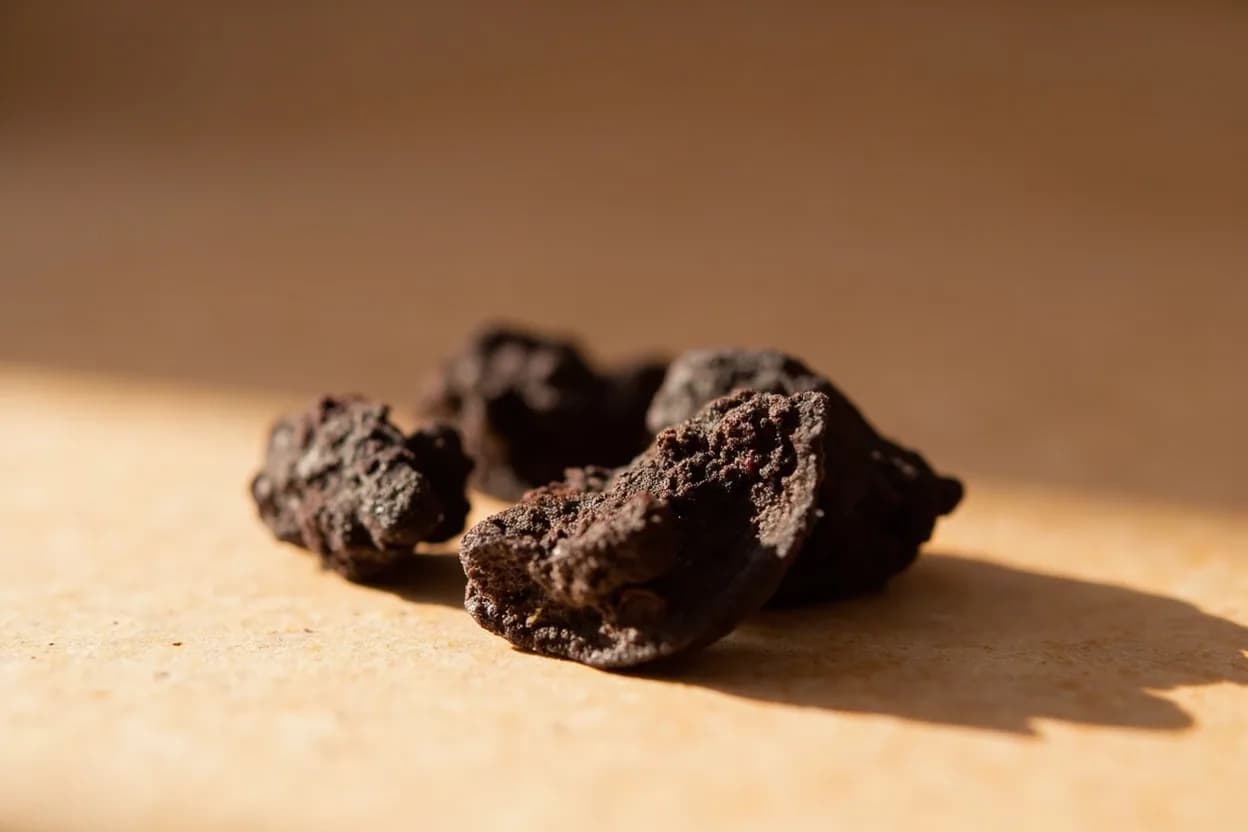
Ají panca (Capsicum chinense) is one of Peru's most produced dried chilies, sun-dried after ripening to a dark brick-red. Unlike ají amarillo's tropical brightness, panca is earthy and complex: smoky with notes of dried berry, coffee, and mild chocolate, with a relatively low heat (1,000–1,500 SHU). It is the defining flavor in anticuchos (grilled heart skewers), long-marinated meats, and the country's slow-cooked stews. Used primarily as a paste or dried, never fresh.
In photos
Flavour profile
Classic pairings
- Beef heartPeruvian
The defining combination in anticuchos: panca paste deeply penetrates the offal's iron-rich flesh, its smokiness balancing the meat's gaminess.
- CuminPeruvian
Cumin's warm, musty earthiness amplifies panca's earthy smoky dimension — every anticucho marinade and stew rubs employ both.
- GarlicPeruvian
Panca paste built on sautéed garlic becomes the foundation of most Peruvian braises — the raw garlic sweetens and ties the dried chili to the fat.
- Vinegar (red wine or cider)Peruvian
Acid in marinades rehydrates panca's dried fruit notes and brightens the whole profile; a key component of the traditional anticucho marinade.
- Lamb and goatPeruvian
Panca's smoky berry character complements strongly flavored red meats without fighting them — used in seco de cordero and similar highland stews.
- Black beer (chicha negra or dark lager)Peruvian
The roasted malt mirrors the coffee-chocolate dimension of panca; traditional carapulcra uses chicha to create a deeply layered braise.
Adventurous pairings
- Smoked paprika
A deliberate doubling of smoke — panca paste and smoked paprika together create extraordinary depth in dry rubs for pork ribs or duck legs.
Tamarind's sour-fruity tartness cuts through panca's richness and amplifies the dried-berry notes — effective in a Peruvian-Levantine glaze for lamb.
- Dark soy sauce
The molasses depth of dark soy magnifies panca's dried-fruit earthiness — a Nikkei-inflected marinade bridge for pork belly or short ribs.
- Dried hibiscus (jamaica)
Both share deep burgundy color and dried berry notes; hibiscus adds bright acid that lifts what can be a heavy flavor — use in a braise liquid or reduction.
Tread carefully
- Delicate white fish or shellfishavoid
Panca's heavy, earthy smoke overwhelms the clean sweetness of seafood like scallops or sole — use ají amarillo instead for seafood applications.
- Fresh citrus-dominant preparationsavoid
Panca's drying, earthy character clashes with bright raw-citrus dishes; it needs cooking to integrate properly.
- Cream-based saucesavoid
The smokiness turns acrid when carried in cream — better in oil- or stock-based preparations where the fat can dissolve the fat-soluble capsaicinoids without clashing.
How to use it
- Soak dried panca in hot water 20 minutes, then blend to a smooth paste
- Fry paste in oil over medium heat for 5–8 minutes until it darkens and smells toasty before adding liquids
- Combine with ají amarillo paste in equal parts for a complex dual-chili marinade base
- Use in dry rubs for meats that will be grilled over charcoal — the smoke compounds in the chili harmonize with wood smoke
- Add a spoonful to a sofrito with cumin and garlic as the flavor base for braises
Appears in
Related flavours
The complementary bright, fruity chili often blended with panca to balance smoke with fruitiness in Peruvian cooking.
- Ancho Chili
Mexican dried chili with similar dried-fruit and mild-chocolate notes — the most viable substitute when panca is unavailable.
- Guajillo Chili
Another Mexican cousin with dried berry and slight smoke; leaner and brighter than panca but shares structural flavor similarities.
References
- 1.Peru: The Cookbook — Gastón Acurio
- 2.Gran Cocina Latina — Maricel Presilla
- 3.The Art of Peruvian Cuisine — Tony Custer
- 4.Criollo Cooking (Cocina Criolla) — various Peruvian culinary institutes
Confidence: high
Notes
Panca vs. other dried Peruvian chilies
Panca is often confused with ají negro (which is smoke-dried over wood for days, yielding a far more intense smokiness) and with ají mulato. Panca is sun-dried, producing a cleaner, fruitier smoke. At the market, look for the deep burgundy color and velvety skin — black spots indicate over-drying and bitterness.
The anticucho tradition
Anticuchos are one of Peru's most beloved street foods, tracing to Afro-Peruvian cooking traditions of the colonial era where enslaved Africans transformed discarded offal into delicacies using Andean chilies. Ají panca's marinade is the defining element — time (ideally overnight) is as important as the ingredients.