Spices & Dried Aromatics
Ajwain (Carom Seed)
Also: carom seed, bishop's weed, ajowan, omam, ajmo
A thyme-meets-cumin powerhouse that electrifies Indian flatbreads and fritters with medicinal punch.
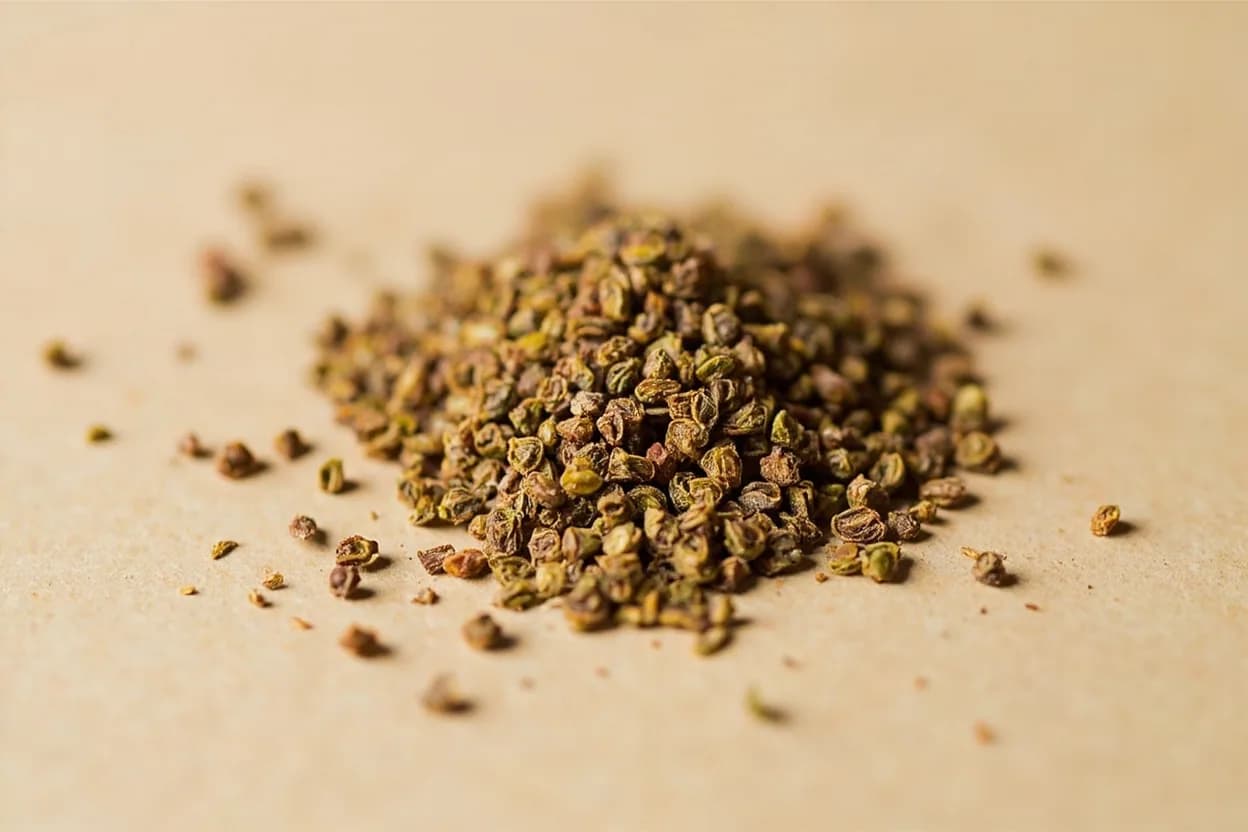
Ajwain (Trachyspermum ammi) is the seed-fruit of a plant in the Apiaceae family, related to caraway, cumin, and dill. The seeds contain up to 50% thymol — the same compound that gives thyme its character — which produces an intensely aromatic, slightly medicinal warmth. Raw ajwain is pungent and bitter; brief cooking in fat softens the bite and releases its appetizing, anise-tinged spice. A little goes a long way: Indian cooks typically use it in very small quantities, often bloomed in hot oil or ghee.
In photos
Flavour profile
Classic pairings
- Whole-wheat flour (atta)North Indian
Ajwain embedded in paratha dough perfumes each layer; the glutinous crumb traps the volatile thymol so it blooms on every bite.
- Chickpea flour (besan)Indian
In pakoras, ajwain cuts through the dense nuttiness of besan and aids digestion of the fried batter — a classic pairing rooted in Ayurvedic logic.
- PotatoNorth Indian
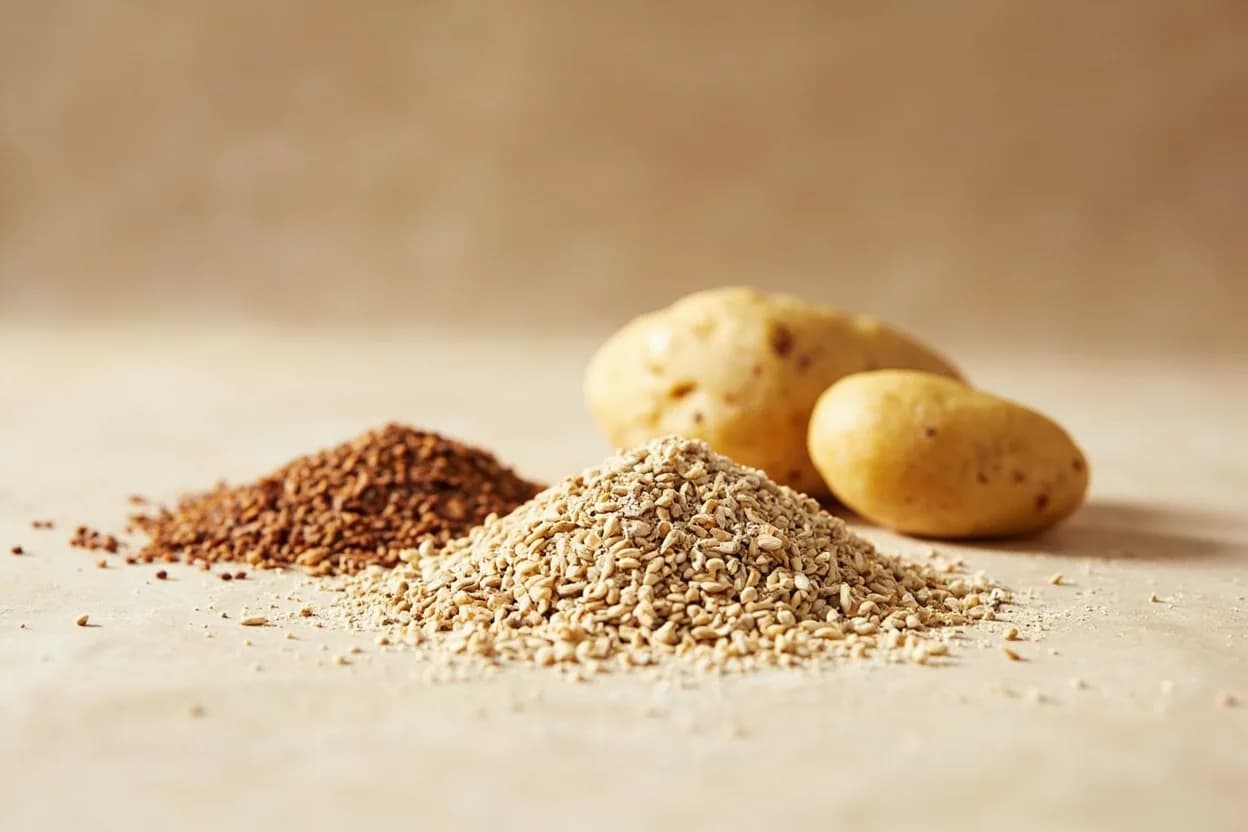
Bland starchy potatoes are the ideal canvas for ajwain's pungency; aloo recipes from Rajasthani sabzi to Bengali torkari use it to bring the vegetable alive.
- Carom-spiced fish (ajwain fish fry)Punjabi / Bengali
In Punjab and Bengal, ajwain marinades cut the fishy notes of freshwater fish with antiseptic thymol, yielding a fragrant, clean-tasting crust.
- GheeIndian
Blooming ajwain in hot ghee is foundational: the milk solids absorb thymol volatiles, creating a fat-based carrier that coats flatbreads or vegetables evenly.
- Lentils and dried legumesNorth Indian
A tadka of ajwain in hot oil poured over dhal is a classic Punjabi and Rajasthani finishing technique; it counters flatulence from legumes while adding savory depth.
- Cumin seedIndian
Together these seeds form a panch-phoron-style base note; cumin's earthy warmth anchors ajwain's sharper volatility into a rounder, more approachable finish.
Adventurous pairings
- Lamb fat
Rendered lamb fat is rich and gamey; ajwain's thymol acts like concentrated thyme, cutting the richness and giving Middle Eastern-inflected dishes a distinctive herbal note without adding green plant matter.
- Dark chocolate (70%+)
A pinch of ajwain in a chocolate bark or ganache echoes the pairing of thyme with chocolate; the medicinal camphor note reads as sophisticated bitterness rather than spice.
The fermented citrus brine of preserved lemon shares saline, vegetal top notes with ajwain; together in a dressing or grain salad they create an unexpectedly North African-South Asian hybrid character.
Rye's earthy, slightly sour crumb mirrors ajwain's bitter anise edge; Scandinavian-style seeded ryes are transformed by a small addition, bridging European caraway tradition with South Asian ajwain.
- Mango chutney
Cooked into a chutney alongside raw mango, ajwain provides a bitter counterpoint that prevents the sweetness from cloying — a less common substitution for the usual dried red chili.
Tread carefully
- Delicate herbs (basil, tarragon, chervil)avoid
Ajwain's medicinal thymol concentration will completely obliterate fine herbaceous notes; reserve delicate herbs for dishes where ajwain plays no role.
- Floral spices (rose water, kewra)avoid
The camphor sharpness of ajwain clashes with floral aromatics, producing a medicinal, almost pharmaceutical quality in sweets or rice dishes.
- Dairy-based dessertsavoid
In milk puddings or kheer, ajwain's bitter edge and thymol heat fight with the cooling milk fat and sweetness, creating an unpleasant medicinal aftertaste.
How to use it
- Bloom in hot ghee or oil for 30–45 seconds until seeds pop and darken slightly — this is called a tadka or chaunk
- Crush lightly in a mortar before adding to dough to release thymol without whole-seed texture
- Use as a dry rub component on fish or meat before frying; thymol acts as a natural tenderizer
- Add whole to flatbread dough so seeds remain intact and deliver concentrated bursts of flavor
- Toast dry in a skillet over low heat to mellow bitterness before grinding into spice mixes
Appears in
Related flavours
Shares earthy warmth and is frequently used alongside ajwain in tadkas and spice blends
Both carry a pleasantly bitter edge; appear together in many North Indian bread and vegetable preparations
- Thyme
Contains the same aromatic compound (thymol) and can substitute in a pinch, though with greener, less pungent character
Citrusy coriander seed counters ajwain's medicinal sharpness in spice mixes and chutneys
References
- 1.Flavour Thesaurus — Niki Segnit
- 2.The Complete Indian Regional Cookbook — Mridula Baljekar
- 3.Spices: Flavour Chemistry and Antioxidant Properties — ACS Symposium Series (Bhagwat et al.)
- 4.The Oxford Companion to Food — Alan Davidson
Confidence: high
Notes
Medicinal heritage
Ajwain has been central to Ayurvedic and Unani medicine for millennia, prescribed as a carminative and digestive aid. This isn't folk mythology: thymol is clinically recognized as an antifungal and antispasmodic agent. When Indian grandmothers press ajwain seeds into paratha dough before a heavy meal, they are drawing on a pharmacological tradition that predates modern nutrition science by two thousand years.
Quantity discipline
No spice requires more restraint than ajwain. Classic recipes rarely call for more than half a teaspoon for a recipe serving four. Overdosing produces a medicinal, almost antiseptic flavor that dominates every other element in the dish. When in doubt, halve your instinct and build from there.