Spices & Dried Aromatics
Aleppo Pepper
Also: pul biber (Turkish name for Aleppo-style), halaby pepper, Syrian red pepper flakes
A semi-oily Syrian dried chile flake with fruity, cumin-tinged warmth and only moderate heat — the most versatile finishing spice of the Levant.
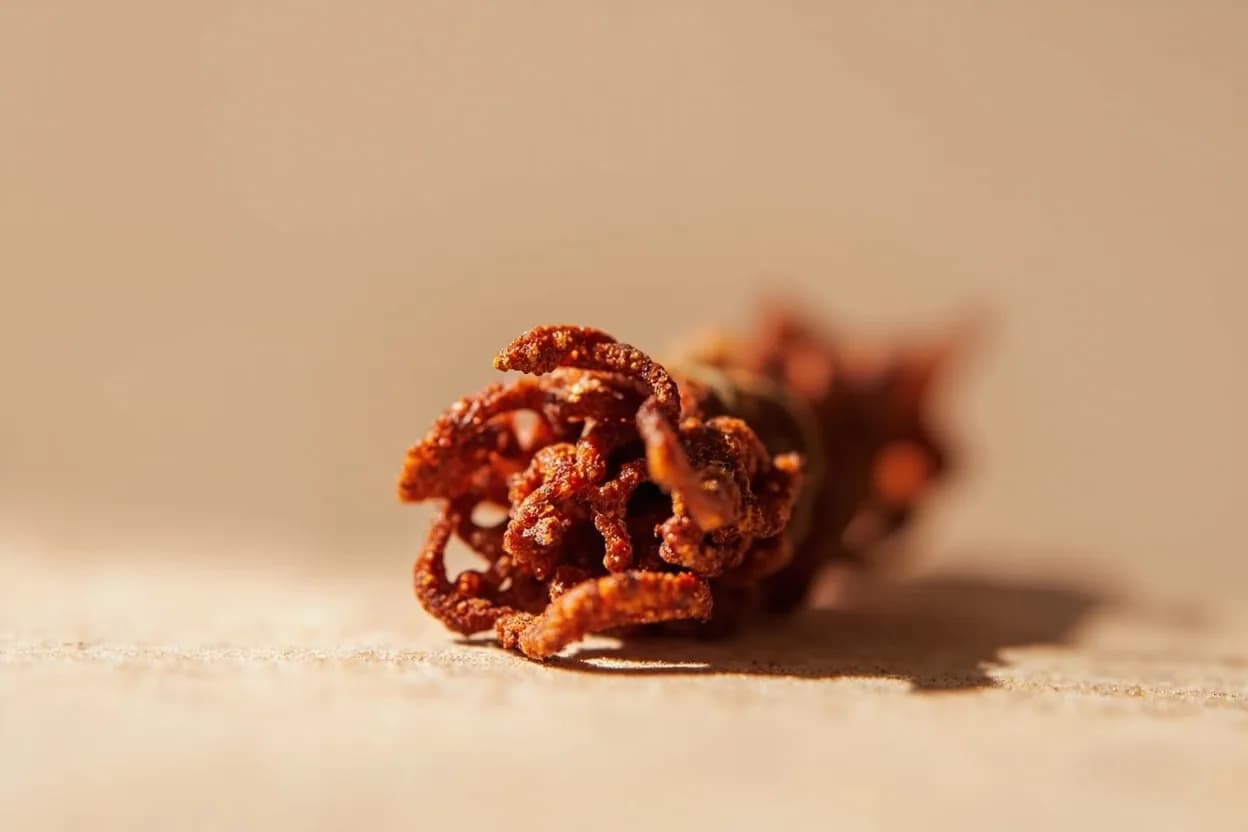
Aleppo pepper comes from the Halaby chile grown in the Aleppo region of northern Syria and neighboring Turkey. After harvesting, the chiles are dried, seeded, coarsely ground, and mixed with a small amount of salt and olive oil, giving the flakes their characteristic deep burgundy-red color, damp texture, and oily sheen. The heat is mild to moderate (10,000 SHU), building slowly with a warm, lingering finish. The flavor profile is complex: fruity (dried raisin and apricot), mildly smoky, with a subtle earthy cumin-like note. Due to the Syrian civil war disrupting production, Turkish 'pul biber' and substitute blends are increasingly common but vary in quality.
In photos
Flavour profile
Classic pairings
- yogurt (labneh, strained)Syrian / Levantine
The Levantine standard: Aleppo's heat and fruit bloom in cold, tangy yogurt; the dairy fat carries the flavor and tempers the spice.
- grilled lambLevantine / Turkish
Lamb's gamey mineral fat is a natural foil for Aleppo's fruity warmth; scattered on köfte, chops, or lamb flatbreads.
- olive oilLevantine
Warming Aleppo flakes in olive oil blooms their fruitiness into a vivid dipping sauce or a finishing drizzle for hummus and dips.
- cucumberLevantine
Fresh cucumber's cool, watery crunch provides relief from Aleppo's heat in salads and mezze plates.
- eggs (fried or scrambled)Levantine / Turkish
Finishing eggs with Aleppo pepper and butter is a Levantine staple; the chile's fruit and warmth elevate a simple breakfast.
- feta cheeseLevantine / Greek-influenced
Salty, briny feta offsets Aleppo's sweet fruit; the combination appears in salads, flatbreads, and roasted vegetable dishes.
- flatbread (pita, lavash)Levantine
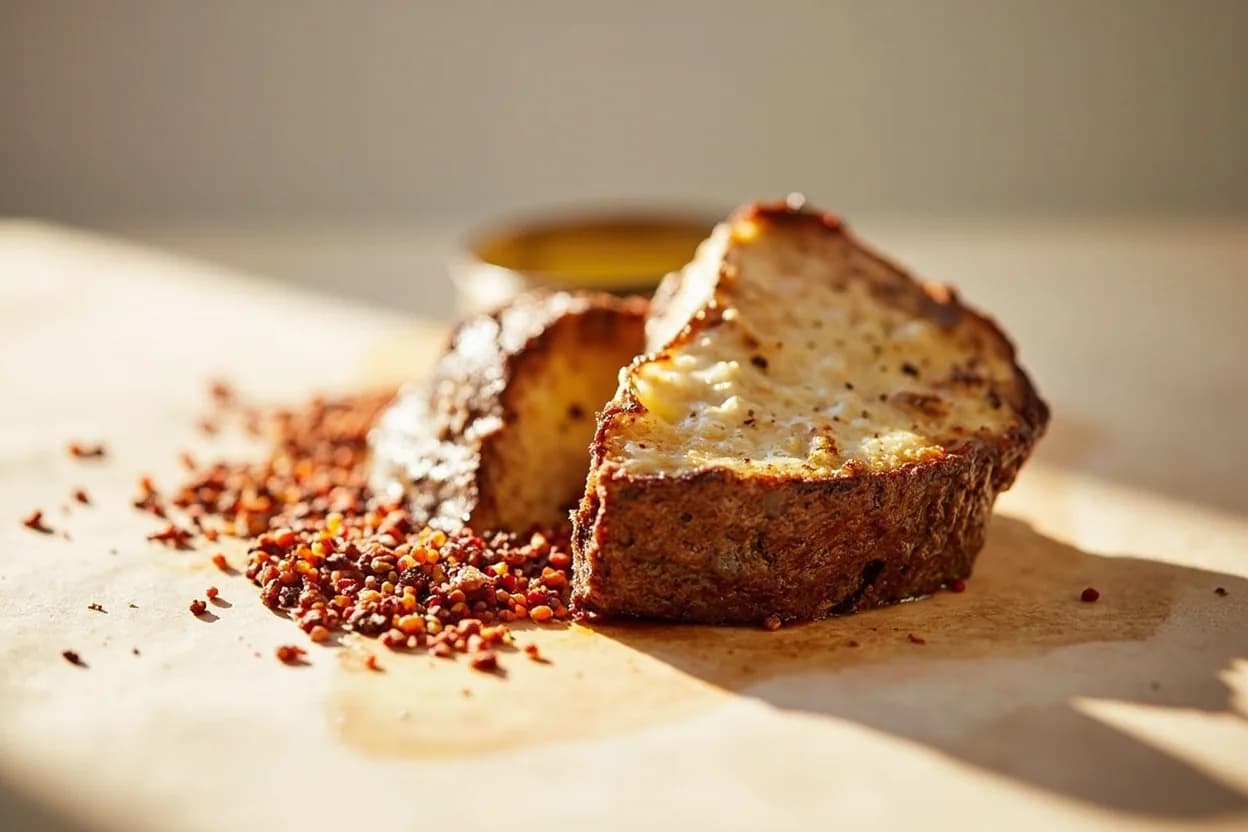
Aleppo flakes scattered on oiled flatbread before or after baking is a cornerstone of Levantine bread traditions.
Adventurous pairings
- dark honey
Buckwheat or chestnut honey's bitter-caramel depth pairs with Aleppo's fruit in a glaze for roasted carrots, squash, or pan-seared duck breast.
- chocolate (milk or dark)
Aleppo's mild, fruity heat works in chocolate applications where cayenne would be too sharp — try in truffles or a spiced hot cocoa.
- watermelon
Salt and Aleppo pepper on fresh watermelon is a revelatory Levantine-inspired snack; the chile's warmth heightens the fruit's sweetness.
Creamy burrata with a pool of Aleppo-infused olive oil and torn herbs echoes the labneh pairing but with richer, milkier fat.
- peaches or apricots (grilled)
The stone fruit mirrors Aleppo's own dried-apricot note; grilled and dusted with Aleppo, peaches become a savory-sweet side dish.
Tread carefully
- very hot fresh chiles (habanero, ghost pepper)avoid
Combining with super-hots destroys Aleppo's gentle fruitiness under pure heat; its value is nuance at moderate temperatures.
- heavy cream saucesavoid
Rich cream flattens Aleppo's oily texture into a greasy note; prefer yogurt or labneh as the dairy vehicle.
How to use it
- Bloom in warm olive oil or butter for 30–60 seconds to release color and aroma before using as a sauce base
- Use as a finishing spice — scatter over plated dishes rather than cooking through, to preserve fruity brightness
- Combine with salt to make Aleppo-salt, a table condiment for eggs, avocado toast, and grilled vegetables
- Mix into room-temperature butter with garlic and lemon for a compound butter for grilled meats and bread
- Add to spice blends (za'atar, baharat) to add moderate heat without the sharpness of cayenne
- Use as a 1:1 or 2:1 replacement for crushed red pepper flakes in any recipe where gentler heat is preferred
Appears in
Related flavours
Both are Turkish/Levantine dried pepper flakes, but Urfa is darker, oilier, and smoky-raisin where Aleppo is fruity-apricot.
- Smoked Paprika
A milder substitute that shares the mild heat and color, but lacks Aleppo's distinctive fruit-cumin note.
A frequent Levantine companion — sumac's sour, fruity tartness complements Aleppo's fruity heat in the same spice blends and finished dishes.
References
- 1.Jerusalem — Yotam Ottolenghi & Sami Tamimi
- 2.Plenty More — Yotam Ottolenghi
- 3.The Arabesque Table — Reem Kassis
Confidence: high
Notes
Sourcing and substitution
Authentic Aleppo pepper from Syria has been scarce since the mid-2010s due to conflict disrupting harvests. Most commercial 'Aleppo pepper' is now grown and processed in Turkey, where it is called pul biber. Quality varies considerably — look for deeply burgundy (not orange) flakes with visible oiliness and a slightly damp texture. A reasonable substitute is a 2:1 mix of ancho chile powder and crushed red pepper flakes with a pinch of cumin, though it won't replicate the fruity-oily character exactly.