Spices & Dried Aromatics
Urfa Biber
Also: isot pepper, urfa pepper, Turkish dark pepper flakes, chile isot
A sun-and-night-sweated Turkish pepper flake with dark raisin, chocolate, and tobacco depth — smoky, oily, and uniquely complex.
Urfa biber (also called isot pepper) comes from the Urfa (Şanlıurfa) region of southeastern Turkey. The peppers undergo a distinctive two-stage drying: sun-dried during the day, then wrapped and sweated overnight for several days, a process that deepens their color to near-black and concentrates their natural oils and sugars. The resulting flakes are dark, oily, and intense, with a flavor profile that includes dried raisin and dark fruit, dark chocolate, tobacco, earthy smoke, and coffee. The heat is moderate and slow-building, with a gentle, lingering finish rather than a sharp spike. Urfa biber is almost always mixed with salt and oil during processing.
In photos
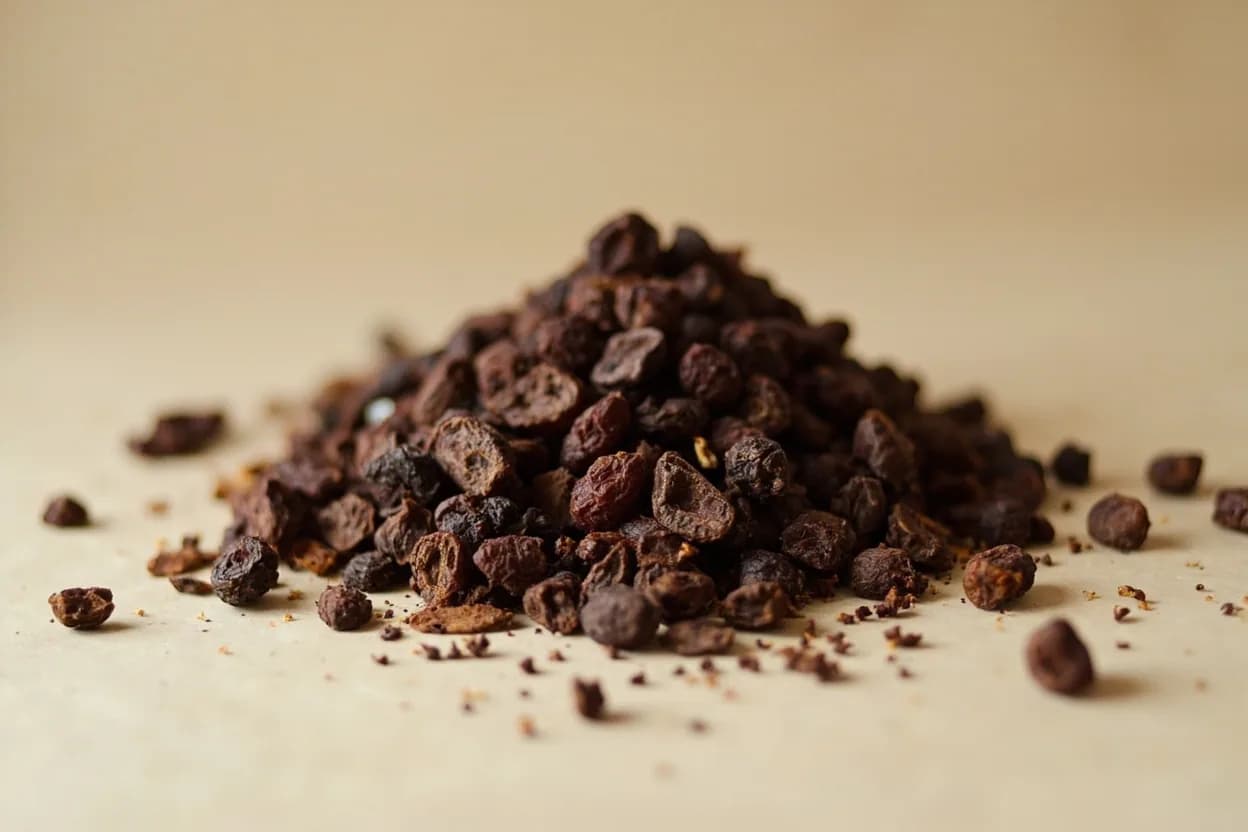
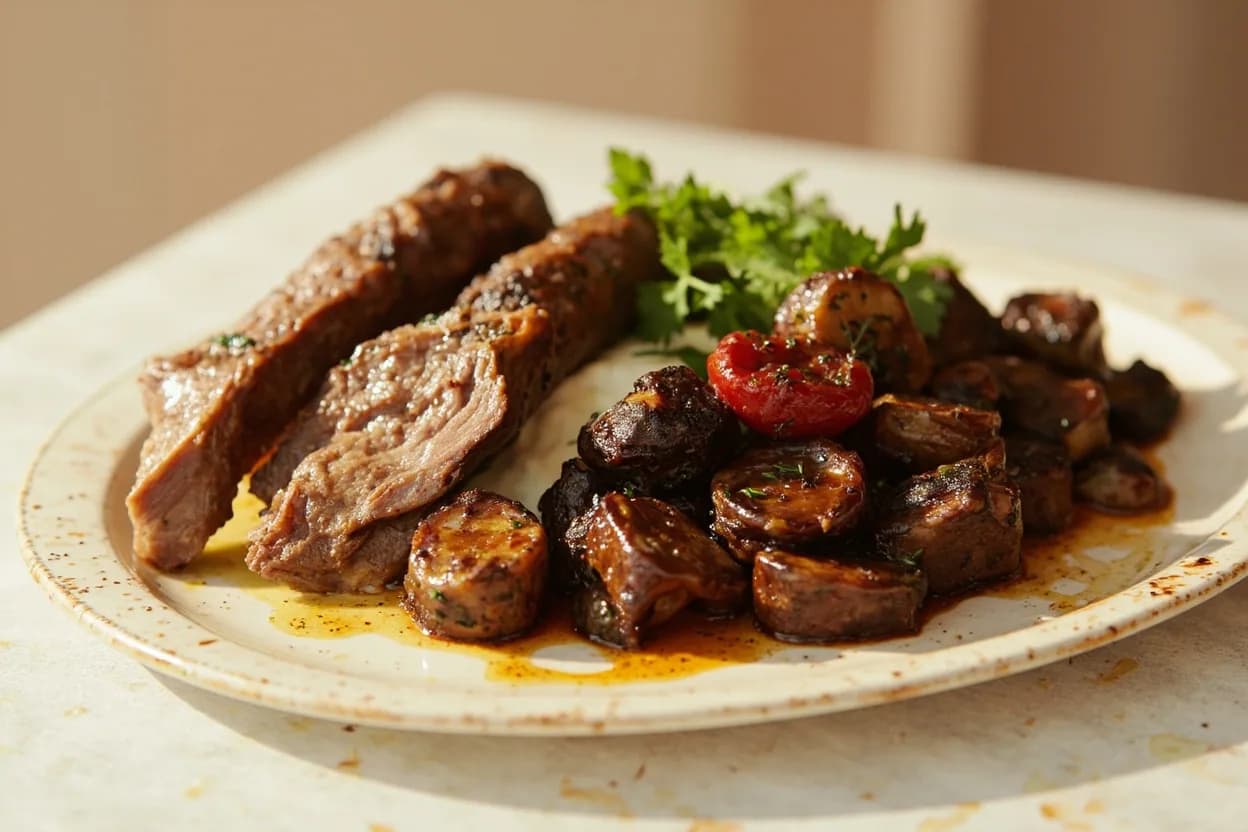
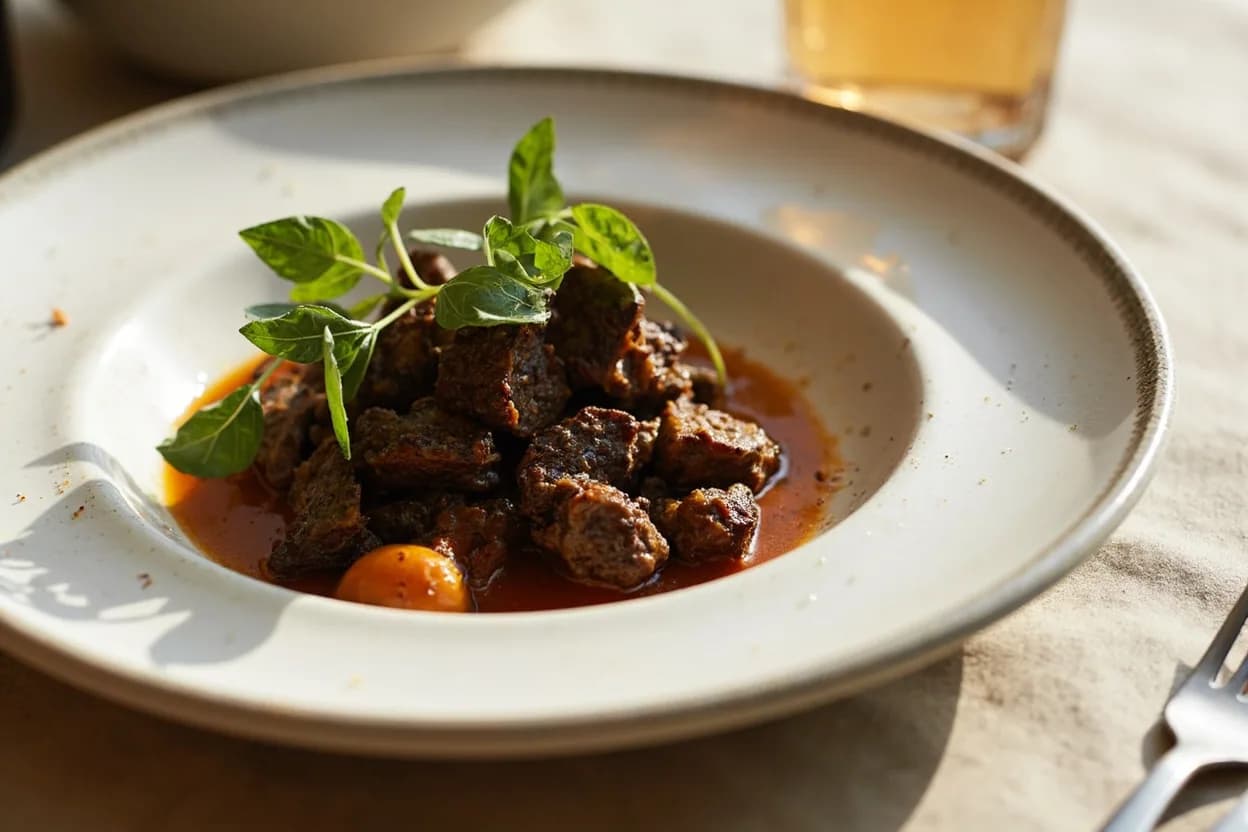
Flavour profile
Classic pairings
- lamb (grilled or braised)Turkish
The Turkish classic — Urfa biber's dark fruit and smoke are calibrated for lamb's mineral richness in köfte, kebabs, and stews.
- labneh or strained yogurtTurkish / Levantine
Cold, tangy yogurt is the traditional foil for Urfa's heat and oiliness; the dairy captures and slowly releases the chocolate-tobacco aromatics.
- eggplant (roasted, charred)Turkish
Eggplant's own smoky, bittersweet character after charring mirrors Urfa's smoke; they resonate deeply in Turkish dips like baba ganoush.
- butterTurkish
Melting Urfa into brown butter is a Turkish technique; the nutty fat amplifies the chocolate note and creates a vivid finishing sauce for eggs or pasta.
- walnutsTurkish / Levantine
Bitter, tannic walnuts align with Urfa's dark flavors in muhammara-style dips and roasted nut snacks.
- pomegranate molassesTurkish
The sour-sweet depth of pomegranate molasses contrasts Urfa's smoky darkness and is used together in marinades and salad dressings across southeastern Turkey.
- beef (ground, grilled)Turkish
Ground beef köfte or charcoal-grilled steak gains complexity from Urfa in the spice blend; the fat carries the raisin-chocolate notes well.
Adventurous pairings
- dark chocolate (70%+)
Urfa's own chocolate-raisin profile creates a resonating loop with dark chocolate in truffles, brownies, or a spiced hot cocoa for adult palates.
- espresso or cold brew
Coffee amplifies Urfa's roasted grain and tobacco notes; a pinch in a spice rub for coffee-rubbed brisket or a mocha sauce is compelling.
Sesame paste's nutty bitterness pairs with Urfa's dark fruit in dressings, dips, and noodle sauces that span Middle Eastern and Asian flavors.
- fig (fresh or dried)
Fig's jammy sweetness echoes Urfa's raisin character while providing sugar that balances the tobacco bitterness — excellent in stuffings, flatbreads, and lamb pairings.
- miso (red)
Red miso's fermented umami depth and Urfa's smoke and raisin create an unexpectedly harmonious combination in glazes for grilled root vegetables or pork belly.
Tread carefully
- delicate white fishavoid
Urfa's dark, oily intensity overwhelms the subtle sweetness of sole, halibut, or sea bass — use Aleppo pepper instead.
- light, fresh herbs (mint, chervil)avoid
The dark, smoky-tobacco profile swallows bright green herb aromatics before they register; add herbs after the Urfa.
- lemon zest in large amountsavoid
The citrus oils from lemon zest create a sharp, metallic clash with Urfa's oily, dark notes; use pomegranate molasses for acidity instead.
How to use it
- Bloom in brown butter or olive oil over low heat for 30–45 seconds to release the dark oils and chocolate aromatics
- Use as a finishing spice scattered over plated dishes — the oiliness means it disperses differently than dry flakes
- Mix into spice rubs for lamb, beef, or duck with cumin, coriander, and cinnamon
- Stir into yogurt or labneh with olive oil and let sit 10 minutes for the flavors to meld before serving
- Add to chocolate dessert batters or ganaches in small amounts (1/4 tsp per serving) for a Turkish-spiced confection
- Combine with pomegranate molasses and garlic for a Turkish-style marinade for grilled meats
Appears in
Related flavours
The closest relative — both are semi-oily Levantine/Turkish dried pepper flakes, but Aleppo is fruitier and brighter where Urfa is darker, smokier, and more chocolate-forward.
- Smoked Paprika
Shares the smoke note but is milder and sweeter; a partial substitute when Urfa biber is unavailable.
Urfa's flavor profile overlaps significantly with dark chocolate's cocoa-bitter-raisin spectrum, making them natural allies in both savory and sweet preparations.
References
- 1.Anatolia — Selin Kiazim
- 2.Plenty More — Yotam Ottolenghi
- 3.Falastin — Sami Tamimi & Tara Wigley
Confidence: high
Notes
The sweat-drying process
What makes Urfa biber unique is the isot method: the peppers are spread in the sun during the day, then gathered, wrapped in cloth, and left to sweat overnight. This cycle, repeated over several days, concentrates the natural oils, deepens the color to near-black, and creates the characteristic jammy-tobacco-chocolate flavor that cannot be replicated by simple sun-drying alone. The salt and oil added during processing lock in this character and give the flakes their slightly damp feel. Store in an airtight container away from heat — the oils turn rancid faster than dry spice powders.