Vegetables & Fruits
Rocoto
Also: locoto, ají rocoto, manzano pepper, Capsicum pubescens
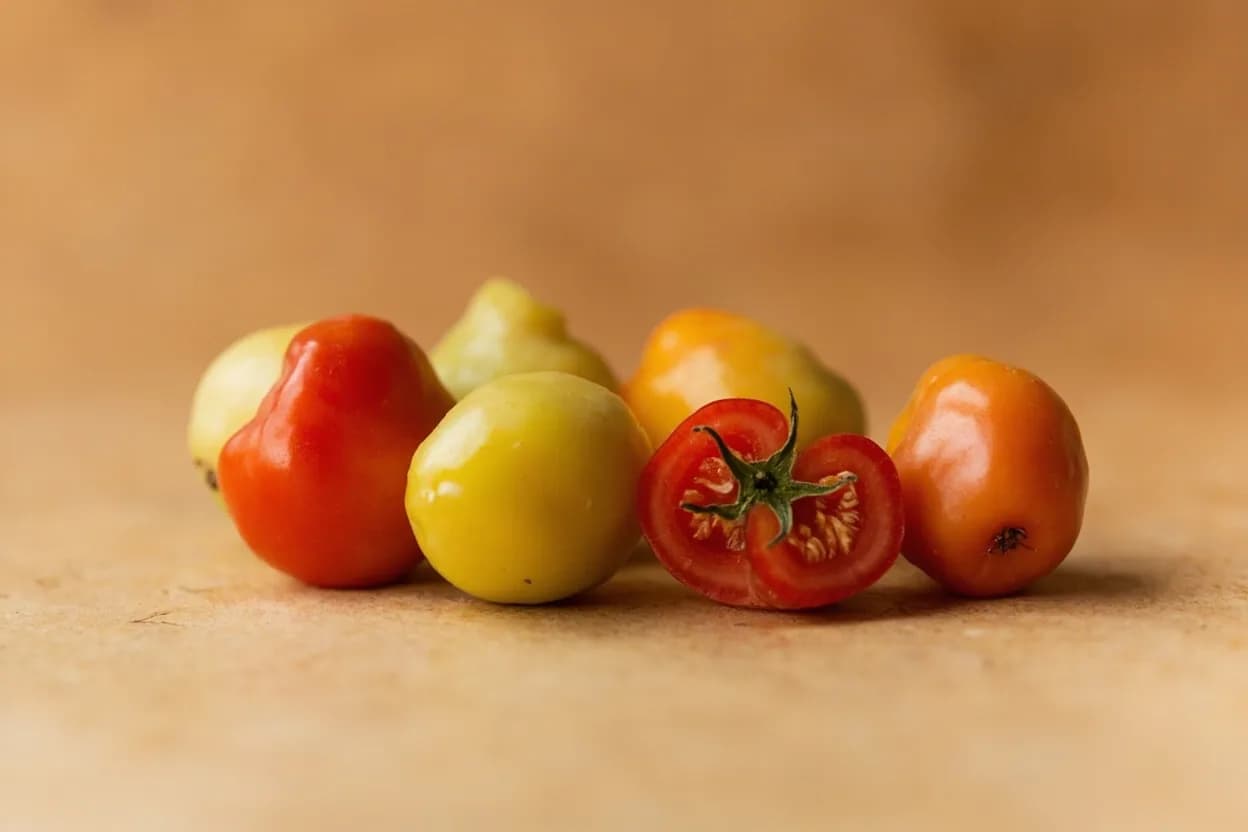
Peru's indigenous high-altitude chile — apple-fleshed, black-seeded, with fruity heat that punches hard but retreats quickly, leaving behind a clean tomato-bell pepper sweetness.
Rocoto (Capsicum pubescens) is a domesticated chile native to the Andean highlands of Peru, Bolivia, and Ecuador, cultivated at elevations above 2,000 meters where no other Capsicum species thrives. Unlike most commercial chiles it has black or dark brown seeds and a notably thick, crisp, apple-like flesh that remains meaty and structurally intact in cooking. Its heat level ranges from 30,000 to 100,000 Scoville units — hotter than a jalapeño but shorter-lived on the palate — and its flavor profile is distinctly fruity and green-vegetal, with a background of ripe tomato, apple, and mild bitterness. In Peru it is eaten fresh, stuffed whole (rocoto relleno), blended into sauces, and used in ceviches where its controlled heat and clean flavor shine.
In photos
Flavour profile
Classic pairings
- Potato (papa criolla, papa amarilla)Peruvian
The Andean staple and rocoto are natural companions — the starchy sweetness of native yellow or criolla potatoes absorbs rocoto's bite and provides a neutral backdrop for its fruity heat.
- Ground beef and hard-boiled egg (rocoto relleno)Arequipeño, Peruvian
The whole fruit is cored, stuffed with seasoned picadillo and egg, then baked until the flesh softens; the thick walls hold together beautifully and the stuffing tempers the raw heat.
- Lime juice and raw fish (ceviche)Peruvian, Nikkei
Rocoto adds controlled fresh heat to tiradito and ceviche without the tropical fruit notes of habanero — the pepper's clean apple-sweet profile lets the fish and citrus remain primary.
- Cheese (queso fresco, Andean white cheese)Peruvian
Creamy, mild fresh cheese is the classic foil for rocoto paste — the fat binds capsaicin and the milky neutrality amplifies the pepper's fruit character.
- Onion (red onion, salsa criolla)Peruvian
Thinly sliced red onion, lime, and rocoto form Peru's salsa criolla: the sharp allium and acid sharpen the pepper's sweetness and together accompany grilled meats and chicharrón.
- Pork (chicharrón, lechón)Peruvian
Fatty roast or fried pork and rocoto is one of the great Peruvian street-food pairings — fat dissolves the capsaicin and the fruit note cuts through richness.
- Huacatay (black mint)Arequipeño
Andean black mint and rocoto together form the flavor base of many Arequipeño sauces; the herbal marigold-mint of huacatay tames rocoto's heat while keeping the sauce vivid and complex.
Adventurous pairings
- Dark chocolate (70%+)
Rocoto's fruity-sweet heat and chocolate's bitter roast are a natural axis; bloom minced rocoto in fat before adding to a spiced drinking chocolate or mole-adjacent sauce for a cleaner, fruitier heat than dried ancho.
- Lamb shoulder
Rocoto paste rubbed under the skin before slow-roasting infuses the meat with heat and a fruity brightness that lifts the gamey depth of lamb without the smokiness that dried chiles introduce.
- Ripe mango
The apple-mango fruit notes in rocoto echo fresh mango; a rocoto-mango salsa with lime and cilantro delivers layers of fruit at different registers of sweetness and heat.
- Fermented black beans (Chinese douchi)
An unexpected Nikkei crossover: rocoto's fresh heat and douchi's funky umami combine into a stir-fry sauce that bridges Peruvian and Chinese pantries in the way chifa cooking historically did.
Tread carefully
- Dried chile preparations requiring smokinessavoid
Rocoto is used fresh or in fresh paste; it does not smoke or dry into a versatile powder the way ancho, guajillo, or chipotle do. Swapping it into adobo or mole negro produces off, vegetal results.
- Subtle seafood crudo (oysters, sea urchin)avoid
At even moderate quantities, rocoto's heat overwhelms the mineral delicacy of raw shellfish. A trace of rocoto oil may work but whole rocoto in a dressing is too aggressive.
- Coconut milk–based Thai curriesavoid
Rocoto's apple sweetness and thick flesh texture clash with galangal, lemongrass, and kaffir lime; the flavor families do not align.
How to use it
- Blanch whole in boiling water for 5–10 minutes, changing water once, to reduce raw bitterness before stuffing
- Blend raw into a paste with garlic, salt, and a splash of oil for a versatile table sauce
- Halve and seed, then grill directly over flame until charred for a smoky rocoto salsa
- Slice thin and dress with lime and salt for a fresh condiment for ceviche
- Fry briefly in oil to bloom capsaicin before adding to stews
Appears in
Related flavours
Peru's other signature fresh chile — tropical-fruity and orange, with similar heat range; the two are often blended for layered sauces
- Ají limo
A sharper, more citrus-floral fresh chile common in northern Peruvian ceviches; can be used alongside rocoto for heat complexity
- Huacatay
Black mint is rocoto's primary herbal companion in Andean cooking; the two together define the flavor of Arequipeño sauce traditions
- Habanero
Closest substitute outside Peru for the heat level — but habanero is tropical-floral rather than apple-vegetal; results differ significantly
References
- 1.The Gran Cocina Latina — Maricel Presilla
- 2.Peru: The Cookbook — Gastón Acurio
- 3.Ceviche: Peruvian Kitchen — Martin Morales
- 4.Peppers of the Americas — Maricel Presilla
Confidence: high
Notes
Availability outside Peru
Fresh rocoto is rarely found outside Latin American specialty markets in North America and Europe. The pepper is increasingly available jarred in brine or as a prepared paste (pasta de rocoto), which preserves the flavor character well and is the practical format for most cooks. Frozen rocoto from Peruvian importers is the best substitute for fresh. Manzano peppers sold at Mexican grocers are the same species and can be used interchangeably.
Heat and the thick flesh
The thick apple-like wall and membrane are where most of rocoto's capsaicin concentrates. Blanching the pepper once or twice before using in rocoto relleno removes roughly 30–40% of the heat while preserving the structural integrity that makes the stuffed pepper presentation possible — a technique native to Arequipeño home cooks.