Fats, Pastes & Condiments
Romesco
Also: salsa romesco, romesco sauce, romesco de peix
Catalonia's greatest sauce: fire-roasted peppers, almonds, and smoked paprika ground into a thick, burnished paste that makes everything more alive.
Romesco is a Catalan sauce originating in the fishing port of Tarragona, traditionally served with seafood (romesco de peix). At its core: fire-roasted or dried ñora peppers (or nyores), charred tomatoes and garlic, toasted almonds or hazelnuts, dried bread for body, smoked paprika (pimentón de la Vera), sherry vinegar, and olive oil. The texture is thick and rough-textured, somewhere between a chunky paste and a pourable sauce depending on oil quantity. Its flavor is layered: sweet roasted pepper up front, a long smoky trail, earthy nut richness, bright acid finish, and a background warmth from dried chilis. It is simultaneously the condiment, the sauce, and often the whole point of calçots (charred spring onions) season.
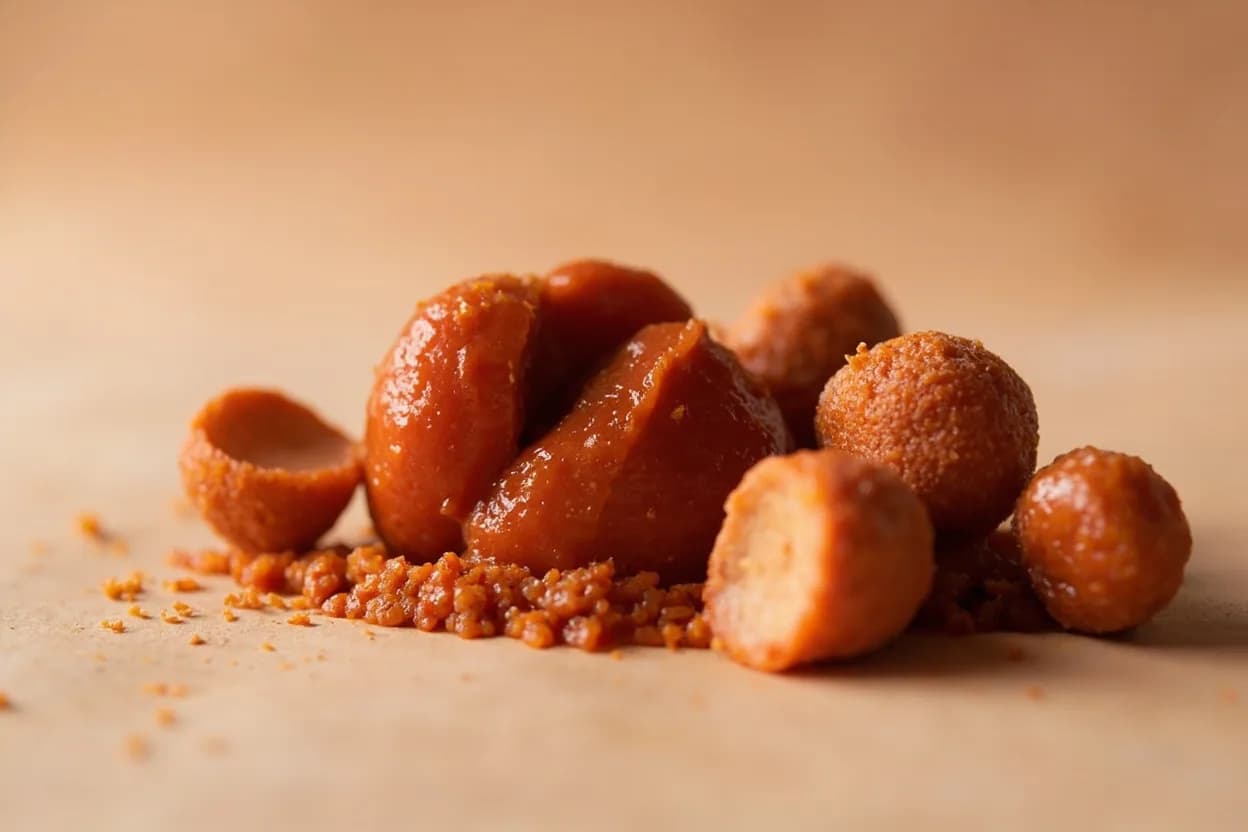
In photos
Flavour profile
Classic pairings
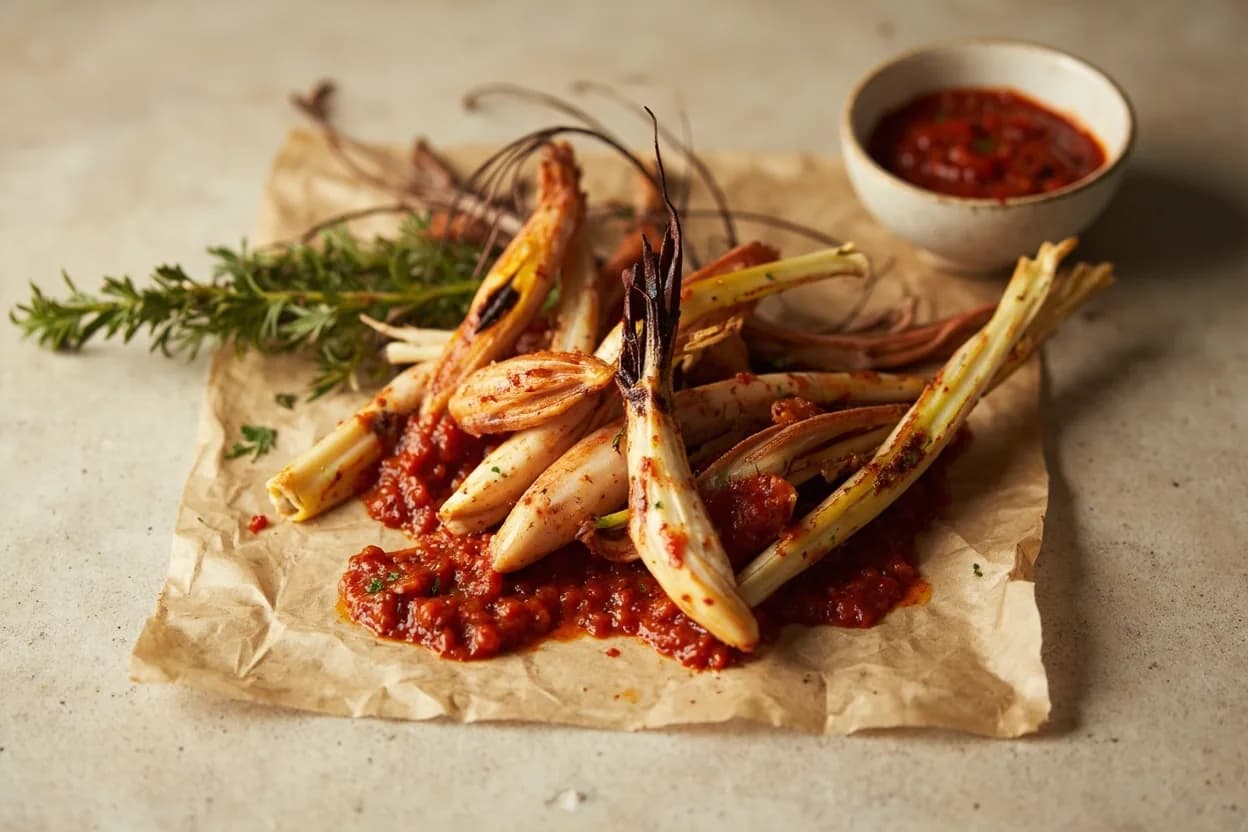
- Calçots (charred spring onions)Catalan
The defining pairing — blackened calçots are peeled and dipped directly into romesco; the smoky-sweet sauce is the entire point of the calçotada feast.
- Grilled fishCatalan
Romesco was born as a fish sauce; its nut-pepper richness provides a textural and flavor counterpoint to the clean, flaky flesh of cod, monkfish, or sea bass.
- Grilled chickenSpanish
The fat in the sauce bastes the chicken while the paprika and pepper notes enhance Maillard browning aromatics — spoon over thighs before or after grilling.
- Roasted vegetables (eggplant, zucchini, peppers)Mediterranean
The sauce's own roasted-vegetable character is mirrored in grilled or oven-roasted vegetables, creating a harmonious depth rather than competing flavors.
- Crusty breadCatalan
The thick paste is traditionally applied to pa amb tomàquet (bread with tomato); stale bread is also a structural ingredient inside the sauce itself.
- Shrimp and prawnsCatalan
The oceanic sweetness of shellfish meets the sauce's smoky richness; a classic beach restaurant pairing along the Costa Daurada.
- LambSpanish
Lamb's gamey, lanolin notes are tamed by romesco's acidity and pepper sweetness; a natural pairing in Spanish mountain cooking.
Adventurous pairings
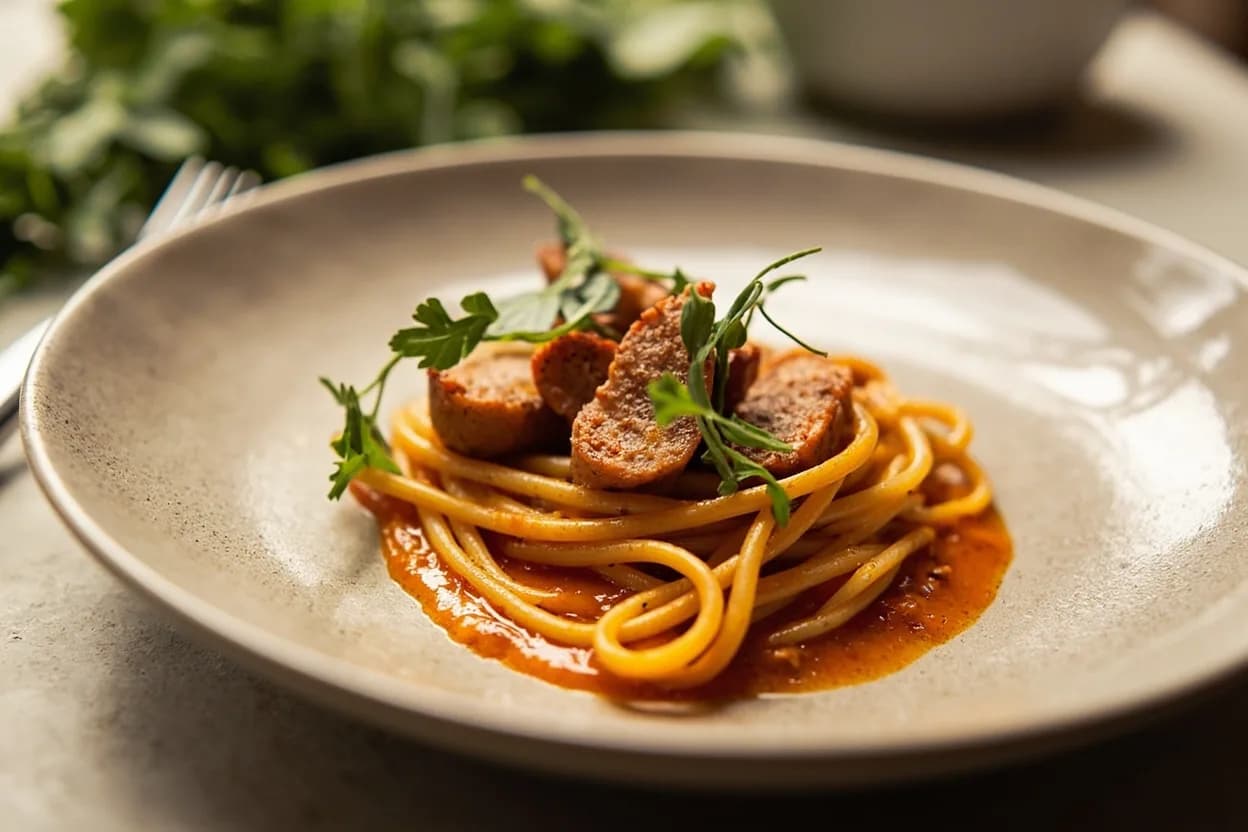
- Pasta (as a sauce base)
Thinned with pasta water, romesco coats spaghetti or rigatoni the way a Southern Italian pepper-tomato sauce would, but with more smoke and nuttiness.
- Fried eggs
A spoonful of romesco under a fried egg and over toast is one of the great quick breakfasts — the paprika and charred tomato notes amplify the yolk's richness.
The salt and squeaky chew of grilled halloumi provides textural contrast to romesco's smooth paste; the acid in the sauce cuts the cheese's richness cleanly.
- Chickpeas
Romesco stirred into a pan of chickpeas with spinach produces a satisfying stew; the nuts and legumes share complementary earthy, protein-rich characters.
Cold, creamy burrata on warm romesco is a study in temperature and texture — the hot pepper sweetness melts into the cool cream, and sherry vinegar cuts the fat.
Tread carefully
- Delicate white sauces (béchamel, velouté)avoid
Romesco's dominant smoky-pepper character overwrites the subtle, dairy-forward flavors of cream sauces, making the combination muddled and one-note.
- Raw oystersavoid
The assertive smokiness and acid of romesco overwhelm the briny, mineral, oceanic delicacy of a fresh oyster; lighter mignonette is the right vehicle.
- Chocolate dessertsavoid
While smoked paprika can work in mole-adjacent contexts, the vinegar and raw garlic in romesco are categorically incompatible with sweet cocoa preparations.
How to use it
- Char ñora or ancho peppers directly over flame before soaking and blending
- Toast almonds or hazelnuts in a dry pan until golden before grinding — raw nuts produce a bitter, gummy texture
- Fry a slice of stale bread in olive oil until golden to build body and bind the sauce
- Use a mortar and pestle (pilón) for a coarser, more traditional texture
- Blend smooth for a sauce; pulse briefly for a chunky spread
- Rest the finished sauce at room temperature 30 minutes before serving — flavors integrate as the oil absorbs paprika compounds
Appears in
Related flavours
- Smoked Paprika
Pimentón de la Vera is a core ingredient in romesco and a natural flavor bridge to the same pairings.
North African chili paste that shares the same role as a roasted pepper condiment, though hotter and spice-forward rather than smoky-nut-rich.
Another thick, nut-based condiment that pairs with similar grilled vegetable and protein contexts.
References
- 1.The Food of Spain — Claudia Roden
- 2.Catalan Cuisine — Colman Andrews
- 3.The Flavor Bible — Karen Page & Andrew Dornenburg
Confidence: high
Notes
Ñora pepper
Authentic romesco uses ñora (nyora) — a small, round, dried sweet pepper native to Murcia and Valencia. When soaked and pulped, ñoras provide a fruity, concentrated pepper sweetness with no heat. Outside Spain, ancho chiles or a combination of roasted red peppers and mild dried chiles approximate the flavor. Never substitute cayenne — heat is not the point.
Calçotada season
Every winter and spring (roughly January through April), Catalan families gather for calçotadas — outdoor feasts centered on burning calçots, long-stalked spring onions, over vine cuttings. The blackened onions are wrapped in newspaper to steam, then unwrapped, peeled at the table, and dragged through romesco before being lowered into the mouth overhead. Romesco exists, for many Catalans, primarily for this moment.