Spices & Dried Aromatics
Mace
Also: blade mace, mace blades, javitri, fuli
Nutmeg's more refined sibling — the lacy aril that wraps the shell, with warmer floral depth and a more delicate complexity.
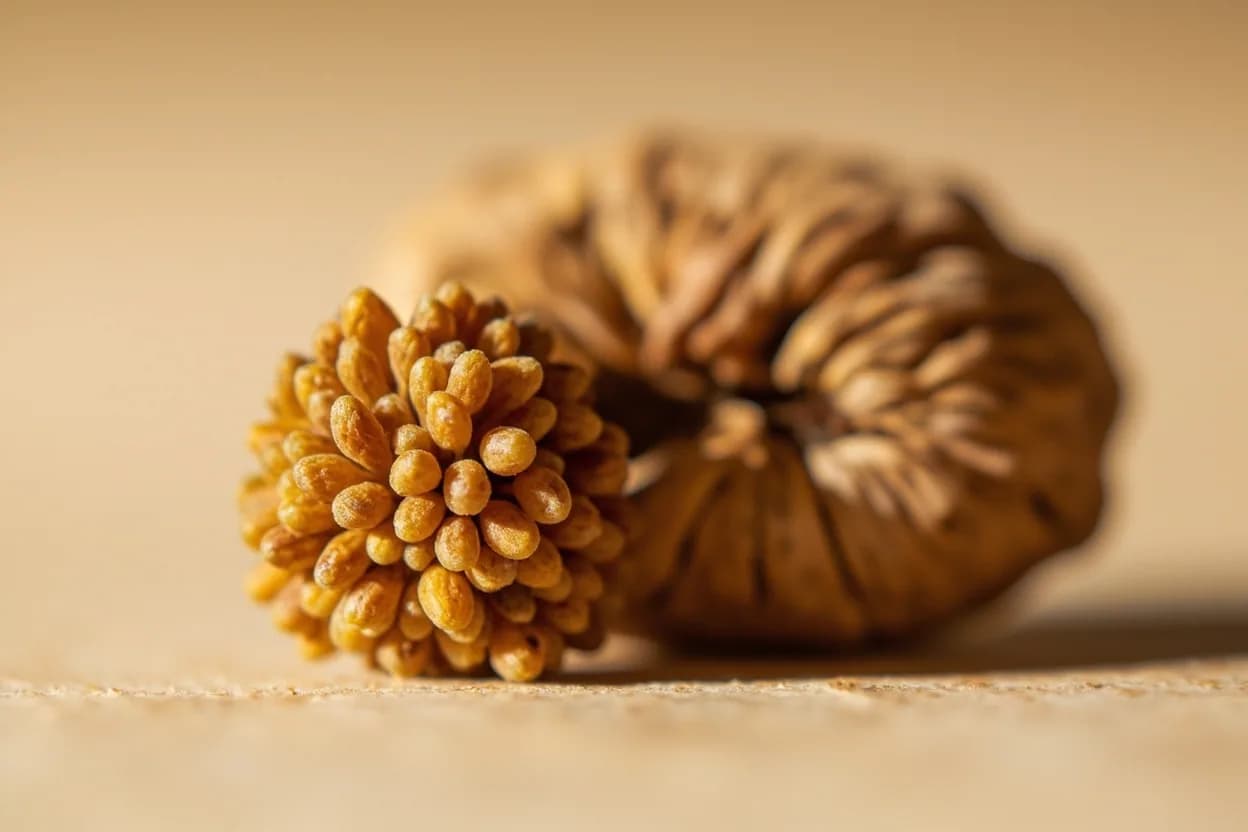
Mace is the dried lacy aril (the net-like membrane) that encases the hard shell surrounding the nutmeg seed (Myristica fragrans). When fresh, it is vivid scarlet; dried, it becomes orange-amber 'blades.' Mace shares its primary aromatic compounds with nutmeg — myristicin, safrole, and eugenol — but the proportions differ: mace is warmer, more floral, and less sharp than nutmeg, with a longer finish that reads as delicately spiced rather than woodsy. It is a key flavoring in French béchamel, Dutch speculaas, English potted meats, and Mughal biryani. Ground mace loses its character rapidly; blade mace keeps its aromatics for months.
In photos
Flavour profile
Classic pairings
- Béchamel sauceFrench / British
A blade of mace steeped in warm milk before making béchamel is a French and British classic; mace's floral warmth lifts the butter-flour richness without the sharpness of nutmeg or pepper.
- Charcuterie and pâtéFrench / British
Mace is a signature spice in French and British forcemeat preparations — rillettes, country pâté, and potted rabbit; its warmth penetrates the dense pork fat in a way nutmeg cannot without curdling the unctuous quality.
- Pound cake and spiced biscuitsEuropean / Indian
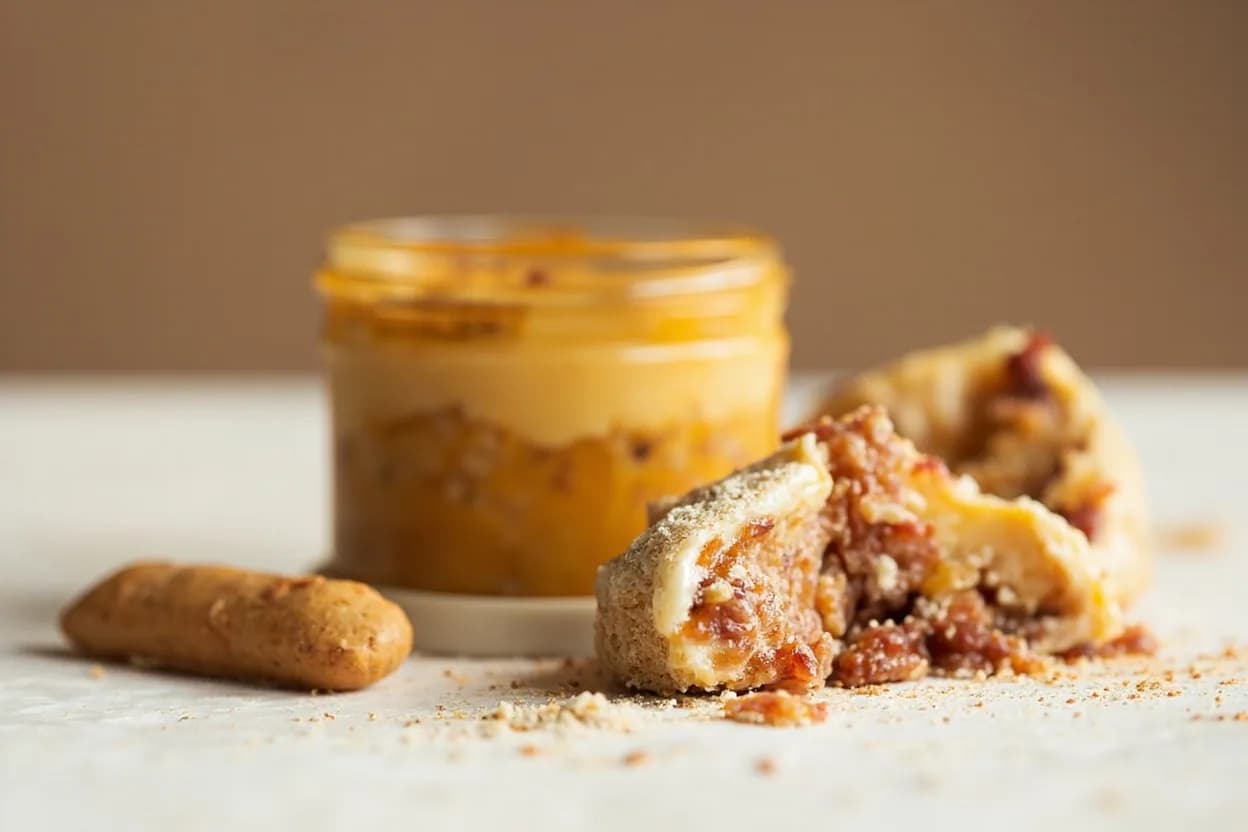
In Dutch speculaas, English pound cake, and Indian mawa cake traditions, ground mace provides background warmth that blends seamlessly with vanilla, cinnamon, and butter without announcing itself.
- Biryani riceMughal / Indian
Whole mace blades are dropped into the pot with other whole spices (cardamom, clove, cinnamon) in Mughal-style biryani; the slow steam carries mace's floral warmth throughout the rice.
- Cream-based soupsFrench / American
Chowders, cream of cauliflower, and bisques benefit from a pinch of mace in the base; the spice amplifies the inherent sweetness of cream without making the soup taste like dessert.
- Potted and preserved meatsBritish
In English potted shrimp, potted tongue, and brawn (head cheese), mace is traditional; the fat-soluble aromatics dissolve into the clarified butter or lard, creating a gently spiced preserved richness.
- Apple and pear dessertsBritish / Dutch
Mace pairs with tree fruits more gracefully than nutmeg; in an apple pie, poached pear, or crumble, it adds warmth without the earthiness that can overpower delicate fruit sweetness.
Adventurous pairings
- Lobster bisque
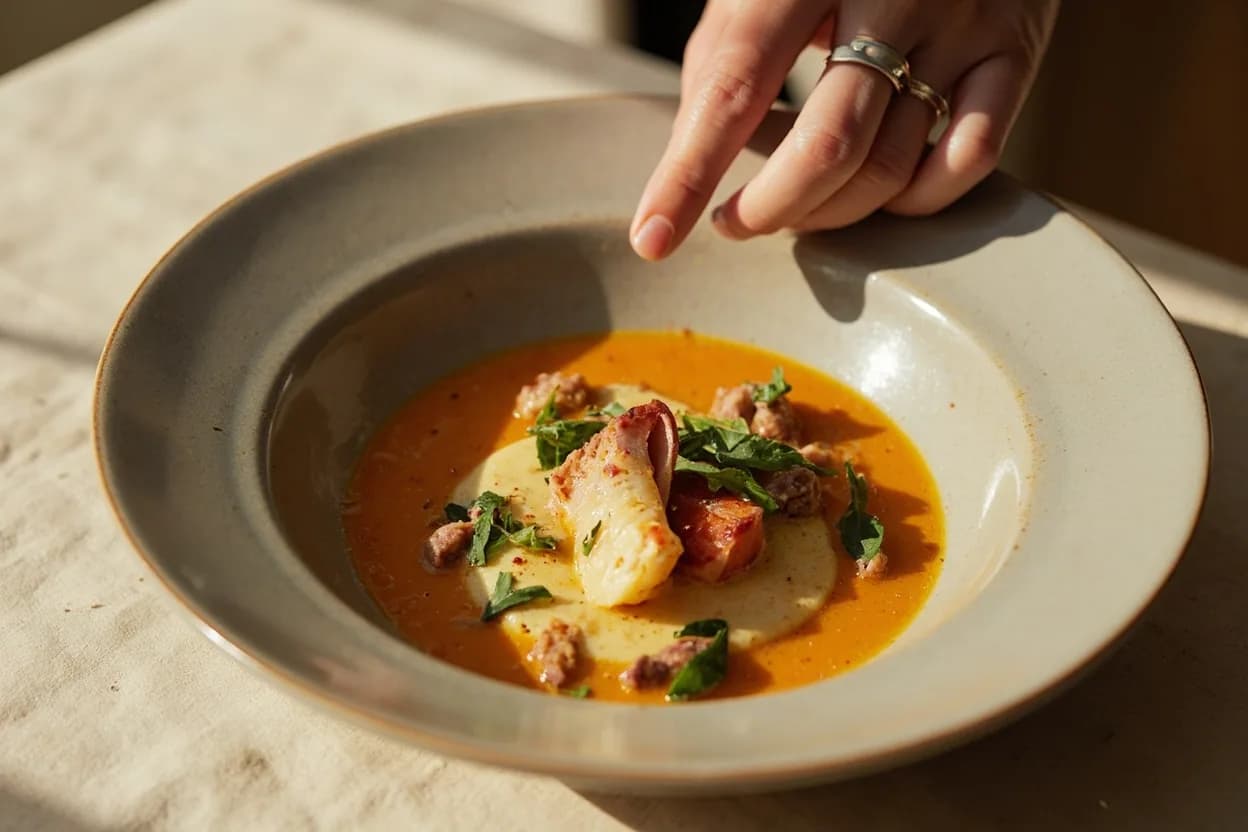
The sweet, briny iodine of lobster has an affinity with mace's floral warmth that dates to 18th-century English cookbooks; the spice lifts the richness of the cream and amplifies the shellfish sweetness.
- White chocolate
White chocolate's cocoa-butter sweetness pairs with mace's floral spice note in a way milk or dark chocolate cannot — the absence of bitter cocoa solids lets mace's delicacy stand out rather than be absorbed.
Both spices share a subtle floral-honeyed quality; in Mughal rice preparations and Persian rice dishes, mace and saffron used together create layered floral aromatics that read as deeply complex without any one note dominating.
- Aged Gouda or Comté
The caramel and crystalline crunch of aged cave-ripened cheese resonates with mace's warmth; a small amount grated into a fondue or cheese sauce built on Comté adds unexplainable depth.
- Rum-soaked dried fruit
In Caribbean black cake and British Christmas pudding traditions, mace steeped in dark rum-soaked fruit amplifies the fermented-fruit complexity; its floral note bridges the alcohol heat and stone-fruit sweetness.
Tread carefully
- Aggressive smoky spices (smoked paprika, chipotle)avoid
Smoke dominates and obliterates mace's delicate floral character; the two have nothing constructive to say to each other and will produce a muddled, indistinct result.
- Raw citrus juice (added cold)avoid
Citric acid denatures mace's volatile aromatics rapidly; add mace to dishes before or during cooking so fat can carry its molecules, and add citrus at the very end if needed.
- Fermented funky condiments (fish sauce, shrimp paste)avoid
The floral warmth of mace is too delicate to coexist with fermented fish condiments; the umami-ammoniac notes bury the spice entirely and the result is unbalanced heat.
How to use it
- Steep one blade in warm milk or cream for 10 minutes before making béchamel, custard, or cream sauce — remove before serving
- Add whole blades to poaching liquids, braising stocks, or rice-cooking water at the start; they release slowly and evenly
- Grind freshly in a spice mill just before use — pre-ground mace loses its floral character within weeks
- Infuse in clarified butter or neutral oil to create a fat-soluble mace extract for finishing dishes
- Combine with clove, cardamom, and cinnamon in a whole-spice sachet (bouquet garni) for slow braises and stews
Appears in
Related flavours
- Nutmeg
Mace's botanical twin from the same fruit; nutmeg is earthier and sharper while mace is more floral and delicate — often interchangeable in small quantities but not identical
- Clove
Both are Moluccan spices with eugenol as a shared compound; mace is more floral while clove is more astringent — frequently paired together in Mughal and European spice blends
- Cardamom
Green cardamom's citrus-eucalyptus character complements mace's warmth in both South Asian and Nordic baking traditions
In mixed sweet spice blends and chai-adjacent preparations, cinnamon provides the sweet warmth that mace's floral note can amplify
References
- 1.On Food and Cooking: The Science and Lore of the Kitchen — Harold McGee
- 2.The Flavour Thesaurus — Niki Segnit
- 3.Spice: The History of a Temptation — Jack Turner
- 4.The Oxford Companion to Food — Alan Davidson
- 5.Larousse Gastronomique — Prosper Montagné (ed.)
Confidence: high
Notes
The case for mace over nutmeg
In any recipe calling for nutmeg where the flavor is meant to be subtle and background rather than prominent — béchamel, cream soup, forcemeat — mace is the more refined choice. Its lower myristicin concentration means the psychoactive-adjacent intensity of large nutmeg quantities is avoided, and its floral notes round out cream-based preparations in a way that nutmeg, with its woodsy sharpness, cannot replicate.
Storing blade mace
Whole mace blades keep their aromatic intensity for 12–18 months when stored in an airtight glass container away from light and heat. Mace is particularly susceptible to oxidation once ground — the floral top notes that make it distinctive disappear within 3–4 weeks of grinding. Buy whole blades and grind to order.