Fermented Grains & Cereals
Sourdough Discard
Also: starter discard, unfed starter, sourdough starter, levain discard, spent starter
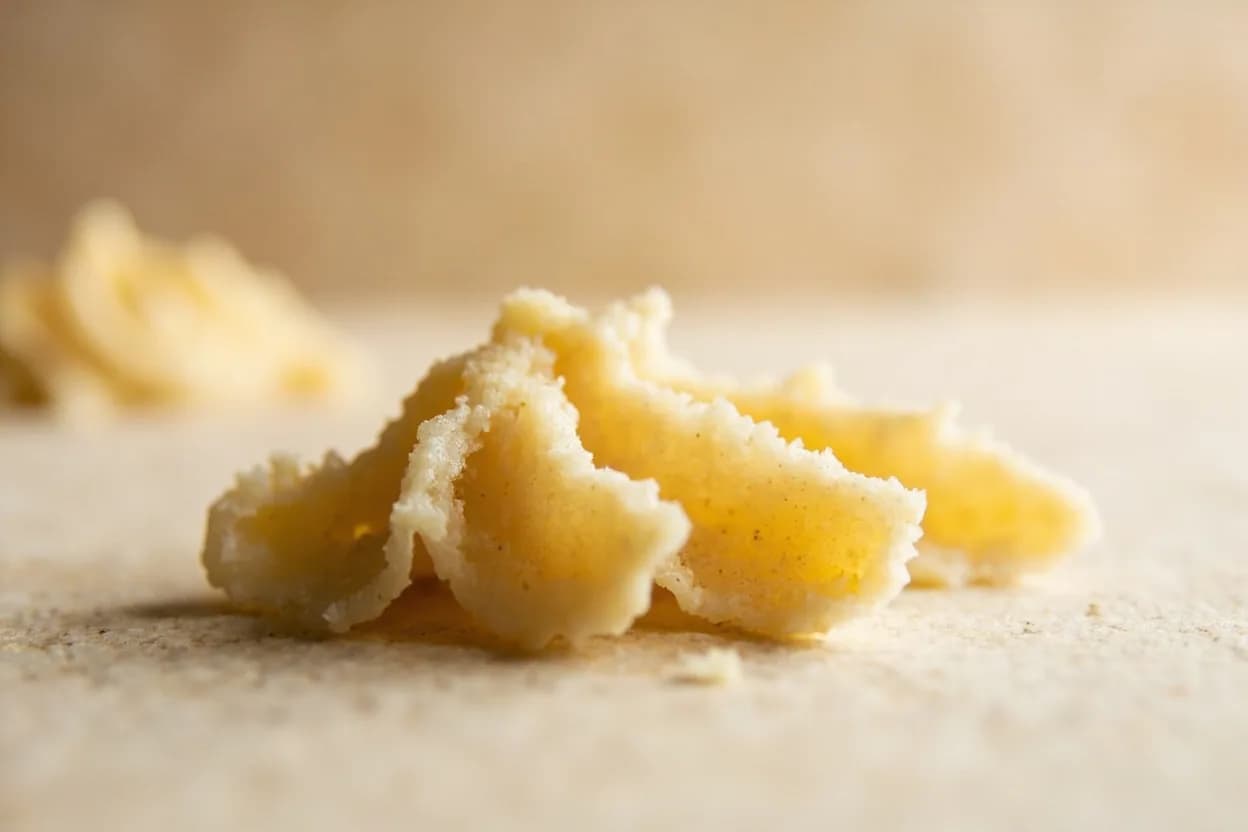
The unfed, poured-off portion of a sourdough starter — acidic, funky, and full of enzymatic activity — lends tang, tender crumb, and fermented depth to pancakes, crackers, and savory batters without requiring a full bake cycle.
Sourdough discard is the portion of a mature sourdough starter removed at feeding time to prevent over-accumulation. Consisting of flour, water, wild yeasts, and lactic/acetic acid bacteria, it is at its most acidic and enzymatically active: the wild yeasts are depleted (it will not lift a loaf), but the bacteria are fully active, contributing lactic and acetic acids that bring tanginess, protein-denaturing tenderness, and complex fermented flavor. In cooking it functions as both an acid (like buttermilk or yogurt) and a flavor contributor, lending fermented grain depth that straight flour cannot replicate. Its thin, pourable consistency integrates easily into batters, doughs, and crackers.
In photos
Flavour profile
Classic pairings
- ButtermilkAmerican diner / breakfast
Adding sourdough discard alongside buttermilk in pancakes or waffles doubles the lactic dairy tang and bacterial tenderness; together they produce an exceptionally soft, flavorful crumb.
- Butter (browned / beurre noisette)Universal
Sourdough discard pancakes or crumpets finished with brown butter find a natural affinity — the nutty lactone compounds in brown butter amplify the toasted grain note of a mature starter.
- Aged cheddarBritish / American
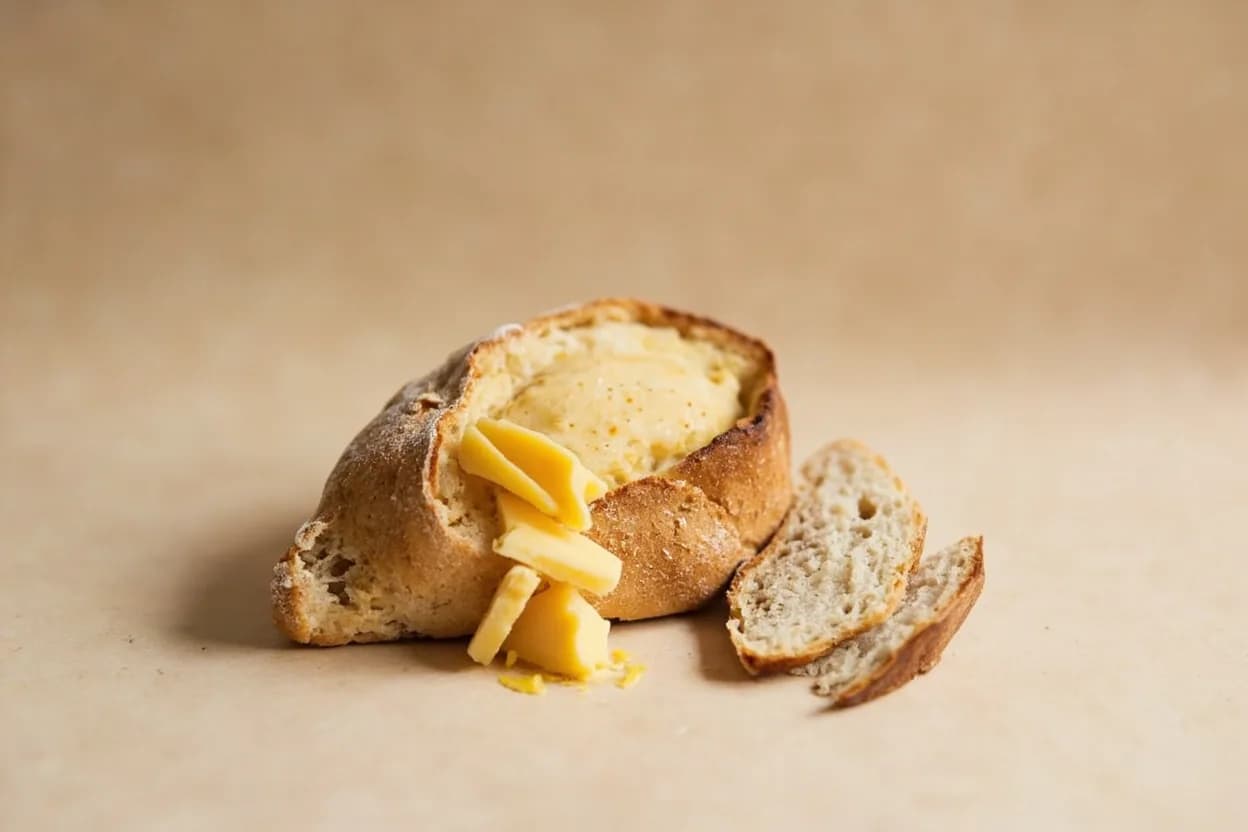
Discard crackers with sharp cheddar are a canonical pairing; the sourdough tang mirrors the cheese's lactic acids while the cracker's crunch provides textural contrast.
- Maple syrupAmerican / Canadian
The classic sourdough waffle pairing: the sharpness of discard's lactic acid acts as a foil to maple's intense sweetness, creating a balanced sweet-tart breakfast profile.
- Scallions and chivesAmerican, Korean-influenced
In savory sourdough pancakes, scallions' allium sulfur compounds bridge the fermented grain note and the tang; together they form a simple complete savory pancake with no additional flavoring needed.
- HoneyUniversal
Honey drizzled over sourdough discard pancakes echoes the starter's own honey-like volatile esters from fermentation; the antimicrobial compounds in honey also contrast interestingly with the live culture tang.
- Olive oil and rosemary (flatbreads / focaccia-adjacent)Italian-inspired
Thin discard flatbreads brushed with olive oil and scattered with rosemary before baking at high heat develop a cracker-like crispness; the rosemary's piney aromatic note lifts the lactic tang.
Adventurous pairings
- Miso paste
Both are fermented grain-and-salt products; stirring white miso into a discard flatbread or cracker dough creates a layered umami-and-tang that surpasses either ingredient alone.
Discard and tahini in a quick flatbread or dip batter share a bitter, nutty undertone; the sesame rounds the grain tang while the lactic acid brightens the fat.
- Dark chocolate chips
The acidity of sourdough discard in a quick-bread or brownie recipe sharpens the bitterness of dark chocolate (70%+) in the same way espresso does; it extends perceived chocolate intensity without adding cocoa.
- Za'atar and sumac
A discard flatbread rubbed with za'atar and a squeeze of sumac-infused oil creates a Middle Eastern-inflected snack where the dried herb blend's nuttiness and sumac's tartness echo the starter's own fermented-sour-grain character.
- Fermented hot sauce (e.g., Tabasco, green Cholula)
Double-fermented heat: discard crackers paired with a fermented chile sauce creates a layered sourness — lactic from the grain, acetic from the chile — that deepens complexity beyond either alone.
- Crème fraîche or labneh
Both are lactic-acid dairy products; spreading crème fraîche on sourdough discard crackers layers creamy lactic fat over the baked lactic grain, creating a singular unified sour-richness.
Tread carefully
- Delicate floral desserts (rosewater, orange blossom)avoid
Sourdough's fermented funk overwhelms the subtle floral notes of rosewater or orange blossom; use a neutral flour-and-baking-powder batter for these applications.
- Very sweet confections (meringues, macarons)avoid
Discard's strong acid can destabilize egg foams and interfere with sugar crystallization; it has no place in French pastry work requiring structural precision.
- Mild fresh cheeses (burrata, ricotta)avoid
The sharp tang of discard in a cracker or bread base overwhelms the delicate sweetness of fresh dairy; choose a neutral base or a short-ferment cracker that won't dominate the cheese.
How to use it
- Pancakes and waffles: replace 50–100% of the flour-liquid base with discard; combine with egg, butter, salt, and a small amount of baking soda to neutralize excess acid and create lift
- Thin crackers: mix discard with olive oil, salt, and herbs; spread very thinly on a parchment-lined baking sheet and bake at 170°C (325°F) until crisp throughout — the acidity creates an intensely savory crunch
- Waffles: discard's acidity reacts with baking soda to produce rapid CO₂; the result is lighter and crisper than a conventional batter
- Pizza dough boost: add 100g of discard to a regular yeasted pizza dough recipe; the extra acids improve flavor and slow over-fermentation
- Quick breads and muffins: substitute up to 120g of discard for equivalent weight of buttermilk + flour; the acid activates baking soda for rise and adds tang
- Coating / tempura batter: thin discard with sparkling water for a fermented-tangy coating on fried vegetables or fish; the acidity inhibits gluten development, producing a more delicate crust
Appears in
Related flavours
- Buttermilk
Shares lactic tang and tenderizing acidity; sourdough discard is a direct substitute at equal weight in most quick-bread and pancake recipes
- Kefir
Another live-culture grain/dairy product; both contribute fermented depth to batters — kefir is thicker and creamier, discard more grain-forward
- Plain yogurt
Similar lactic acid content; yogurt substitutes well for discard in baked goods where grain flavor is less important than tenderizing acidity
References
- 1.Tartine Bread — Chad Robertson
- 2.The Sourdough School — Vanessa Kimbell
- 3.On Food and Cooking — Harold McGee
- 4.Flour Water Salt Yeast — Ken Forkish
Confidence: high
Notes
Starter age and flavor intensity
The older and less frequently fed a starter, the more acetic acid accumulates (sharper, more vinegary tang). A younger, frequently fed starter leans toward lactic acid (milder, yogurt-like). For cooking pancakes and waffles, a well-developed 12–24-hour-old discard gives a balanced tang without overwhelming sourness. For crackers and flatbreads where acid flavor is a feature, a more mature, acidic discard (2–3 days unfed in the refrigerator) produces a more pronounced character.
Refrigerator storage
Discard keeps in a sealed jar in the refrigerator for up to 2 weeks; its bacterial culture continues to develop slowly, becoming more sour over time. For cooking, discard does not need to be at room temperature unless you are relying on residual yeast activity (which in most applications you are not — baking soda or powder does the lift work).