Produce
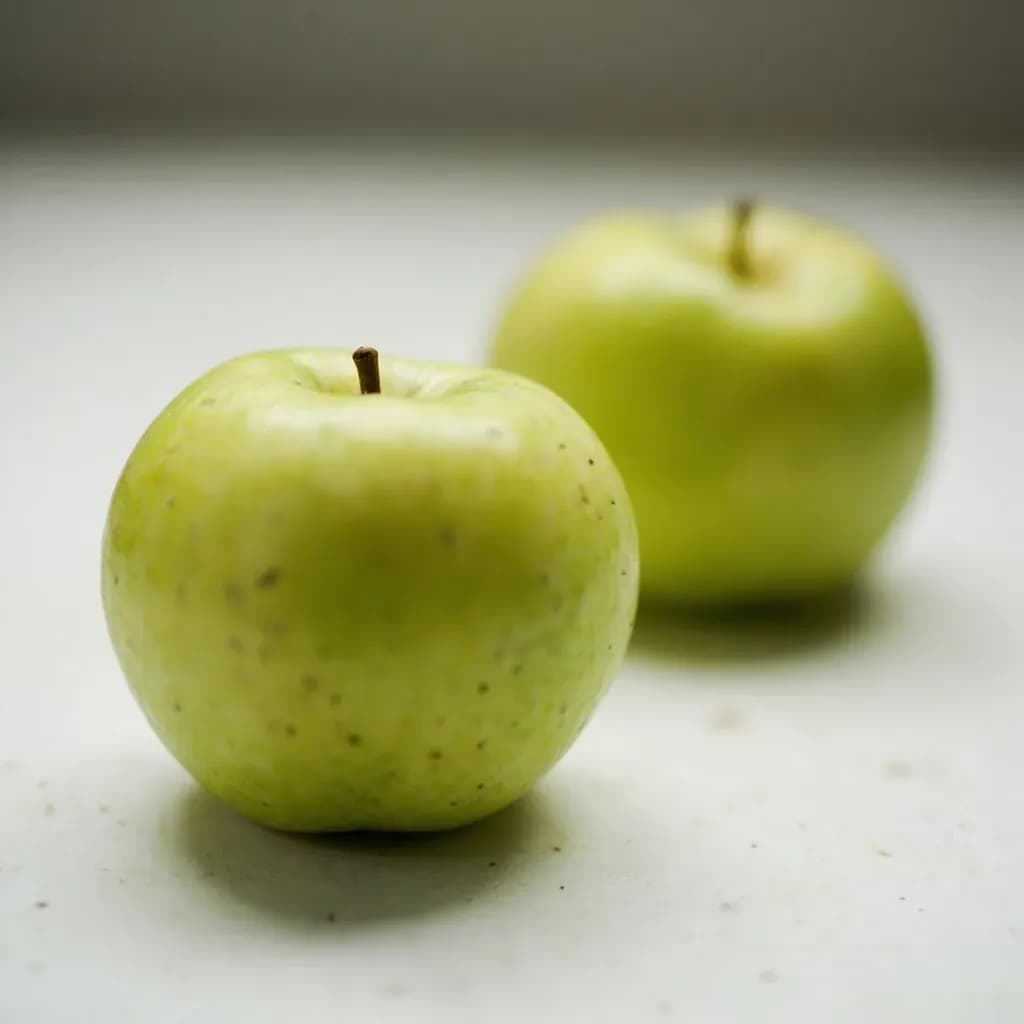
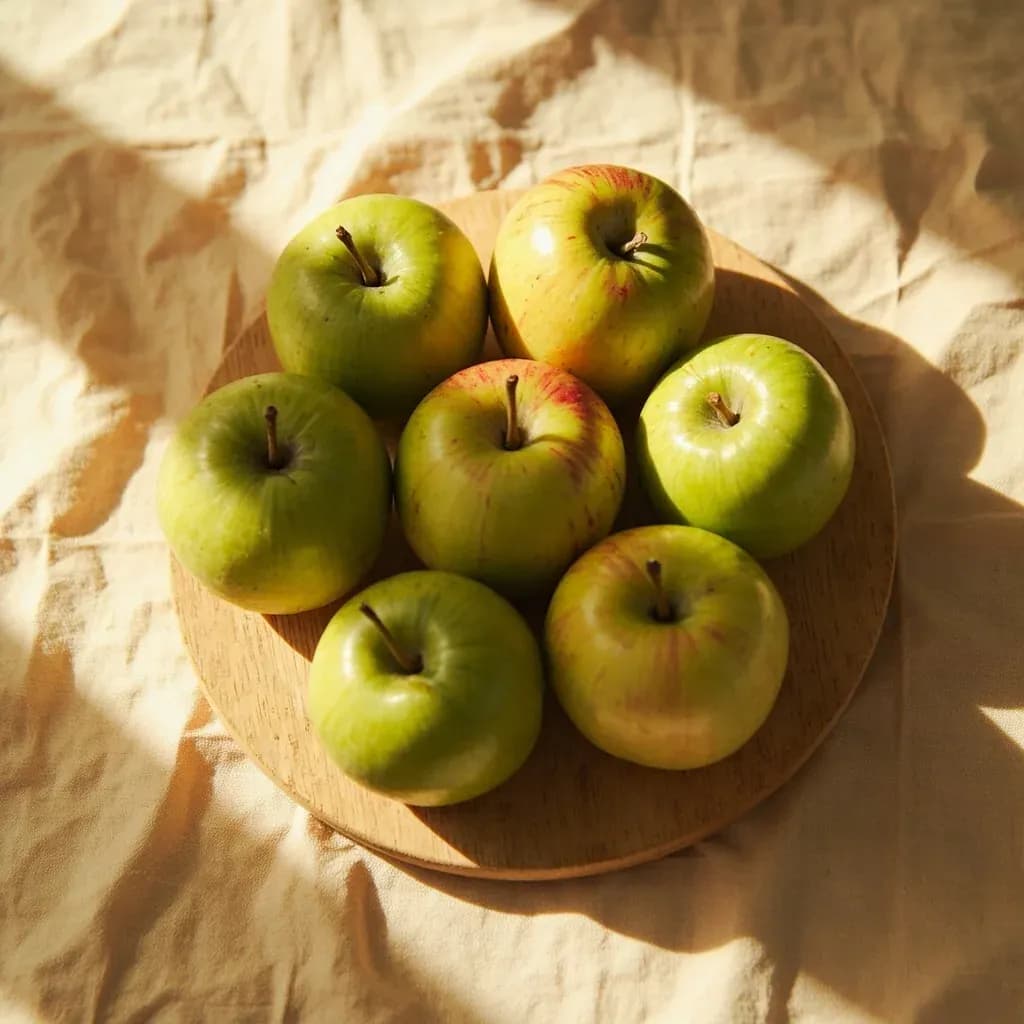
Granny Smith Apple
Bright-green, very tart firm apple that holds its shape and resists browning; the default choice for pies, tarts, and savory apple cooking.
The Granny Smith is the default "tart green apple" of English-language cookbooks, and for good reason: it is dense, sharp, and unusually stubborn in the oven, holding sliced shape through long bakes that would reduce softer varieties to mush. Its origin is charmingly improbable — a chance seedling found on a New South Wales compost heap in 1868 by Maria Ann Smith, propagated for its keeping qualities, shipped from Australia to England in the 1930s, and taken up enthusiastically by American growers in the 1970s. Today it is grown in nearly every temperate apple region and recognized everywhere for its bright grass-green skin and white flesh.
What sets Granny Smith apart from the orchard crowd is its acid-to-sugar ratio: roughly 13° Brix with dominant malic acid, giving a lemony, almost wine-like tartness that survives heat and sugar. The cells are tight and slow to break down, the skin is thick and waxy, and the cut flesh resists browning far longer than most apples, a side benefit of low polyphenol oxidase activity. These traits are not just chemistry trivia; they explain why a Granny Smith slice in a Waldorf salad looks fresher at noon than a Honeycrisp slice, and why a Granny Smith pie holds neat wedges instead of collapsing into jam.
For all its virtues, Granny Smith is not the most complex apple to eat out of hand — that title belongs to sweeter, more aromatic dessert varieties — and the same acidity that makes it a baker's friend can make a sauce puckeringly sharp if used solo. Treat that acid as a tool: balance it with sugar, fat, or a sweeter apple when needed, and lean into it when you want brightness to cut richness or caramel.
- Measured in
- piece
- Storage
- Refrigerate In The Crisper Drawer; Keeps For Weeks.
Find it in
Suits
Types & varieties
The classic green sport propagated worldwide; the baseline reference for the variety.
Natural mutation that develops a pronounced red or pink cheek (sometimes sold as 'Red Granny Smith', 'Challet', or 'Hallium'); identical flesh and flavor, with a slightly sweeter perception from the skin.
Selected early-maturing sport marketed in some Southern Hemisphere orchards to advance harvest dates.
Heat-tolerant sports developed for warmer growing regions (parts of South Africa, Brazil, India); cooking behavior is essentially identical to the standard variety.
Choosing, Storing, and Reading Ripeness
A good Granny Smith feels heavier than it looks and has a deeply saturated green skin without bruises or shrivel at the stem end. Unlike dessert apples, where a rosy blush often signals sugar development, the standard Granny Smith tells you relatively little through color — weight, firmness, and smell are the honest signals. Heavier fruit is denser and juicier; light fruit tends toward mealiness.
- Buy by weight: a heavy Granny Smith for its size is denser, juicier, and more flavorful than a light one.
- Look for taut, unwrinkled skin and a clean snap when pressed near the stem.
- Refrigerate at home (0–1°C / 32–34°F is ideal); properly cold-stored fruit keeps 3–6 months.
- Skin turns from green to waxy yellow with age; a little yellowing is fine, very yellow means softening and lost acidity.
- Store away from strong-smelling foods — the dense, waxy skin can absorb fridge odors.
- Bring to room temperature before eating out of hand; cold mutes both aroma and perceived sweetness.
Common uses
Tips & pitfalls
- Balance the tartness: when baking pies or crisps, add 10–20% more sugar than the recipe calls for, or blend half Granny Smith with a sweeter apple like Honeycrisp, Fuji, or Gala for a rounder flavor.
- Taste before sugaring — a late-season Granny Smith stored into spring can mellow considerably, so older fruit may need less added sugar and possibly a squeeze of lemon instead.
- Don't overcook. It holds shape better than most, but excessive baking turns it mealy. Aim for tender-but-firm slices that still keep a clean edge.
- Watch the leavening in cakes and quick breads: the malic acid activates baking soda vigorously, so adjust ratios or switch to baking powder for a predictable rise.
- Cut just before serving if presentation matters — Granny Smith resists browning but is not immune; a brief toss in lemon water is still wise for buffets and plated salads.
- Use the high acid intentionally: when stewing apples for sauce or purée, the natural pectin and acid give a brighter, tangier result than softer dessert varieties.
- For caramel apples, blot the surface dry before dipping; the natural waxy cuticle helps candy adhere, but residual moisture causes sliding.
Nutrition
Energy
243 kJ · per 100 g
Where the calories come from
Protein
0.4g
1% DV
Carbs
13.6g
5% DV
Fat
0.2g
0% DV
Fiber
2.8g
10% DV
Sugars
9.6g
of which
Sodium
1mg
0% DV
Source · USDA FoodData Central · Apples, raw, granny smith, with skin (Includes foods for USDA's Food Distribution Program)
View on FDC →In the shops
Matched grocery products
 €2.84
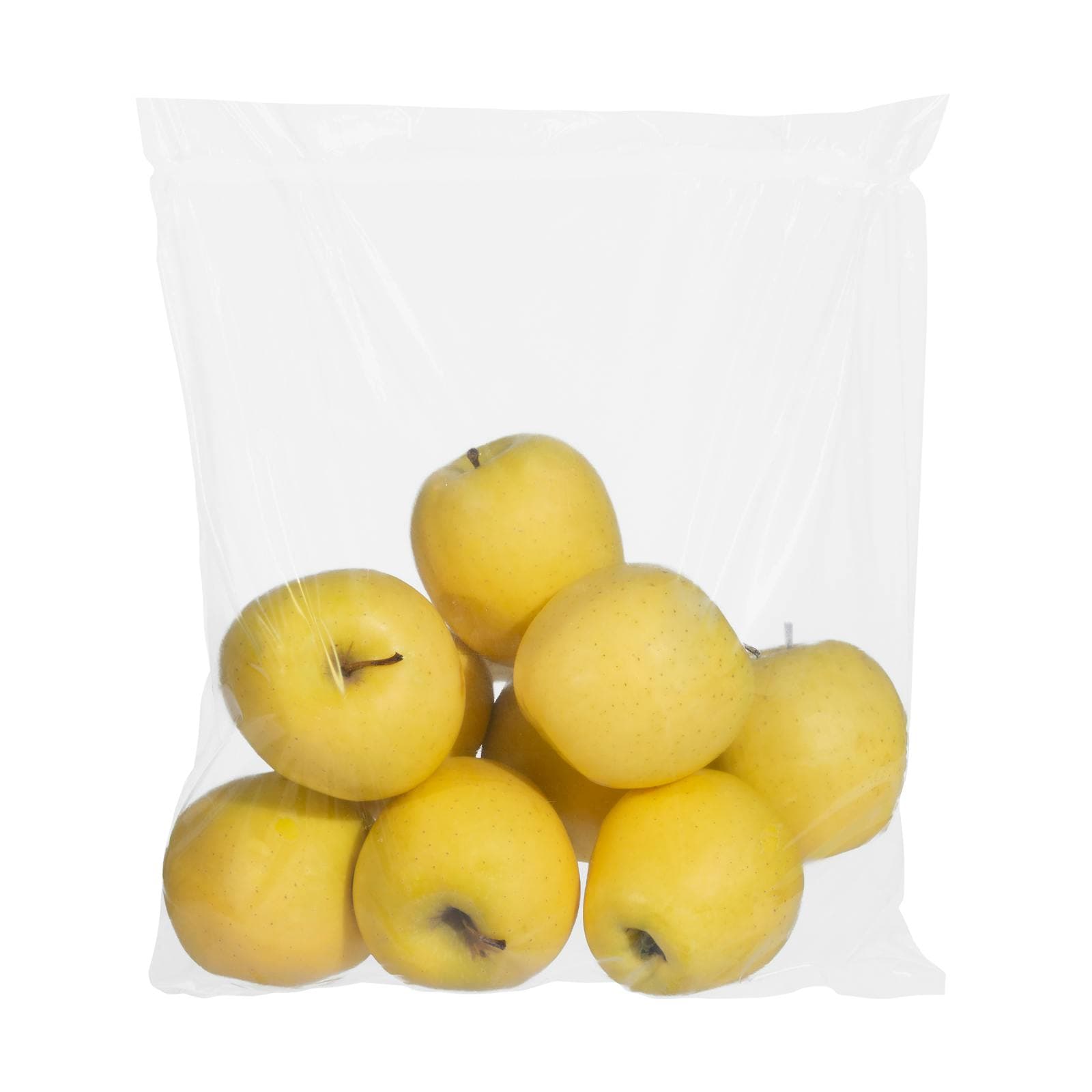
€2.84Golden Apples
1.58 kg · Mercadona
 €0.44
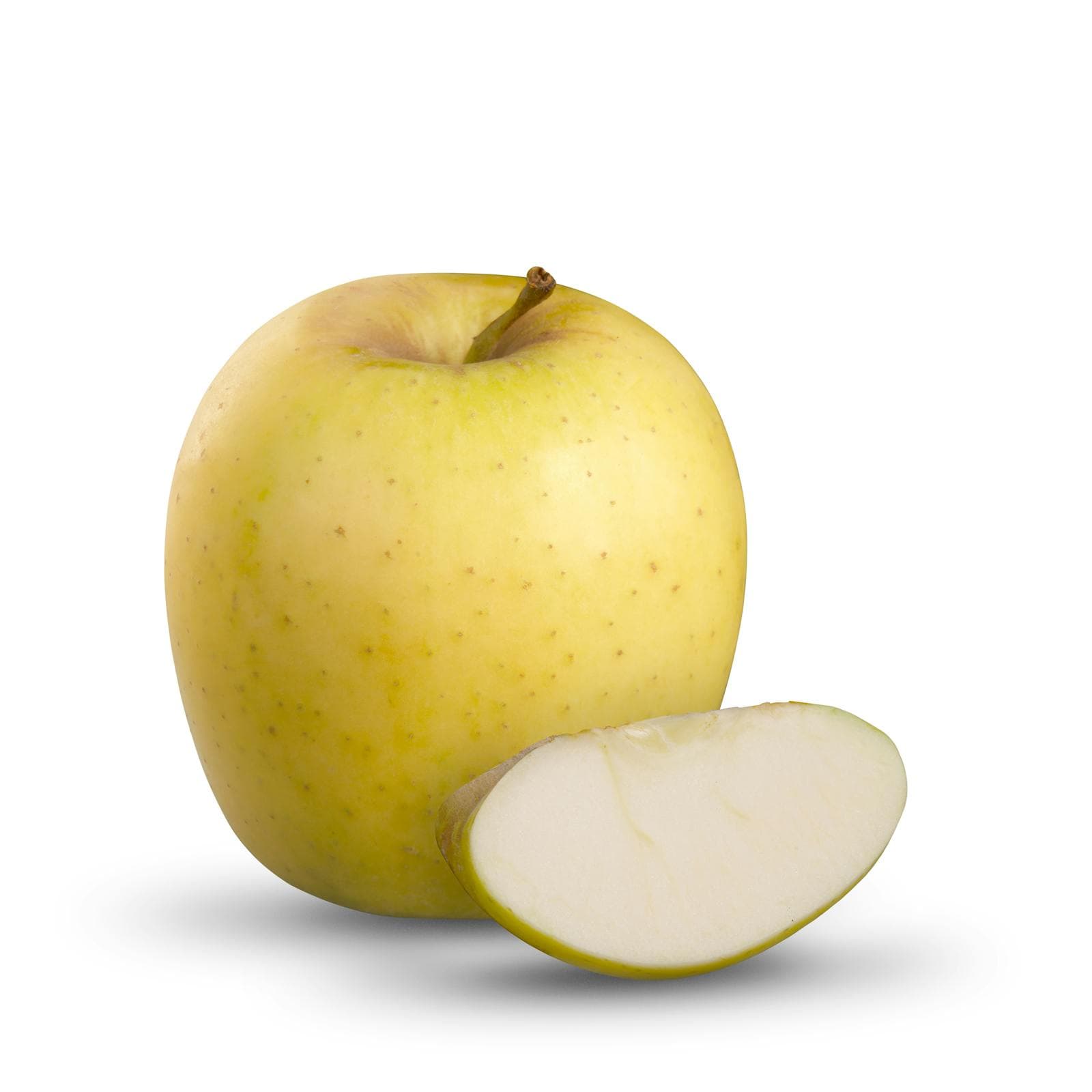
€0.44Golden Apple
200 g · Mercadona
 €0.62
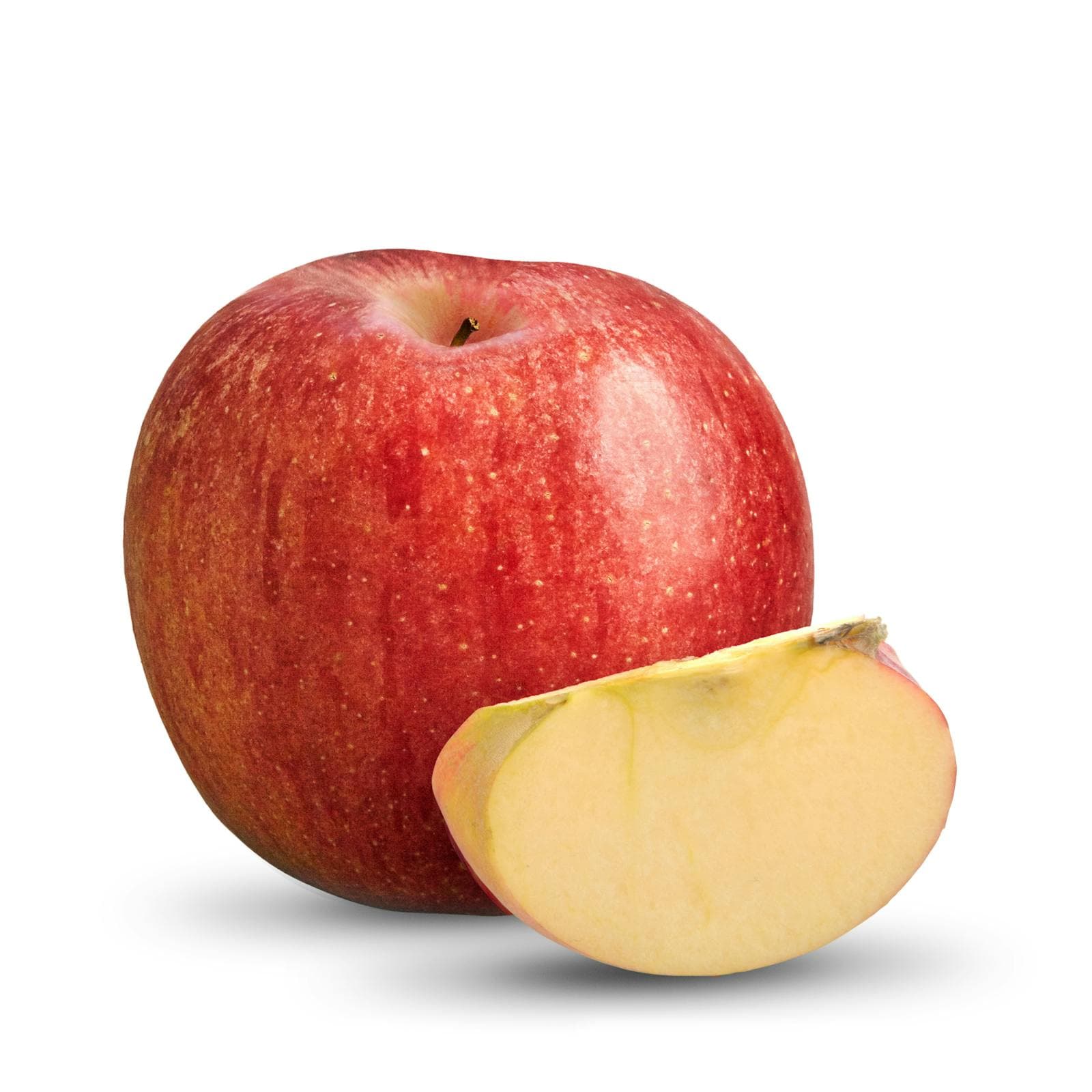
€0.62Red Sweet Apple
230 g · Mercadona
 €3.77
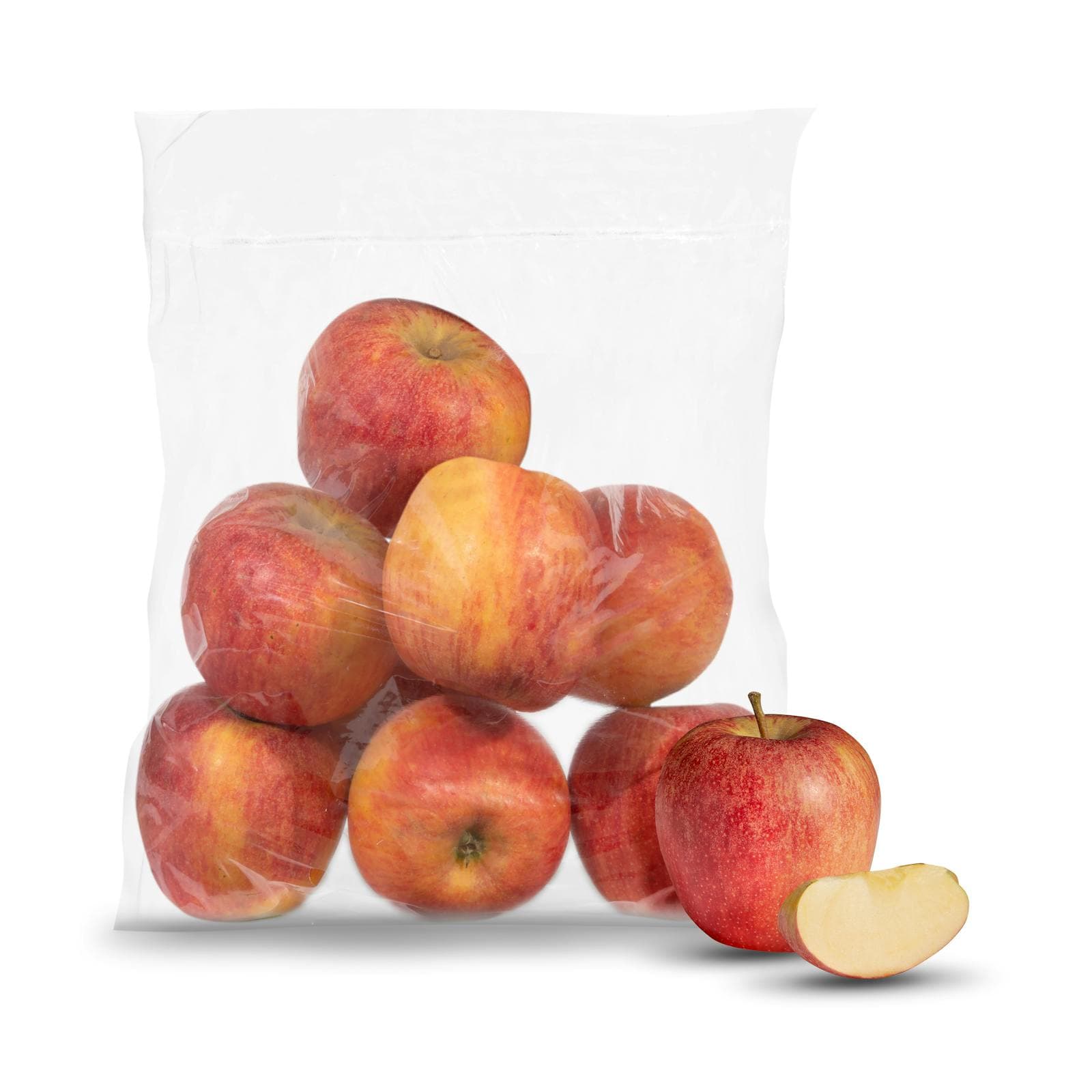
€3.77Sweet Red Apples
1.57 kg · Mercadona
 €0.43
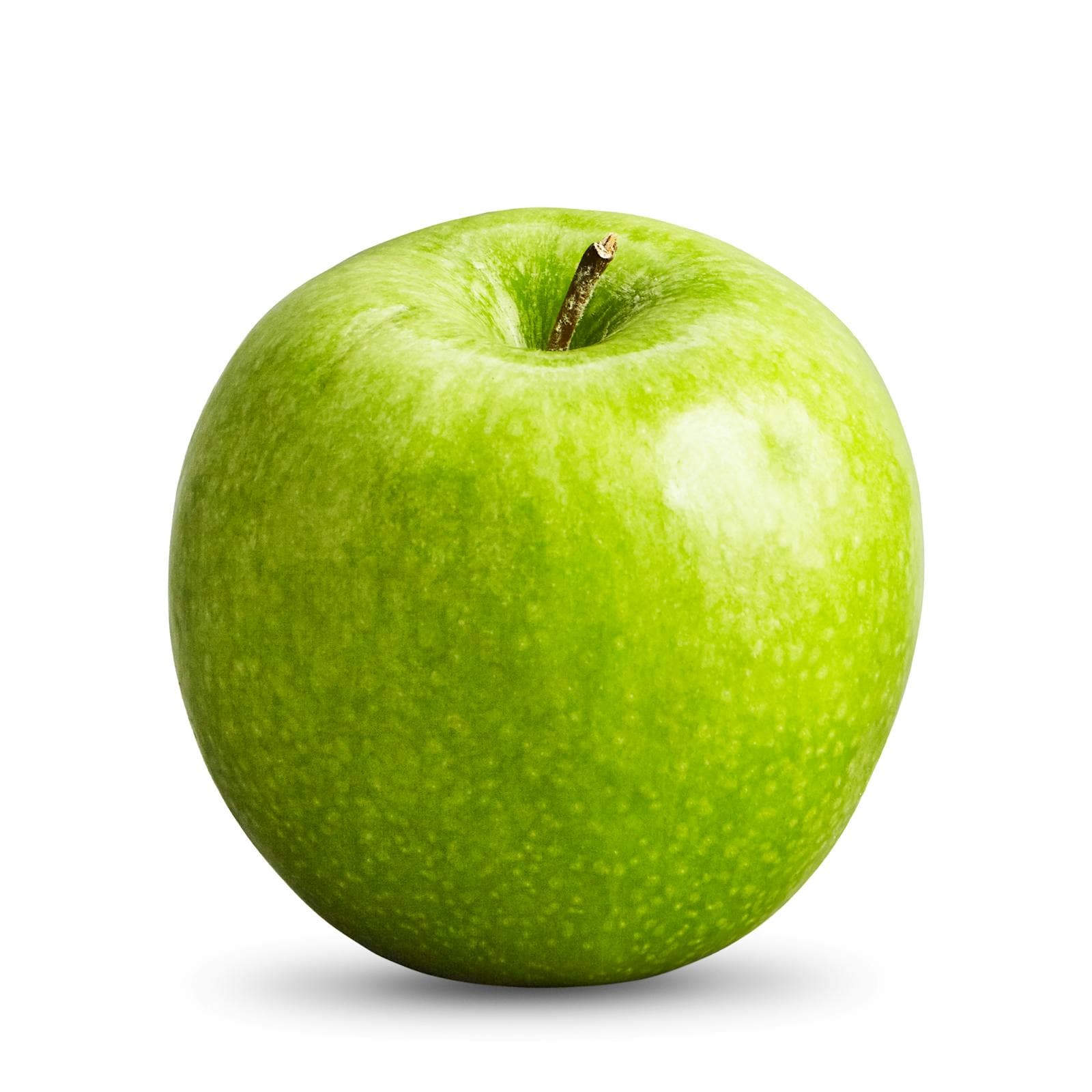
€0.43Granny Smith Apple
180 g · Mercadona
 €0.59
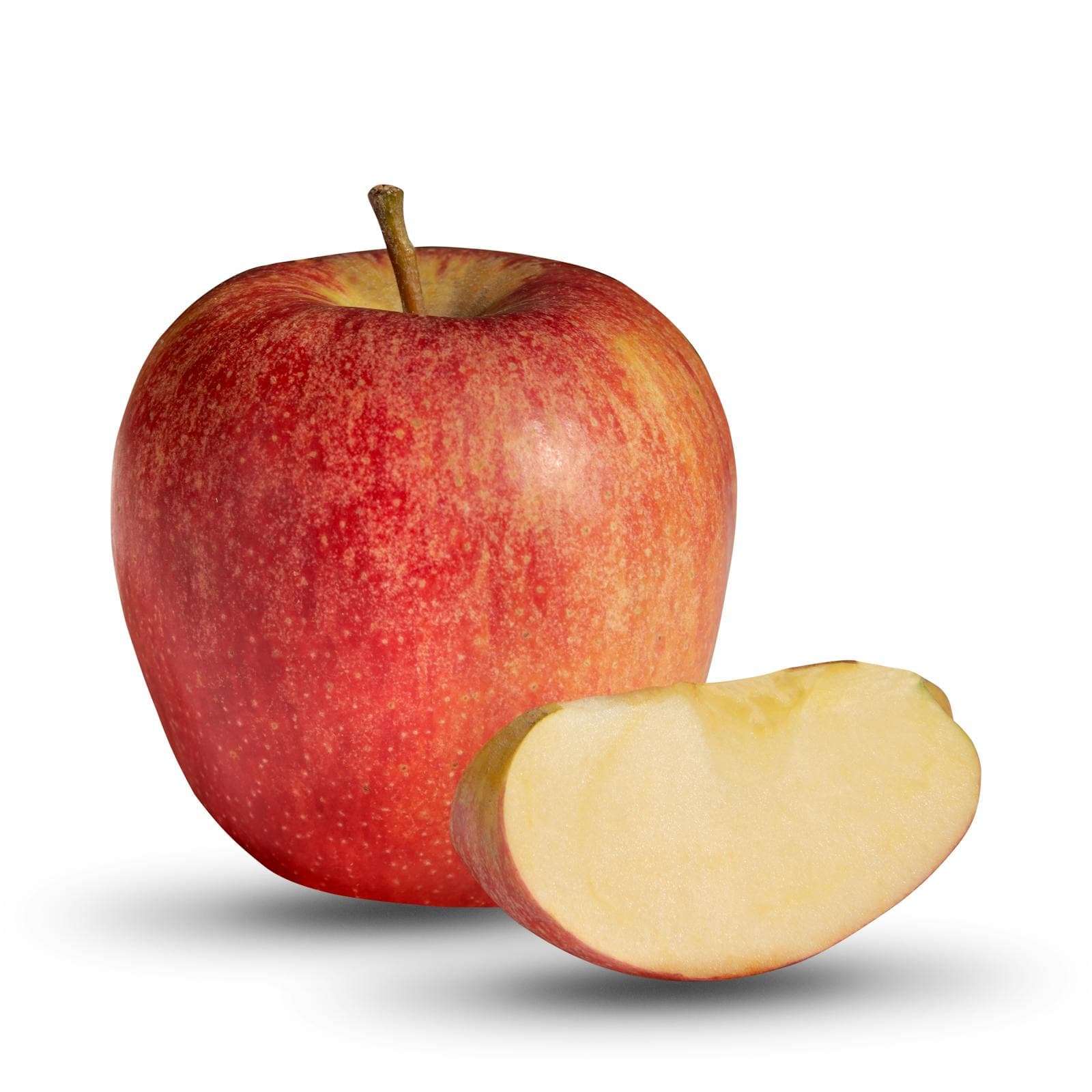
€0.59Semi-Sweet Red Apple
220 g · Mercadona
Good to know
- Origin
- Chance seedling discovered in 1868 in Eastwood, New South Wales, Australia, by Maria Ann 'Granny' Smith; parentage uncertain, possibly a French Crab apple cross.
- Skin & Flesh
- Bright grass-green skin (sometimes with a faint pink or russeted blush on the sun-exposed cheek); dense, crisp, fine-grained white flesh.
- Flavor Profile
- Sharply tart with high acidity and relatively low sugar (~13° Brix); malic acid dominates, giving a lemony, almost wine-like edge.
- Texture
- Firm and dense; one of the best cooking apples for holding its shape under heat, with tight cells that break down slowly.
- Browning Resistance
- Noticeably slower to oxidize than most apples when cut, due to low polyphenol oxidase activity — useful in salads, charcuterie, and lunchboxes.
- Season (N. Hemisphere)
- Late-season apple, harvested roughly late October through November; widely available in cold storage well into spring.
- Storage
- Keeps 3–6 months in cold storage (0–1°C / 32–34°F); refrigerate at home for longest life. Overstored fruit develops a waxy, yellowed skin and softer flesh.
- Average Size & Yield
- Medium to large, typically 170–220 g (6–8 oz); roughly 80–85% usable flesh after peeling and coring.
- Ripeness Cue
- Look for firm, deeply green fruit; slight yellowing signals peak eating ripeness, while very yellow means it is overripe and softening.
- Acidity in Baking
- High acid content reacts vigorously with baking soda — recipes that rely on soda for leavening may need balancing, and batters may brown faster than with sweet apples.
Substitutes
- Braeburn — Similar sweet-tart balance and good baking structure; slightly more aromatic.
- Pink Lady (Cripps Pink) — Sweet-tart, holds shape well, with a deeper pink skin; a near-equal substitute in tarts and pies.
- Newtown Pippin — Classic American heritage cooker with comparable tartness and storage life; green and firm.
- Jonathan — Tart, firm, and a traditional Midwestern pie apple; slightly softer flesh but similar acidity.
- Gravenstein — Very tart and cooks down well; only available in a short season, so check market timing.
- Bramley (UK) — The British culinary apple — breaks down to a fluffy purée rather than holding shape, so swap in only for sauce, not shaped tarts.
- Northern Spy — Tart, firm, and excellent in pies; less common in supermarkets but a faithful Granny Smith stand-in.
- Half Granny Smith + half Honeycrisp or Fuji — When you want Granny Smith's brightness but a rounder sweet-tart profile, this blend is the gold standard for pies.
Pairs with
Also called
granny smith · green apple