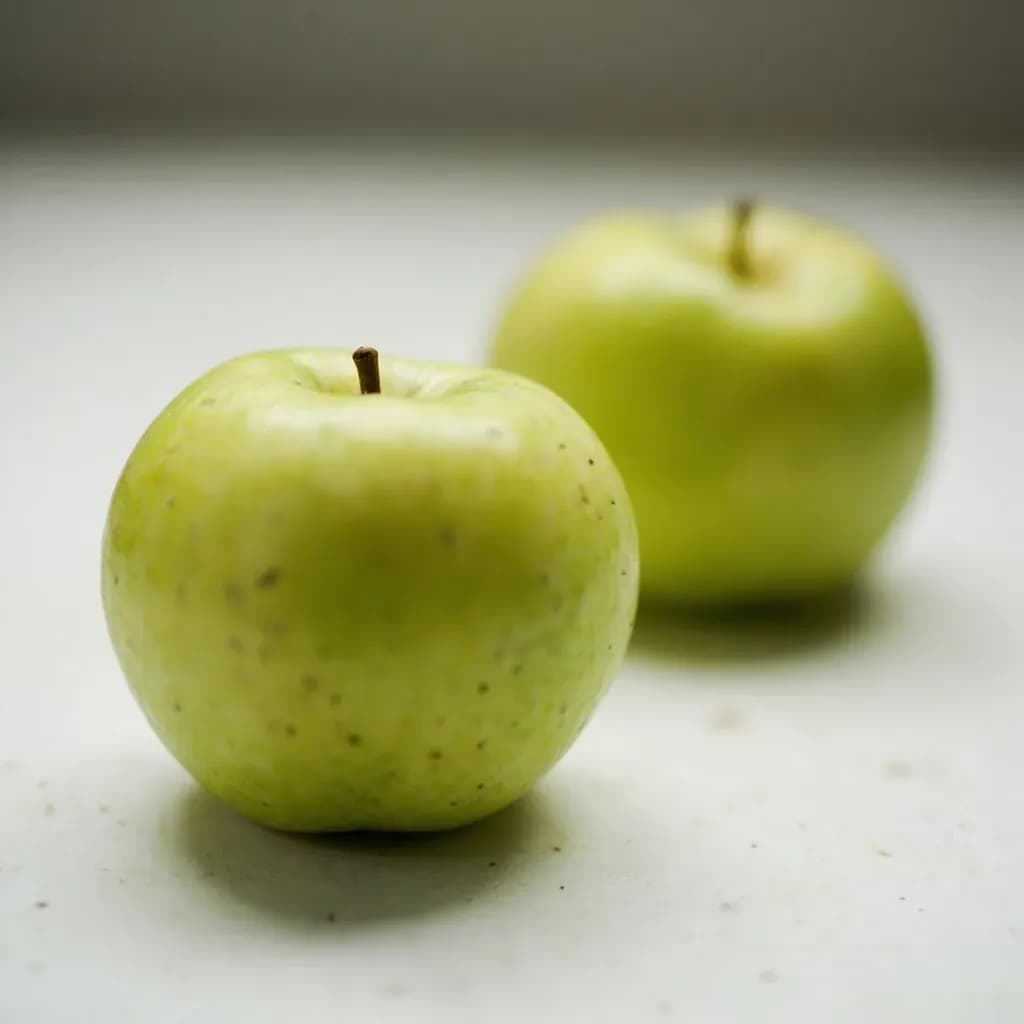
Produce
Cooking Apple (Bramley)
Tart, firm apple that collapses into a fluffy puree when cooked, ideal for pies and sauces.
The Bramley is the classic British cooking apple, prized for its sharp acidity and high moisture that breaks down into a soft, fluffy pulp when baked or stewed. It is used for apple pies, crumbles, sauce, and chutneys where its tartness balances added sugar. Unlike dessert apples it is rarely eaten raw because of its mouth-puckering sourness.
The Bramley is the defining English cooking apple — a large, intensely sharp fruit with flesh that collapses into a dry, fluffy granular puree when cooked. Originating from a single seedling planted in Nottinghamshire around 1809–1810, it remains the benchmark against which all other British cooking apples are measured. Its extraordinary acidity (pH 3.0–3.5) and minimal tannin give cooked Bramley its characteristic sharp, clean flavour and distinctive mealy texture — qualities that make it irreplaceable in traditional British baking and sauces.
Unlike dessert apples that hold their shape or turn soft and wet when cooked, Bramley breaks down completely: the cell walls separate, the flesh becomes fluffy and dry rather than saucy, and the flavour concentrates. This behaviour is genetic — the triploid Bramley cannot pollinate other apples and must be propagated by grafting, meaning every Bramley tree worldwide descends from the original specimen in Southwell, Nottinghamshire (which stood for over 200 years before removal in 2017). For authentic British apple crumble, apple sauce, or apple snow, only Bramley or a very close substitute delivers the correct result.
In the kitchen, Bramley's high acidity is both asset and liability. It requires significantly more sugar than dessert apples to balance, yet that same acidity makes Bramley exceptional for preserves — the natural pectin content is high, and the sharp flavour stands up to heavy sugar loads. Bramley oxidises rapidly when cut, turning brown within minutes if left exposed to air, so always submerge cut pieces in cold acidulated water until cooking. The fruit stores well: 2–4 weeks at cool room temperature, up to 2 months refrigerated, and frozen puree keeps 6–8 months.
- Measured in
- piece
- Storage
- Fridge
Types & varieties
Cloned from the original 200-year-old tree via tissue culture; claimed to have superior flavour intensity
Commercial variety widely grown in UK supermarkets; more regular shape and longer storage life than original clone
Bright-green, very tart firm apple that holds its shape and resists browning; the default choice for pies, tarts, and savory apple cooking.
Understanding Bramley's Cooking Behaviour
Bramley's distinctive fluffy, granular texture when cooked is the result of its high acidity and specific cell wall composition. The acid causes the pectin in the cell walls to break down, allowing the cells to separate completely rather than just softening. This is why Bramley puree is dry and mealy rather than smooth and wet — the liquid stays within the collapsed cells rather than pooling as sauce. Understanding this behaviour is essential for recipe success: if a recipe requires a chunkier texture (such as for a pie with visible apple pieces), Bramley alone will disappoint. The solution is to blend varieties: pair Bramley with a firm-keeping apple like Newton Wonder or Grenadier to maintain some structural integrity while retaining the characteristic sharp flavour.
Why Bramley is Triploid — And Why It Matters
Bramley is a triploid apple, meaning it has three sets of chromosomes instead of the usual two. This makes it genetically sterile — it cannot pollinate other apples and cannot be grown from seed. Every Bramley tree worldwide has been produced by grafting a cutting from the original specimen onto compatible rootstock. This propagation method ensures consistency: all Bramley apples descend directly from that single Nottinghamshire tree, making the variety genetically identical across orchards worldwide. For growers, triploidy means Bramley trees are vigorous but require compatible pollinators (such as James Grieve or Worcester Pearmain) planted nearby to ensure good fruit set on the pollinator trees.
Common uses
Tips & pitfalls
- Bramley oxidises rapidly — toss cut pieces in cold water with a squeeze of lemon juice or ascorbic acid if not cooking immediately.
- Add sugar in stages during cooking or pureeing; taste before sweetening as Bramley acidity varies with ripeness and season.
- Do not overcook if serving as a chunky pie filling — Bramley collapses completely, leaving no texture.
- For a chunkier pie filling, combine Bramley with a firm-keeping variety like Newton Wonder or Grenadier.
- When making apple sauce, cook Bramley with only a splash of water, covered, on low heat — steam alone is sufficient; high heat toughens the flesh.
- Commercial Bramley puree for baking is best made from cooked apples, not raw blended, as cooking activates the starch that gives baked goods structure.
- Test for doneness by pressing a piece against the side of the pan — it should flatten without resistance and have a fluffy, dry appearance.
Nutrition
Energy
218 kJ · per 100 g
Where the calories come from
Protein
0.3g
1% DV
Carbs
13.8g
5% DV
Fat
0.2g
0% DV
Fiber
2.4g
9% DV
Sugars
10.4g
of which
Sodium
1mg
0% DV
Source · USDA FoodData Central · approx. Apples, raw, with skin (Includes foods for USDA's Food Distribution Program)
View on FDC →In the shops
Matched grocery products
 €2.84
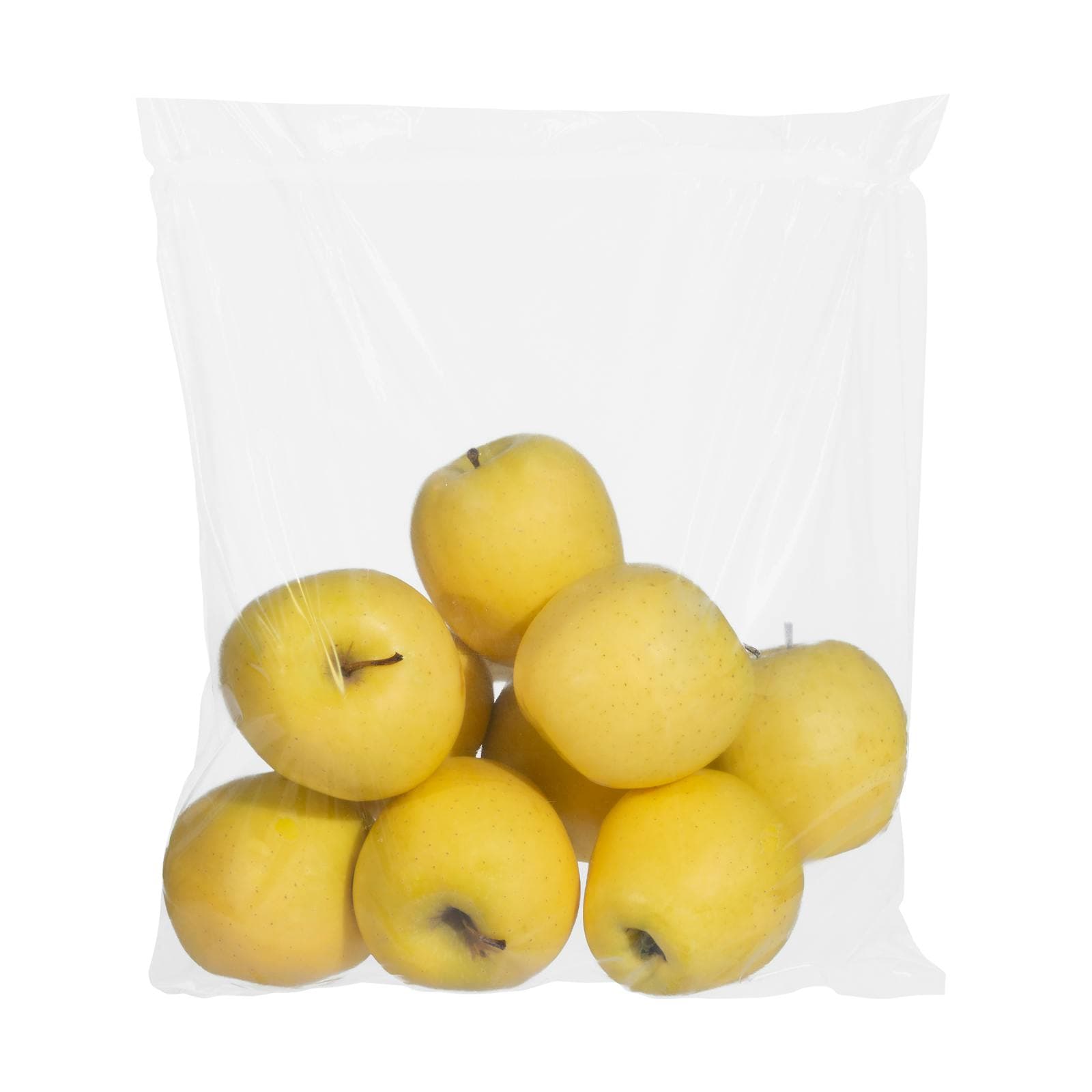
€2.84Golden Apples
1.58 kg · Mercadona
 €0.44
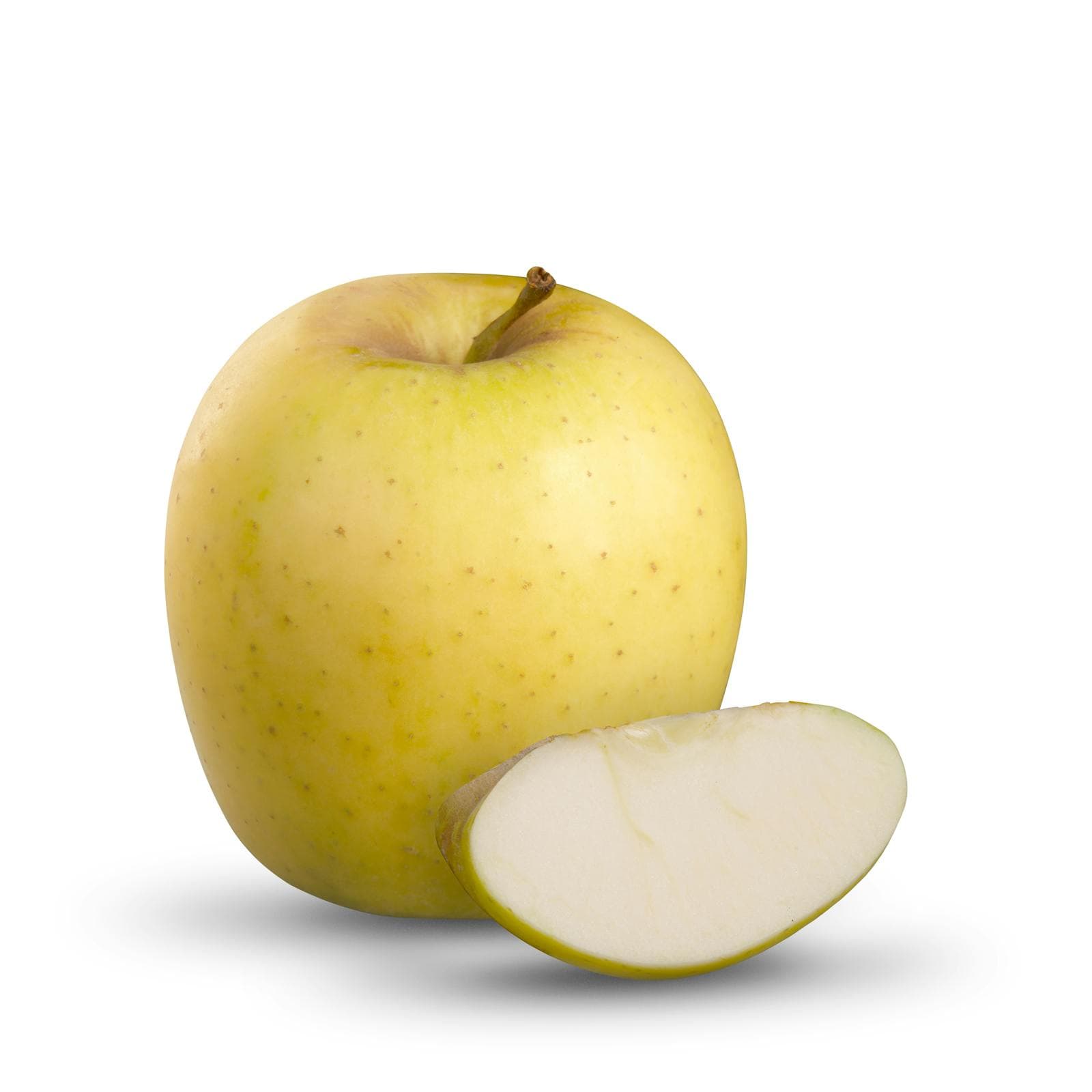
€0.44Golden Apple
200 g · Mercadona
 €0.62
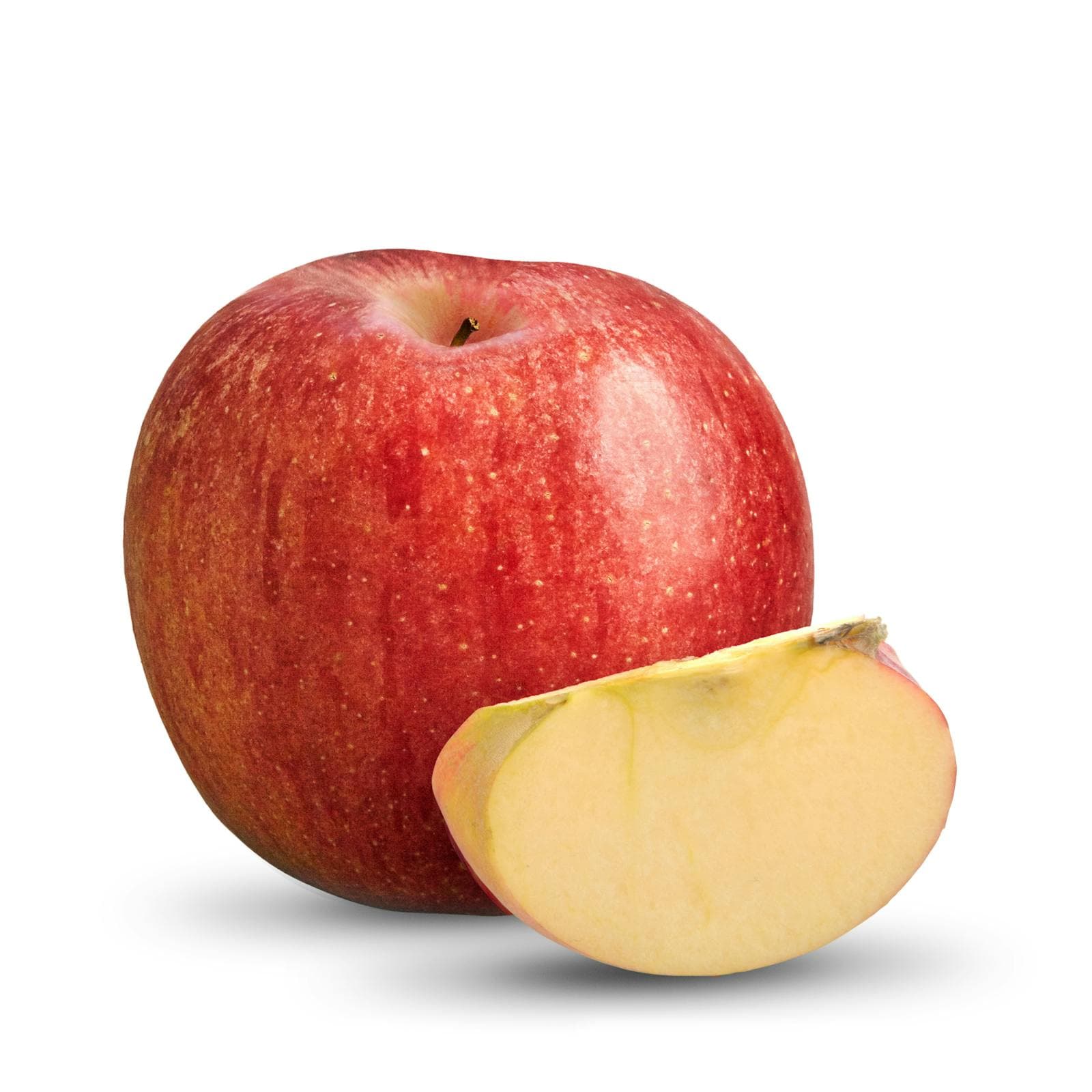
€0.62Red Sweet Apple
230 g · Mercadona
 €3.77
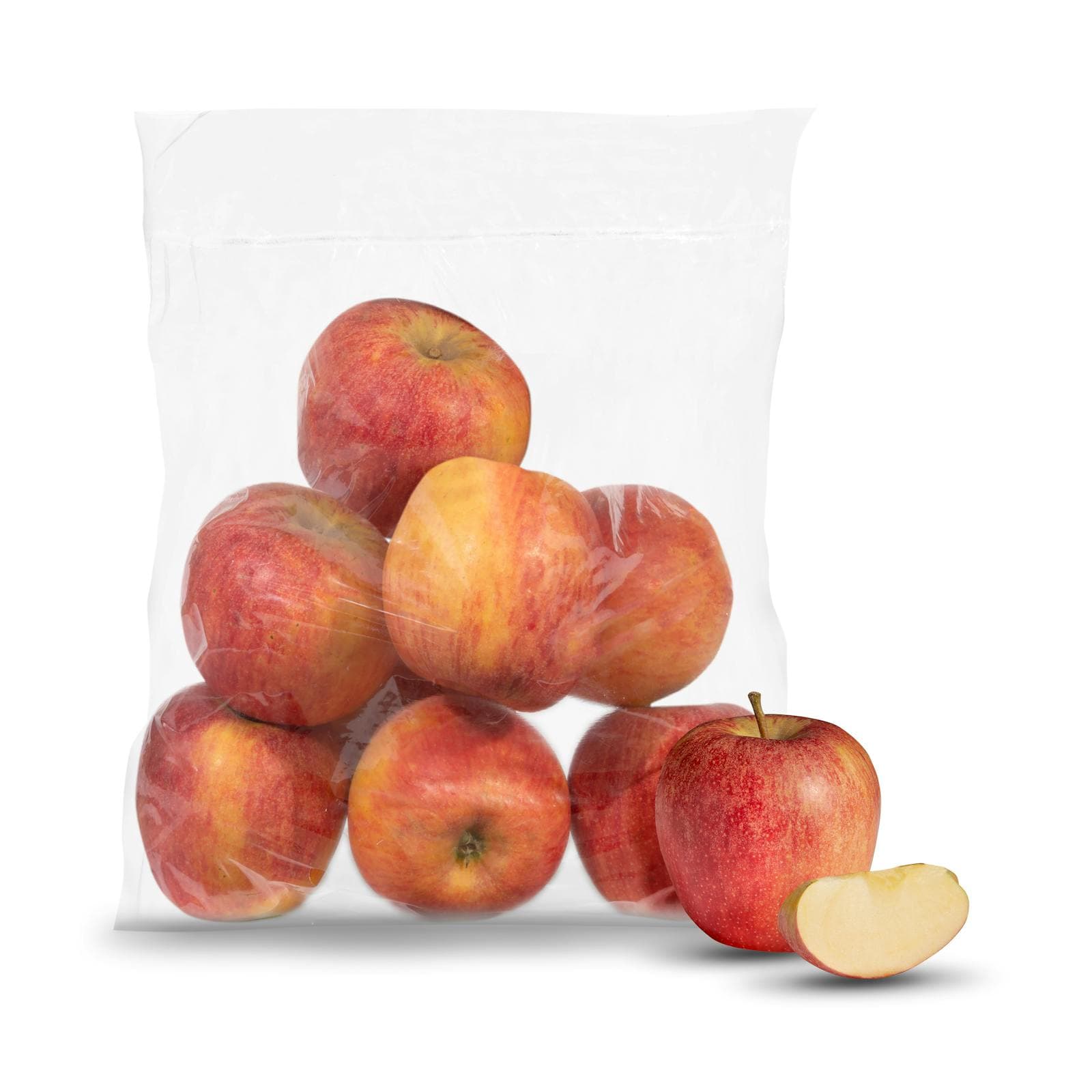
€3.77Sweet Red Apples
1.57 kg · Mercadona
 €0.43
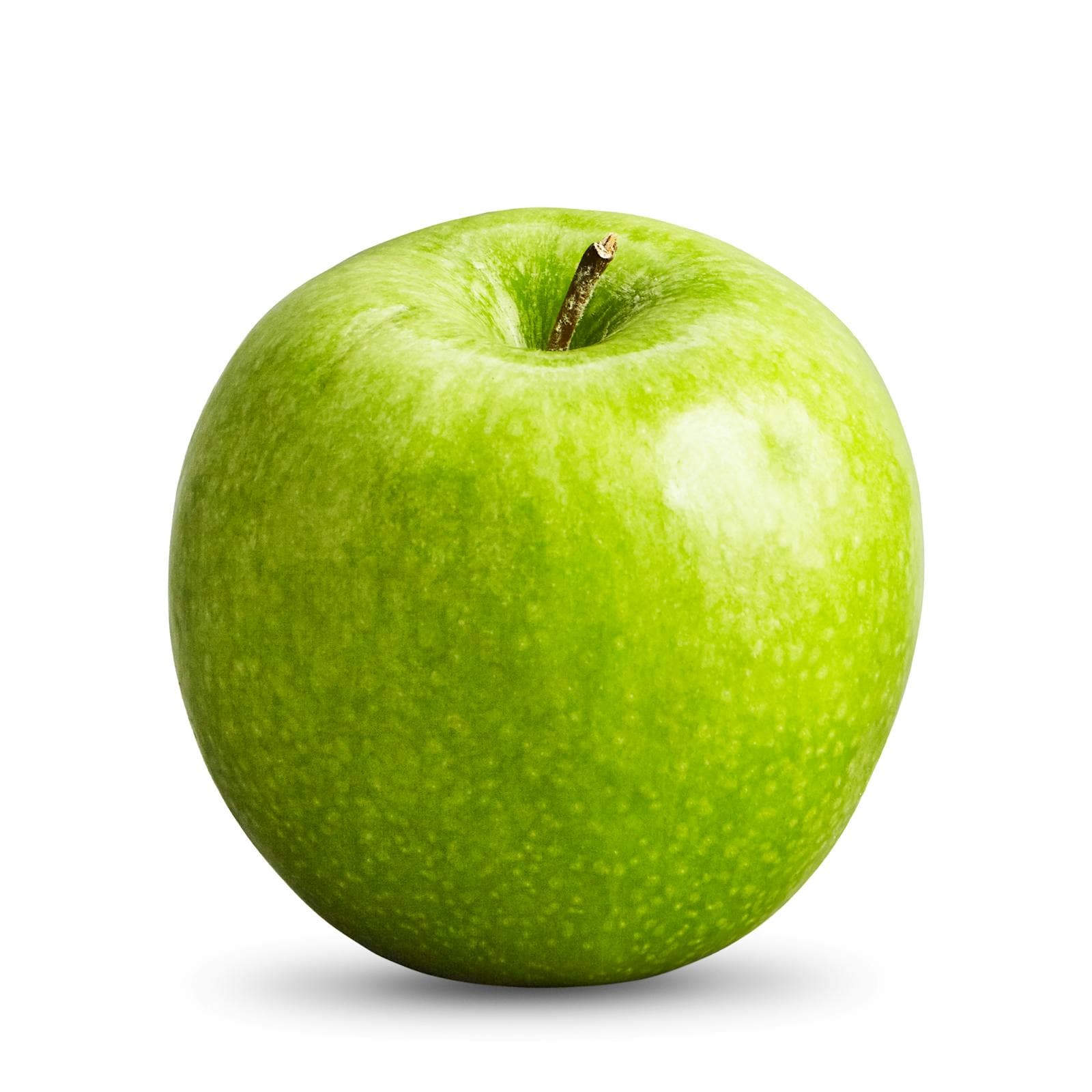
€0.43Granny Smith Apple
180 g · Mercadona
 €0.59
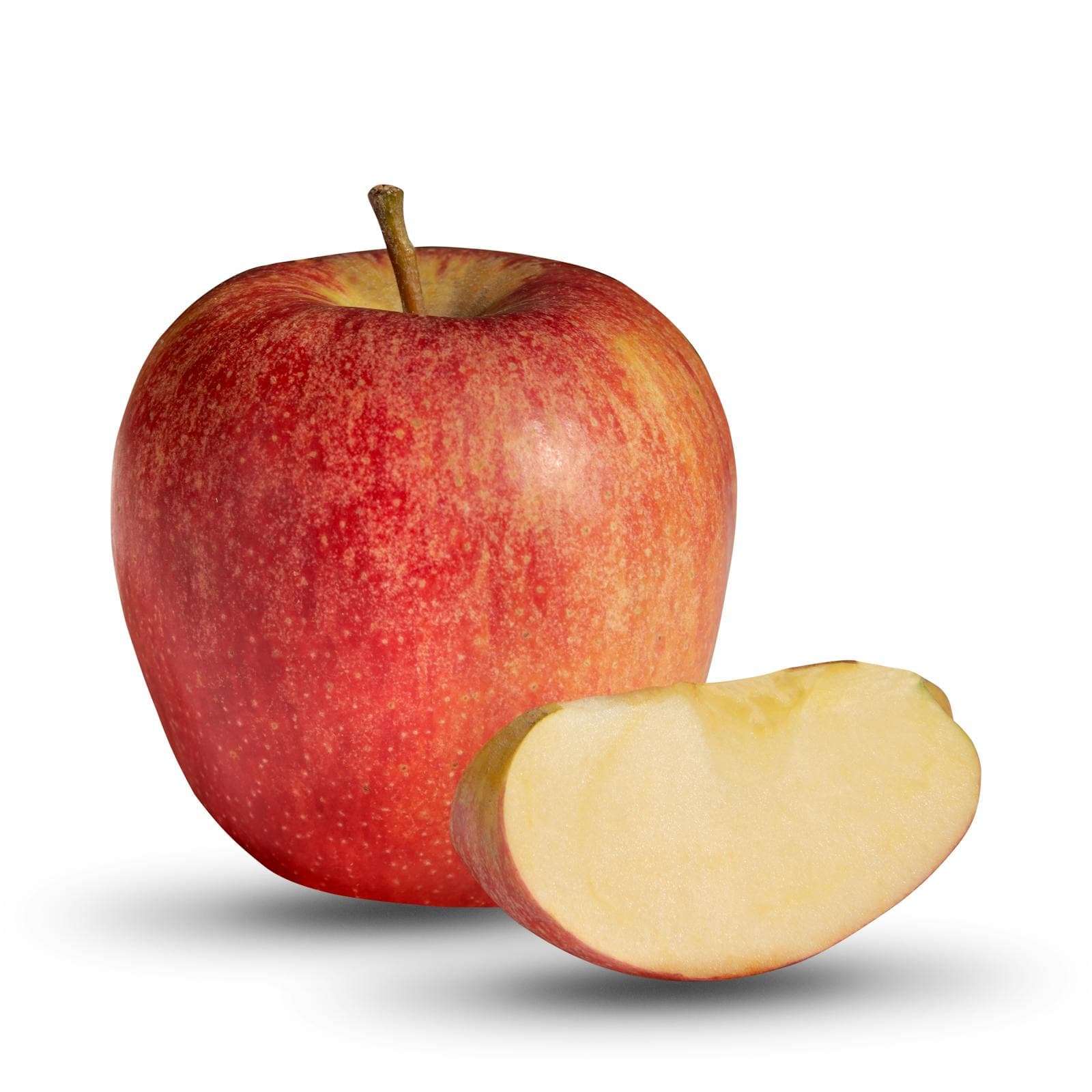
€0.59Semi-Sweet Red Apple
220 g · Mercadona
Good to know
- Origin
- Nottinghamshire, England, circa 1809–1810; grown from seed planted by Mary Anne Brailsford; named after butcher Matthew Bramley who owned the property by 1846
- RHS Recognition
- Awarded First Class Certificate in 1862; remains the benchmark English cooking apple
- Season
- October through December; peak availability October–November
- Tree type
- Triploid (sterile); must be propagated by grafting onto rootstock
- Size
- Large, typically 6–8 cm diameter; can reach 250g each
- pH
- Approximately 3.0–3.5 (very high acidity)
- Storage (whole)
- 2–4 weeks at cool room temperature; up to 2 months in refrigeration at 1–4°C
- Storage (prepared)
- Refrigerated apple sauce keeps 1–2 weeks; frozen puree keeps 6–8 months
Substitutes
- Granny Smith — Australian and global cooking apple; similar high acidity and firm texture; holds shape slightly better when cooked, making it better for chunky pies
- Newton Wonder — British cooking apple dating to 1880s; excellent for pies as it holds its shape better; flavour is milder and less acidic than Bramley
- Grenadier — Early-season English cooking apple; available August–September; softens quickly when cooked; milder acidity
- Howgate Wonder — Large cooking apple; good for puree and jam; less acidity than Bramley
- Using dessert apples as substitute — Reduce any added sugar and add 1 tsp lemon juice per 500g to approximate Bramley's sharpness
Pairs with
Also called
Bramley Apple
Related
Tomato
Juicy, sun-sweet fruit for sauces, salads, and slow-cooked depth
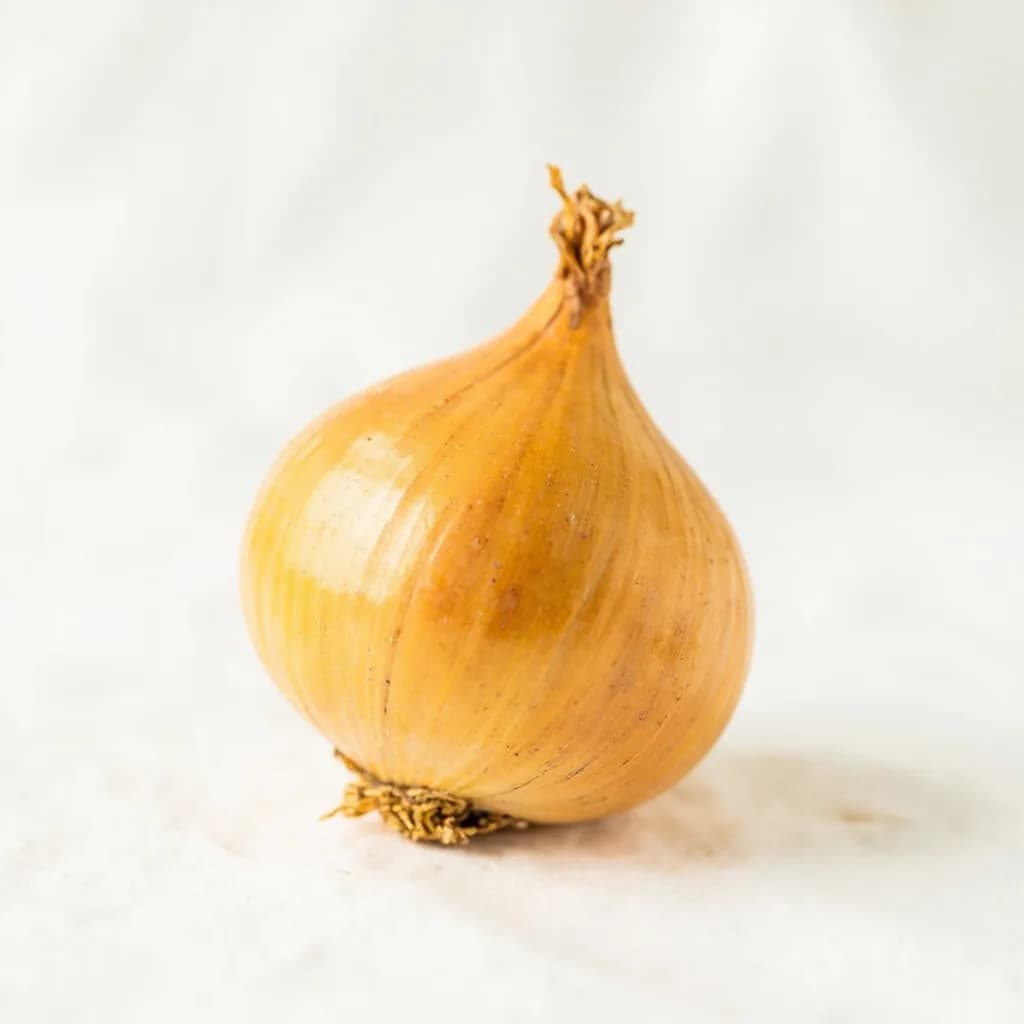
Yellow Onion
The aromatic backbone of soups, sofritos, and braises
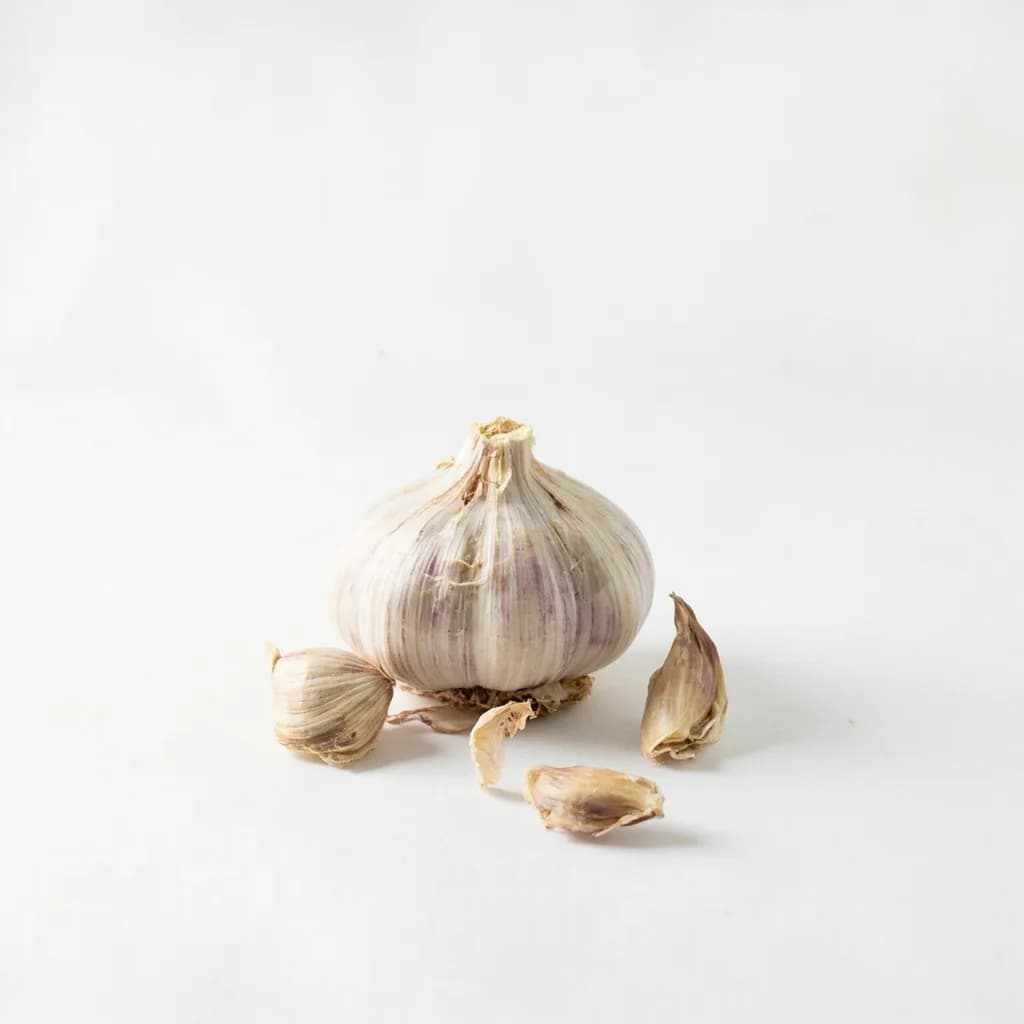
Garlic
Pungent cloves that perfume nearly every savory dish
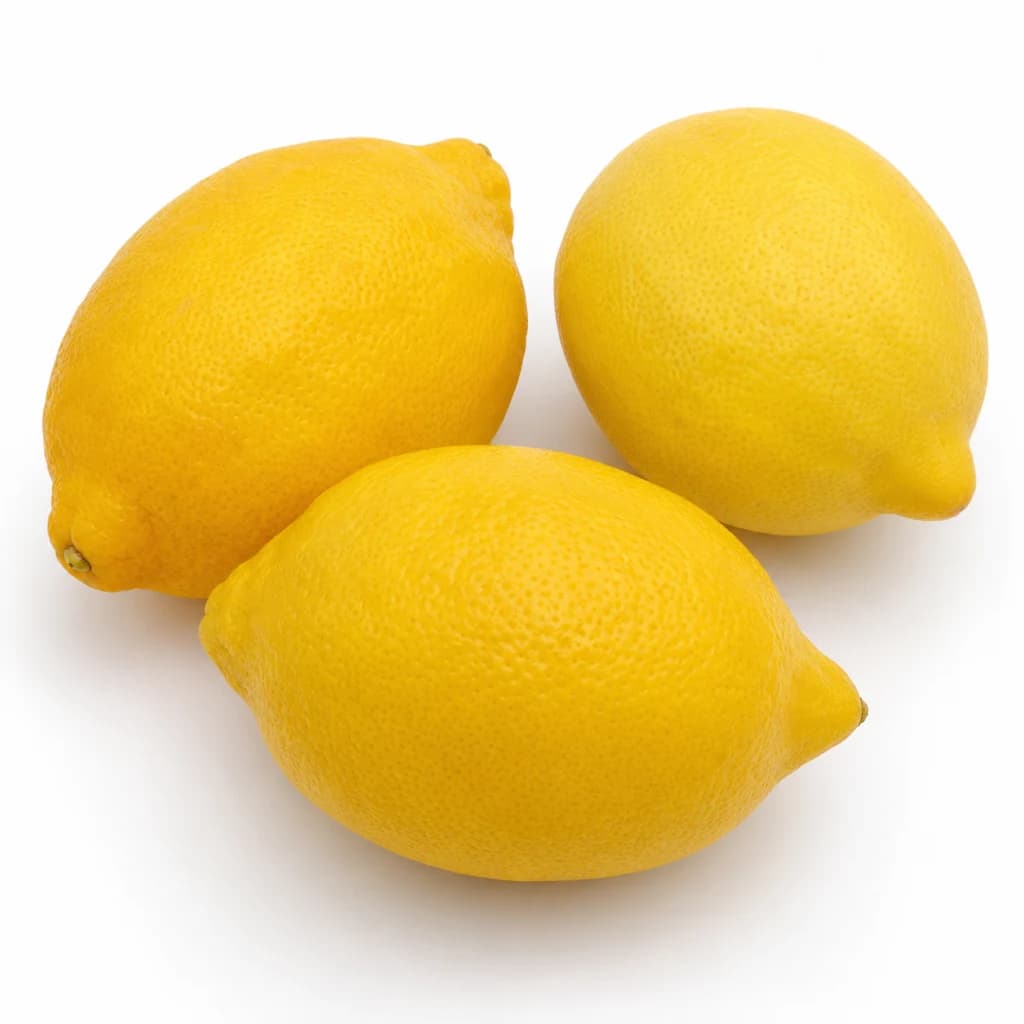
Lemon
Bright, acidic citrus that wakes up almost any dish
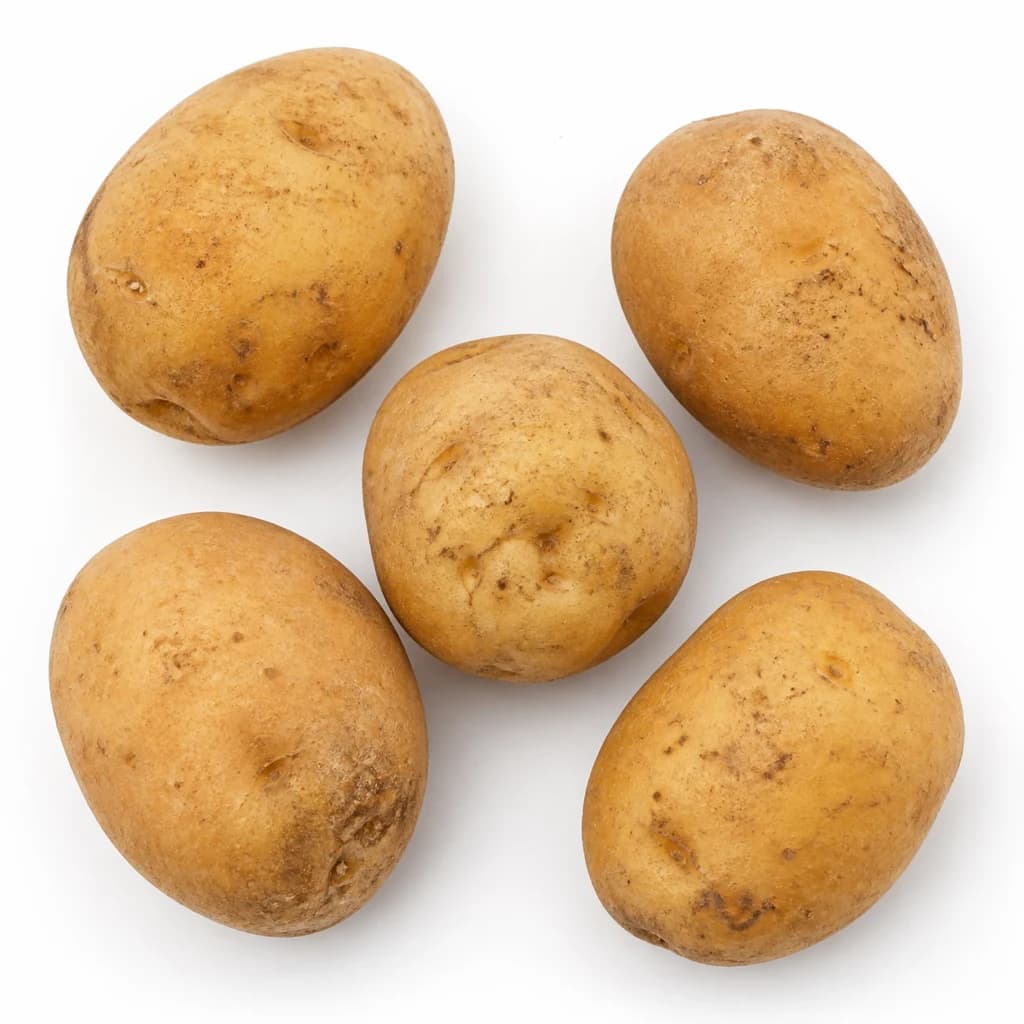
Potato
Humble, hearty staple — roast, mash, fry, or boil
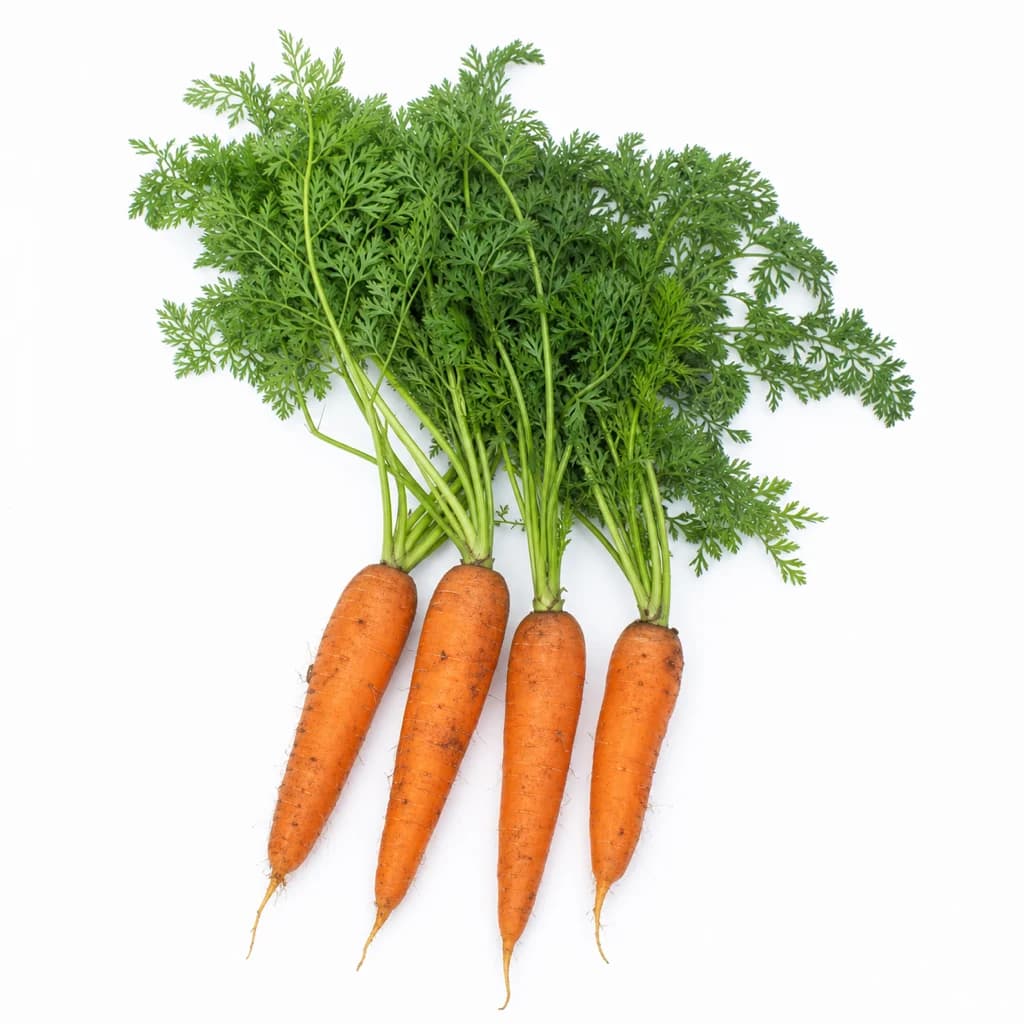
Carrot
Sweet, crunchy root — raw, roasted, or the base of a sofrito
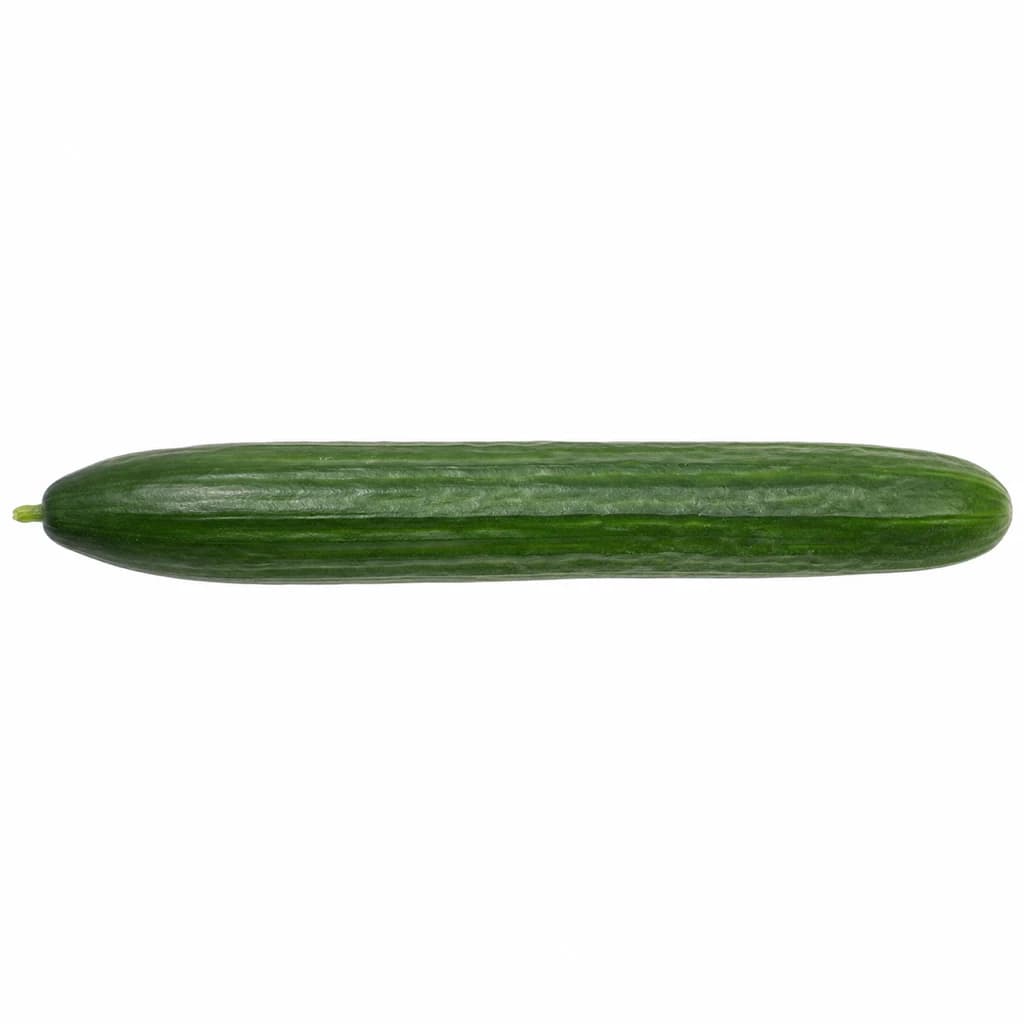
Cucumber
Cool, crisp, and watery — for salads, pickles, and tzatziki

Lettuce
Crisp leaves for salads, wraps, and a fresh crunch