Heat & Safety
Crushed Ice
Finely broken ice used to chill, display, and rapidly cool food and drinks.
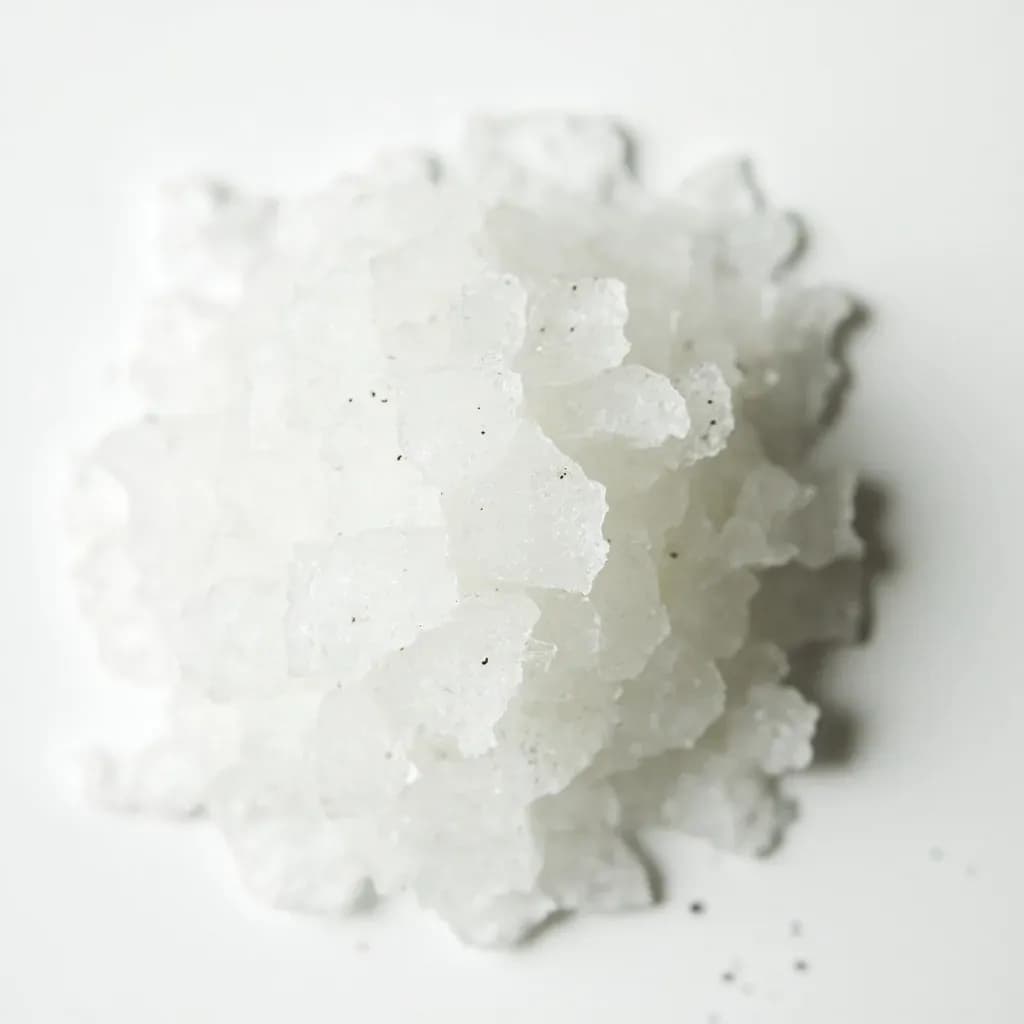
Crushed ice is finely fragmented ice used to pack seafood and produce displays, chill drinks, and rapidly cool cooked food in an ice bath for food safety. Its small pieces conform around containers for fast, even cooling and an attractive raw-bar presentation. It is also folded into cold packs and used to hold plated cold dishes during service.
Crushed ice is mechanically or manually fractured ice broken into irregular fragments, typically ranging from about 1/4 inch down to a fine gravel-like texture. Unlike cubed ice, which melts relatively slowly due to its compact shape, crushed ice offers dramatically increased surface area. This makes it exceptionally effective at rapid cooling and chilling—crushed ice melts approximately 30-40% faster than cubed or sphere ice of equivalent volume. The fractured, irregular shapes nest together well, conforming to container contours and surrounding food or glassware with maximum contact.
The value of crushed ice in professional and home kitchens lies in this rapid heat exchange. Whether you're setting up an oyster bar, shaking a mint julep, or cooling blanched vegetables for an ice bath, crushed ice delivers fast, even cooling. However, this same property makes it unsuitable for long-term chilling—use standard cubes or sphere ice when you need ice to last through extended service. Commercial operations often dedicate specific ice machines to crushed or nugget ice production, keeping it separate from clear cubed ice used in spirits service to maintain proper food safety protocols.
Water quality directly affects crushed ice's taste. Ice made from tap water with strong mineral content or chlorine will carry those flavors, which is especially noticeable in cocktails where the ice directly dilutes the drink. For clear, clean-tasting crushed ice, use filtered or distilled water and consider directional freezing techniques for larger blocks before crushing. Store crushed ice in sealed bags in the freezer and use within 2-3 days for best texture—the irregular shapes tend to clump together over time, though the ice remains functional.
Alternatives
Types & varieties
Snow-like texture, ideal for cocktails like mint juleps and daiquiris where rapid dilution is desired
Larger irregular chunks, better for display and ice baths where slower melt is preferable
Soft, compressed irregular pieces that are chewable; produced by commercial machines like Scotsman; popular for soft drinks and bar service
Small, relatively uniform rounded pieces; commercial variant like Sonic's signature ice; faster production than true crushed ice
Distinct from crushed ice—shaved ice is sliced into thin ribbons or plates, used for Hawaiian shave ice, Asian desserts, and granitas
Ice for Food Display
When setting up seafood displays, raw bar stations, or cold appetizer platters, crushed ice outperforms other forms. Its irregular fragments nest together, creating a stable, level surface that conforms to the shape of the food being displayed. Place food on a perforated layer or wire rack above solid crushed ice to prevent direct contact—this stops pooling water from wicking up to the food and avoids the soggy presentation that plagues direct-on-ice setups. Refresh the ice regularly during service, as crushed ice melts faster than expected in ambient conditions.
- Use a perforated pan or rack over solid ice for direct food contact situations
- Refresh ice every 30-45 minutes during warm service conditions
- Keep display ice separate from ice used in drink preparation
Ice for Cocktails
Crushed ice is essential for many classic and contemporary cocktails. The fine texture provides rapid chilling and dilution, which is desirable in drinks like mint juleps, daiquiris, and swizzles where quick dilution opens up flavors. Coarser crushed ice works better for building cocktails directly in the glass—larger pieces melt more slowly, preventing over-dilution while still keeping the drink cold. Always make fresh crushed ice immediately before service; exposed crushed ice absorbs freezer odors and loses its clean, sharp edges, resulting in muddy-tasting ice that clouds drinks.
- Make fresh crushed ice for each shift—never use day-old ice from the well
- Use fine crushed ice for shaking; coarse crushed ice for building in glass
- Dampen a cloth and lay it loosely over crushed ice in wells to prevent evaporation and clumping
Common uses
Tips & pitfalls
- Make fresh crushed ice just before service for cocktails—crushed ice exposed to air loses texture and melts rapidly
- For clear, clean-tasting ice: use filtered or distilled water and directional freezing methods for large cubes before crushing
- When making crushed ice at home: fill a sealable bag halfway, expel air, seal, wrap in towel, and crush with a rolling pin or mallet—no mess, consistent results
- In high-volume bars, install a dedicated undercounter ice machine with crushed ice option rather than crushing cubes by hand
- For crushed ice in blenders: use the pulse function, never continuous blend, to avoid turning ice into slush
- Common mistake: using crushed ice for long-term chilling—its fast melt rate means you'll run out of ice before service ends; use cubed or sphere ice instead
- Store crushed ice in a sealed bag in the freezer; it will clump but stays usable for 2-3 days
- For seafood displays: place food on a perforated layer above solid ice to prevent direct contact and pooling water
Good to know
- Typical Size
- Irregular fragments from 1/4 inch down to fine gravel-like texture
- Melting Rate
- 30-40% faster than cubed ice due to increased surface area
- Production Methods
- Ice crushers (electric/manual), blender pulse function, sealed bag and mallet/rolling pin, or commercial crushing machines
- Storage Life
- 2-3 days in sealed freezer bag; use within 24-48 hours for optimal texture in service
- Primary Material
- Frozen water—quality depends entirely on water purity
- Commercial Machines
- Hoshizaki, Manitowoc, and Scotsman produce dedicated crushed and nugget ice machines
- Food Safety
- Use potable water only; sanitize ice scoops daily; never handle ice with bare hands in food service
Also called
Cold Pack · shaved ice · display ice
Related

Paper Towels
Disposable sheets for spills, drying, and patting dry

Kitchen Towels
Reusable cloths for drying, gripping, and wiping

Oven Mitts
Heatproof gloves to handle hot pans and trays safely

Disposable Gloves
Single-use gloves for safe, mess-free handling

Cleaning Cloths
Reusable cloths for wiping counters and spills

Tortilla Warmer
Insulated holder that keeps tortillas warm and soft

Trivet
Heatproof stand that shields surfaces from hot pots

Ice Bath Setup
Bowl of ice water that halts cooking and sets color