Storage & Containers
Food Storage Container
Lidded plastic or glass tub for storing leftovers, prepped ingredients, and batch-cooked meals.
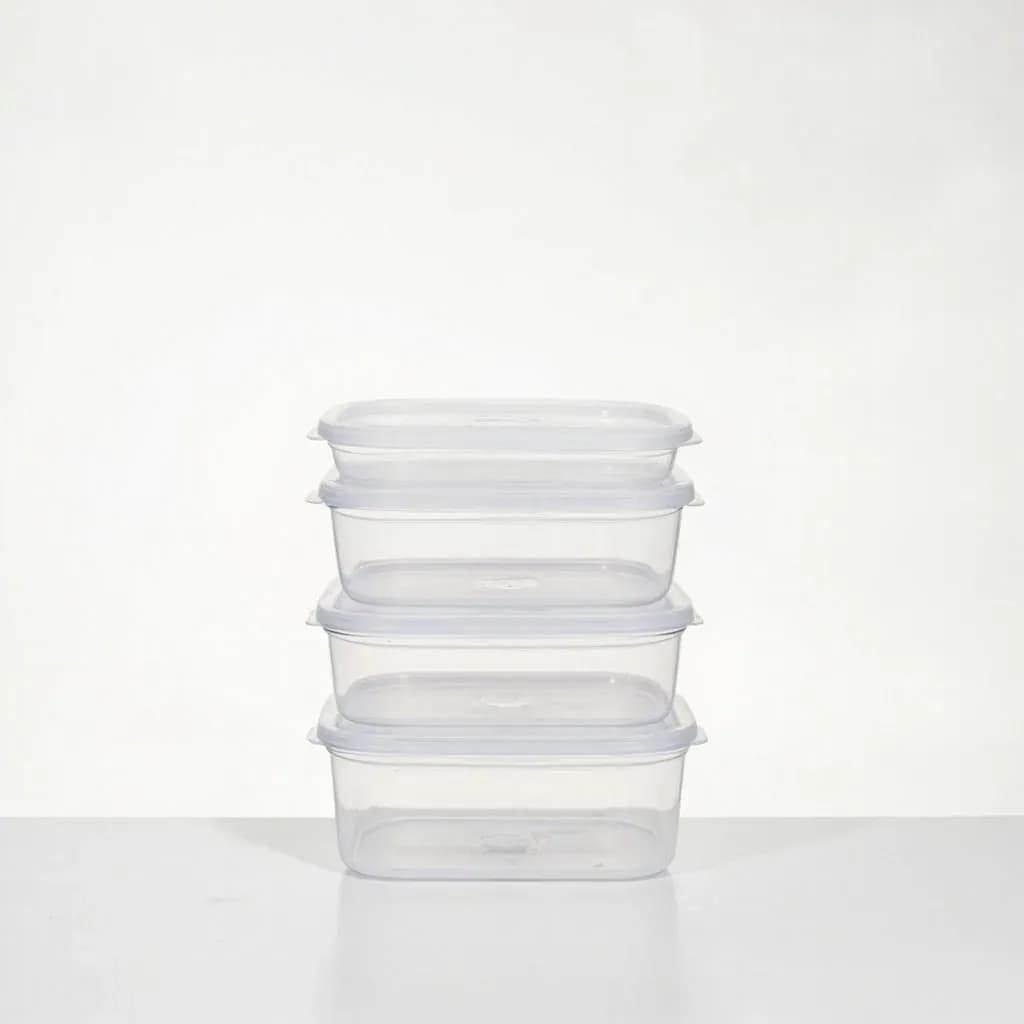
A food storage container is a lidded box, usually plastic or glass, used to store leftovers, prepped ingredients, and batch-cooked meals in the fridge or freezer. Cooks rely on them for mise en place, meal prep, and stacking portions neatly. Glass and many BPA-free plastics are microwave- and freezer-safe, while airtight snap or screw lids keep food from drying out or absorbing odors.
Food storage containers are the organizational backbone of a well-functioning kitchen, enabling the workflows of meal prep, batch cooking, and waste reduction that define efficient home cooking. These lidded vessels—made from glass, plastic, metal, or silicone—serve as the primary infrastructure for preserving ingredients, protecting prepared foods, and maintaining an orderly refrigerator and pantry. The right container system transforms a chaotic kitchen into one where leftover soup is instantly locatable, weekly prep components stay organized by day, and dried goods remain pest-free and visible.
Material selection involves meaningful trade-offs that affect daily use. Glass containers are inert, non-porous, and won't absorb odors or stains from foods like tomato sauce, curry, or garlic, making them ideal for long-term refrigerator storage and microwave reheating. However, glass is heavier than plastic and can chip, crack, or shatter under thermal shock or impact. Quality plastic containers—particularly polypropylene and Tritan—are lightweight, affordable, and microwave-safe (with bodies, not always lids), though they become brittle over time and may retain strong odors with repeated use. Stainless steel offers near-indestructible durability and a completely inert surface, but cannot be used for microwaving. Silicone provides flexibility and airtight seals but can absorb fats and develop odors with certain foods.
A practical kitchen collection spans multiple material types and sizes. Keep a set of 2–4 cup (470ml–950ml) glass or Tritan containers for daily leftovers and meal prep components, larger glass vessels for batch-cooked soups and braises, lightweight plastic or stainless for packed lunches, and dedicated dry-goods canisters for the pantry. The most common mistake is a one-size-fits-all approach—using the same container for freezing soup, packing a salad for work, and storing flour on the counter requires different performance characteristics that no single material provides optimally.
Alternatives
Types & varieties
Durable, non-reactive, microwave and dishwasher safe; heavier than plastic; can chip or shatter if dropped or subjected to extreme thermal shock
Superior thermal shock resistance compared to tempered glass; more expensive; favored in lab and professional kitchen applications
Lightweight, affordable, microwave-safe without lid; not odor-resistant; becomes brittle over time with heavy use
BPA-free copolyester; clearer than polypropylene, more impact-resistant; dishwasher and microwave safe (body only)
Non-reactive, extremely durable, not microwave compatible; ideal for transporting cold foods; heavier; some feature silicone lids for airtight seal
Flexible, airtight, microwave and dishwasher safe; suitable for sous vide cooking; absorbs odors over time with fatty foods
Versatile glass jars with screw lids; excellent for pantry, refrigerator, and freezer (with proper headspace); not always stackable
For dry pantry goods; typically stainless steel or glass with silicone gasket; protects flour, sugar, grains, coffee, and spices from moisture and pests
Multi-compartment designs for meal transport; may include utensil compartments or sauce cups; leak-proof performance varies by brand and model
Choosing Containers by Task
Match the container to the specific storage task for best results. Daily refrigerator storage of leftovers and prepped ingredients calls for glass containers—non-porous, easy to clean, and transparent for quick identification. Lightweight plastic or Tritan works well for packed lunches where weight matters. Stainless steel excels for transporting cold salads or protein to work or picnics. Pantry dry goods belong in airtight canisters with silicone gaskets to block moisture and pests. Freezer storage for periods under two months can use any material with proper headspace and air removal; longer storage benefits from containers specifically designed for freezer use to minimize freezer burn.
- Glass for reheating and long-term fridge storage
- Plastic or stainless for lunch transport
- Airtight canisters for dry pantry goods
- Freezer-specific vessels for long-term frozen storage
Extending Container Life
Simple habits significantly extend container lifespan and performance. Always allow hot food to cool to room temperature before sealing—this prevents condensation that creates a breeding ground for bacteria and can force lids to seal improperly. Remove lids before microwaving anything; trapped steam can create pressure, and many plastic lids are not microwave-safe even when the body is. Clean containers promptly after use; stubborn stains from tomato-based sauces, turmeric, or curries respond to a baking soda paste scrub or a soak in white vinegar. Store containers with lids separated or inverted to save space and prevent containers from absorbing lid odors, especially in tightly packed cabinets.
- Cool food before sealing
- Microwave without lids
- Clean promptly to prevent staining
- Store lids separately or inverted
Common uses
Tips & pitfalls
- Cool hot food to room temperature within 2 hours before sealing to prevent condensation and bacterial growth in the refrigerator
- Label every container with contents and date using tape, stickers, or a grease pencil; always rotate oldest items forward
- For freezer storage, remove as much air as possible and use freezer-specific containers for storage beyond 2 months to prevent freezer burn
- Leave 1–2 inches of headspace when freezing liquids (soup, stock, sauce) to allow for expansion without cracking or lid displacement
- Store containers with lids separated or inverted to save space and prevent odor absorption from surrounding items
- Check temperature limits before use—many plastic lids are not microwave or oven safe even if the container body is
- Stack same-brand containers that are designed to nest or stack for efficient storage in cabinets and refrigerator
- For pantry canisters, label contents and purchase or expiration dates to ensure proper rotation and prevent pantry pest infestations
Good to know
- Common Materials
- Tempered glass, borosilicate glass, BPA-free plastic (polypropylene, Tritan), stainless steel, silicone
- Temperature Range (Glass)
- Typically -20°C to 220°C (-4°F to 428°F) for tempered glass; borosilicate handles wider thermal swings
- Typical Sizes
- 1 cup (240ml) to 16 cups (3.8L); lunch containers commonly 2–6 cups (470ml–1.4L)
- Stackability
- Rectangular and square containers maximize fridge and cabinet space; round containers waste 20–25% of shelf space
- Lid Types
- Snap-lock, screw-top, latch, silicone stretch, compression gasket
- Dishwasher Safety
- Most glass and polypropylene bodies are top-rack dishwasher safe; always check manufacturer specs for lids
- Freezer Use
- Leave 1–2 inches of headspace for liquid expansion; use freezer-specific containers for storage over 2 months
- Microwave Safety
- Use only containers marked microwave-safe; remove all lids before heating
Also called
plastic-storage-container · storage-container · plastic-food-container · plastic-container · food-container · food-containers · food-storage-containers · freezer-container · freezer-containers · reusable-container · food-storage-tubs · plastic-storage-jar · sealed-storage-container-cn · glass-storage-container · plastic-takeout-container · plastic-takeaway-container · styrofoam-container · styrofoam-box · foam-takeaway-box · paper-lunchbox · steel-tiffin · disposable-food-containers · tupperware
Related

Freezer Bags
Thick, sealable bags built to fight freezer burn

Storage Bags
Resealable bags for fridge storage and marinating

Storage Container
Lidded container for leftovers, prep, and meal kits

Glass Container
Oven-to-fridge glass that won't stain or hold odors

Plastic Container
Lightweight, stackable storage for everyday leftovers

Vacuum Sealer Bags
Airtight bags for long freezing and sous-vide

Reusable Bags
Washable silicone bags that replace single-use plastic

Mason Jar
Sealed glass jar for preserves, pickles, and storage