Wraps & Liners
Muslin Cloth
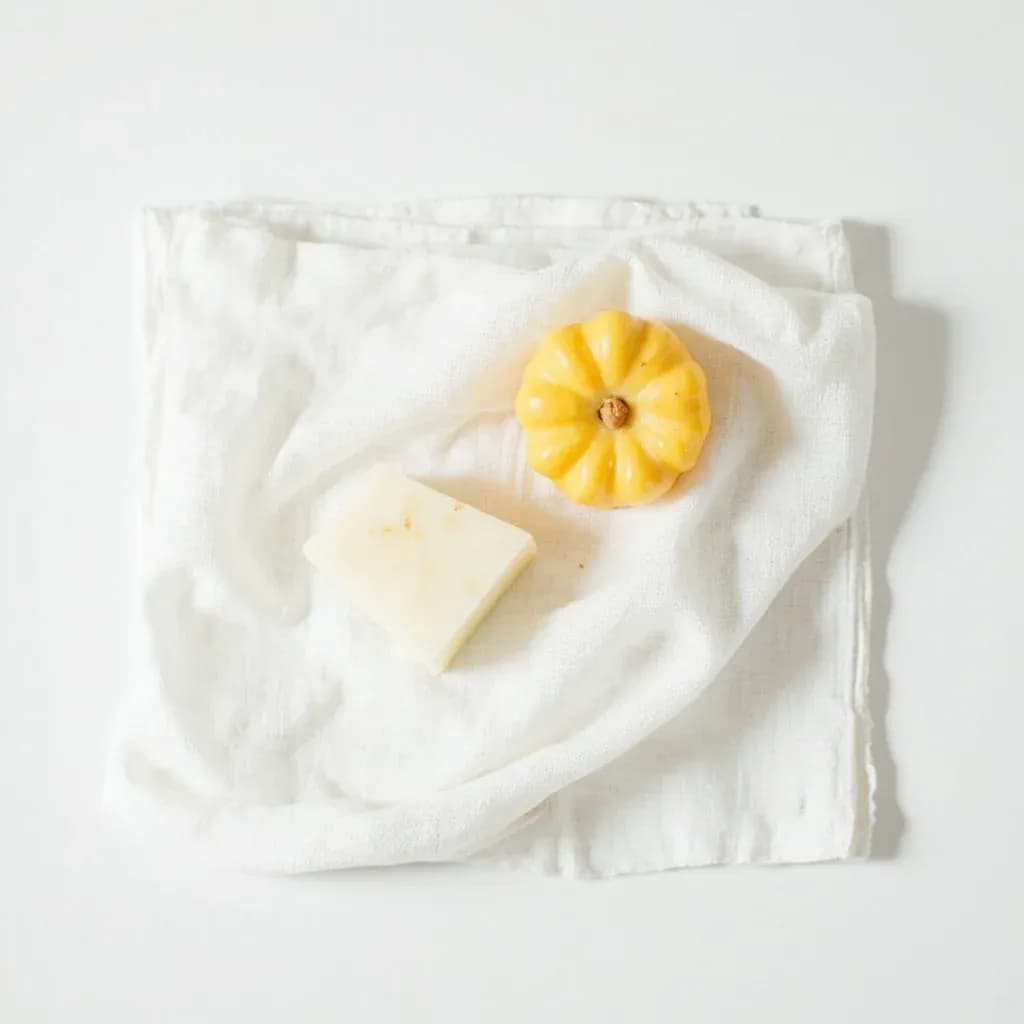
A fine open-weave cotton cloth for straining, wrapping, and lining in the kitchen.
Muslin cloth is a loosely woven, lightweight cotton fabric used for straining stocks and nut milks, wrapping cheeses and pudding, and bundling herbs into sachets. Its fine weave traps solids while letting liquid pass, making it the go-to for clarifying broths and squeezing curds. It is washable and reusable, unlike disposable filter papers.
Muslin is a plain-woven cotton fabric distinguished by its fine, open mesh structure and remarkable versatility in the kitchen. The name derives from the Iraqi city of Mosul, where European traders first encountered the cloth, though the fabric itself originated in South Asia—particularly Bengal and Dhaka (historically Dacca), where weavers perfected the technique of creating a lightweight yet durable textile from fine cotton fibers. In culinary applications, muslin earns its place through a combination of properties that synthetic alternatives rarely match: it strains liquids to exceptional clarity, breathes sufficiently to prevent condensation on proofing doughs, and withstands direct heat for simmering tasks. The fabric's absorbency, durability, and heat tolerance to 400°F (200°C) make it indispensable across traditions ranging from French haute cuisine to Indian ghee-making to traditional cheesemaking. A properly maintained muslin cloth serves for years, making it one of the most economical investments a cook can make.
Alternatives
Types & varieties
Natural cream color; preferred for cheesemaking as bleach residue can affect cultures and flavor
White; useful when appearance matters or for recipes where color transfer is a concern
Finer weave than standard muslin; specifically marketed for straining butter, ghee, and fine custards
Heavier weight; more durable for wrapping meat, poultry, or fish for braising and curing
Often pre-cut, pre-hemmed squares specifically sized for cheese forms and draining pans
Pre-cut circles designed to fit pour-over cones; tighter weave than standard muslin
Care and Maintenance
Machine washing is safe, though unbleached muslin may release some natural cotton residue during the first wash—this is normal and no cause for concern. Always wash at moderate temperatures; high heat can weaken fibers over time. Air drying preserves the cloth most effectively; if using a dryer, select low heat. Inspect cloths periodically for fraying or thinning areas, particularly in the center where strain is concentrated. Store folded flat or loosely rolled to prevent permanent creasing that can create weak points. With proper care, a single cloth serves reliably for years of regular kitchen use.
- Pre-wash new cloths before first culinary use to remove any manufacturing residue
- Press liquids through rather than wringing—the twisting motion stretches and distorts the weave
- Replace cloths when you notice threads pulling or the weave becoming loose and uneven
Muslin in Cheese Making
Muslin's role in cheese making extends beyond simple straining—it creates the environment where curds drain and textures develop. For fresh cheeses like ricotta, paneer, quark, and chèvre, line your drain vessel with damp muslin to achieve the correct texture: the cloth wicks moisture evenly while the cheese mass compacts uniformly. For harder cheeses requiring longer drainage times, a double layer prevents small curds from escaping. The key variable is time—resist the temptation to rush by squeezing or pressing too firmly, as this yields a dense, dry result rather than the light, creamy texture proper drainage develops over hours. Unbleached muslin is essential for cultured cheeses since bleaching agents can inhibit starter cultures and impart off-flavors.
- Dampen the cloth before lining—dry muslin doesn't conform as well and strains unevenly
- For cultured cheeses, unbleached muslin prevents residual bleach from inhibiting bacterial cultures
- Longer drainage produces drier, denser cheese; begin checking texture after 30 minutes for fresh cheeses
Common uses
Tips & pitfalls
- Pre-wash and dry new muslin before first use to eliminate any manufacturing residue that could flavor food
- Wet the cloth before placing it in a strainer—it conforms to the vessel shape immediately and strains more evenly from the start
- For ultra-clear stocks, line a fine-mesh strainer with muslin and pour through a second time after an initial coarse strain
- When straining fresh cheese, resist squeezing or pressing—pat gently and allow gravity to do the work for a lighter, creamier texture
- Double the cloth for very fine tasks like clarifying butter or filtering custards, but expect the process to take longer
- After washing, reshape while damp and air dry flat or on a rack; creases that set while hot become permanent weak points in the fabric
- Fold cloths with the grain when storing to minimize stress on individual thread groups; store flat or loosely rolled rather than tightly wound
- Common mistake: using a weave too coarse for the task—butter muslin or doubled standard muslin for custards and ghee, single standard for stocks
- Common mistake: wringing the cloth instead of pressing—twisting stretches individual threads and distorts the weave permanently
- Common mistake: reusing a stained cloth without proper washing between different applications, which can cross-contaminate flavors
Good to know
- Material
- 100% plain-woven cotton, typically unbleached or bleached
- Origin
- Named for Mosul, Iraq, where European traders first encountered it; fabric originated in South Asia, particularly Bengal and Dhaka (historically Dacca)
- Weave
- Plain (tabby) weave with high thread count relative to weight, creating fine open mesh
- Common Widths
- 36" to 45" for kitchen bolts; pre-cut cloths typically 12" × 12" to 18" × 18"
- Grades
- Butcher's muslin (heavier), butter muslin (finer), standard culinary muslin (medium weight)
- Heat Resistance
- Safe to 400°F (200°C); suitable for simmering stocks and scalding milk
- Care
- Machine washable; unbleached muslin may release some natural cotton residue on first wash; air dry or low heat to preserve fibers
- Reusability
- Highly durable; hundreds of wash cycles with proper care
- Typical Cost
- $3–$8 per yard (bolt); $5–$15 for pre-cut packs of 6–12 cloths
- Country of Origin
- Commercially produced in Bangladesh, India, Pakistan, and China; quality varies by manufacturer
Also called
cheesecloth · butter muslin · straining cloth
Related

Aluminum Foil
Wraps, covers, and tents food for the oven and grill

Parchment Paper
Nonstick liner for clean, even baking and easy release

Wax Paper
Moisture-resistant sheet for wrapping and counter prep

Plastic Wrap
Clings tight to cover bowls and wrap leftovers

Silicone Baking Mat
Reusable nonstick liner that replaces parchment

Cheesecloth
Loose-woven cloth for straining stock and bundling herbs

Beeswax Food Wrap
Reusable wax wrap that molds around bowls and produce

Piping Tips
Shaped nozzles that turn frosting into stars and rosettes