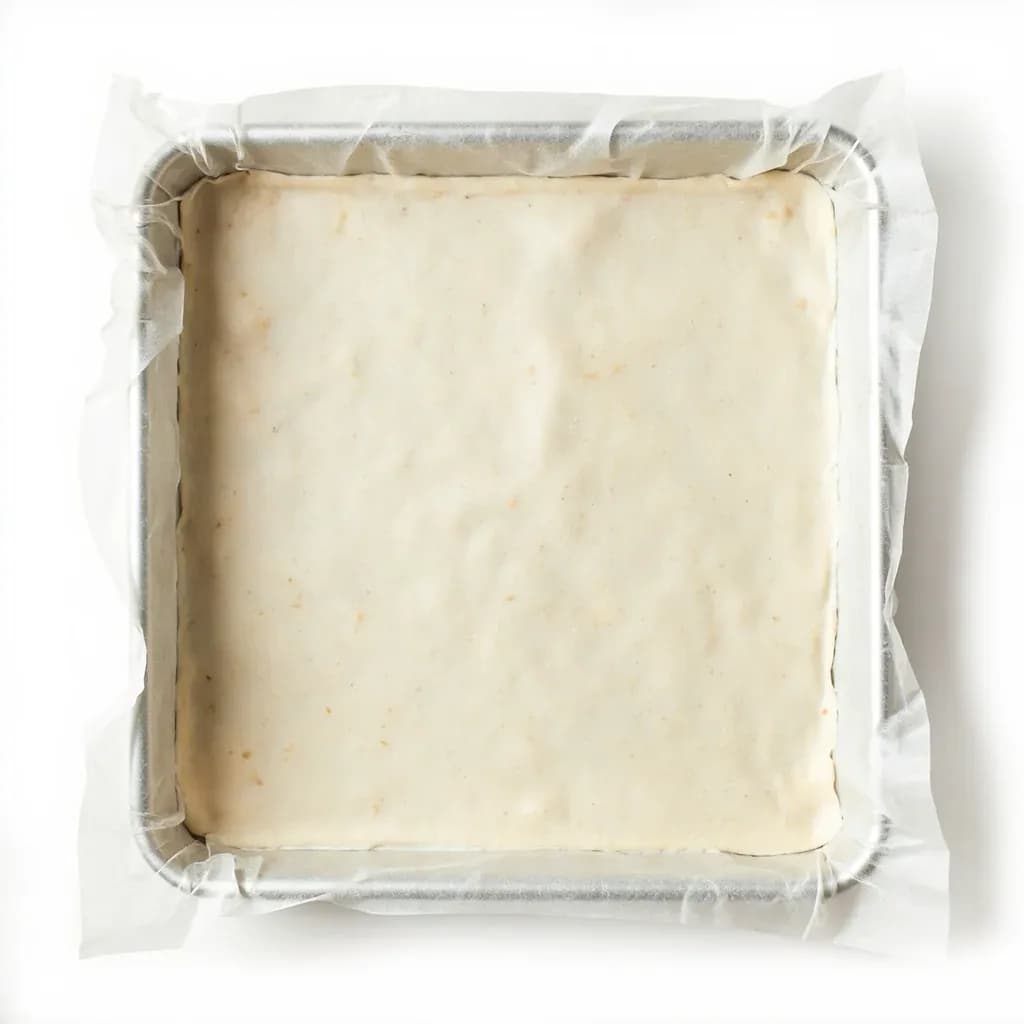
Wraps & Liners
Pan Liner
A non-stick sheet that lines sheet pans and molds for clean release and easy cleanup.
A pan liner is a silicone-coated or parchment sheet cut to fit sheet pans, tart molds, and steam-table pans so baked goods release cleanly and pans stay clean. It prevents sticking and scorching and removes the need for greasing. Heat-rated versions hold up to oven and proofing temperatures.
A pan liner is a non-stick barrier placed between food and cookware to prevent sticking, promote even browning, and simplify cleanup. Whether made from PTFE, food-grade silicone, or treated paper, these sheets create a releasing surface that lets you slide delicate items free without greasing, scraping, or sacrificing your baked goods. In professional and home kitchens alike, liners have largely replaced the older practice of heavy buttering and flouring, especially when baking in batches where speed and consistency matter. The material you choose affects heat distribution, reusability, and the maximum temperature it can withstand, so understanding these differences prevents both ruined food and potential safety issues.
Alternatives
Types & varieties
Thin, flexible single-use sheets. Offer the slickest release of any liner type but must be discarded after burning, tearing, or signs of degradation.
Reusable, flexible, and washable. Silpat is the dominant brand. Tolerates up to 480°F and lasts 200+ uses with proper care.
Available bleached (white) or unbleached (brown), in pre-cut sheets or rolls. Disposable and compostable; adequate release up to 450°F.
Not non-stick on its own but works with cooking spray. Useful for shaping pans and covering; crinkle for easier release on sticky items.
Waxed or silicone-coated paper sheets. Inexpensive and disposable, suitable for basic release needs in standard-temperature baking.
Paper or foil cups; fluted paper is disposable, foil is reusable. Fit standard muffin tins and help release delicate cupcakes cleanly.
A pre-folded parchment sheet sized to a loaf tin with overhanging edges that act as lifting handles, freeing banana bread or pâté in one clean pull without greasing.
Choosing the Right Liner
The three main categories serve different purposes. Parchment is the workhorse—versatile, compostable, and sufficient for most everyday baking up to 450°F. Silicone mats are the economical long-term choice for high-volume bakers; the initial cost is higher but they pay for themselves after a few dozen uses. PTFE liners deliver the absolute slickest release and are ideal for very sticky confections like toffee, caramel, or highly sugared batters where even parchment might grip. Never use PTFE or silicone mats under a broiler or above their rated temperatures; overheated PTFE emits toxic fumes.
- Use parchment for temperatures up to 450°F and when compostability matters
- Choose silicone mats for frequent baking and long-term savings
- Select PTFE liners when maximum release is critical and temperatures stay under 500°F
Care and Longevity
Silicone mats require the most attention to maintain performance. Clean them with hot water and mild soap immediately after use; stubborn residue releases more easily when the mat is still slightly warm. Never submerge a hot mat in cold water—thermal shock can cause warping or cracking. Abrasive scrubbers damage the surface, so use soft sponges or non-abrasive brushes. Store mats flat or loosely rolled; folding creates permanent creases that affect heat distribution and can cause uneven baking. With proper care, a quality silicone mat remains effective for years of regular use.
- Wash silicone mats promptly after use while still warm
- Avoid thermal shock—let mats cool before washing or washing before cooking
- Never fold mats during storage; roll loosely or keep flat
Common uses
Tips & pitfalls
- Verify temperature limits before use—PTFE emits toxic fumes when overheated above 500°F and must never go under the broiler
- Never cut silicone mats to fit; the uncut mat provides superior heat distribution and structural integrity
- Allow silicone mats to cool before washing; plunging a hot mat into cold water causes thermal shock and warping
- Secure loose parchment with a small dab of dough or binder clips at corners when pouring liquid batters
- Store silicone mats flat or rolled loosely; folding creates permanent creases that cause uneven baking
- Replace PTFE liners showing any scratches, tears, or signs of degradation—they release harmful particles when compromised
- For very sticky items like caramel or toffee, lightly spray parchment with oil spray for extra insurance
- Clean silicone mats with hot water and mild soap; avoid abrasive scrubbers that pit the surface and reduce non-stick properties
- Extend parchment life by flipping to the unused side when the first side shows minimal use
- When lining deep pans, pleat excess material at corners rather than cutting for a snug, secure fit
Good to know
- Common Names
- Pan liner, non-stick baking liner, silicone baking mat, PTFE liner, parchment paper, release liner
- Primary Materials
- PTFE (polytetrafluoroethylene), food-grade silicone, or coated paper
- Typical Sizes
- Half-sheet (18" × 13"), quarter-sheet (13" × 9"), round (9"–12" diameter), custom-cut rolls
- Temperature Limits
- PTFE: up to 500°F (260°C); silicone: up to 480°F (249°C); parchment: up to 420–450°F (215–232°C)
- Reusable vs Disposable
- Silicone mats are reusable for 200+ uses; PTFE and paper liners are typically single-use
- Thickness
- Silicone: 1–3mm; PTFE: 0.3–0.5mm; parchment: 30–40 lb weight
- Origin
- PTFE coatings by DuPont in the 1950s; silicone mats emerged in the 1980s–90s; parchment dates to 19th-century France
- Storage
- Roll or lay flat; keep silicone mats flat or loosely rolled; protect all from sharp objects
Also called
Pan Liner Sheet · Sheet-Pan Liner Paper · Steam-Table Pan Liner · Tart Pan Liner · baking liner
Related

Aluminum Foil
Wraps, covers, and tents food for the oven and grill

Parchment Paper
Nonstick liner for clean, even baking and easy release

Wax Paper
Moisture-resistant sheet for wrapping and counter prep

Plastic Wrap
Clings tight to cover bowls and wrap leftovers

Silicone Baking Mat
Reusable nonstick liner that replaces parchment

Cheesecloth
Loose-woven cloth for straining stock and bundling herbs

Beeswax Food Wrap
Reusable wax wrap that molds around bowls and produce

Piping Tips
Shaped nozzles that turn frosting into stars and rosettes