Wraps & Liners
Pressing Cloth
A clean cloth laid over food to press out moisture or shape it under weight.
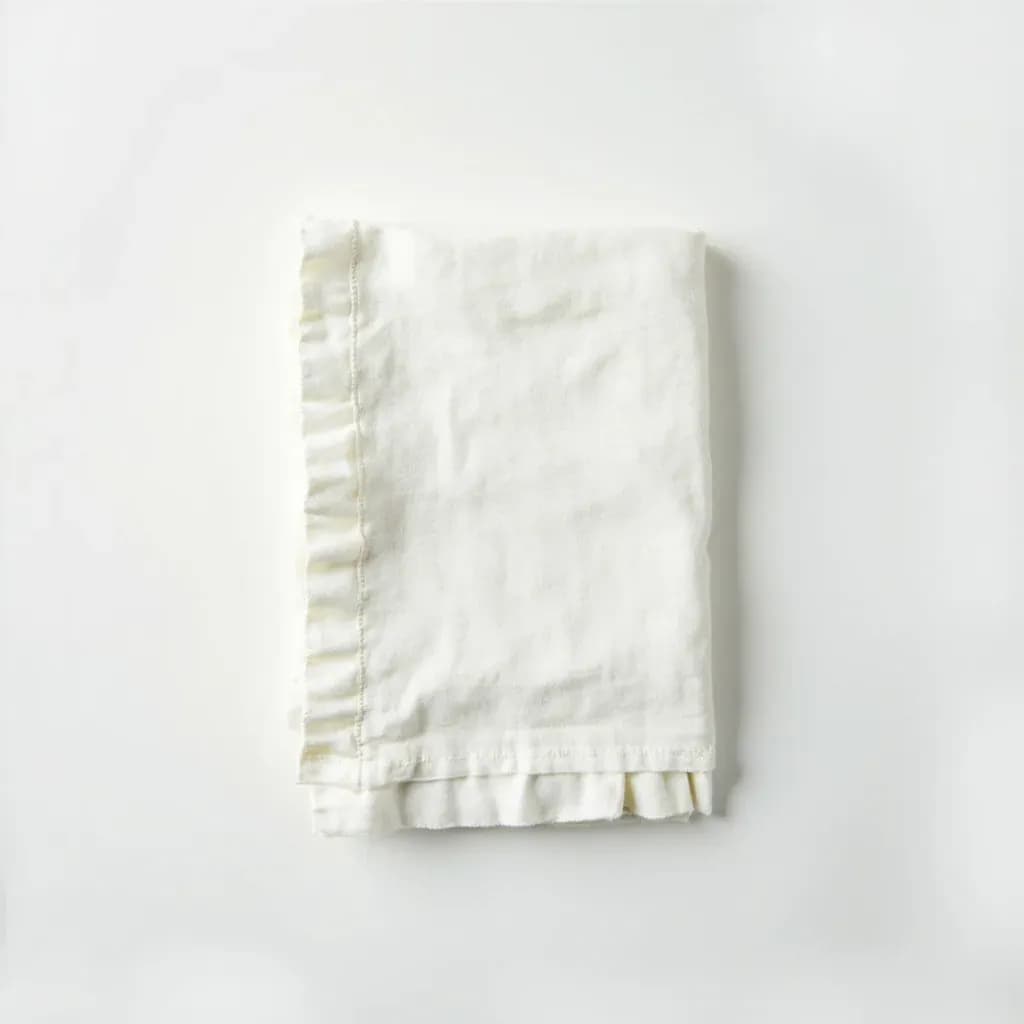
A pressing cloth is a fine, absorbent fabric used to wrap or cover food while it is weighted down. It draws off liquid from tofu, cheese curds, or grated vegetables and helps form compact shapes like terrines and pressed sushi. The cloth keeps the food clean while letting moisture wick through.
A pressing cloth is any clean, food-safe, breathable textile that transmits weight and wicks liquid from food under pressure. It is a function more than a single product — the cloth is chosen for its weave, durability, and how much liquid it lets through, never for flavor, which it carries none of. In the savory kitchen it is most often cheesecloth (loose cotton) or muslin (tighter cotton); cheese-makers lean toward unbleached linen for its strength and low lint.
The cloth's job is twofold: it contains the food so it can be pressed without falling apart, and it carries expelled liquid away so pressure can do real work. A damp cloth grips the food better than a dry one and pulls moisture faster. The grade matters as well — too open and you lose fine solids, too tight and liquid pools instead of draining, defeating the press.
For coarse work such as draining a stock, a clean cotton kitchen towel serves. For very fine straining (clear consommé, seed milks) cooks move to a nut-milk bag or fine mesh. A silicone pressing mat or a dedicated tofu press replaces the cloth for one specific task but does not generalize across the kitchen the way a good piece of muslin does.
Alternatives
Types & varieties
Loose, gauzy cotton weave; the most common pressing cloth. Comes in numbered grades — finer grades for straining liquids, coarser grades for bundling herbs or pressing curds.
Tighter, stronger cotton weave than cheesecloth; reusable for years; a good all-purpose choice for tofu, paneer, and shaping terrines.
Traditional European choice for cheese-making and charcuterie; durable, lint-light, and naturally resistant to the acids of fermentation.
Fine-mesh nylon or cotton bag sold specifically for pressing nut milks and pulps; a tighter, purpose-built cousin of the pressing cloth.
Heavy, plain-weave cotton; suitable for coarse pressing and wrapping a chinois, but too thick for fine straining.
Borrowed from the ironing board for pastry work — pressing crumbs into tart shells or damping sugar on delicate surfaces.
Choosing the Right Weave
Match the cloth to what you are trying to keep in and what you are trying to let out. The numbered grades of cheesecloth are the clearest guide: #40 is fine enough to strain a clear consommé or fruit purée without clouding it, #60 is the everyday general-purpose cloth, and #90 is wide open for fast whey drainage where losing a little curd is acceptable. Muslin has a tighter, stronger weave than cheesecloth and lasts far longer — it is the right default for a home cook who wants one cloth that handles tofu, paneer, and stock-straining. Unbleached linen is the professional cheese-maker's choice because it is strong, sheds almost no lint into the curd, and resists the acids of fermentation. Reserve a nut-milk bag for true liquid pressing (almond milk, seed milk) where any pulp escaping is a defect.
- Fine work (consommé, fruit purée, seed milk): #40 cheesecloth or a nut-milk bag.
- All-purpose home use: muslin — one piece will last years.
- Cheese and charcuterie: unbleached linen for strength and low lint.
- Coarse draining (stock, vegetable pulp): #90 cheesecloth or a clean cotton towel.
Care and Food Safety
Treat a pressing cloth the way you treat a wooden spoon or a cutting board: keep it clean, dry it fully, and dedicate cloths by job so flavors and bacteria do not cross over. A cloth that has held raw meat should not be used for a sweet or dairy project without a thorough boil. Boil freshly bought cloth before its first use on raw milk or fermenting vegetables, since the goal of pressing cheese or sauerkraut is to favor a chosen culture, and a random bacterial load on the cloth works against you.
- Wash in hot, soapy water; rinse thoroughly; air-dry fully before folding away.
- Avoid fabric softener and scented detergents — residues transfer to food.
- Keep separate cloths for dairy/fermentation, vegetables, and stocks.
- Boil 5–10 minutes before first use and periodically thereafter for dairy work.
- Retire a cloth that is frayed, stained, or holding persistent odor.
Common uses
Tips & pitfalls
- Wet the cloth and wring it out first — a damp cloth grips food better and wicks moisture faster than a dry one.
- For tofu, line the mold with cloth and fold the top over the block before adding weight; this distributes pressure evenly and leaves a tidy shape.
- Use a #90 cheesecloth only when you want rapid draining; it loses fine curds. Switch to #40 or muslin when capturing solids matters.
- Never use fabric softener or scented detergent — residues transfer to food. Rinse thoroughly, or boil before any dairy work.
- Don't reuse a cloth that has held raw meat or fish for a sweet or dairy application; keep separate cloths by job.
- Add weight gradually. Start with a plate and add cans in stages to avoid crushing delicate curds or smashing tofu.
- For long presses (cheese, sauerkraut), set the mold on a rack in a tray so whey drains away rather than pooling and re-soaking the food.
- Sterilize by boiling when the press will touch raw milk or fermenting vegetables — this protects the chosen culture from competitors.
Good to know
- Material
- Typically 100% cotton — cheesecloth or muslin — or fine-weave linen; food-grade and undyed
- Cheesecloth grades
- #40 fine (straining liquids), #50, #60 general purpose, #90 open weave (for draining curds)
- Heat tolerance
- Cotton and linen tolerate boiling and steaming; never use synthetic fabric with hot foods
- Typical size
- Cut to task — from about 10 x 10 in / 25 x 25 cm (tofu) up to 36 x 36 in / 90 x 90 cm (stocks)
- Reusability
- Reusable when washed in hot, soapy water and fully dried; replace when frayed or stained
- Sanitizing
- Boil 5–10 minutes or wash at 90 °C / 195 °F before first use on dairy or fermentation projects
- Storage
- Folded dry in a clean drawer or jar; cheesecloth can be kept in its original bag
- Yield role
- Does not affect yield directly; it only transmits weight and contains the food — loss is from the food, not the cloth
Also called
Press Sheet · Press Cloth
Related

Aluminum Foil
Wraps, covers, and tents food for the oven and grill

Parchment Paper
Nonstick liner for clean, even baking and easy release

Wax Paper
Moisture-resistant sheet for wrapping and counter prep

Plastic Wrap
Clings tight to cover bowls and wrap leftovers

Silicone Baking Mat
Reusable nonstick liner that replaces parchment

Cheesecloth
Loose-woven cloth for straining stock and bundling herbs

Beeswax Food Wrap
Reusable wax wrap that molds around bowls and produce

Piping Tips
Shaped nozzles that turn frosting into stars and rosettes