Baking & Pastry
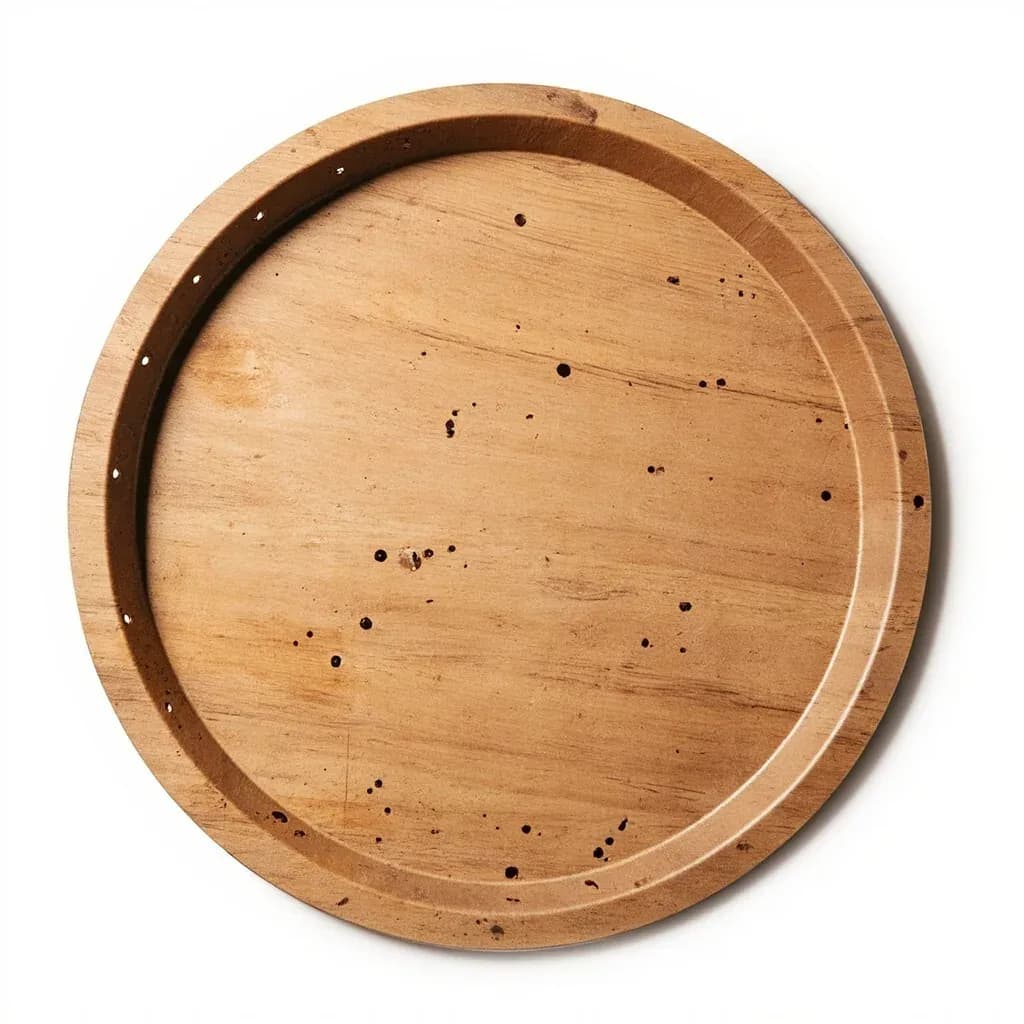
Pizza Pan (Teglia)
A flat round or rectangular metal tray for baking pizza, sometimes perforated for a crisper base.
A pizza pan is a thin, flat metal tray, round or rectangular, on which pizza is shaped and baked in a home oven. The Italian teglia version is a heavier rectangular pan used for thick, oil-rich Roman-style pan pizza, while perforated round pans let heat reach the dough for a crisper crust. The pan gives even, hands-off baking without needing a stone or peel.
A pizza pan — teglia per pizza in Italian — is the workhorse vessel behind virtually every pan-baked pizza style, from American home pizza to Italian pizza in teglia and Sicilian squares. Unlike a pizza stone, which aims to mimic the dry radiant heat of a pizzeria deck oven, a pan encloses the dough against a metal surface, conducting heat through the base and often trapping some steam underneath. That enclosure is what gives pan pizza its characteristic texture: a base that ranges from soft and oily (closed-bottom aluminum) to deeply browned and crisp (dark carbon steel, cast iron, or perforated designs), depending on the material and the depth of the tray.
Material choice is the single biggest variable a cook controls. Aluminum heats quickly and evenly and is the default for most home pans; carbon steel and cast iron retain more heat and brown the crust harder but demand seasoning and immediate drying after washing. Dark, anodized, or well-seasoned surfaces absorb more radiant energy than shiny ones, so they scorch more easily and reward a slightly lower oven temperature. Perforated pans sit halfway between a pan and a stone, venting steam so the underside dries and crisps rather than stews in its own moisture.
Shape and depth follow tradition as much as physics. Round pans dominate for thin and medium crusts, while rectangular half-sheet and full-sheet formats drive Sicilian, Detroit, and "grandma" pies, where straight walls and a shallow pool of oil produce the genre's signature fried-edge frico. A deep-dish pan, with 5 cm or more of wall, is essentially a cake tin in service of Chicago-style stuffed pizza. In every case the pan is doing two jobs at once: conducting heat into the dough and shaping how moisture leaves it.
Alternatives
Types & varieties
The classic American pizza pan; traps some moisture under the dough and yields the soft, slightly oily bottom crust that defines pan pizza.
Base punched with small holes; releases steam for a noticeably crispier underside, favored for thin-crust and home Neapolitan-style baking.
Tall straight or slightly sloped walls of about 5 cm / 2 in, used for Chicago deep-dish and stuffed pizza; usually heavy-gauge aluminum or steel.
Rectangular, deeper-than-thick pan with straight sides; Detroit pans are often dark seasoned steel so the cheese that climbs the wall fries into frico.
Lightweight with excellent heat retention and a dark browning surface; requires seasoning and must be kept oiled to prevent rust.
Heaviest option; superb heat retention and browning; can be preheated empty in the oven for a strong oven-spring on the dough.
Coated for easy release and quick cleanup, but most coatings degrade above roughly 230 °C / 450 °F and brown less well than bare metal.
Hard-anodized surface that is more scratch-resistant and less reactive than plain aluminum, with comparable heat conduction.
Not a true pan — a flat aluminum wire disk that holds the dough off the oven floor to mimic the airflow of a pizzeria deck oven.
Matching the pan to the pizza style
Use this as a quick reference when buying or choosing which tray to reach for.
- Thin crust, New York, or Neapolitan-influenced home pizza — perforated aluminum or a preheated dark steel pan, 30–35 cm round.
- Pan pizza (the thicker, oily-bottomed American style) — solid, dark or seasoned aluminum or steel, about 2–3 cm deep.
- Sicilian, grandma, and focaccia — rectangular half-sheet or dedicated Sicilian pan, 2.5–4 cm deep, well-oiled.
- Detroit-style — rectangular deep-dish-style pan with straight sides, dark seasoned steel preferred for the frico edge.
- Chicago deep-dish or stuffed pizza — heavy-gauge deep pan, 5 cm or more of wall, with the dough laid up the sides.
- Reheating slices or quick weeknight pizza — non-stick aluminum or a screen, any size on hand.
Care by material
Each common pan material has a slightly different maintenance rhythm; getting it right is what keeps the surface dark and seasoned rather than rusty or warped.
- Aluminum (plain or anodized): generally dishwasher-safe; avoid prolonged contact with acidic foods like raw tomato to prevent pitting and metallic taste.
- Non-stick: hand wash with a soft sponge and mild detergent; never use metal utensils or scouring pads, and do not run under the broiler.
- Carbon / black steel: hand wash briefly in hot water, dry immediately on the stove over low heat, and wipe with a thin film of neutral oil before storing.
- Cast iron: same routine as carbon steel — wash, dry on the stove, and oil lightly; re-season if food starts to stick or the surface looks pale and ashy.
- Perforated pans: dry thoroughly around the holes to prevent rust at the punched edges, especially after a long bake at high heat.
Common uses
Tips & pitfalls
- Preheat the pan in the oven for at least 10–15 minutes before laying down the dough — a hot surface sets the bottom crust fast and is the single biggest defense against a soggy base.
- For a crispier underside, brush or drizzle the pan with olive oil (or another high-smoke-point oil) and dust with semolina rather than flour, which can scorch and taste bitter.
- Use perforated pans for thin-crust and high-hydration doughs; reach for solid pans when the recipe calls for a softer, oilier bottom — pan pizza, Sicilian, focaccia.
- When switching between a shiny aluminum pan and a dark steel or cast iron one, drop the oven temperature by about 10–15 °C (20–25 °F) to keep the crust from burning.
- Avoid thermal shock: never set a hot carbon steel or cast iron pan on a cold, wet stone or laminate counter, which can warp the metal or crack it outright.
- Do not slice pizza on the pan — transfer to a wooden board first, both to protect any seasoning or non-stick coating and to keep the pan's surface clean for next time.
- After washing carbon steel or cast iron, dry on the stove over low heat and rub with a thin film of oil; a damp pan stored in a cupboard will rust within a day.
- For thick Sicilian or Detroit doughs, proof the dough directly in the oiled pan so it relaxes into the corners and puffs up the sides — proofing in a bowl and transferring never gives the same even fill.
Good to know
- Italian name
- Teglia (teglia per pizza)
- Primary materials
- Aluminum, carbon/black steel, cast iron; also anodized aluminum and non-stick coated
- Typical round diameters
- 30 cm (12 in), 35 cm (14 in), 40 cm (16 in); 35 cm is the most common home size
- Typical rectangular sizes
- Half sheet (≈46 × 33 cm / 18 × 13 in) and full sheet (≈46 × 66 cm / 18 × 26 in) for Sicilian- and Detroit-style pans
- Typical depth
- 1–2 cm for thin-crust pans; 3–5 cm for deep-dish, Sicilian, Detroit, or focaccia styles
- Working oven temperature
- 230–260 °C (450–500 °F) is typical; up to 290 °C (550 °F) for thin-crust styles
- Heat conduction by material
- Aluminum heats fastest; carbon steel and cast iron retain heat longer and produce a darker, crisper base
- Effect of perforation
- Holes vent steam, yielding a drier, crispier underside and a shorter bake time than a closed pan
Also called
Teglia · pizza tray · pizza baking pan · perforated pizza pan
Related

Muffin Pan
Multi-cup pan for muffins, cupcakes, and egg bites

Bundt Pan
Fluted ring mold for showstopping cakes with a center hole

Springform Pan
Latch-release pan that frees delicate cakes without flipping

Pie Dish
Sloped round dish for crisp-bottomed pies and quiches

Tart Pan
Fluted pan with a pop-out base for clean-edged tarts

Rolling Pin
Rolls dough into even sheets for pastry and bread

Pastry Brush
Brushes on egg wash, glaze, butter, and marinades

Bench Scraper
Flat blade that divides dough and clears your work surface