
Water & Steam
Simmer
Hold liquid at a gentle shimmer for tender, unhurried cooking
Simmering keeps liquid just below a boil, with small bubbles breaking lazily at the surface. It's gentle enough to coax flavor into soups, stocks, and sauces without toughening or breaking up delicate ingredients. Adjust the flame to hold a steady shimmer rather than a churn.
Simmering holds liquid just below a boil — small bubbles rising lazily and breaking gently at the surface, around 85–96°C / 185–205°F. That gentle heat is the backbone of long, flavorful cooking: stocks, soups, sauces, beans, and braising liquids all want a simmer, where ingredients soften and flavors meld without the rough agitation of a boil that would cloud a stock, toughen meat, or break up delicate pieces. The whole skill is adjusting the flame to hold a steady shimmer rather than letting it slide up to a churn or down to a stall.
- Difficulty
- Easy
Types & varieties
The faintest bubbling, near poaching — for clear stocks and tender meats.
More active bubbling just shy of a boil — to reduce a sauce or cook beans.
Lid on to minimize evaporation for soups and stews that shouldn't reduce.
How to do it
- 1
Bring up, then back off
Heat the liquid until it begins to boil, then lower the flame until the bubbling calms to a gentle shimmer.
- 2
Find the right bubble
Aim for small bubbles drifting up steadily, not a violent roll and not a still surface.
- 3
Skim if needed
For stocks, skim the foam and impurities that rise early so the final liquid stays clear.
- 4
Hold it steady
Adjust the flame as the pot heats up; a partly covered lid helps stabilize a low simmer.
- 5
Cook to tenderness
Let time do the work — collagen melts and flavors meld slowly; rushing with higher heat toughens meat.
Why gentle heat matters
A simmer and a boil top out at the same temperature, but the difference in agitation matters enormously. A hard boil tumbles ingredients, emulsifies fat and proteins into the liquid (clouding a stock), and physically tears delicate fish or just-tender beans apart. A simmer moves liquid gently enough to extract flavor and slowly convert tough collagen to silky gelatin without that violence. For meat especially, a bare simmer keeps the muscle fibers from seizing and squeezing out their moisture the way a rolling boil does.
Common uses
Tips & pitfalls
- Watch the bubbles, not the dial — every stove and pot reaches a simmer at a different setting.
- Skim early and often for crystal-clear stock.
- A heavy-bottomed pot holds a steady simmer and resists scorching.
- If it keeps creeping to a boil, slide the lid partly off or lower the heat a notch.
Good to know
- Heat level
- Gentle, 85–96°C / 185–205°F; small bubbles, no rolling
- Best for
- Stocks, soups, sauces, beans, grains, braising liquids
- Equipment
- Heavy pot; a lid to control evaporation
- Fat needed
- None required
- Time
- 20 minutes to many hours
Also called
gentle simmer
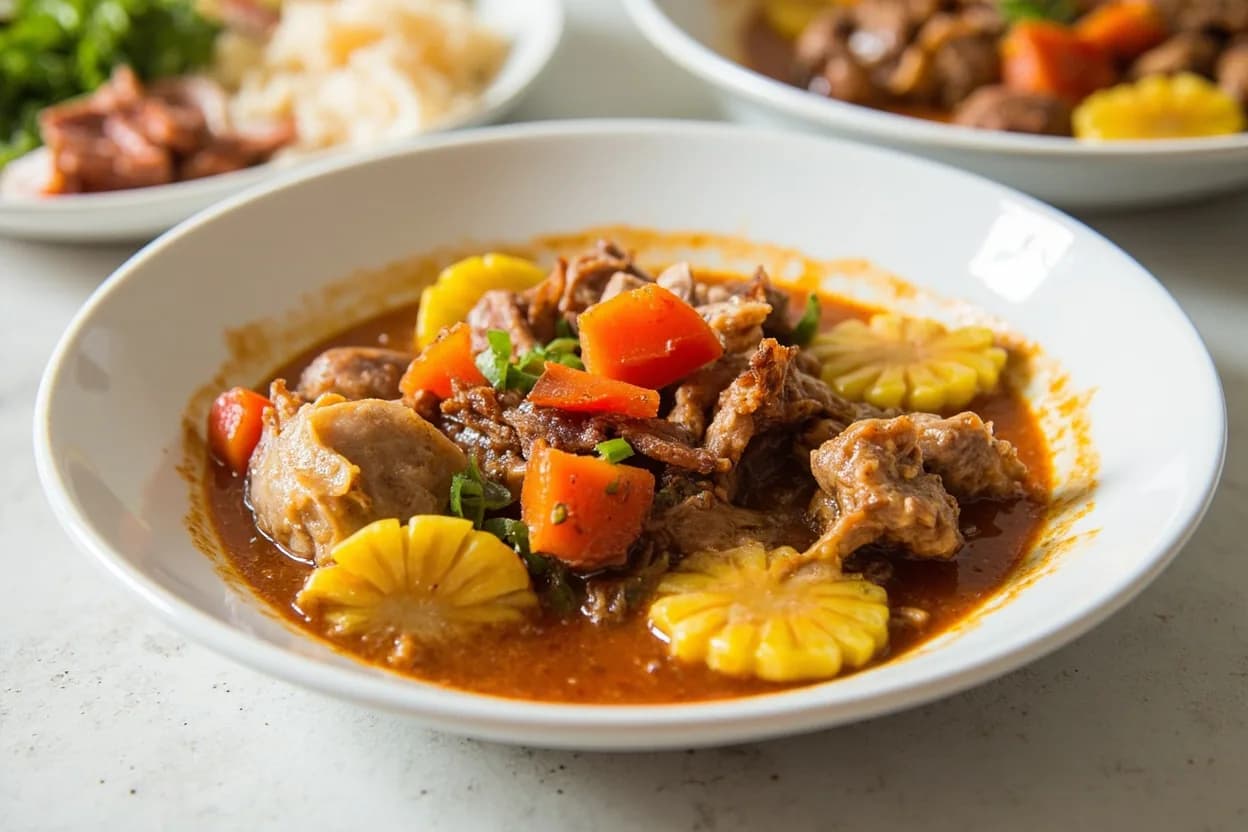
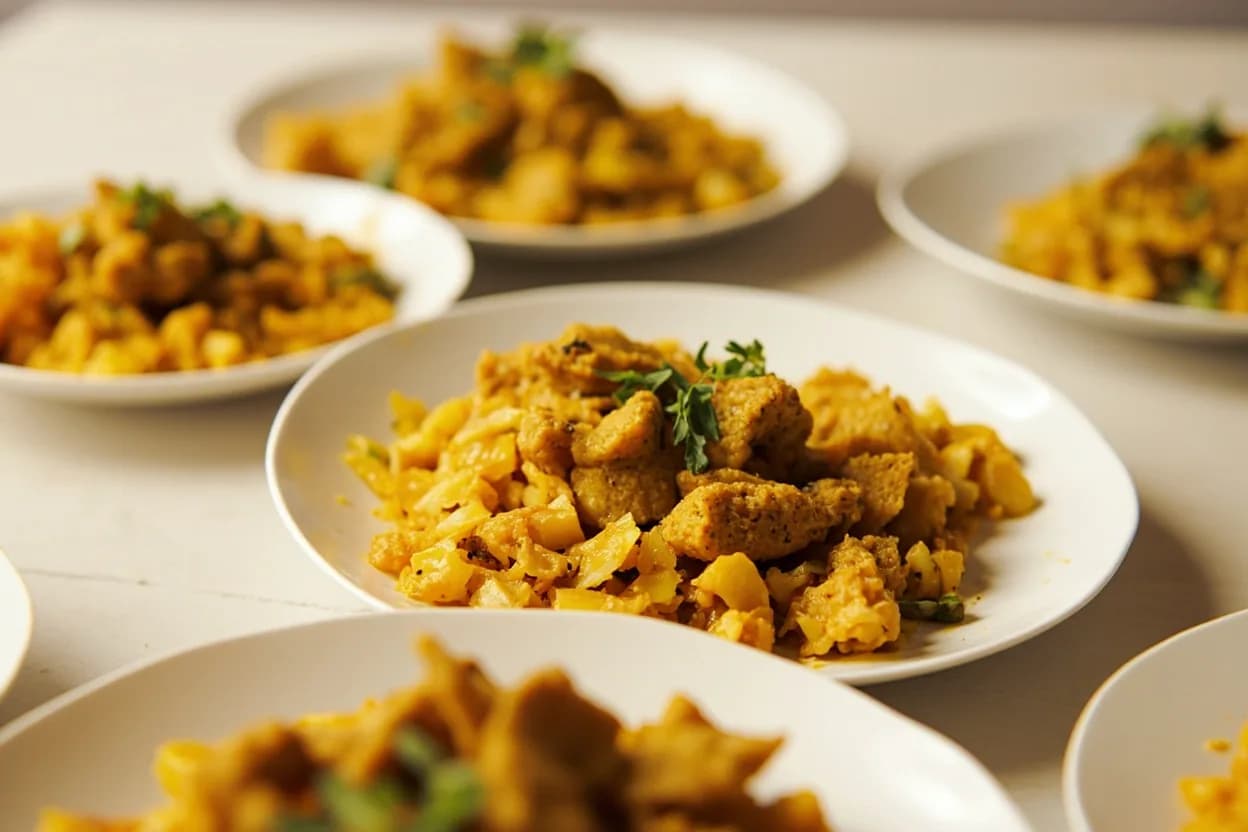
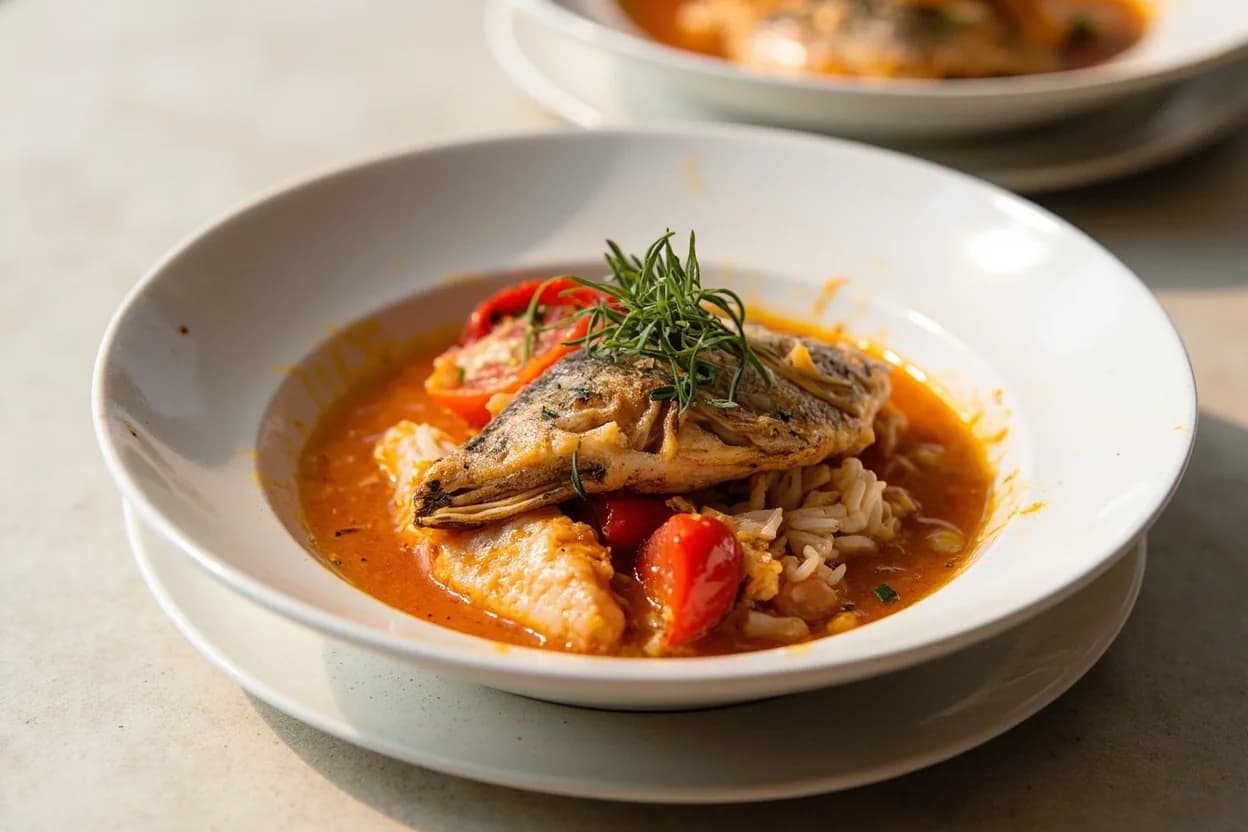
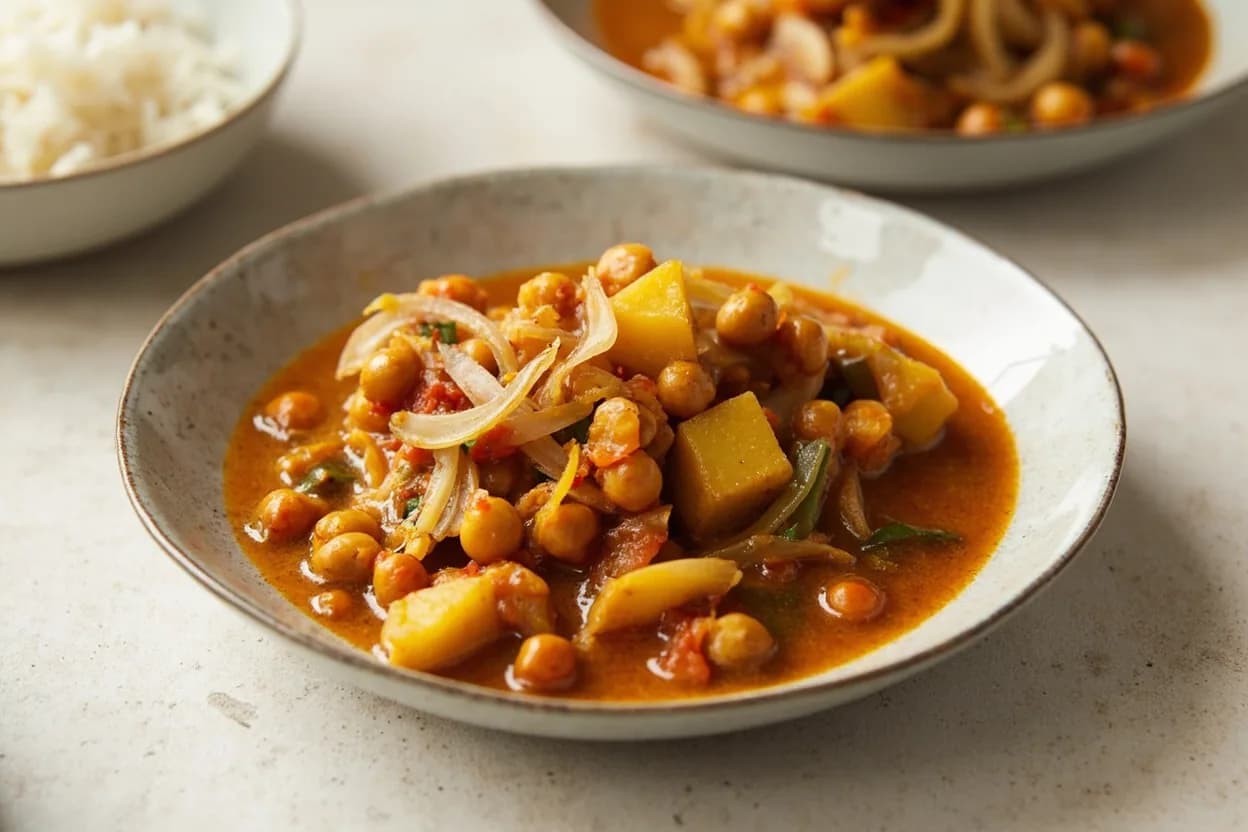
Dishes that rely on it
Related

Boil
Cook in vigorously bubbling liquid at full rolling heat

Poach
Cook gently in barely-trembling liquid for silky, tender results

Steam
Cook in rising vapor to keep color, nutrients, and shape intact

Blanch
Plunge briefly in boiling water, then shock cold to lock color

Braise
Sear, then cook slow in a little liquid until fall-apart tender

Stew
Simmer bite-sized pieces fully submerged into a rich, unified pot

Sous-Vide
Seal and cook in precise warm water for edge-to-edge doneness

Pressure-Cook
Cook under sealed steam pressure to tenderize in a fraction of the time