South America
Afro-Brazilian (Bahian)
Also: Cozinha Baiana, Bahian Cuisine, Comida de Candomblé
Brazil's most culturally charged cuisine — born from the African diaspora in Salvador, where Yoruba ritual food traditions, palm oil, and black-eyed peas produced acarajé, moqueca, and vatapá.
Bahian cuisine is the dominant food culture of Brazil's northeastern state of Bahia, and it is defined above all by its African roots. Bahia received more enslaved Africans than any other region of the Americas — an estimated 1.9 million between the 16th and 19th centuries, predominantly Yoruba (Nagô), Ewe-Fon (Jeje), and Bantu peoples from West and Central Africa. Their culinary traditions, combined with indigenous Tupi ingredients and Portuguese introductions, created a cuisine of extraordinary complexity: rich with dendê (palm oil), dried shrimp, coconut milk, and peanuts, structured by ritual, and inseparable from Candomblé religious practice.
The flavour base
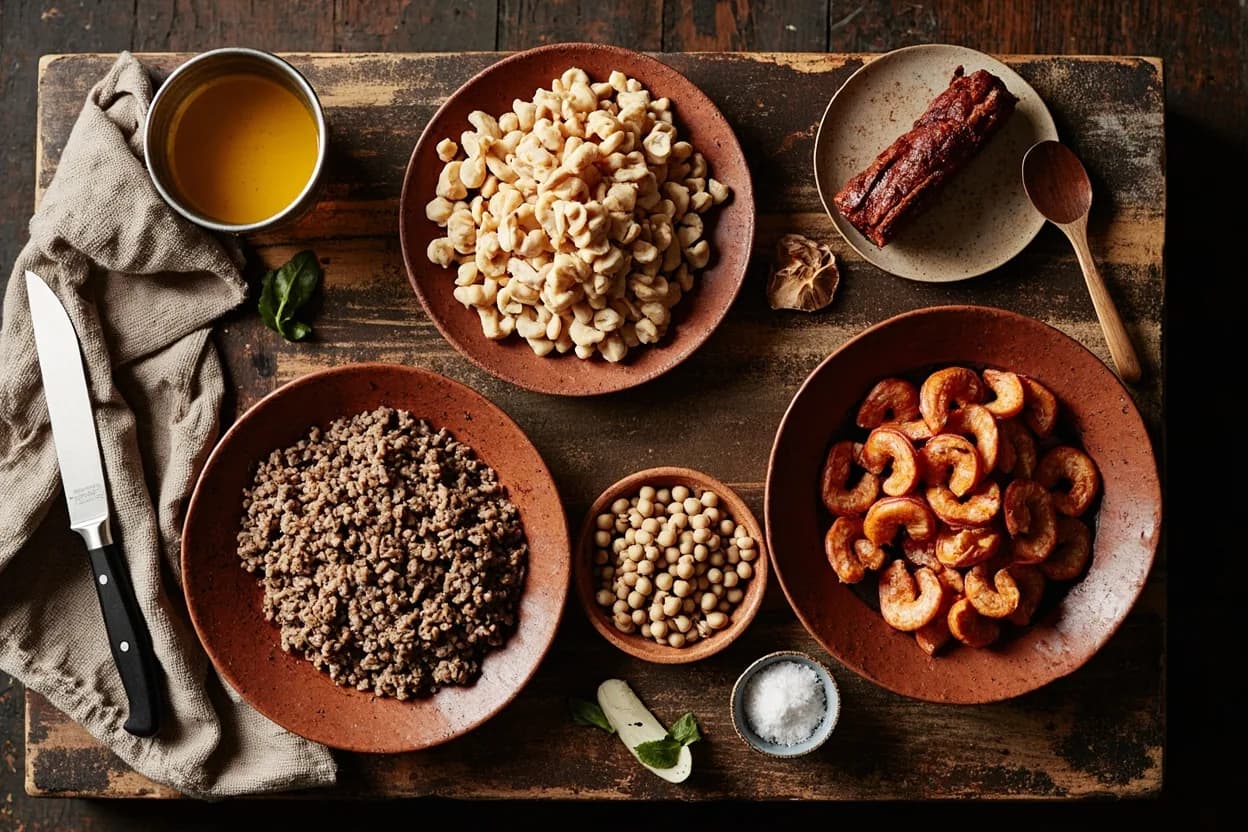
Dendê oil (unrefined red palm oil from Elaeis guineensis) as the fat foundation; dried shrimp (camarão seco) providing concentrated umami and salinity; coconut milk adding richness and sweetness; toasted peanuts and cashews thickening sauces; vatapá paste (bread, peanut, dendê, dried shrimp) as a compound sauce base.
Pantry staples
Key ingredients
Signature techniques
Signature dishes
Afro-Brazilian (Bahian) on the table
At the table
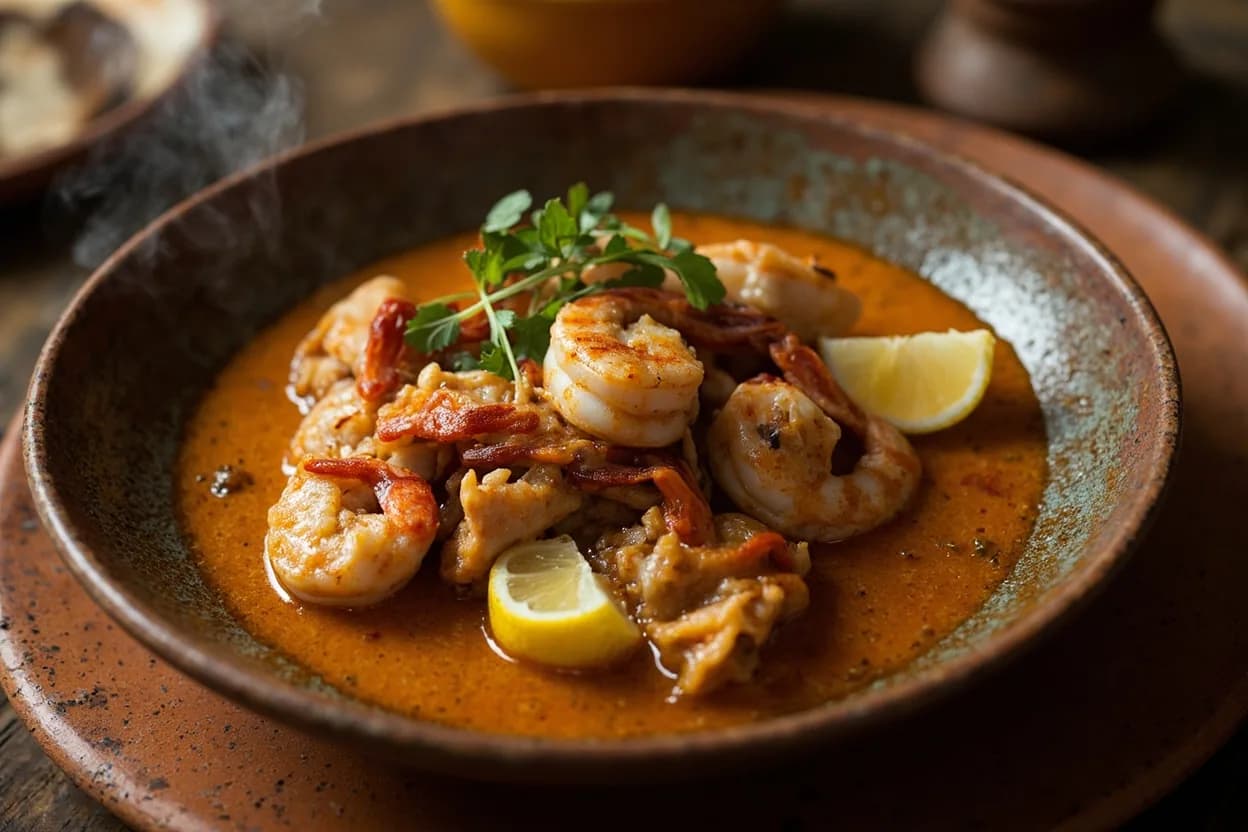
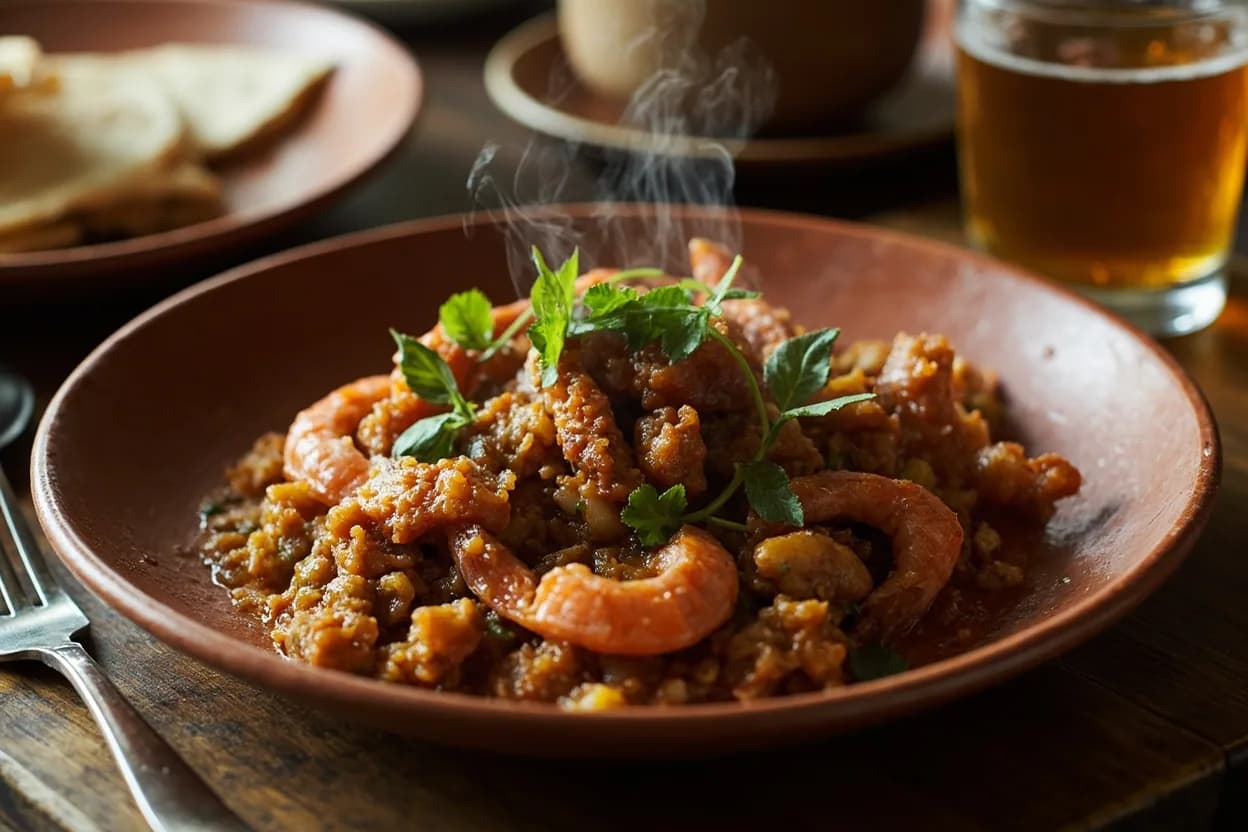
Daily meals in Bahia center on rice, feijão (bean stew), and a protein dish, with dendê-based accompaniments. But the cuisine's cultural apex is the ritual food of Candomblé: offerings (ebós) prepared for specific orixás (deities) following strict protocols — Iemanjá receives white foods (no dendê), Xangô receives amalá (okra with shrimp), Oxum receives efó (leafy greens). Street food culture is particularly rich: Baianas de Acarajé — uniformly dressed women wearing white and seated behind large cast-iron pans — are recognized UNESCO heritage carriers, selling acarajé at fixed points across Salvador.
History & context
The enslaved Yoruba, Jeje, and Bantu peoples who arrived in Bahia did not merely survive — they transplanted food systems. The Yoruba tradition of frying bean cakes (àkàrà) in palm oil was reconstituted in Brazil as acarajé. Moqueca descends partly from African palm-oil fish preparations and partly from indigenous Tupi techniques. The Portuguese contributed bread (which became vatapá's base), codfish (bacalhau), and onion. By the 18th century, African women who purchased their freedom worked as street food vendors — Quitandeiras — who controlled a sophisticated informal food economy in Salvador. Candomblé emerged as a syncretic religion synthesizing Yoruba orisha worship, and food became a core ritual medium: the act of cooking for the orixás is itself sacred. The Irmandade de Nossa Senhora do Rosário dos Homens Pretos (Brotherhood of the Rosary), founded by enslaved people in the 17th century, maintained these traditions through generations of suppression. In the 20th century, Jorge Amado's novels elevated Bahian food to Brazilian national symbol; since 2000, chefs like Morena Leite and the baianas of Pelourinho have brought it to international recognition.
Regional variations
- Salvador (Pelourinho)
Urban Bahian food culture at its most concentrated; acarajé circuit well-mapped; moqueca in clay pots at restaurants like Casa de Tereza; seafood from the Baía de Todos os Santos.
- Recôncavo Baiano
Rural hinterland of Salvador; Candomblé terreiros preserve the most archaic food traditions; paio-stuffed dishes, angú (cornmeal porridge), and roasted manioc flour dominant.
- Ilha de Maré (island communities)
Quilombola (maroon community) food traditions; emphasis on mangrove crab (siri mole), oysters, and river shrimp; strongly preserved Afro-descendant cooking methods.
- Bahian influence in São Paulo
Large Bahian migrant community has transplanted acarajé and moqueca; Liberdade and Centro neighborhoods have Bahian food streets; vatapá enters São Paulo street food culture.
Related cuisines
- Yoruba (West African)
Direct ancestral tradition; àkàrà (bean fritter), egusi (melon seed stew), and efó riro (leafy vegetable stew) are cognates of acarajé, caruru, and vatapá.
- Brazilian Amazonian
Cassava flour traditions connect the two; tucupi (fermented yuca juice) in Pará parallels Bahian dendê-based depth-building; both are deeply indigenous-rooted.
- Cuban Afro-Cuban (Lucumí)
The Cuban Yoruba diaspora (Lucumí/Santería) preserved parallel ritual food traditions for the same orixás; congri, plantain preparations, and ritual ebós are cognates.
- Haitian Vodou Cuisine
A third branch of the same African diaspora food system; similar ritual food structure for lwas mirrors Candomblé offerings for orixás.
Canonical recipes
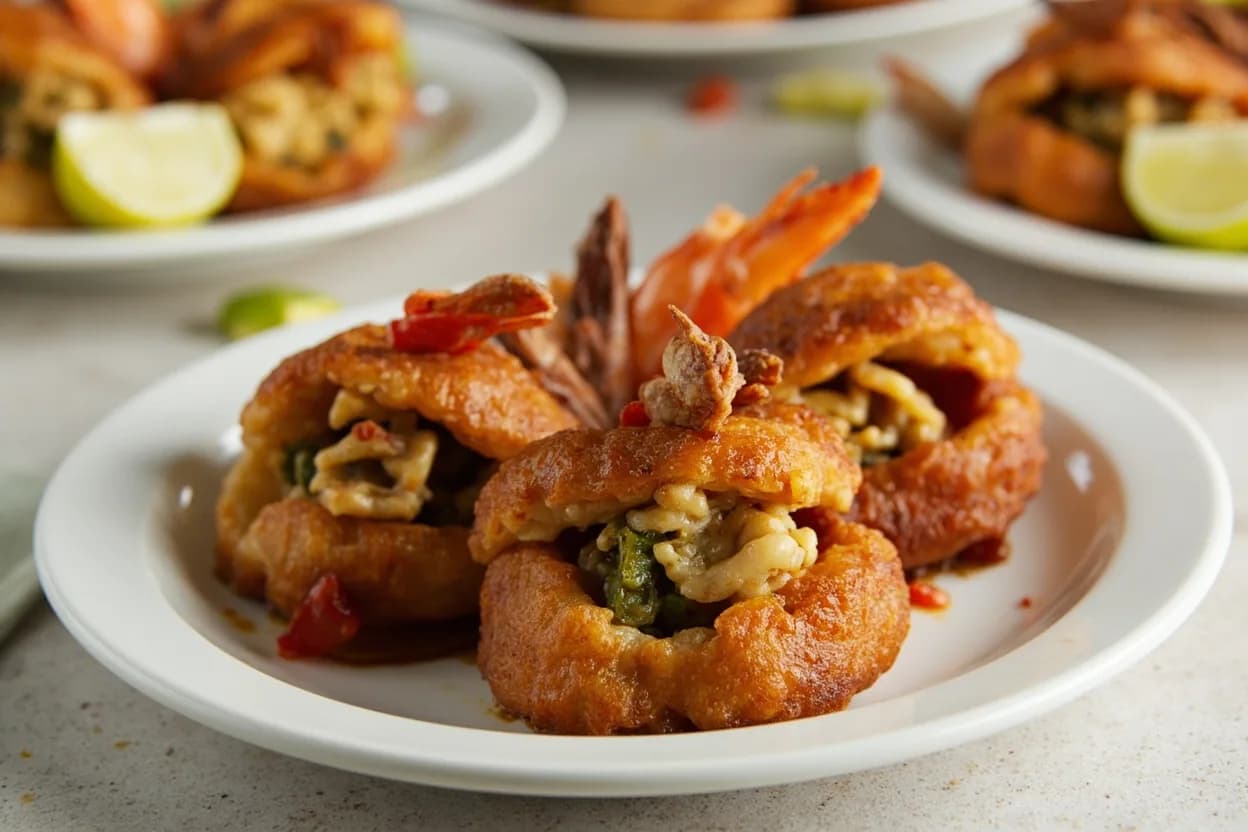
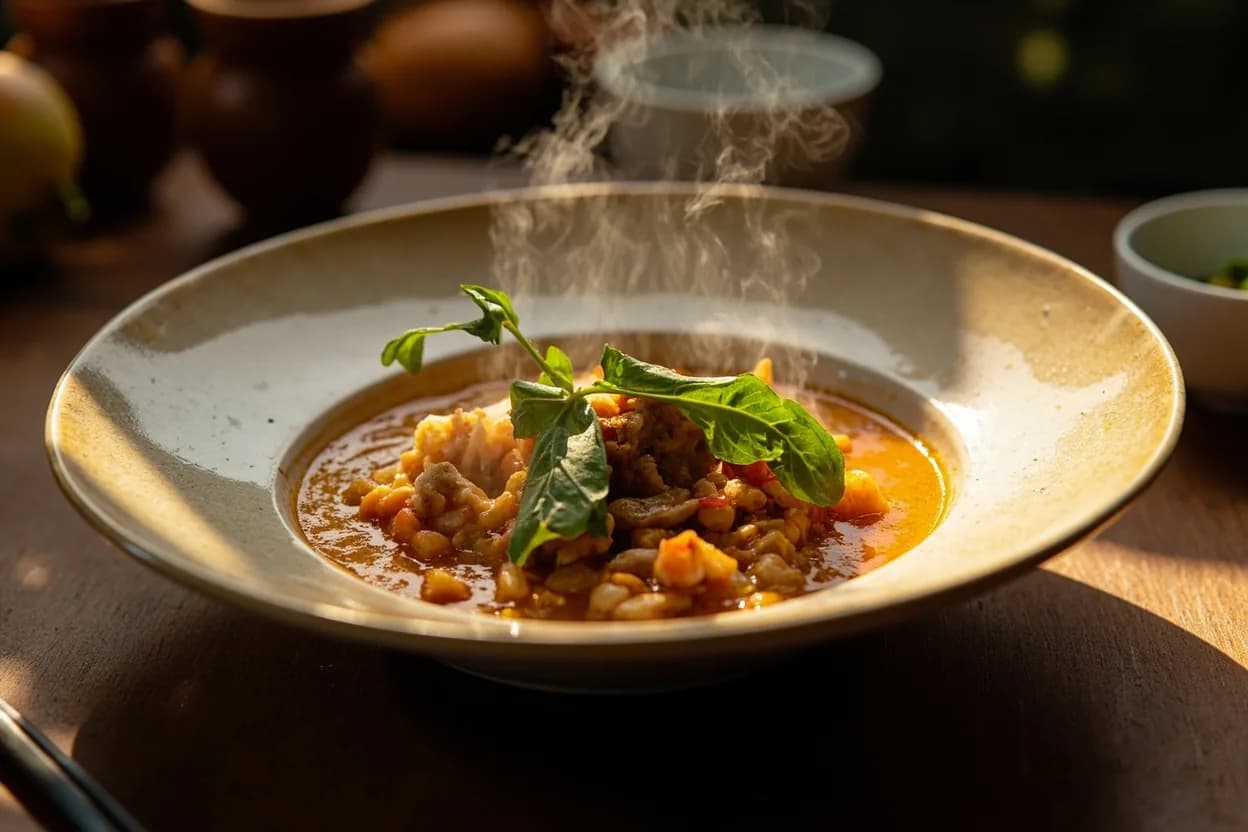
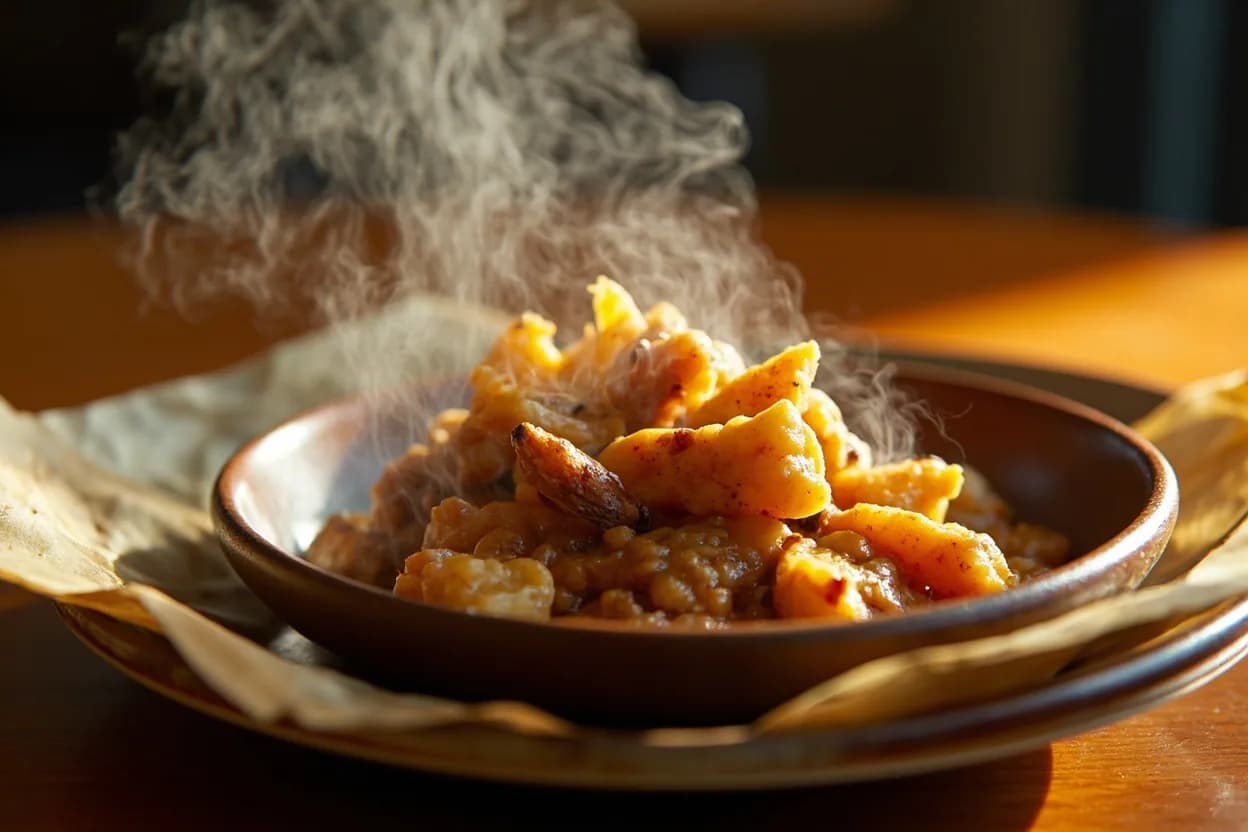
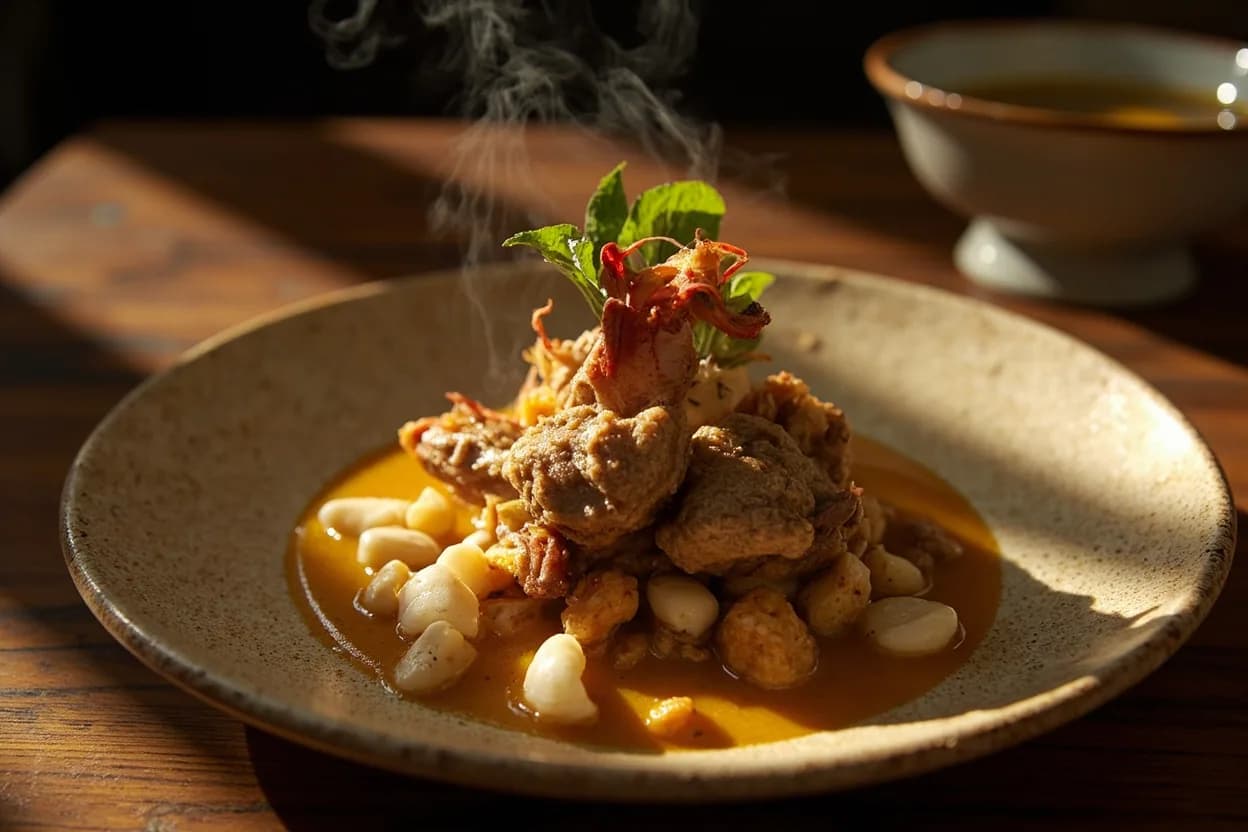
The dishes that define Afro-Brazilian (Bahian), documented in the Canon.
References
- 1.A Cozinha Baiana — Vera Magalhães (Edições SENAC, 2003)
- 2.Feeding Desire: Food, Identity, and Social Change in the Quilombo of Frechal, Brazil — Jane Collins (University of California, 2007)
- 3.The African Heritage Cookbook — Helen Mendes (Macmillan, 1971)
- 4.Brazil: A Cook's Tour — Christopher Idone (Clarkson Potter, 1995)
- 5.Candomblé and the Body — Matthias Röhrig Assunção (Cambridge University Press, 2005)
Confidence: high
Notes
The Baianas de Acarajé: living heritage
The Baianas de Acarajé — women who sell acarajé from street trestle tables while wearing white lace dresses, turbans, and heavy bead necklaces — were inscribed on UNESCO's Intangible Cultural Heritage list in 2005. The practice is inseparable from Candomblé: acarajé is the sacred food of Iansã (Oyá), the orixá of storms and wind, and the Baianas who sell it maintain a spiritual as well as commercial role. Each Baiana's station is a licensed, hereditary position.
On dendê oil
Dendê is unrefined red palm oil from Elaeis guineensis (African oil palm), introduced to Brazil by the slave trade. Its bright orange-red color, tropical-fatty aroma, and slight astringency are chemically inseparable from Bahian cuisine — there is no substitute. It is nutritionally distinct from processed palm oil: high in beta-carotene and vitamin E. Its use in Bahia has declined slightly in urban areas over health concerns, though traditional recipes remain fully dendê-based.