Pacific Coast Mexico
Afro-Mexican Coastal Cuisine (Costa Chica)
Also: Costa Chica cuisine, cocina afromexicana, cocina de la Costa Chica
The largely undocumented African-Mexican culinary heritage of the Oaxaca-Guerrero Pacific corridor—chilate, iguana en salsa negra, and a diaspora cuisine forged across three centuries of erasure.
The Costa Chica—the 'small coast'—runs south from Acapulco, Guerrero, through the Oaxacan coast to the Tehuantepec isthmus, and is home to Mexico's most concentrated Afro-descendant population. Enslaved Africans arrived via the Acapulco port beginning in the 16th century, laboring on sugar and cotton haciendas and later establishing free communities (palenques) in the coastal scrub. Their culinary contributions, long subsumed under 'Guerreran' or 'Oaxacan' cooking, are now being documented and reclaimed: specific approaches to chile use, the preparation of wild game (particularly iguana), the chilate drink tradition, and techniques for cooking dried shrimp in black sauces that bear structural resemblance to West African palm-oil stews. The cuisine resists clean categorization because it is fully creolized—Afro-Mexican communities speak Spanish, eat corn tortillas, and use the same Mexican pantry, but within it preserve distinct emphases, techniques, and dishes that trace to African origins.
The flavour base
Chile negro (mulato, pasilla negro, and local black chiles), dried shrimp paste, and toasted cacao build the deep, dark base characteristic of the most distinctively Afro-Mexican preparations; fresh herbs including hierba santa and chepiche provide aromatic lift.
Pantry staples
Key ingredients
Signature techniques
Signature dishes
Afro-Mexican Coastal Cuisine (Costa Chica) on the table


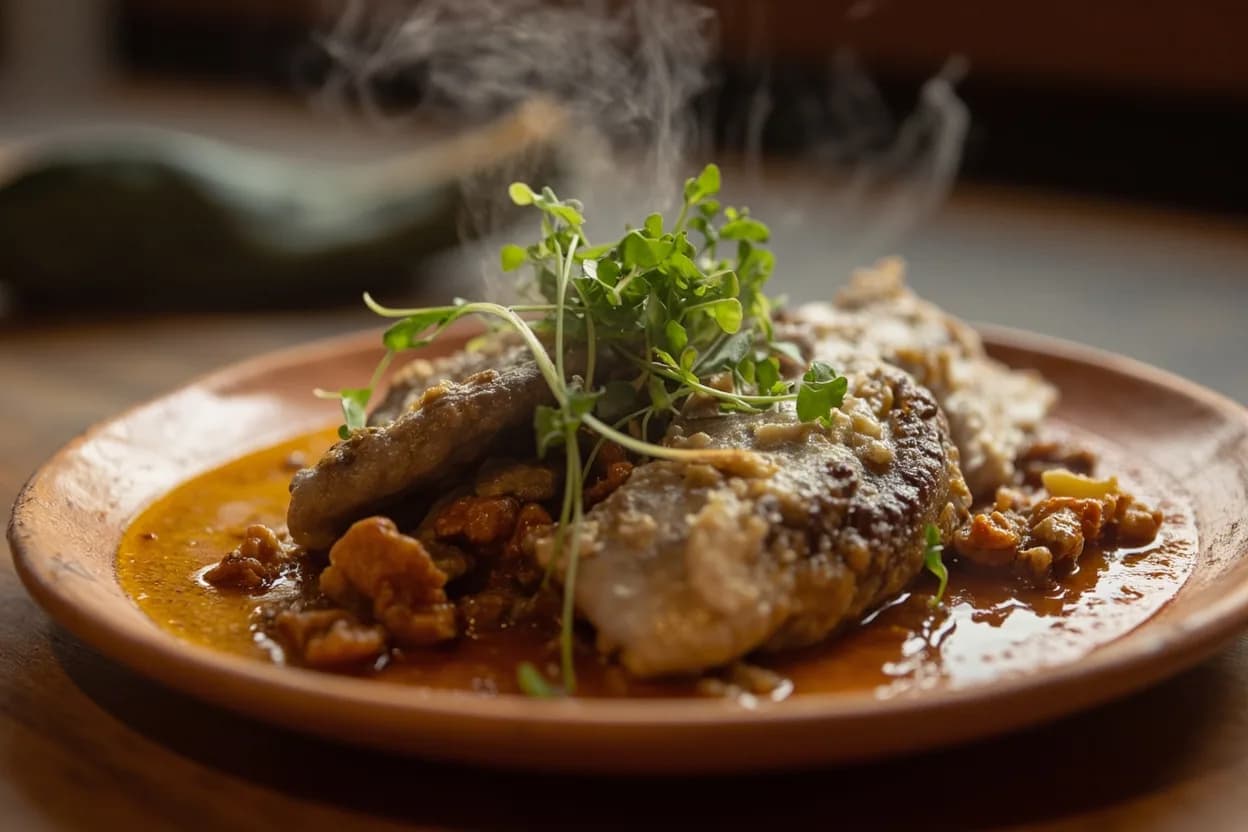
At the table
Meals in Costa Chica Afro-Mexican communities follow a pattern tied to agricultural and fishing rhythms: early breakfast of beans, tortillas, and coffee or atole; midday comida as the main meal with a broth or stew; light supper if the day's work is done. Chilate is consumed cold throughout the day as a restorative. Festive and ceremonial food—iguana, armadillo, more elaborate sauces—appears at saints' days (fiestas de los barrios) and lifecycle celebrations that blend Catholic and African-derived ritual structure.
History & context
African slavery in Mexico is estimated to have brought 200,000 to 250,000 enslaved people between 1521 and 1820, more than to British North America in the same period—yet Afro-Mexican heritage was effectively erased from official Mexican identity from Independence through the 20th century. The Costa Chica communities of Cuajinicuilapa (Guerrero) and communities near Pinotepa Nacional (Oaxaca) are among the most intact Afro-Mexican enclaves in the country. Anthropologist Gonzalo Aguirre Beltrán documented the region's African heritage in 'La Población Negra de México' (1946), the foundational scholarly text. The 2020 Mexican census formally recognized Afro-Mexicans as a distinct population group for the first time (over 2 million self-identified). Culinary documentation has accelerated since the 2010s, with scholars including Bobby Vaughn and Citlali Torres working to record dishes and techniques before elder knowledge-holders die without successors. The cuisine is under documented pressure from migration, economic precarity, and the eclipse of traditional foodways by processed foods.
Regional variations
- Guerrero Costa Chica (Cuajinicuilapa, Copala)
Strongest documentation of Afro-Mexican culinary identity; iguana preparations, chilate, and chile costeño negro most prominent; Museum of Afro-Mexican Culture in Cuaji.
- Oaxacan Costa Chica (Pinotepa Nacional, San José Estancia Grande)
Blends with Mixtec and Amuzgo coastal cooking; similar dishes with stronger Oaxacan chile palette influence; tlacoyo and tlayuda forms absorbed into local diet.
- Puerto Escondido coastal corridor
More tourist-exposed; some Afro-Mexican specialties appear in market stalls; surfing tourism has introduced outside food culture without fully displacing local patterns.
Related cuisines
The broader regional cuisine in which Afro-Mexican cooking is embedded; shares pozole, ceviche, and chile base but Guerreran Coastal is more mixed-heritage.
Southern neighbor; shares chile negro tradition and mole-building grammar; Oaxacan cuisine's mole negro has structural parallels to Afro-Mexican black sauces.
Another major Afro-Mexican coastal cuisine center (Veracruz has its own significant Afro-Mexican population); both share African-Mexican cultural and culinary hybridity.
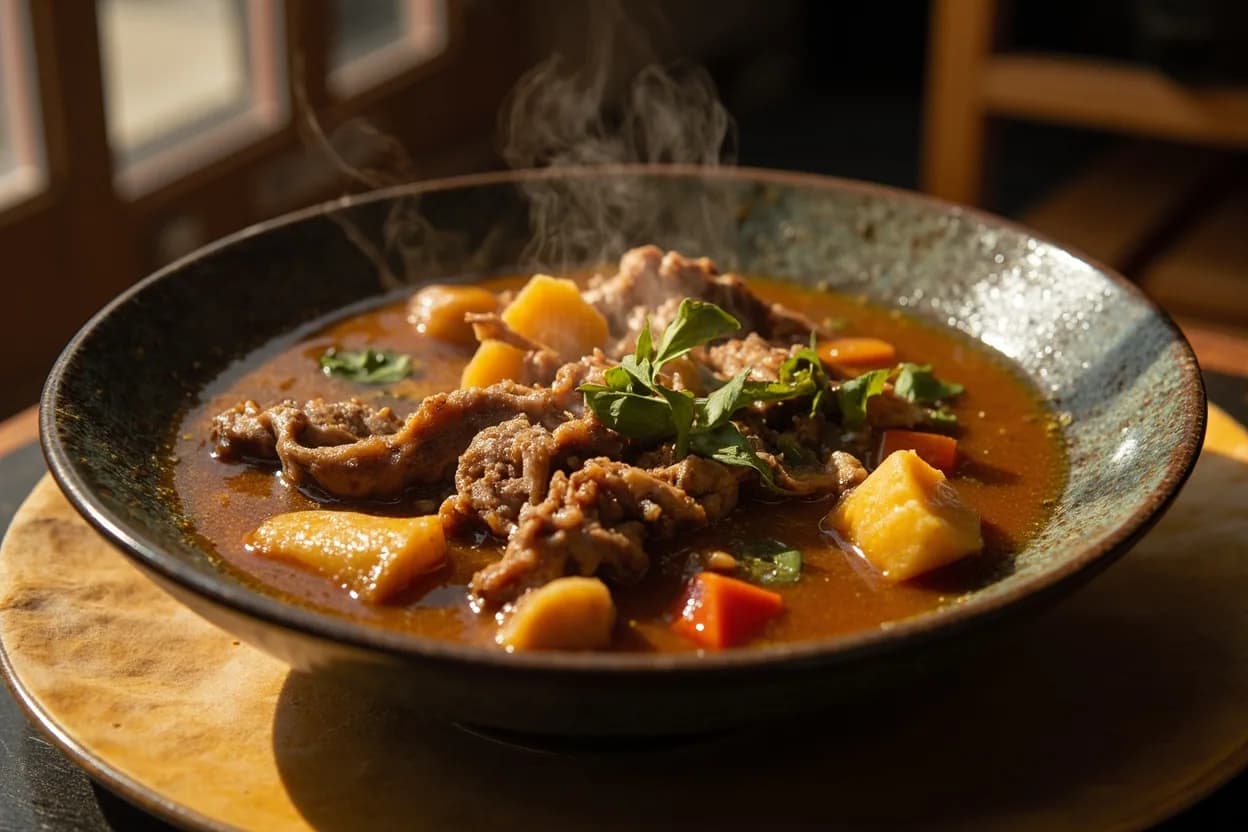
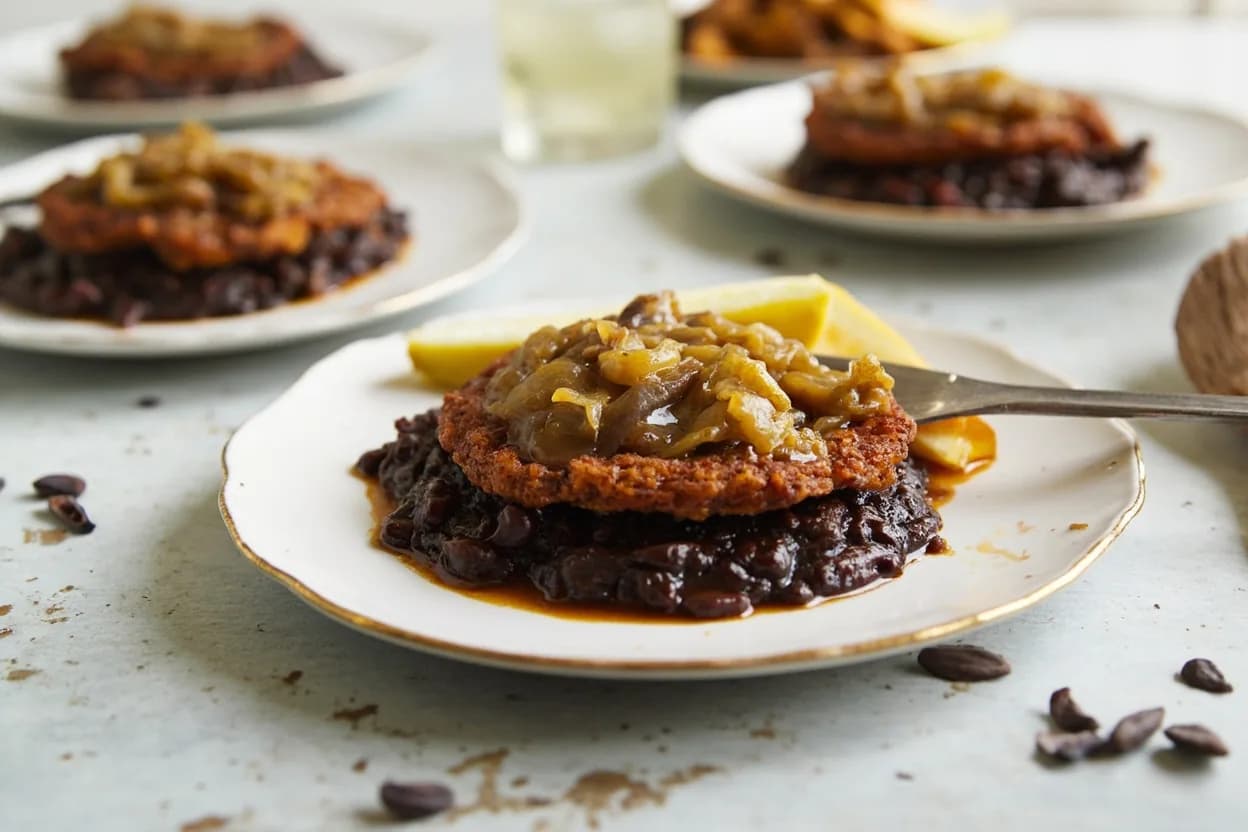
Canonical recipes
The dishes that define Afro-Mexican Coastal Cuisine (Costa Chica), documented in the Canon.
References
- 1.Gonzalo Aguirre Beltrán, 'La Población Negra de México' (1946)
- 2.Bobby Vaughn & Ben Vinson III, 'Afroméxico' (2004)
- 3.Citlali Torres Hernández, documented research on Costa Chica foodways (2010s–present)
- 4.Diana Kennedy, 'My Mexico' (1998)
- 5.INAH / CONACULTA documentation of Afro-Mexican cultural heritage, Costa Chica reports
Confidence: medium
Notes
Documentation gap
Afro-Mexican cuisine is among the least documented major culinary traditions in the Americas. Most Mexican cookbooks through the 20th century omit it entirely; regional Mexican food writers rarely traveled to the Costa Chica. The cuisine is known primarily through anthropological field work rather than recipe collections, which means knowledge gaps are significant and the confidence rating reflects this absence of documentation rather than a lack of culinary substance.
Iguana
Green iguana (Iguana iguana) is consumed across coastal Mexico and Central America but is particularly associated with Afro-Mexican communities of the Costa Chica, where its preparation in salsa negra—a complex sauce of toasted dried chiles, tomatoes, and herbs—is a marker of community identity. Iguanas are hunted in the dry scrub forests of the Pacific coast and are most commonly eaten during Semana Santa (Holy Week), when Catholic prohibition on meat makes reptiles and fish alternatives.
Chilate as African connection
Chilate—the cold cacao-rice-canela drink of the Costa Chica—has no clear analogue elsewhere in Mexico but bears resemblance to certain West African fermented grain drinks in its cold-preparation, rice-thickened structure. This is contested: some food historians see it as a purely Mesoamerican cacao adaptation. The drink's strong association specifically with Afro-Mexican communities rather than neighboring indigenous groups makes the African-origin hypothesis compelling, if unproven.