South America
Afro-Peruana
Also: Afro-Peruvian cuisine, cocina afroperuana, cocina negra peruana
The African-descended kitchen at the heart of Lima's criollo tradition — bold, inventive, and built from beauty found in what colonialism discarded.
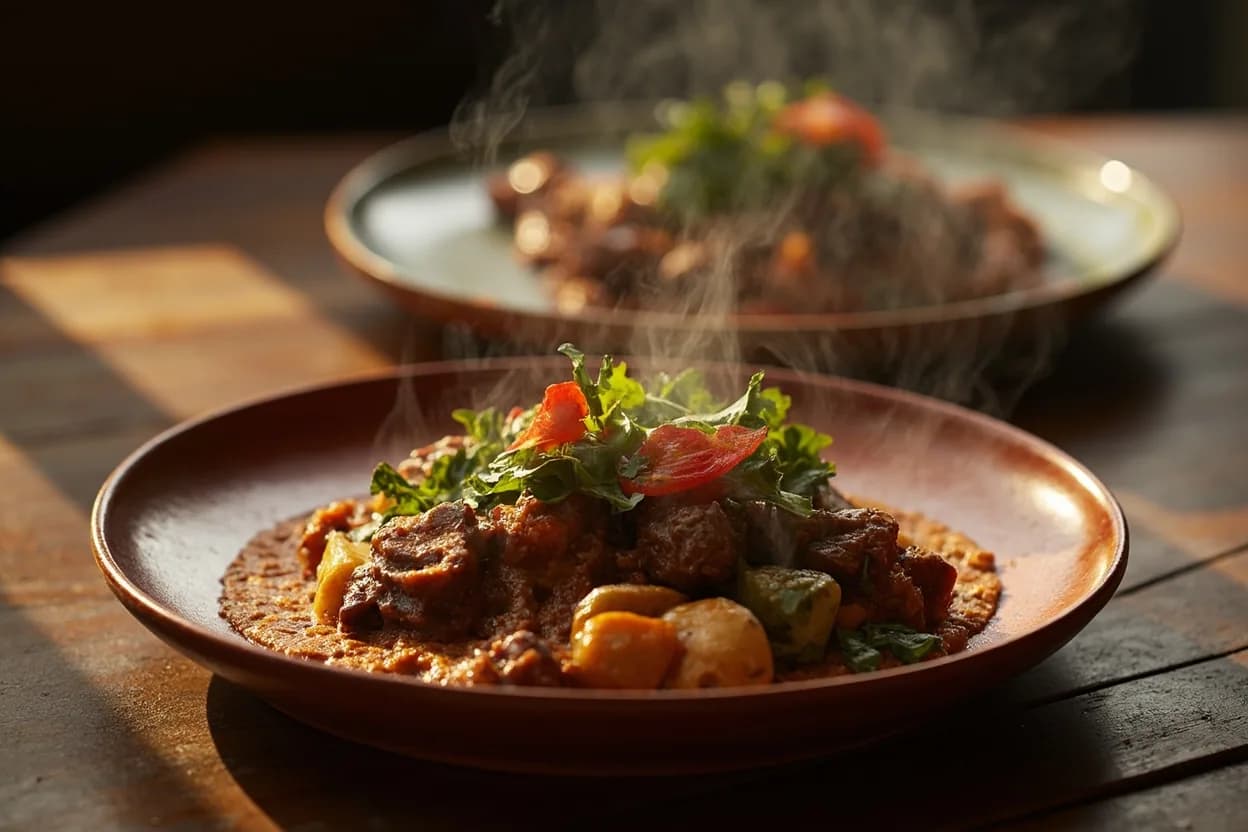
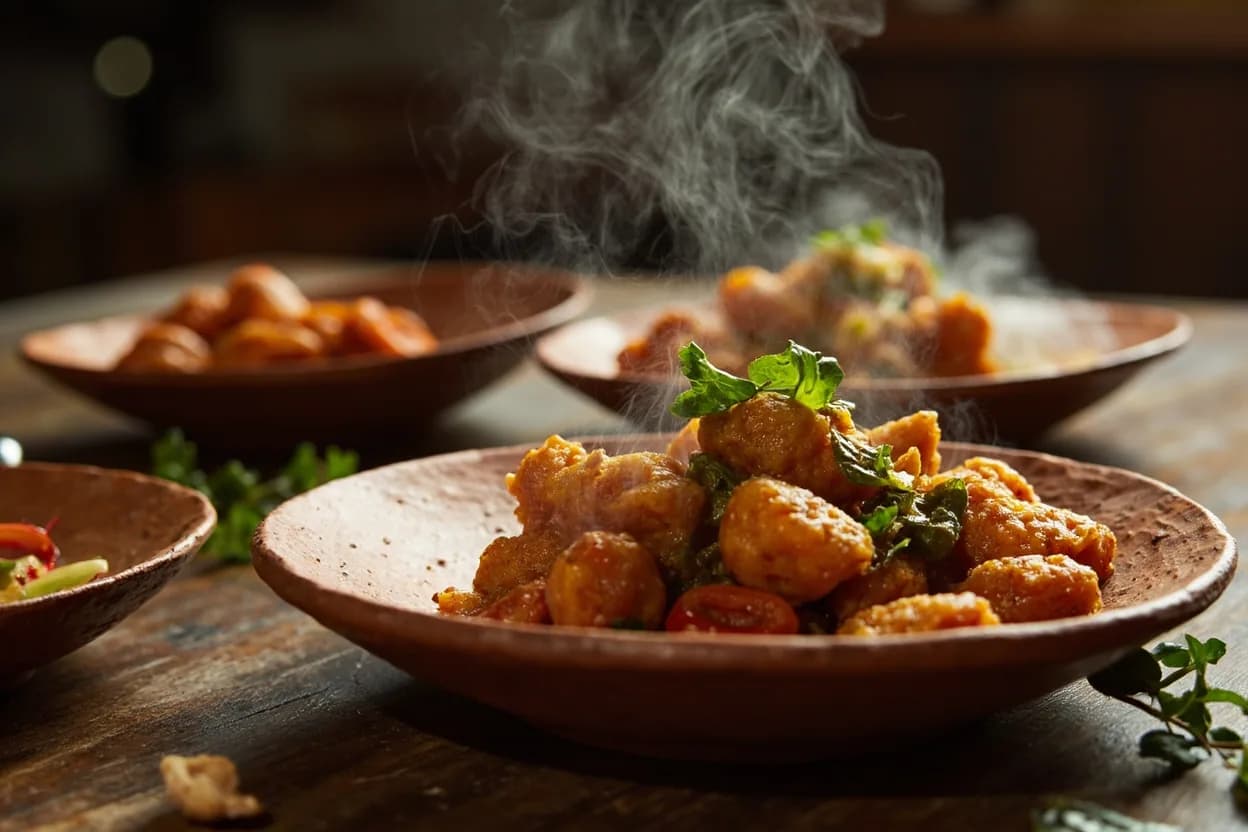
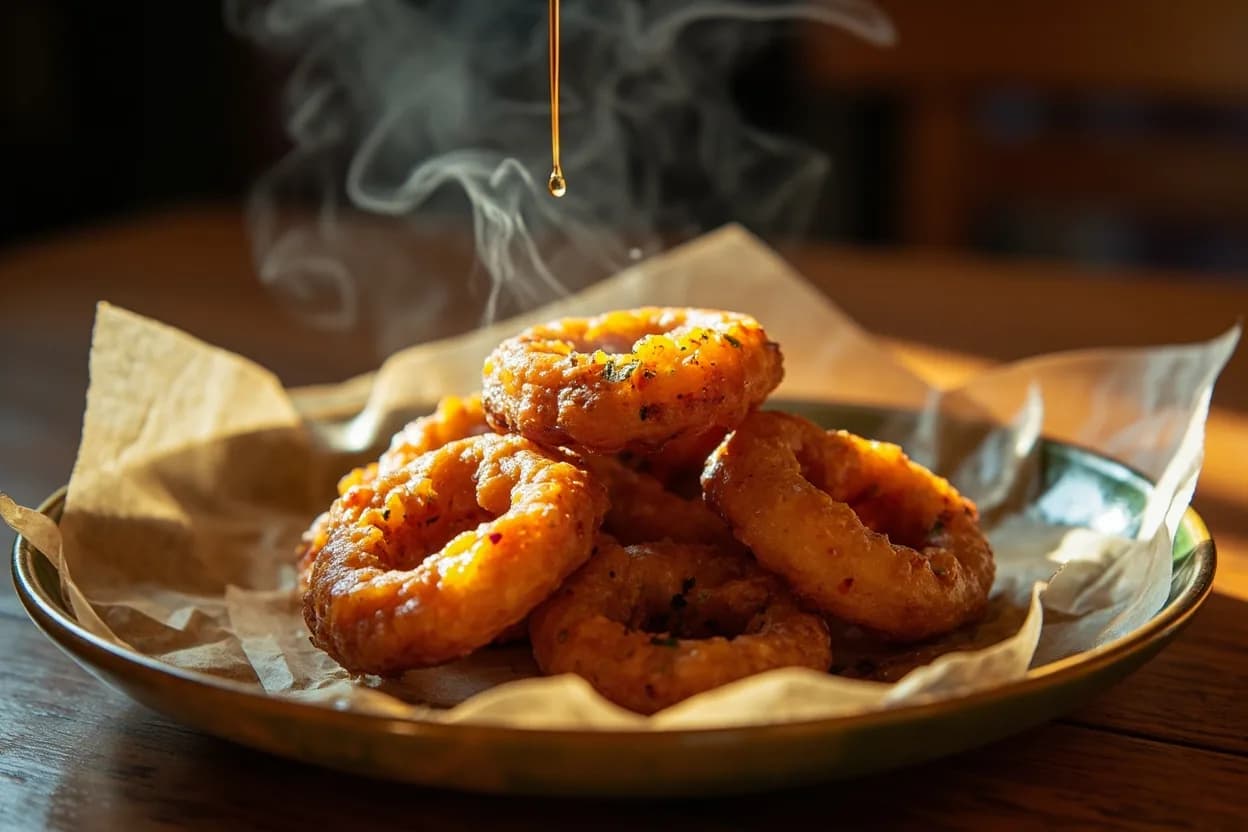
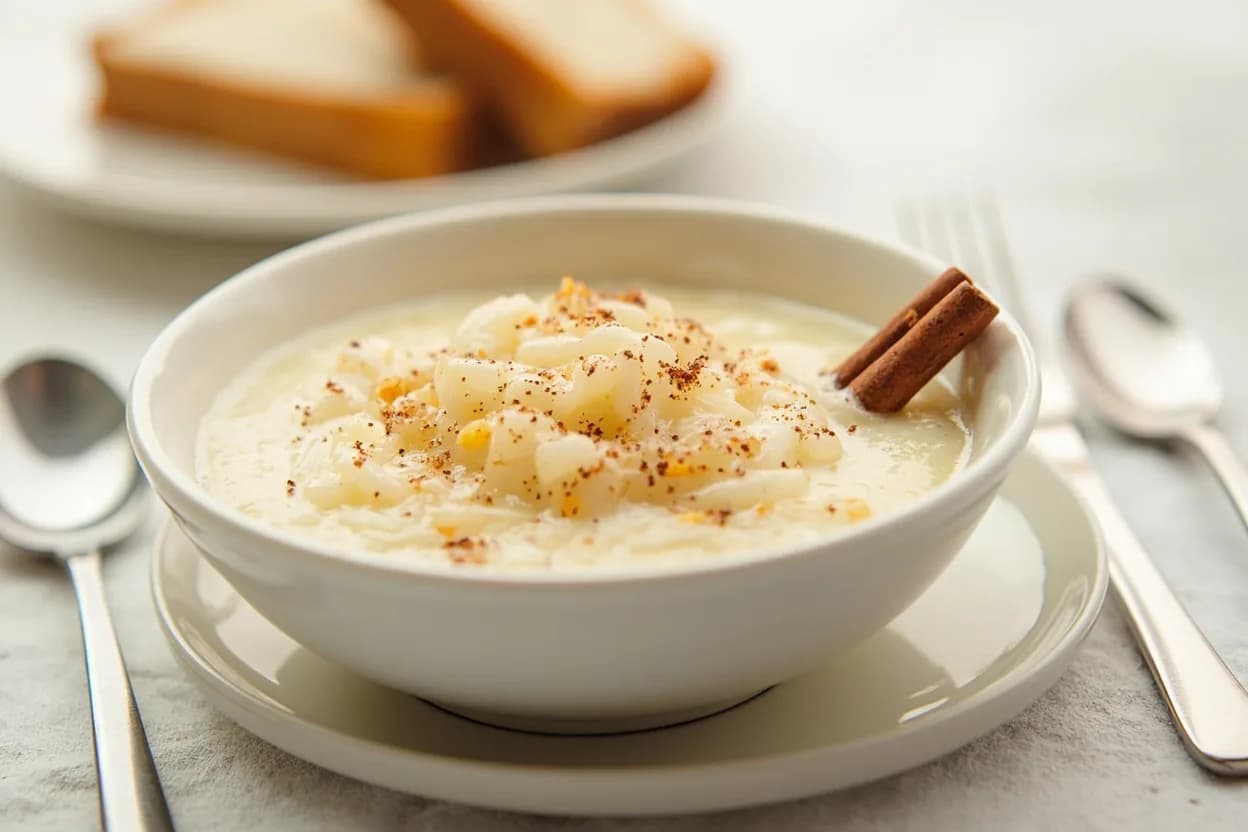
Afro-Peruvian cuisine is the culinary heritage of enslaved West and Central Africans brought to Peru between the 16th and 19th centuries and their descendants, concentrated on Peru's central and southern coast (Lima, Ica, Cañete, Chincha). Working in colonial kitchens and haciendas, African cooks were assigned the livestock organs, cheaper cuts, and starchy leftovers that enslaved and later freedpeople transformed through technique and memory into distinctive dishes — anticuchos (heart skewers), sango (a corn-and-blood porridge), carapulcra (dried potato stew), arroz con leche (rice pudding), and picarones (sweet potato and squash doughnuts) — that became the most beloved street foods and sweets in Lima's entire tradition.
The flavour base
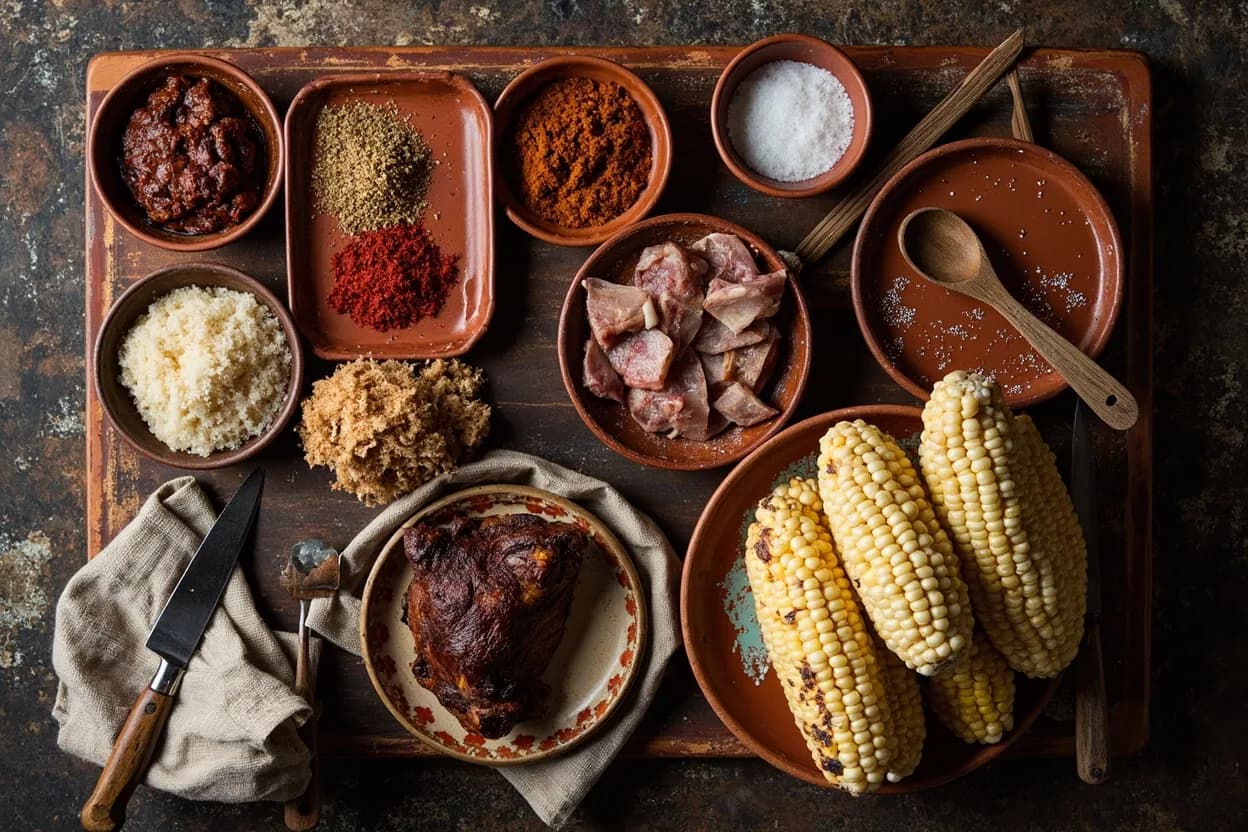
The grammar centers on long-braised or slow-grilled preparations built on Andean chilies (ají panca is the Afro-Peruvian chili of choice for its smoky depth), garlic, cumin, and the creative use of fats from offal. Sweet-savory balance runs through both the stew tradition (carapulcra) and the dessert tradition (picarones with chancaca syrup).
Pantry staples
Key ingredients
Signature techniques
Signature dishes
Afro-Peruana on the table
At the table
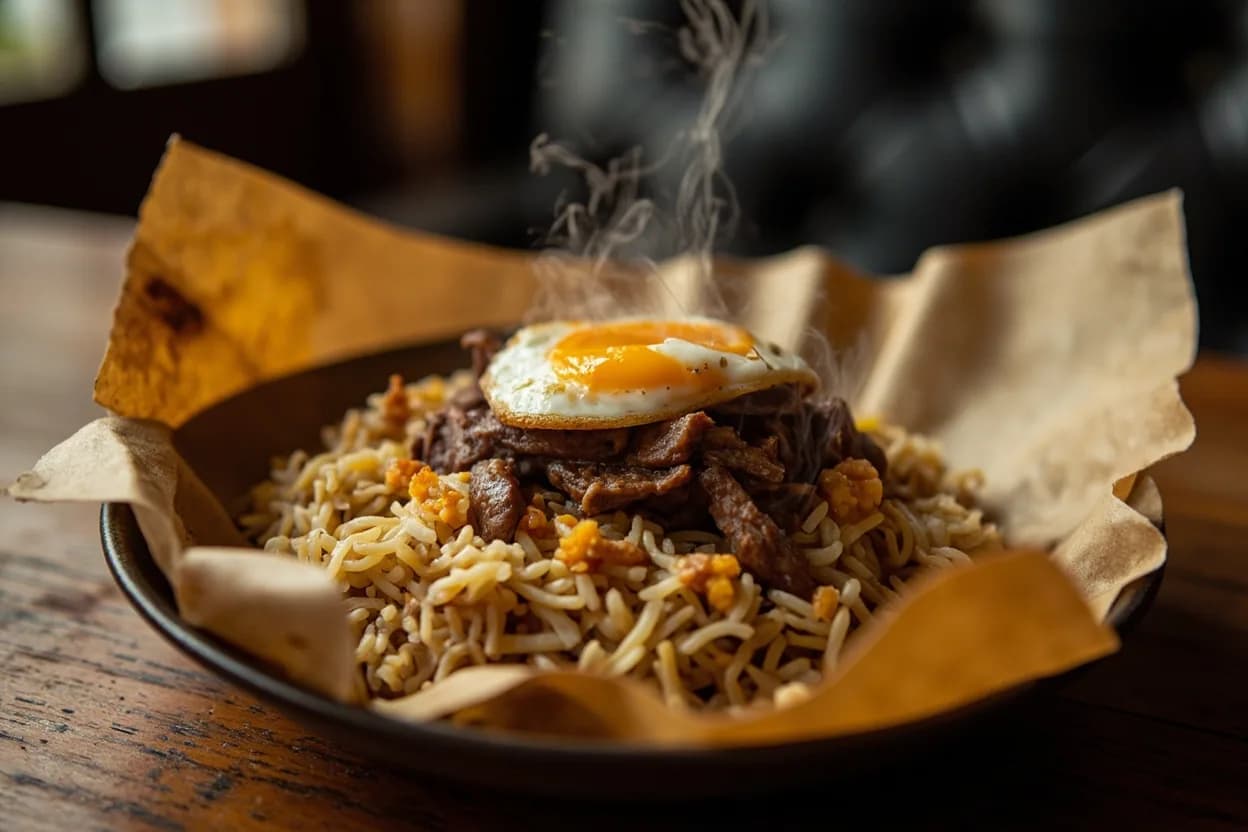
Afro-Peruvian food has been historically street food, hacienda labor food, and home kitchen food — not restaurant food. Anticuchos are sold at charcoal street grills (anticucherías) from late afternoon onward. Carapulcra and tacu tacu are weekend home dishes. Picarones are a festive or religious-holiday sweet. The Afro-Peruvian revival from the 1990s onward has moved some dishes into restaurant menus without removing their street identity.
History & context
African slaves arrived in Peru from the 1530s, primarily from the Congo Basin, Senegambia, and the Gold Coast, brought to work in Lima's households, in coastal haciendas producing sugar and cotton, and in the silver supply chain. By the 18th century Lima's population was roughly one-third Afro-Peruvian. Slavery was formally abolished in 1854. Afro-Peruvian communities concentrated in Chincha Alta, El Carmen, and Lima's Victoria and Breña districts. Their culinary heritage was largely uncredited in mainstream Peruvian gastronomy until researchers and chefs — notably Isabel Álvarez Novoa, who opened El Señorío de Sulco in the 1980s — began documenting and championing it. Chef Gastón Acurio's explicit crediting of Afro-Peruvian innovation in Lima's food culture gave the tradition new visibility. Today the Afro-Peruvian cultural revival (including music — festejo, landó — and cuisine) is centered in Chincha.
Regional variations
- Chincha / El Carmen
The heartland: most concentrated Afro-Peruvian population, most intact traditional foods including sango, frejol colado (sweet black bean paste), and the festive communal cooking traditions around carnival.
- Lima (Victoria, La Victoria barrio)
Urban Afro-Peruvian cooking merged fully into criollo Lima; anticucheras operate across the city but the Victoria district is the historic center of the street-grill tradition.
- Ica coast
Coastal Afro-Peruvian communities incorporate more seafood into the tradition; shrimp and fish tacu tacu (fried bean-and-rice cake) are characteristic.
Related cuisines
Afro-Peruvian cuisine is the constitutive African strand of Lima's criollo synthesis; carapulcra, tacu tacu, picarones, and anticuchos are shared by both traditions.
Novoandina's reclamation of marginalized ingredients parallels the Afro-Peruvian culinary revival; both movements challenge the colonial hierarchy that centered European ingredients.
Parallel tradition of African culinary memory preserved in New World context; both traditions show the genius of cooks who transformed constraint into culture.
- Caribbean Creole
Broader family of African-descended New World cuisines shaped by plantation economies, similar pantries (sweet potato, lard, offal), and the same creative logic of dignified cooking under oppression.
Canonical recipes
The dishes that define Afro-Peruana, documented in the Canon.
References
- 1.La cocina de los negros en el Perú — Isabel Álvarez Novoa (2000)
- 2.Perú: The Cookbook — Gastón Acurio (2015)
- 3.Gran cocina latina — Maricel Presilla (2012)
- 4.Sabores con historia: cocina afroperuana — Lucía de la Puente Wiese (2008)
Confidence: high
Notes
Anticuchos: from Inca offering to Lima's defining street food
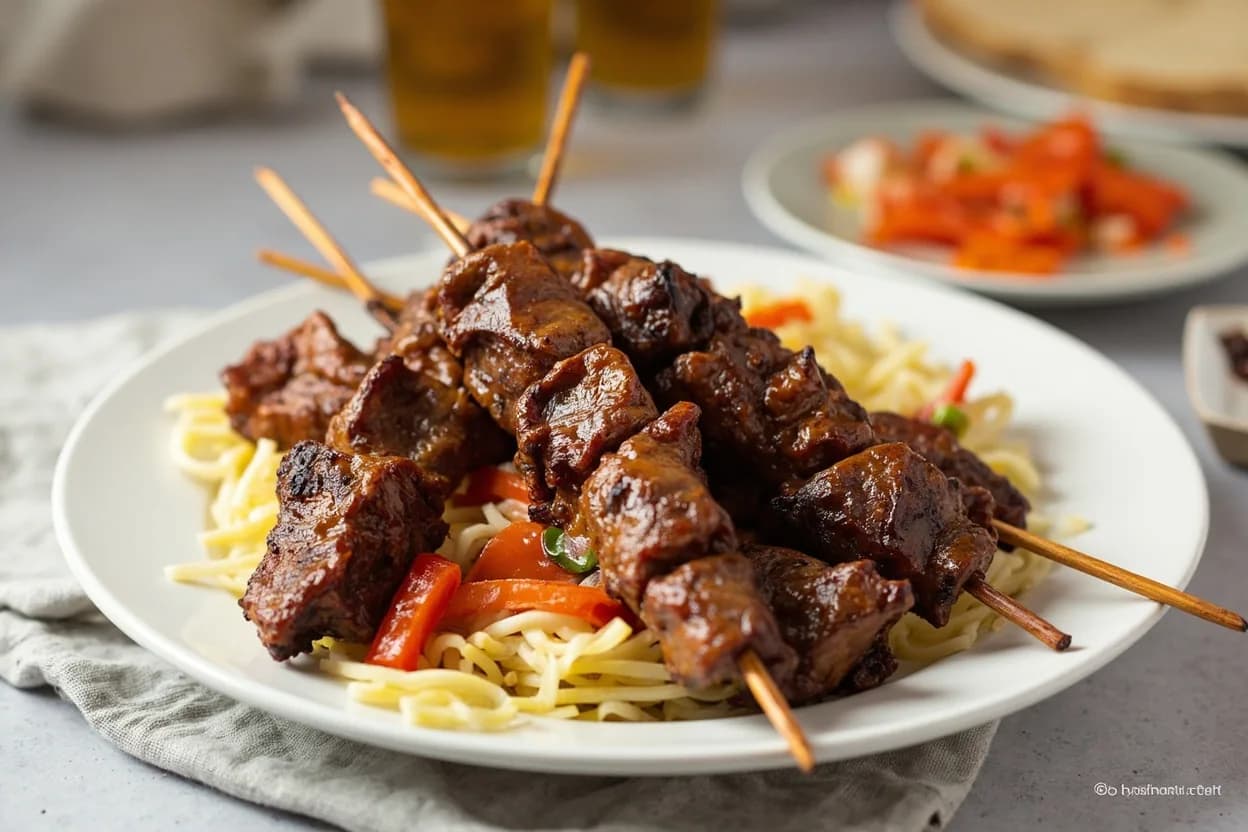
Anticuchos — skewered, marinated beef heart grilled over charcoal — have pre-Columbian precedents in Andean skewered meat preparations, but the specific dish as Lima knows it was shaped by enslaved African cooks who received beef hearts as part of their food allocation and marinated them in ají panca, vinegar, cumin, and garlic to tenderize and flavor them. Today anticucheras (street vendors, usually women) operate carts across Lima from late afternoon into the night. The dish costs a few soles and is one of the few foods that cuts entirely across Lima's class geography.
Picarones and the fritter lineage
Picarones are yeast-leavened doughnuts made from sweet potato and squash, fried in oil, and served with chancaca (raw cane sugar) syrup. They descend from the Spanish buñuelo tradition (itself influenced by Arab sfenj fritters) but are wholly transformed by the substitution of Andean sweet potato and squash for the Spanish wheat dough. The dish exemplifies the Afro-Peruvian cook's strategy: work within the available ingredients (the cheaper, starchier, sweeter ones from the hacienda garden) to create something superior to the original.