Produce
Freeze-Dried Potato (Chuño)
Andean potato freeze-dried by frost and sun, rehydrated for stews and soups; keeps for years.
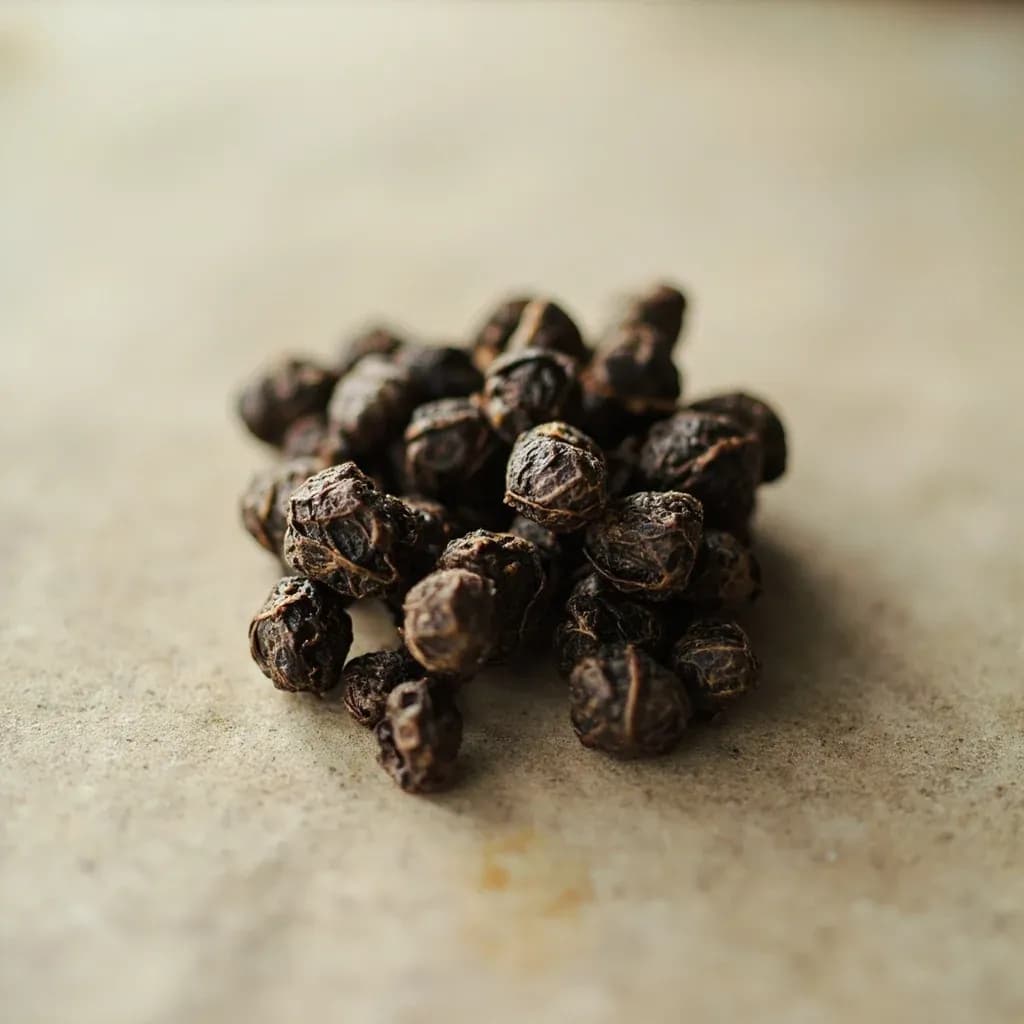
Freeze-dried potato, or chuño, is an ancient Andean preservation of potatoes alternately frozen in cold nights and sun-dried, producing a hard, lightweight tuber that stores for years. It is rehydrated and added to Bolivian and Peruvian soups and stews, where it turns chewy and absorbs the broth. The white variant, tunta or moraya, is washed in running water during processing for a milder flavor.
Chuño is the ancient Andean answer to food preservation in a climate where arable land sits above 10,000 feet and crops freeze on the stalk. Highland cooks discovered centuries ago that repeated exposure to hard night frosts followed by slow sun-drying transforms the humble potato into something entirely new: a lightweight, rock-hard tuber that keeps for years and reconstitutes into a dense, slightly chewy mass unlike anything modern freeze-drying produces. The texture when rehydrated is distinctive—firm at the center, giving substance to broth without dissolving into mush, and with an earthy, mineral depth that amplifies whatever it cooks with. Two varieties dominate: chuño negro, made from bitter potato varieties and left unpeeled, carries a pronounced smoky-bitter character; chuño blanco, from non-bitter potato varieties or peeled bitter varieties trodden to remove the bitter liquid, is milder and faintly sweet. Both absorb broth like a sponge and contribute body to soups, but they demand different handling than their Western substitutes. The traditional production cycle—spanning one to three weeks of frost-and-sun cycling—remains largely unchanged in highland cottage industries. This is not a convenience ingredient; it rewards understanding its behavior and respecting its traditions.
- Measured in
- g
- Storage
- Pantry
Types & varieties
Made from bitter potato varieties (Solanum curtilobum); not trodden; retains dark color and stronger, more bitter flavor; longer traditional processing time
Made from non-bitter potato varieties or peeled bitter varieties; trodden to remove bitter liquid before freeze-drying; lighter beige to white color; milder, slightly sweet flavor
Bolivian variant of white chuño; made strictly from bitter potatoes but processed with extended treading and whitening; considered premium grade in highland markets
Traditional Processing vs. Industrial Freeze-Drying
Modern "freeze-dried" potato products are made in a single vacuum-chamber process that preserves cellular structure while removing ice directly from frozen state. Chuño, by contrast, relies on the natural freeze-thaw cycles of the Andean altiplano: potatoes freeze solid on the ground at night, then thaw and lose moisture in the intense daytime sun. This cycle repeats daily for one to three weeks, concentrating sugars and developing the characteristic wrinkled surface and dense interior. The result is a product that, when rehydrated, has noticeably different texture and flavor than factory freeze-dried potatoes—denser, with chew and mineral depth that industrial products lack. For the authentic Andean character, seek chuño from specialty importers of South American ingredients rather than assuming supermarket "freeze-dried potatoes" will behave the same way.
- Traditional chuño: multiple frost-thaw cycles over 1–3 weeks, sun-dried between cycles, natural temperature swings
- Industrial freeze-dried: single vacuum-chamber process, faster but lacks the depth of traditional methods
Working with Chuño in the Kitchen
Chuño demands patience at the rehydration stage and attention during cooking. Unlike instant potato flakes that dissolve into starchy slurry, rehydrated chuño retains integrity—pieces stay intact and provide substance. This makes it excellent for long-simmered stews but a liability in dishes where you want soft, fluffy potato texture. The rehydrated pieces will continue absorbing liquid during cooking, so time your addition carefully: too early and they swell into mealy softness; too late and they lack the depth of flavor that broth absorption provides.
- Rehydrate completely before adding to fast-cooking dishes
- Add to slow-cooking stews in the last 20–30 minutes of cooking
- Rehydrated chuño expands 3–4× its dry volume—account for this when measuring
- Both varieties gain complexity when cooked in flavorful broth rather than plain water
Common uses
Tips & pitfalls
- Always rehydrate in cold or room-temperature water first—boiling water makes the exterior soft while the core remains hard and chalky
- For hearty stews like locro or chairo, add rehydrated chuño in the last 20–30 minutes of cooking to prevent over-mushiness and loss of texture
- Store in airtight glass jars with desiccant packets; residual moisture is the enemy and will cause the pieces to spoil or become rubbery
- If pieces are still firm after standard rehydration, simmer gently for 10 minutes to finish softening without disintegrating
- Black chuño carries more pronounced bitterness—taste before using in quantity and rinse briefly if the flavor overwhelms your dish
- Do not confuse with instant mashed potato flakes; chuño has a distinct chewy, dense texture that flakes cannot replicate no matter how you season them
- Traditional Andean cooks often toast dry chuño briefly in a dry skillet before rehydrating—this deepens flavor and slightly jumpstarts the reconstitution
- Tunta, the premium Bolivian white chuño, requires less soaking time than standard white chuño due to more thorough traditional processing
Nutrition
Energy
243 kJ · per 100 g
Where the calories come from
Protein
2.6g
5% DV
Carbs
12.4g
5% DV
Fat
0.1g
0% DV
Fiber
2.5g
9% DV
Sodium
10mg
0% DV
Source · USDA FoodData Central · approx. Potatoes, raw, skin
View on FDC →In the shops
Matched grocery products
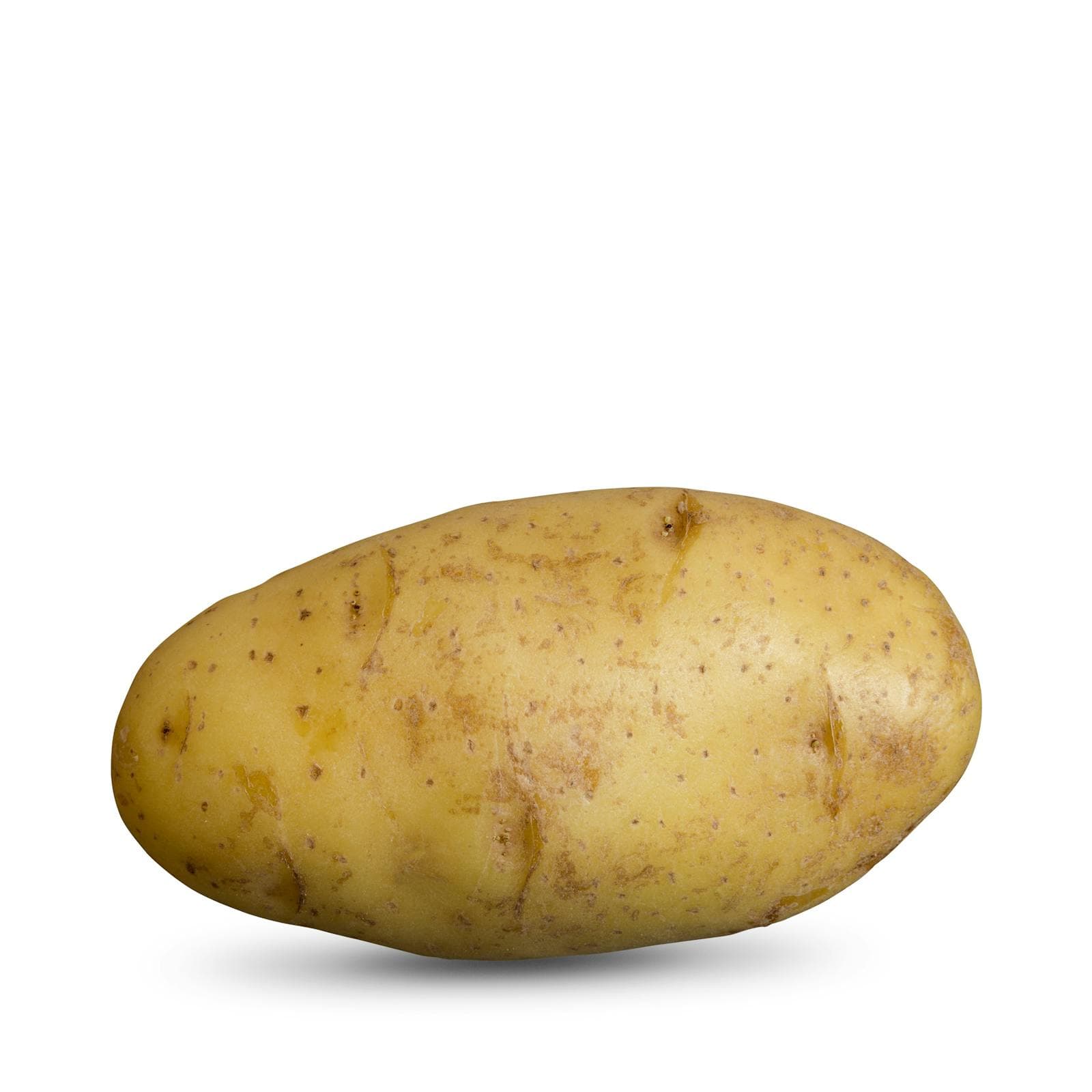 €0.40
€0.40Potato
210 g · Mercadona
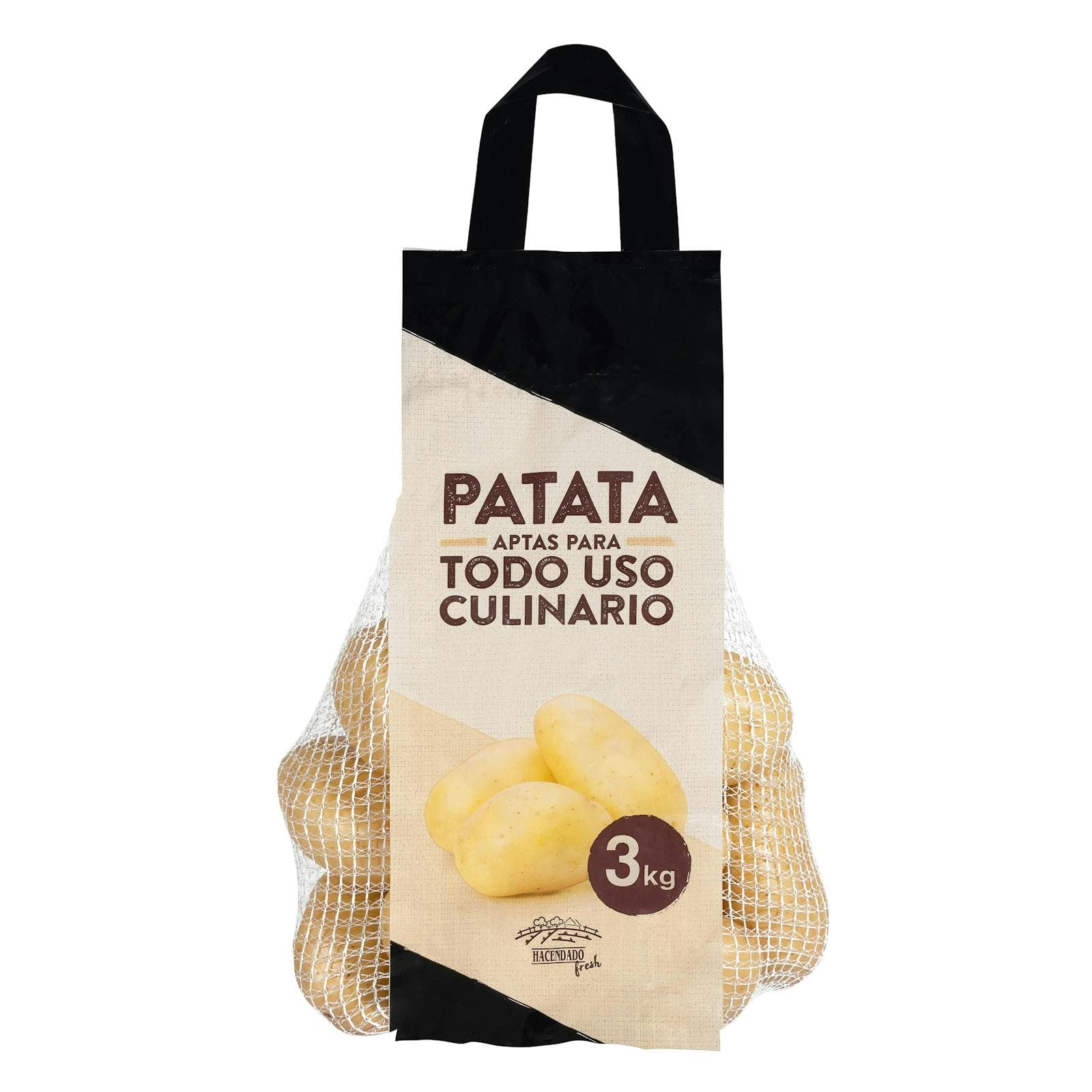 €4.65
€4.65Potatoes
3 kg · Mercadona
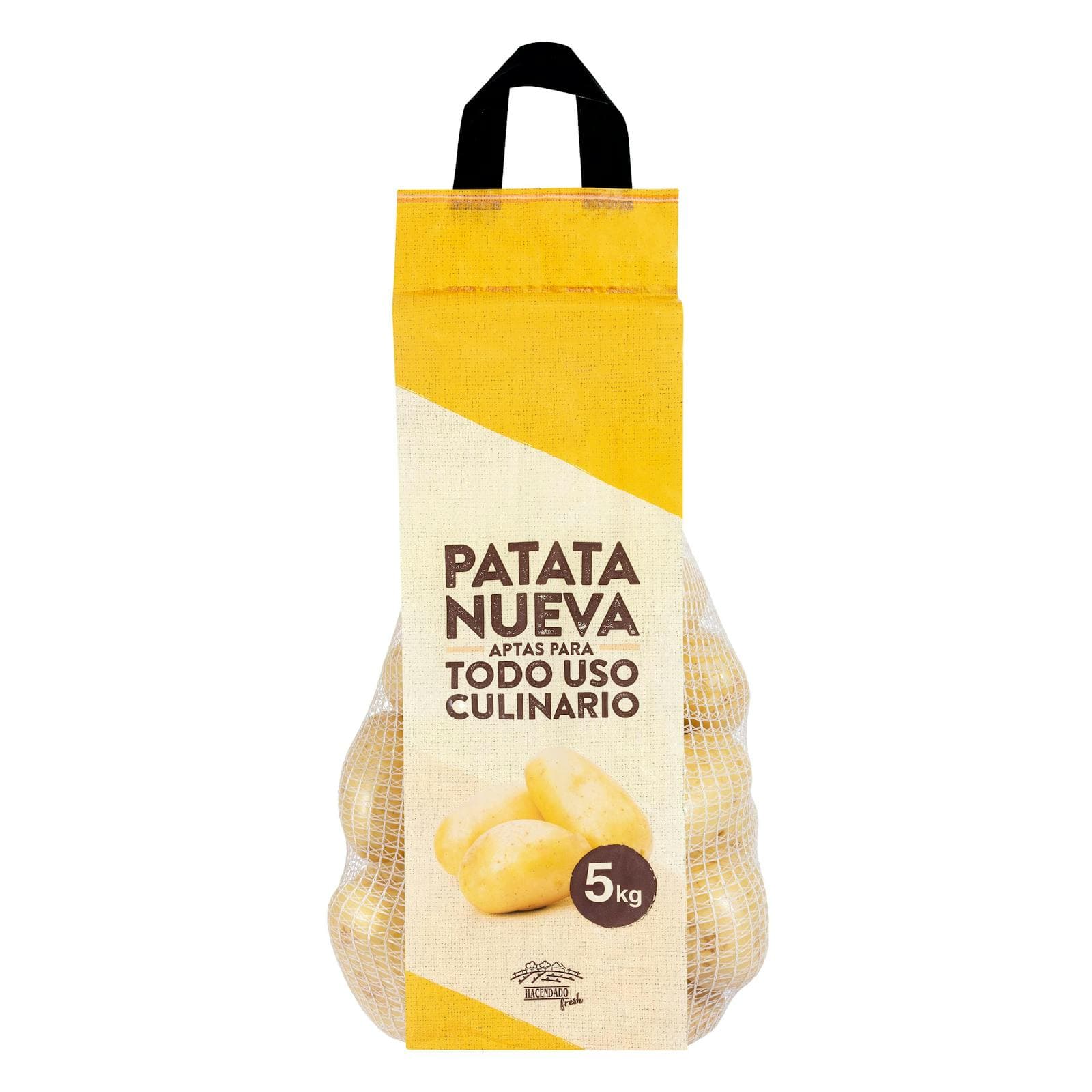 €5.60
€5.60Potatoes
5 kg · Mercadona
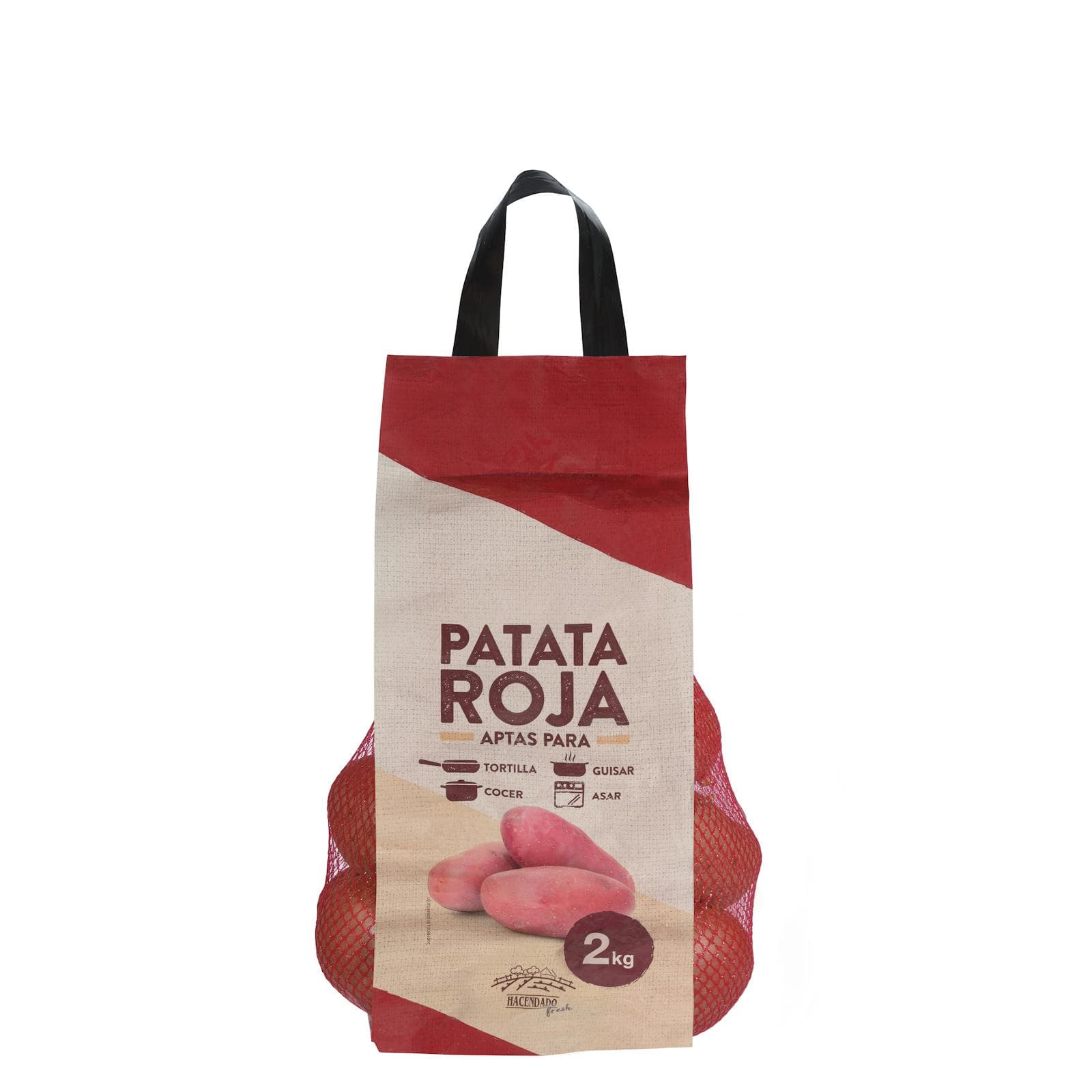 €3.80
€3.80Red Potatoes
2 kg · Mercadona
 €0.45
€0.45Potato 1 unit
Bonpreu
 €0.70
€0.70Potato 1 unit
ud · Bonpreu
Good to know
- Origin
- Andean region of South America (Peru, Bolivia, Chile, Argentina); traditional method predates the Inca empire by centuries
- Preservation Method
- Traditional freeze-drying by repeated cycles of night frost (below freezing) and daytime sun-drying over 1–3 weeks
- Shelf Life
- 2–5 years when stored in a cool, dry place in sealed containers
- Rehydration Time
- 15–30 minutes in cold water, or 10–15 minutes in warm water; expands 3–4× original volume
- Water Content
- Less than 5% moisture after processing
- Primary Form
- Hard, lightweight, wrinkled tuber; black chuño retains dark skin; white chuño is peeled and trodden to remove bitterness
- Flavor Profile
- Earthy, slightly smoky, faintly bitter (black); milder, slightly sweet (white); both gain depth when cooked in broth
Substitutes
- Instant potato flakes — Closest Western equivalent; rehydrates quickly but lacks chuño's earthy depth and chewy texture; use 1:1 in soups but expect a softer, less substantial result
- Dried potato slices — Available in some specialty stores; thinner and less processed than chuño; rehydrates faster but stores for shorter duration and lacks the same density
- Dried porcini mushrooms — Share similar umami depth and chewy texture when rehydrated; not a potato substitute but works in the same hearty stew applications when you want that dense, substantial bite
- Tapioca pearls (sago) — Provides similar thickening action in soups and absorbs broth similarly; adds chew but carries no potato flavor whatsoever
Pairs with
Also called
Chuño · Tunta · Moraya
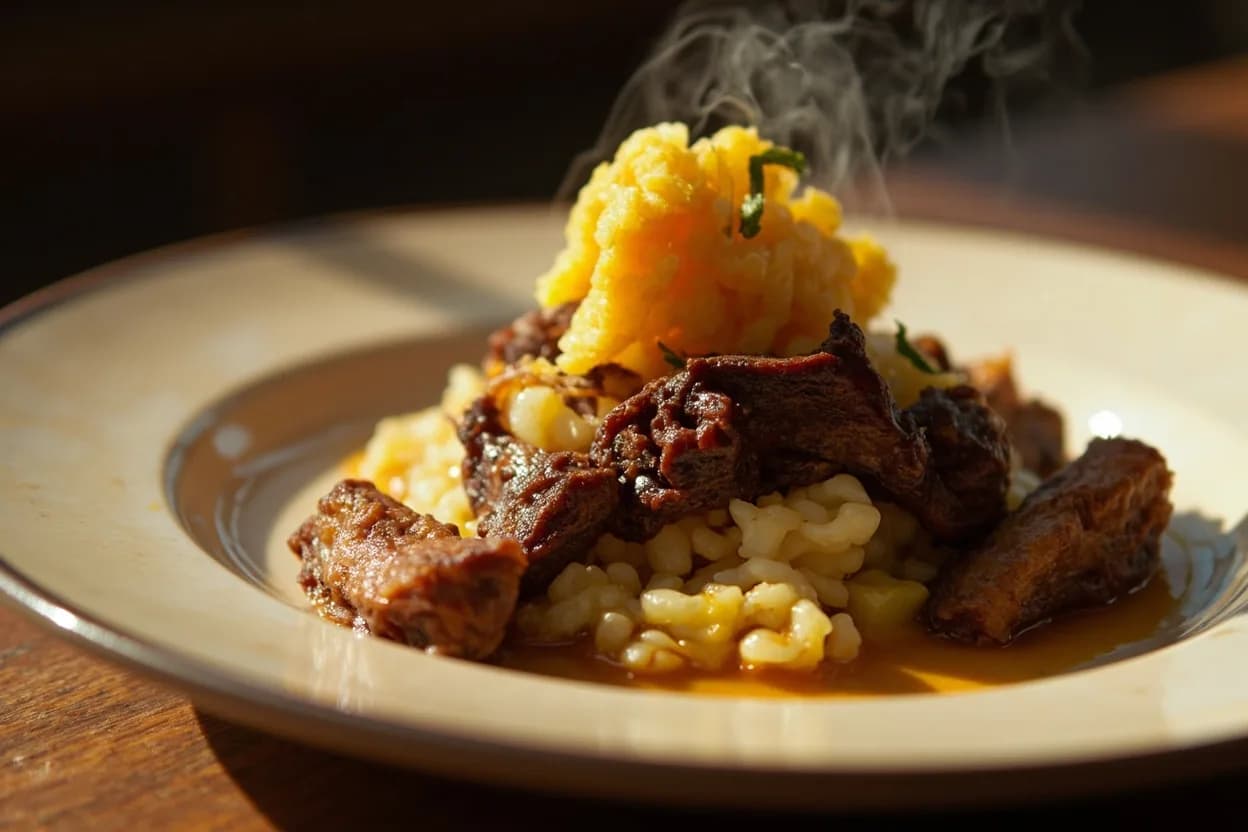
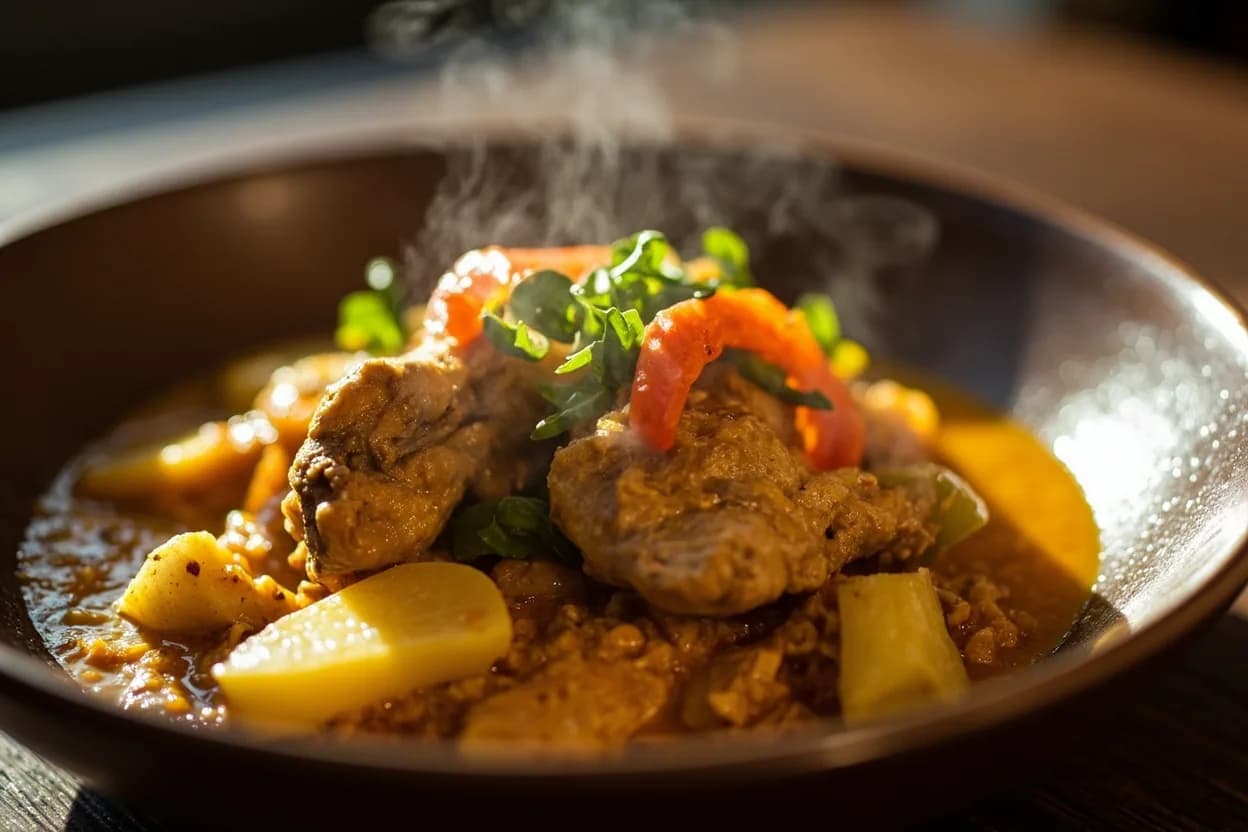
Appears in these dishes
Related
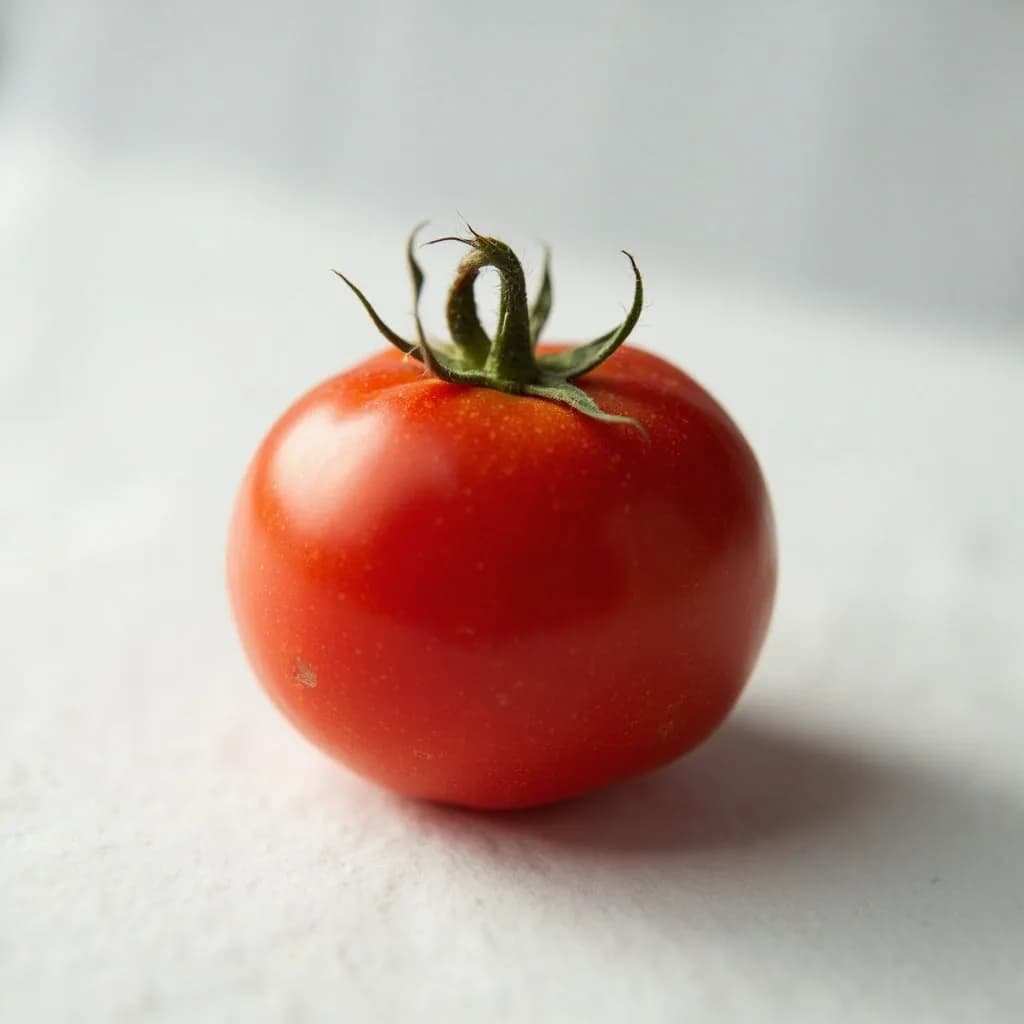
Tomato
Juicy, sun-sweet fruit for sauces, salads, and slow-cooked depth
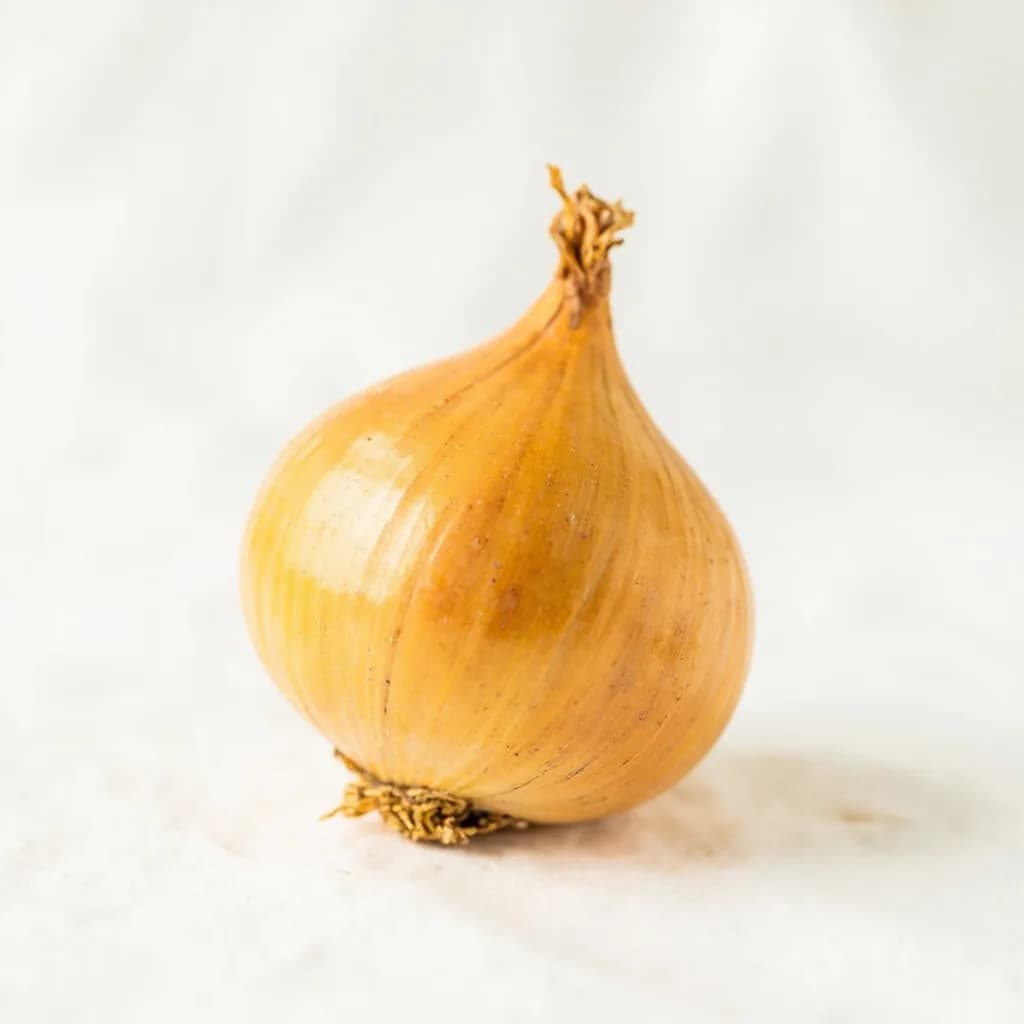
Yellow Onion
The aromatic backbone of soups, sofritos, and braises
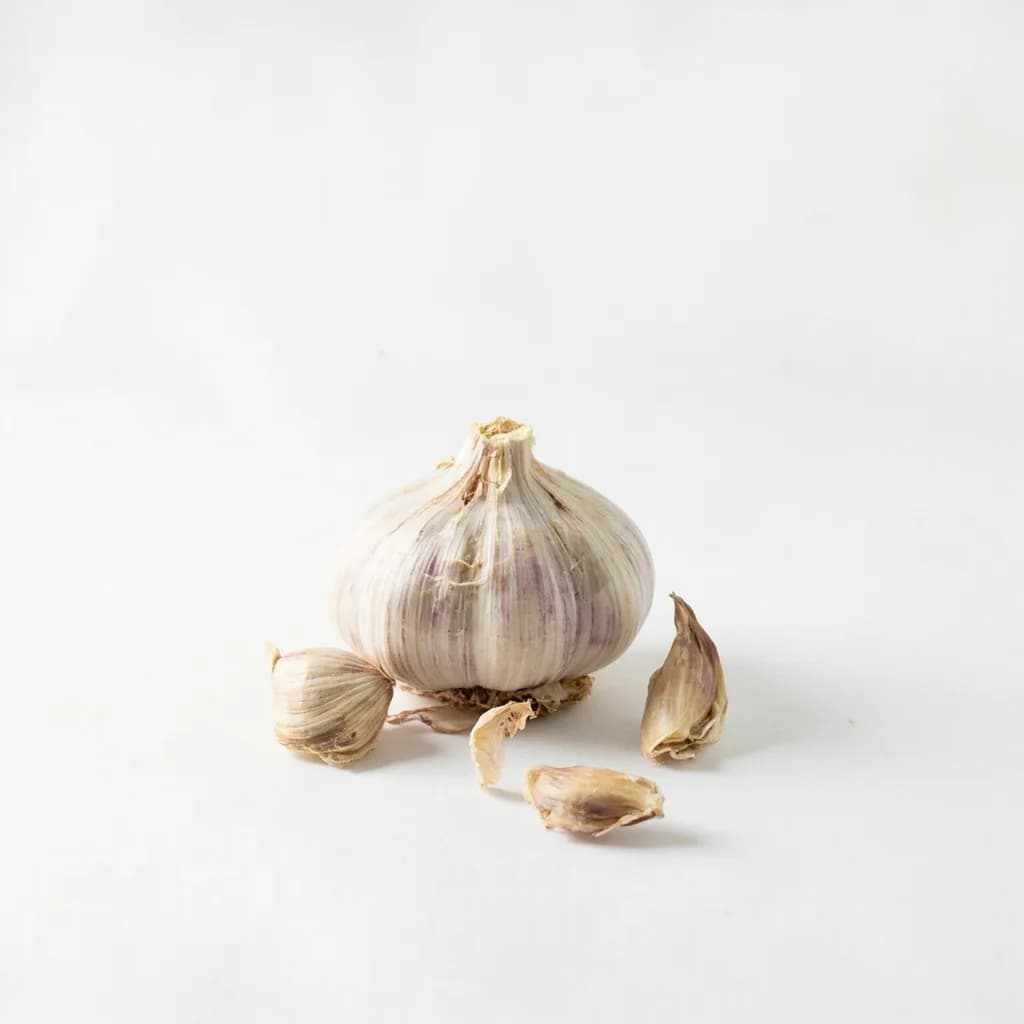
Garlic
Pungent cloves that perfume nearly every savory dish
Lemon
Bright, acidic citrus that wakes up almost any dish
Potato
Humble, hearty staple — roast, mash, fry, or boil
Carrot
Sweet, crunchy root — raw, roasted, or the base of a sofrito
Cucumber
Cool, crisp, and watery — for salads, pickles, and tzatziki

Lettuce
Crisp leaves for salads, wraps, and a fresh crunch