Proteins
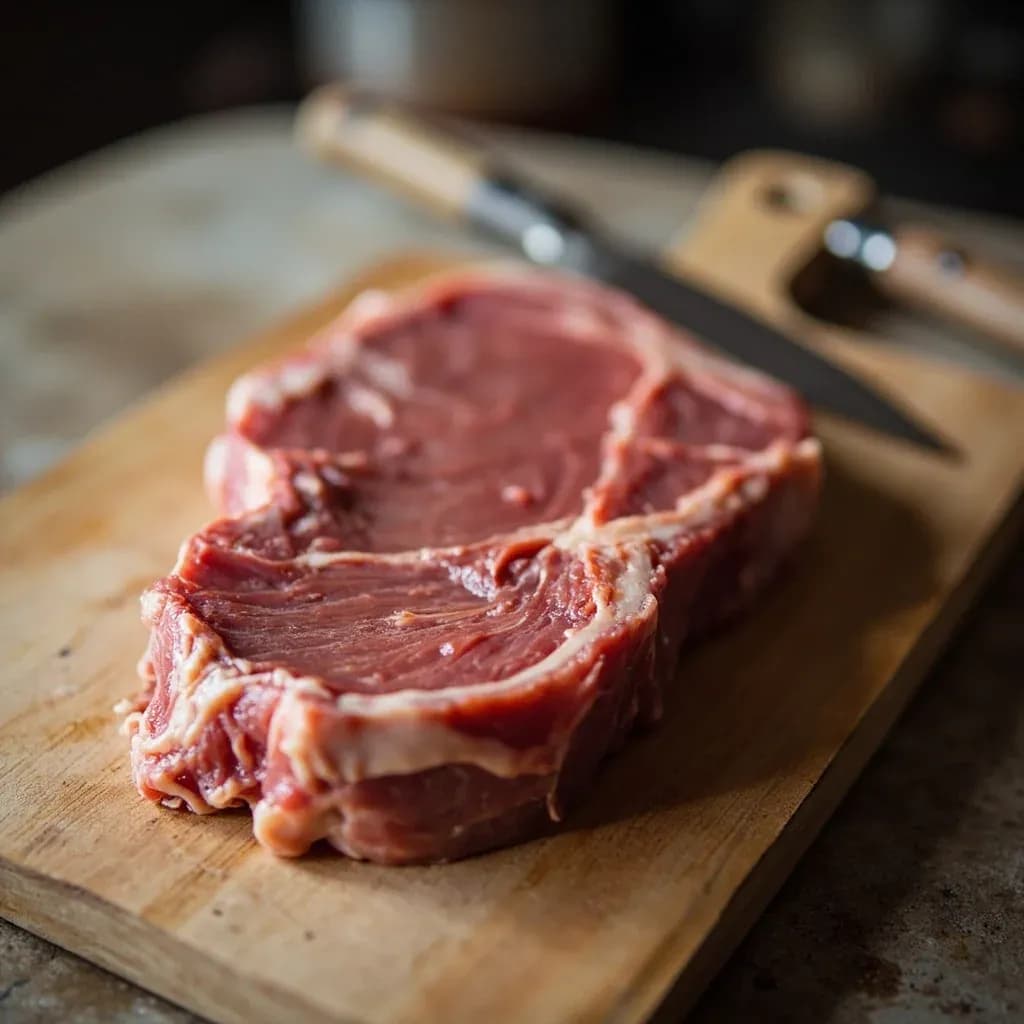
Llama Meat
Very lean Andean red meat, dried into charqui or used in stews and grills.
Llama meat is a lean, low-fat red meat traditional to the Andean highlands of Bolivia, Peru and Argentina. It has a mild, slightly sweet flavor and is grilled, stewed, or salted and sun-dried into charqui (the original jerky). Its very low fat content means it is best not overcooked.
Llama meat is a lean red protein that has sustained Andean peoples for over four thousand years. Domesticated in the high altitudes of Peru, Bolivia, Ecuador, and Chile, the llama was primarily kept as a beast of burden, but its meat became a vital food source—particularly in highland communities where refrigeration was unavailable. The animal produces a dark red, coarse-grained meat with significantly less intramuscular fat than conventional beef, placing it in the same category as bison, venison, and ostrich. This leanness is both the meat's greatest asset and its primary cooking challenge: it cooks faster than beef and dries out rapidly if treated the same way. The flavor is mild with a faint sweetness and just a whisper of gameiness—less assertive than lamb or venison—making it receptive to bold seasonings. Historically, llama meat was preserved through drying into charqui, a sun-and-wind-cured product similar to jerky that could be stored at room temperature for weeks. Today, fresh cuts, dried products, and sausages are sold throughout Andean markets, though export remains limited. For cooks outside South America, sourcing typically requires specialty butchers or game-meat suppliers. The meat rewards attentive cooking: quick, high-heat applications or long, moist braises with added fat, never the indifferent medium-high treatment that works for beef.
- Measured in
- g
- Storage
- Fridge
Types & varieties
Sun-dried and wind-dried llama meat; the most traditional preservation method; eaten as a snack or reconstituted for stews. Similar to ch'arki used for alpaca and other Andean meats.
Salt-cured, air-dried llama meat; common in highland markets; sliced thin and eaten raw or lightly grilled.
Fresh sausages seasoned with cumin, ají, and garlic; increasingly produced for urban markets in Peru and Bolivia.
Sold in Andean markets as leg steaks, shoulder chops, ground meat, and tenderloin; less commonly exported; availability outside South America is limited to specialty butcher shops or frozen from South American suppliers.
Understanding Llama's Lean Character
The defining trait of llama meat is its near-absence of intramuscular fat. This makes it exceptionally healthy—lower in cholesterol than beef or lamb, higher in protein and iron—but it also means the meat behaves differently under heat. Where beef can be roasted to medium doneness and retain moisture through its marbling, llama relies entirely on the moisture already present in the muscle fibers. Once that moisture escapes, the meat becomes tough and dry. The practical implication is that llama should be treated like venison or bison rather than beef: quick searing for steaks, brief grilling for skewers, or long, moist cooking with added fat for braises. The meat's mild flavor also means it benefits from assertive seasoning—cumin, ají chiles, garlic, lime, and acidic marinades are not optional embellishments but essential partners that add complexity the meat itself does not provide.
- Cook fresh steaks no further than medium-rare; carryover heat will continue cooking them off the heat source
- Use an instant-read thermometer and pull at 130–135°F for medium-rare
- Always rest meat 3–5 minutes before slicing to redistribute juices
- Slice against the grain for maximum tenderness
Common uses
Tips & pitfalls
- Cook no further than medium-rare: llama meat's near-absence of fat means it desiccates rapidly at high heat; a quick sear or brief grill preserves moisture and tenderness.
- Marinate before grilling: even 30 minutes in an acidic base (vinegar, citrus, or yogurt) with cumin and ají improves texture and flavor retention.
- Rest before slicing: allow grilled or seared llama steaks 3–5 minutes to redistribute juices; slice against the grain.
- Do not over-salt: traditional charqui is already cured; if using fresh meat for a stew, season conservatively until the end.
- Add fat when braising: because llama lacks marbling, include a tablespoon of lard, oil, or fatty broth to braised dishes to prevent dryness.
- Common mistake: assuming it cooks like beef; llama's leanness makes it behave more like venison or bison—faster cooking, lower temperatures, and attention to moisture.
- Dried charqui should be reconstituted: soak in warm water for 15–30 minutes before adding to soups or stews; otherwise it stays chewy and flavorless.
Nutrition
Energy
1301 kJ · per 100 g
Where the calories come from
Protein
41.7g
83% DV
Carbs
34.7g
13% DV
Fat
3g
4% DV
Fiber
17.5g
63% DV
Sodium
10mg
0% DV
Source · USDA FoodData Central · approx. Meat extender
View on FDC →In the shops
Matched grocery products
No matched grocery products for Llama Meat yet.
Good to know
- Origin
- Andean regions of South America (Peru, Bolivia, Ecuador, Chile)
- Animal
- Domesticated llama (Lama glama); raised at high altitudes in the Andes for 4,000+ years
- Meat Type
- Lean red meat; darker in color than conventional beef
- Typical Preparation
- Grilled skewers (anticuchos), stews (carnes al estilo andino), dried charqui, embutidos (sausages)
- Flavor
- Mild, slightly sweet, faintly gamey; less intense than venison
- Fat Content
- Very low intramuscular fat; comparable to bison or ostrich
- Primary Nutrients
- High protein, iron, B vitamins; lower cholesterol than beef or lamb
- Storage (Fresh)
- Refrigerate at 0–2°C; use within 2–3 days or freeze up to 6 months
- Storage (Dried)
- Dried charqui keeps at room temperature for weeks; refrigerate for longer storage
- Traditional Form
- Charqui (Quechua: ch'arki): sun-and-wind-dried strips, similar to beef jerky
Substitutes
- Venison — Comparable leanness and mild gamey flavor; cook with similar restraint (rare to medium-rare, moisture-focused methods).
- Bison — Nearly identical fat content and texture; a reliable substitute for grilling and braising; adjust cooking time slightly as bison cooks marginally faster.
- Alpaca meat — The other major Andean camelid; even slightly sweeter and more delicate; use interchangeably in most preparations.
- Very lean beef (eye of round, sirloin tip) — Less gamey but similarly lean; best marinated; suitable for stews and anticuchos-style skewers.
- Ostrich — Commercially available lean red meat with comparable texture and low fat; good substitute in non-traditional contexts.
Pairs with
Also called
Charqui
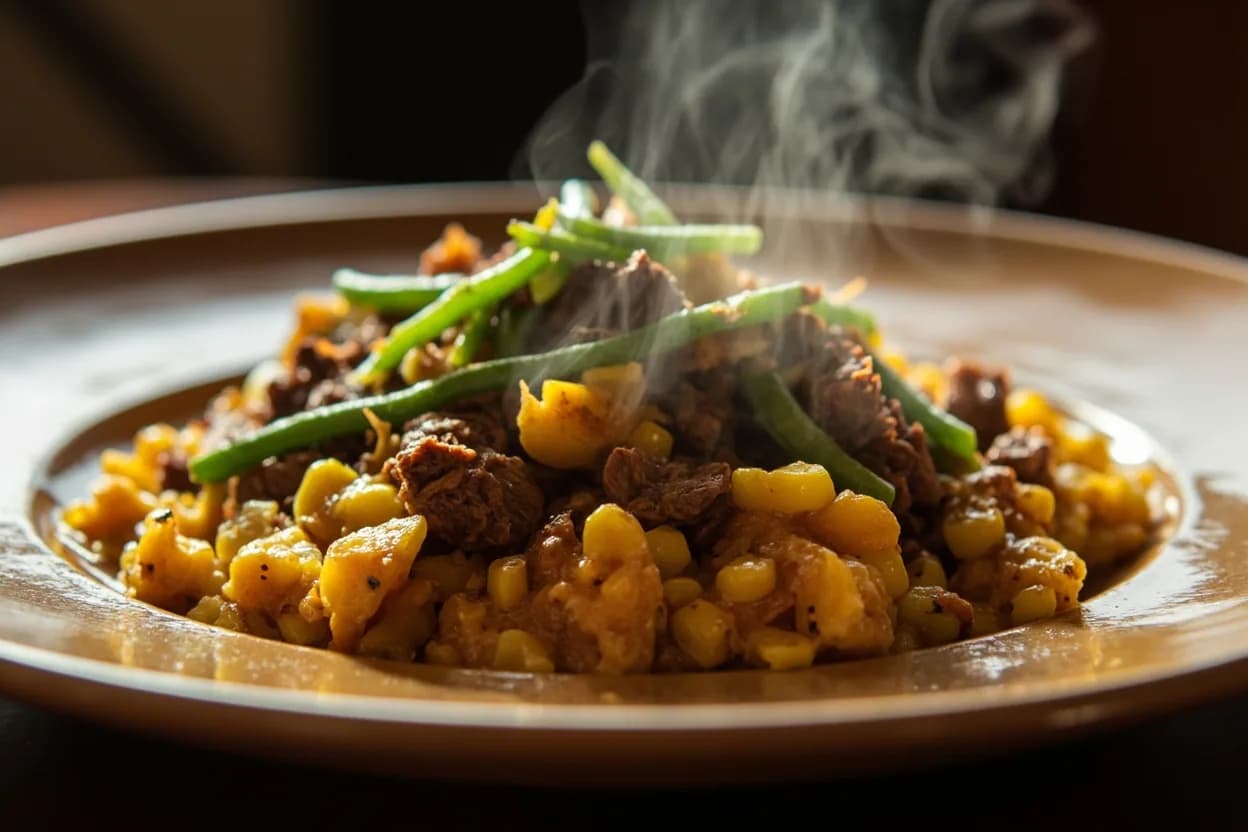
Appears in these dishes
Related

Egg
The kitchen's everything ingredient — bind, leaven, enrich, or fry

Chicken Breast
Lean, quick-cooking white meat for everyday dinners

Ground Beef
Versatile minced beef for burgers, ragù, tacos, and meatballs

Pork Loin
Lean, tender roasting cut that stays juicy with care

Salmon
Rich, rosy fish that roasts, grills, or cures beautifully

Egg White
Pure protein that whips to airy peaks for meringue and more

Egg Yolk
Rich, golden yolk for custards, mayonnaise, and pasta

Quail Egg
Tiny, speckled eggs for garnishing and elegant bites