South America
Novoandina
Also: Nueva cocina andina, New Andean cuisine, Novoandean
Peru's modernist culinary movement that reclaimed ancient Andean ingredients — native potatoes, quinoa, kiwicha — and reframed them as a sophisticated national cuisine.
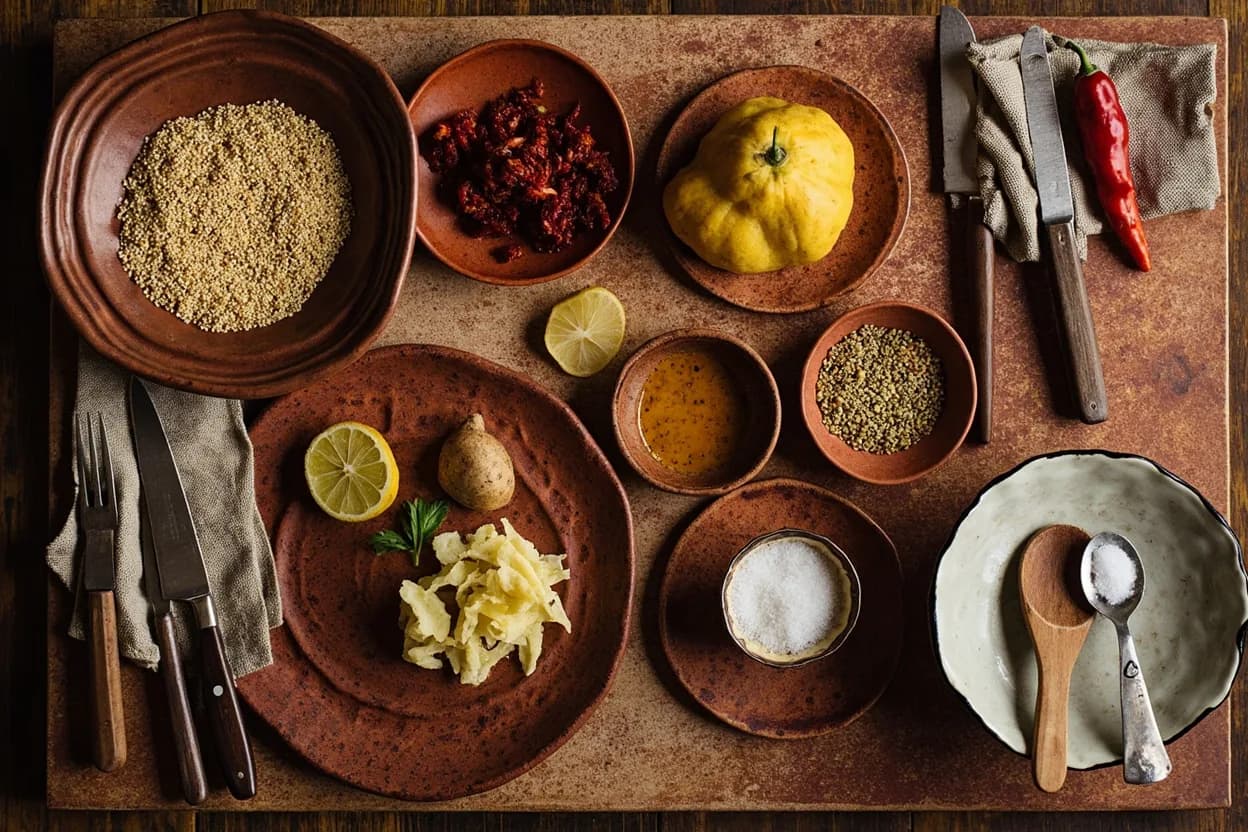
Novoandina is not a single regional tradition but a deliberate culinary movement that emerged in Lima and highland Peru in the 1980s–90s, spearheaded by chefs who argued that Peru's pre-Columbian pantry — suppressed by centuries of colonial preference for European ingredients — was the richest and most underexplored in the Americas. Novoandina cuisine applies contemporary technique to Andean staples: native potato varieties (more than 3,000 in Peru), pseudocereals (quinoa, kiwicha, cañihua), highland tubers (oca, olluco, mashua), chili varieties, and Andean herbs. It draws deliberately on Pre-Inca and Inca culinary memory while operating in a modern-restaurant register.
The flavour base
The grammar is built on Andean earthy sweetness (native potatoes, oca), mineral grain depth (quinoa, cañihua), and the layered heat of highland chilies (rocoto, mirasol, ají panca). Technique is modern — reductions, gels, precise temperature — but the ingredient soul is ancient.
Pantry staples
Key ingredients
Signature techniques
Signature dishes
Novoandina on the table
At the table
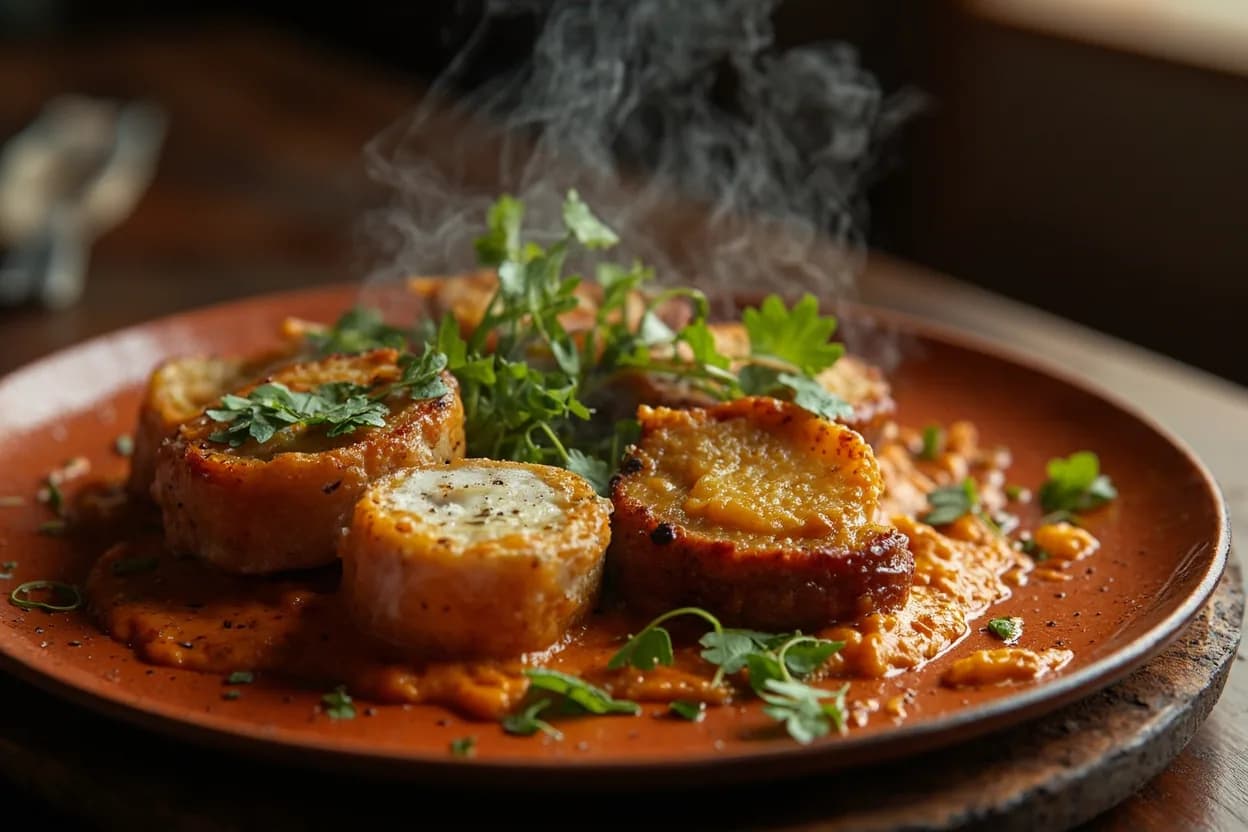
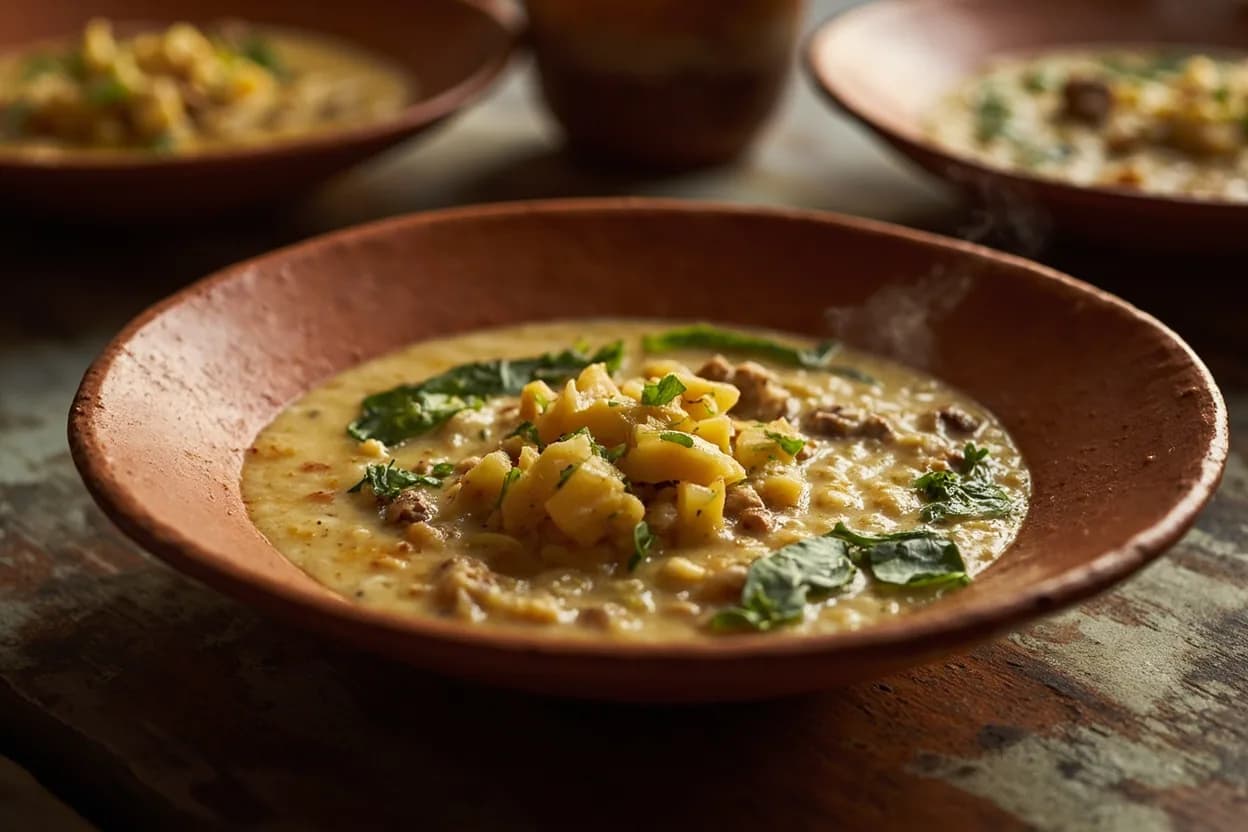
Novoandina dining is typically found in upscale restaurant contexts: tasting menus that narrate Peru's ecological zones from coast to Andes to jungle, or composed dishes presented with curatorial intent. At home and in less formal Andean settings, the same ingredients appear in hearty soups, stews, and grain bowls without the modernist framing.
History & context
The intellectual origin is credited to Bernardo Roca Rey, who articulated the Novoandina philosophy in writing and practice in Lima in the mid-1980s, arguing that Peruvian chefs had internalized a colonial hierarchy that marginalized their own best ingredients. Teresa Izquierdo, who cooked traditional Peruvian food without the modernist label, is recognized as a foundational figure. By the 2000s the movement merged with Gastón Acurio's broader campaign to internationalize Peruvian gastronomy; chefs like Virgilio Martínez (Central, Lima) pushed Novoandina into global fine-dining recognition, with Central's altitude-zoned tasting menus among the most discussed in contemporary gastronomy.
Regional variations
- Cusco / Andes highlands
Close to the ingredient source: restaurants near Cusco, like Mil (Virgilio Martínez's Andean outpost), cook literally on-site at altitude with hyperlocal endemic varieties.
- Arequipa
Arequipa has its own strong culinary identity (rocoto relleno, chupe de camarones); Novoandina in Arequipa tends to respect the traditional base and add refinement rather than deconstruct.
- Lima fine dining
The metropolitan expression is the most international: tasting menus, modernist technique, altitude-zoned narratives, and frequent collaboration with international chefs.
Related cuisines
The dominant Lima tradition that Novoandina consciously corrected — by arguing its colonial ingredient hierarchy had suppressed Andean richness.
Shares modernist Lima fine-dining space; Nikkei technique is sometimes applied to Andean ingredients in what critics call 'Nikkei-Andean' crossover.
- Bolivian
Bolivia shares the same Andean pantry (quinoa, chuño, native potatoes, cuy) and parallel culinary movements explore similar ingredient reclamation.
- New Nordic
Conceptual kinship: both movements involve fine-dining chefs foregrounding indigenous, marginalized, or overlooked regional ingredients with contemporary technique.
Canonical recipes
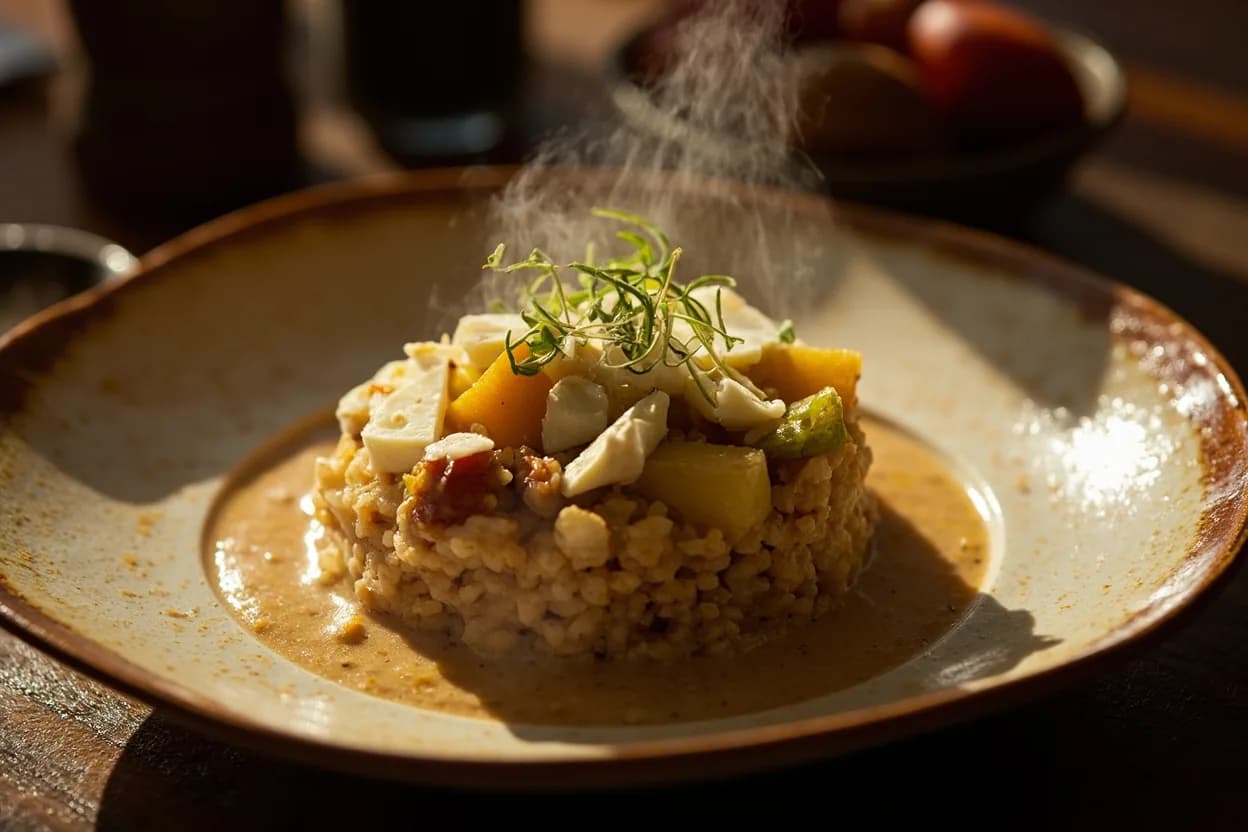
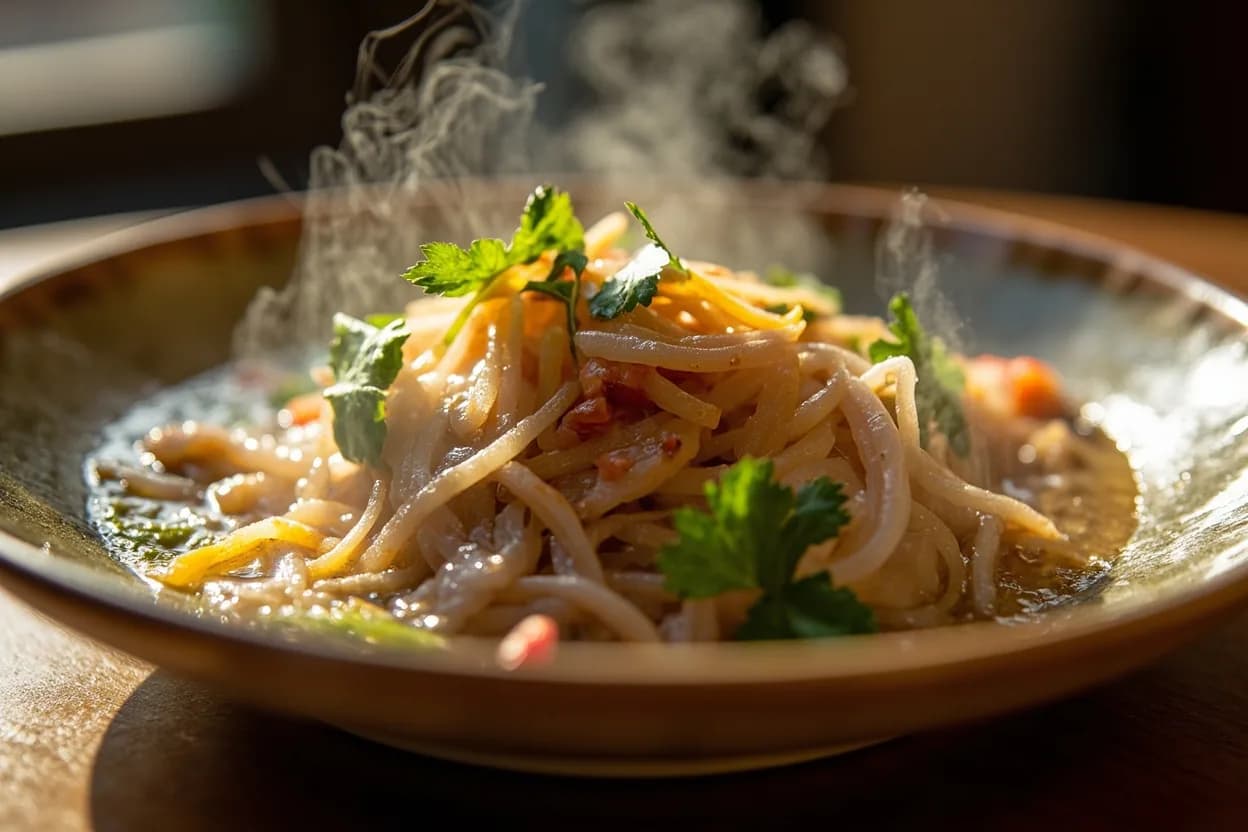
The dishes that define Novoandina, documented in the Canon.
References
- 1.Central — Virgilio Martínez (2016)
- 2.Perú: The Cookbook — Gastón Acurio (2015)
- 3.The Latin Road Home — José Garces (2012)
- 4.Culturas alimentarias andinas y Novoandina — Mariano Valderrama (1998)
Confidence: high
Notes
The native potato as political act
Peru cultivates more than 3,000 native potato varieties in the Andes — the world's greatest potato diversity. Spanish colonizers preferred smooth, starchy European-adapted varieties and the richest highland cultivars were largely ignored by Lima's creole restaurants until Novoandina chefs began actively sourcing and naming them on menus: Huamantanga, Peruanita, Huayro, Puka Qompis. Naming varieties on menus is a gesture toward biodiversity preservation and cultural recovery simultaneously.
Altitude as flavor variable
Virgilio Martínez's Central restaurant (Lima, ranked #1 World's 50 Best 2023) structures its tasting menu around altitude bands from -10m (ocean floor) to +4,100m (high Andes), making terroir-by-elevation the organizing principle of the meal. This dramatizes a genuine culinary reality: water boils at lower temperatures, starches hydrate differently, and fermentation rates shift at altitude — which means Andean cooking is technically distinct from sea-level cooking in ways that directly affect flavor.