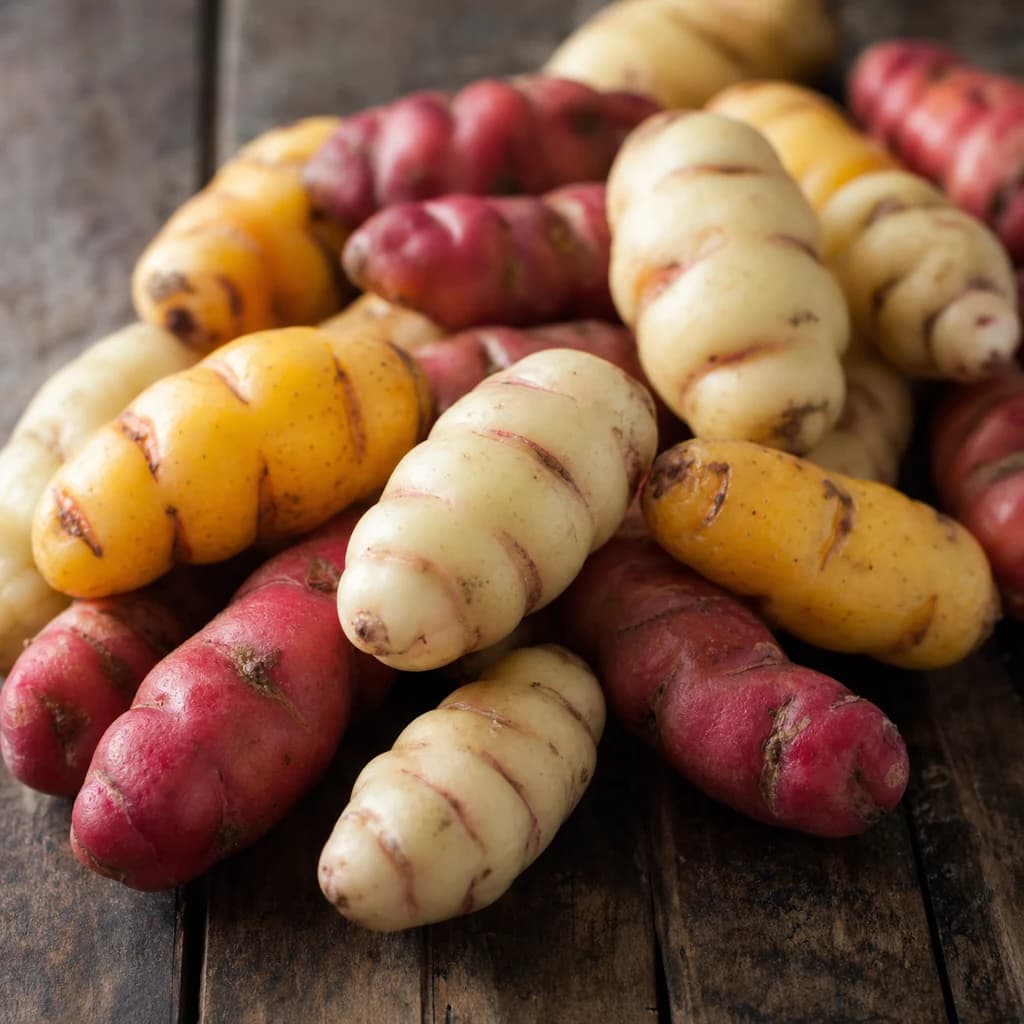
Natural form
Fresh oca tubers in their natural knobbly state, showing the vivid color range of Andean varieties.
Shows readers the distinctive knobbled surface texture and range of colors (yellow, orange, red, purple) that make oca immediately recognizable.
Produce
Oca
Andean tuber with crunchy, tangy flesh eaten roasted, boiled, or raw.
Oca is a knobbly Andean tuber, second only to the potato in the highlands of Peru and Bolivia. The colorful tubers have a crisp texture and a lemony tang when raw that mellows to sweet when cooked; they are boiled, roasted, or sun-dried. Leaving them in the sun increases their sweetness.
Oca (Oxalis tuberosa) is one of the Lost Crops of the Incas, a tuber domesticated in the Andean highlands of Peru and Bolivia long before European contact. Unlike potatoes, which it accompanies in traditional highland cultivation, oca has never achieved global prominence—yet it deserves wider recognition for its remarkable versatility and distinctive flavor. The tubers, typically 5–15 cm long, have firm, crisp flesh that behaves differently depending on preparation: raw slices deliver a bright, tangy crunch with a distinct citrusy character; cooking transforms the flesh into something creamy and starchy with caramelized, earthy sweetness when roasted. The plant produces 5–15 tubers per plant and comes in a striking array of skin colors—yellow, orange, pink, red, and purple—though the flesh ranges primarily from yellow to orange, with occasional pink or cream tones. Both the tubers and young leaves are edible, the latter prepared much like sorrel. Its moderate oxalic acid content gives oca that characteristic sour note, though traditional Andean processing (exposing harvested tubers to sunlight for several days to develop sweetness) significantly reduces this tartness.
- Measured in
- g
- Storage
- Pantry
Types & varieties
Most common commercial variety; bright yellow skin and flesh, mild sweetness when cooked
Pink to red skin with cream to yellow flesh; slightly more acidic raw than other varieties
Purple-skinned with purple-tinged flesh; more starchy with a nuttier, more complex flavor
Deep orange skin and flesh throughout; often the sweetest when roasted, mildest raw tartness
Paler varieties with white to cream flesh; mildest, most delicate flavor profile
Common uses
Tips & pitfalls
- Taste a small piece raw before committing to a preparation—flavor varies dramatically by variety and maturity, from mildly tangy to aggressively sour
- Do not peel unless the recipe requires it; a thorough scrub with a vegetable brush preserves nutrients and texture
- For roasting, toss whole or halved tubers with oil, salt, and aromatics, then roast at 200°C (400°F) for 30–40 minutes until caramelized and tender throughout
- When boiling, start in cold salted water and cook just until tender, 15–20 minutes; overcooking makes them watery and bland
- To reduce oxalic tang before cooking, blanch whole tubers in boiling water for 1–2 minutes, then drain and proceed with your recipe
- Store oca away from apples and pears—these fruits emit ethylene gas that causes sprouting in root vegetables
- If the raw flavor is too sour, seek out orange or yellow varieties; red varieties typically have the most pronounced acidity
- The leaves cook in only 2–3 minutes; add them to soups or sautéed dishes at the very end to prevent mushiness
- Do not confuse oca with yacon—yacon has apple-sweet flesh and is primarily eaten raw, while oca is more starchy and far more versatile cooked
Nutrition
Energy
494 kJ · per 100 g
Where the calories come from
Protein
1.5g
3% DV
Carbs
27.9g
10% DV
Fat
0.2g
0% DV
Fiber
4.1g
15% DV
Sugars
0.5g
of which
Sodium
9mg
0% DV
Source · USDA FoodData Central · approx. Yam, raw
View on FDC →In the shops
Matched grocery products
No matched grocery products for Oca yet.
Good to know
- Scientific Name
- Oxalis tuberosa
- Origin
- Andes mountains of Peru and Bolivia, cultivated since pre-Columbian times
- Primary Regions
- Peru, Bolivia, Ecuador, Colombia; New Zealand (called New Zealand yam)
- Harvest Season
- April–May in the southern hemisphere, after potatoes
- Flesh Color
- Yellow to orange; sometimes pink or cream
- Raw Flavor
- Tangy, citrusy, mildly sour from oxalic acid
- Cooked Flavor
- Sweeter, earthier; roasting caramelizes natural sugars
- Key Nutrients
- Good source of vitamin C and potassium
- Storage
- Cool, dark, dry place; keeps several months
- Oxalate Note
- Contains oxalic acid; moderate consumption advised for those prone to kidney stones
Substitutes
- Yacon — Milder, sweeter Andean tuber; works in salads and as a cooked side; significantly less tangy than oca
- Sunchoke (Jerusalem Artichoke) — Similar crunchy texture when raw, nutty flavor; comparable in salads and roasted preparations
- Sweet Potato — Best for roasted or mashed preparations; lacks oca's tang but delivers similar creamy cooked texture
- Fingerling Potato — Closest cooked substitute for boiled or roasted dishes; add lemon or lime juice to approximate oca's brightness
- Turnip — Similar peppery edge when raw; acceptable in salads; becomes sweet and mild when cooked
Pairs with
Also called
New Zealand Yam · Oca
Related
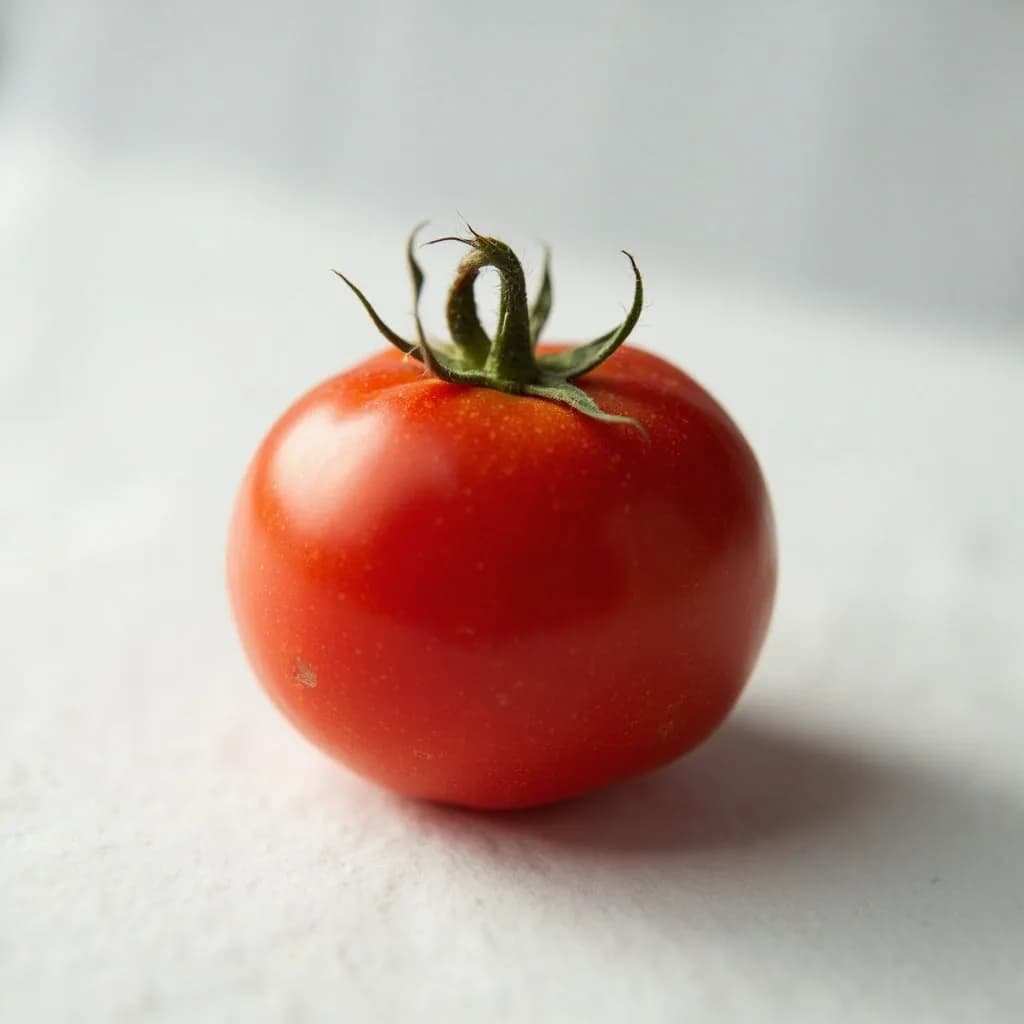
Tomato
Juicy, sun-sweet fruit for sauces, salads, and slow-cooked depth
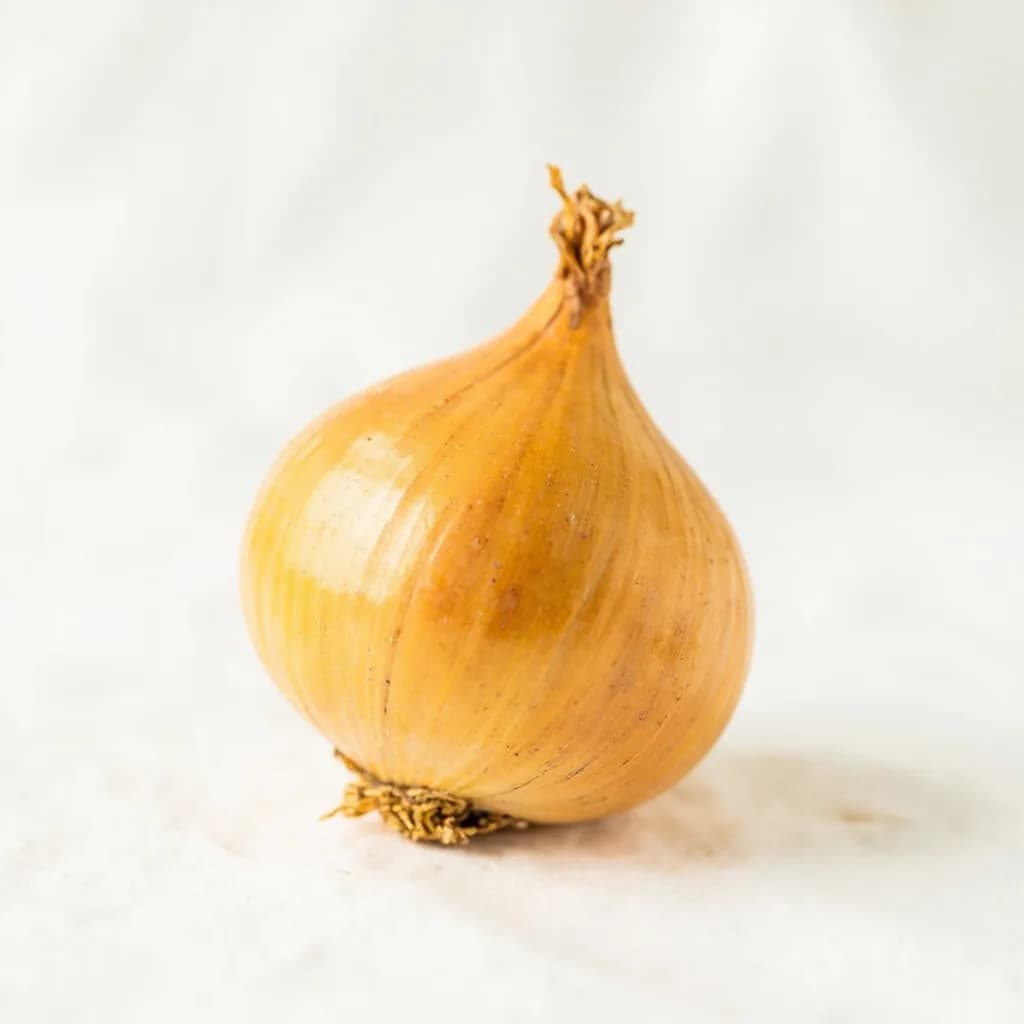
Yellow Onion
The aromatic backbone of soups, sofritos, and braises
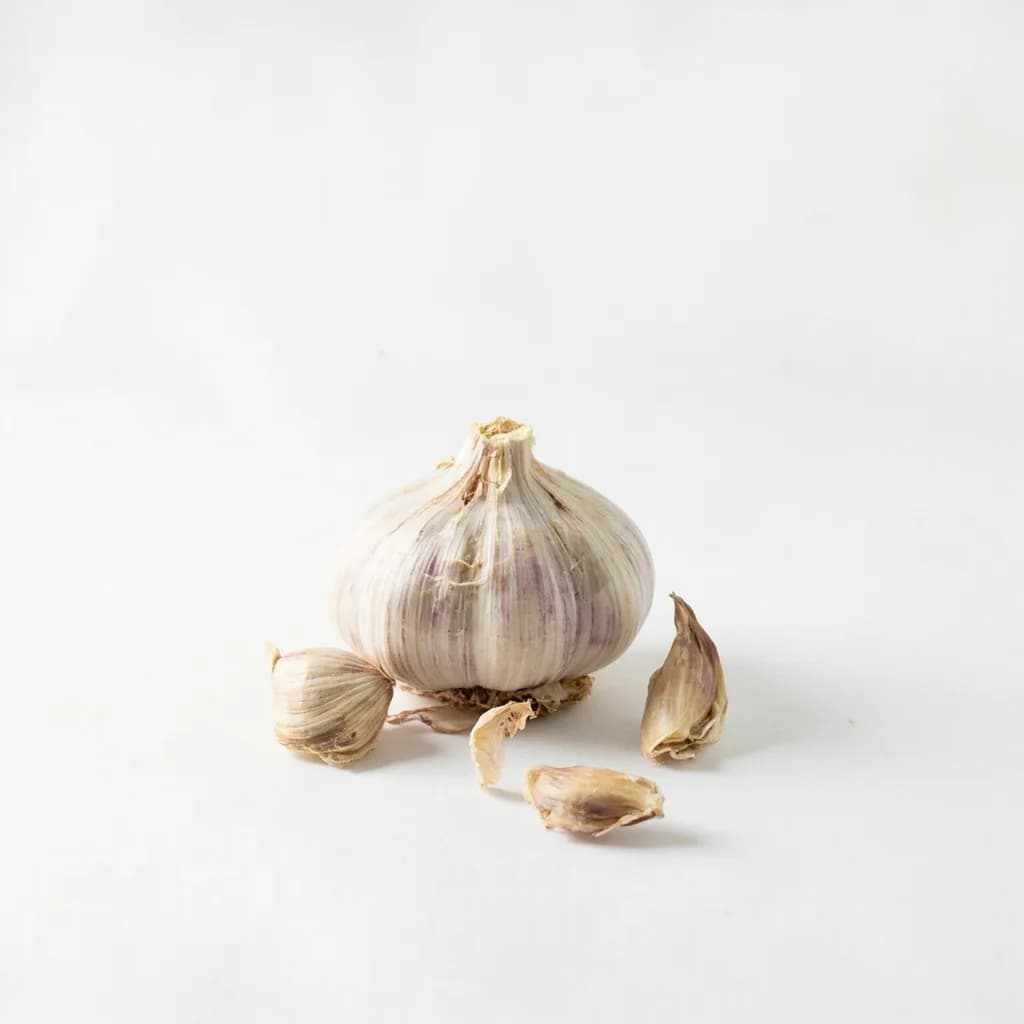
Garlic
Pungent cloves that perfume nearly every savory dish
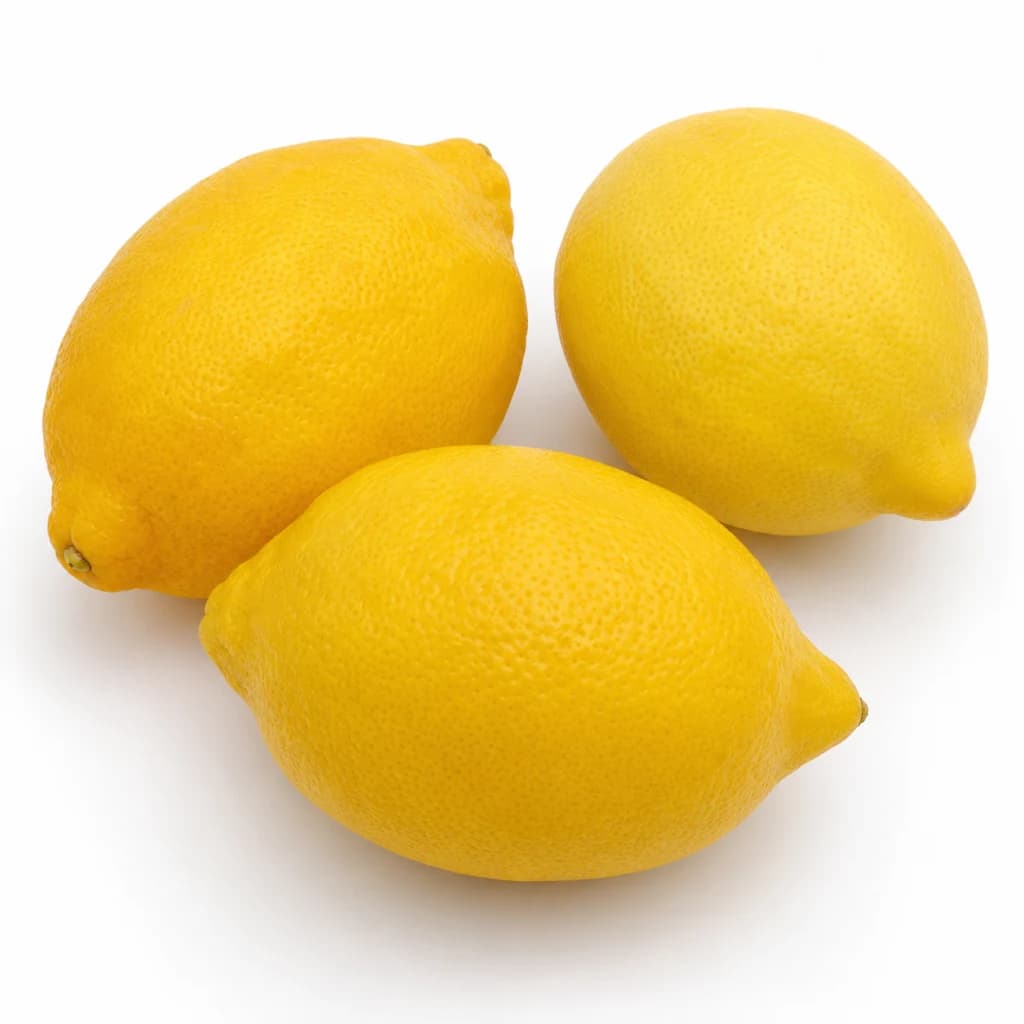
Lemon
Bright, acidic citrus that wakes up almost any dish
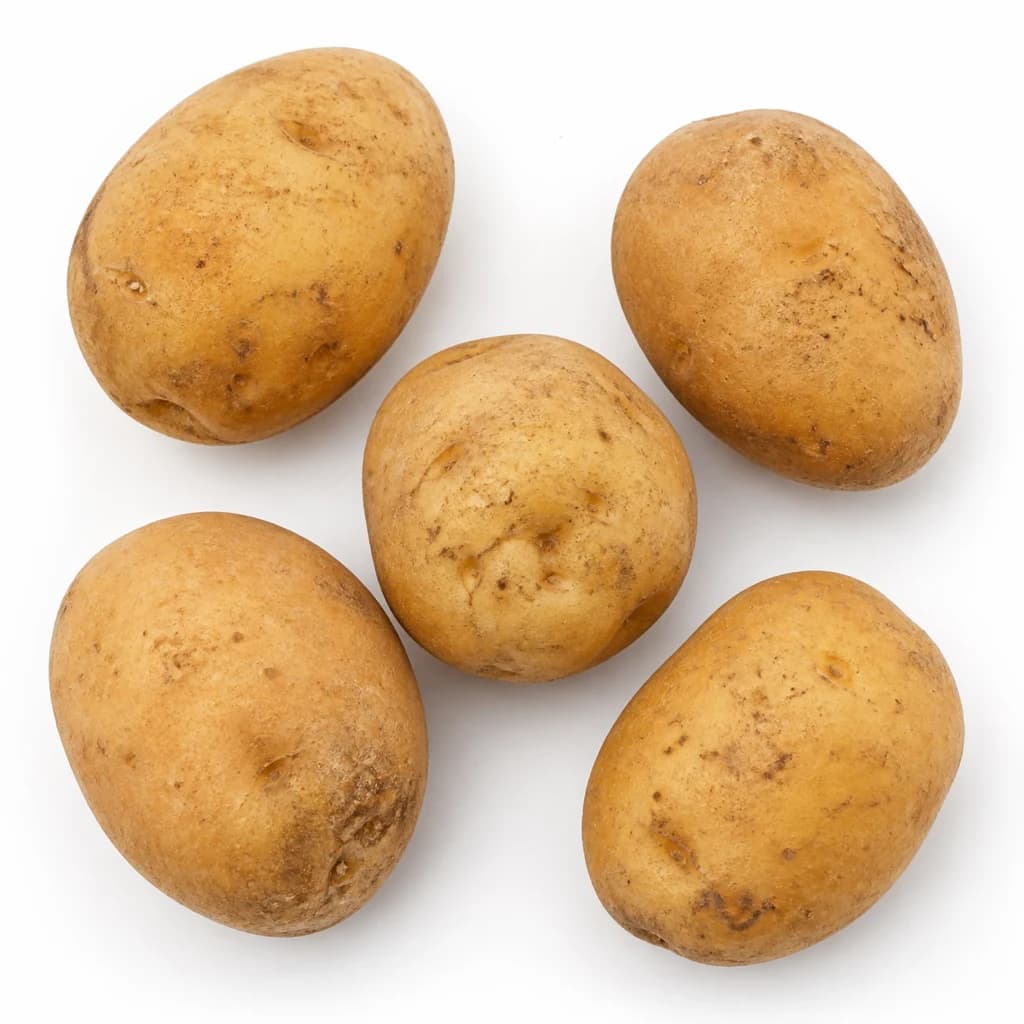
Potato
Humble, hearty staple — roast, mash, fry, or boil
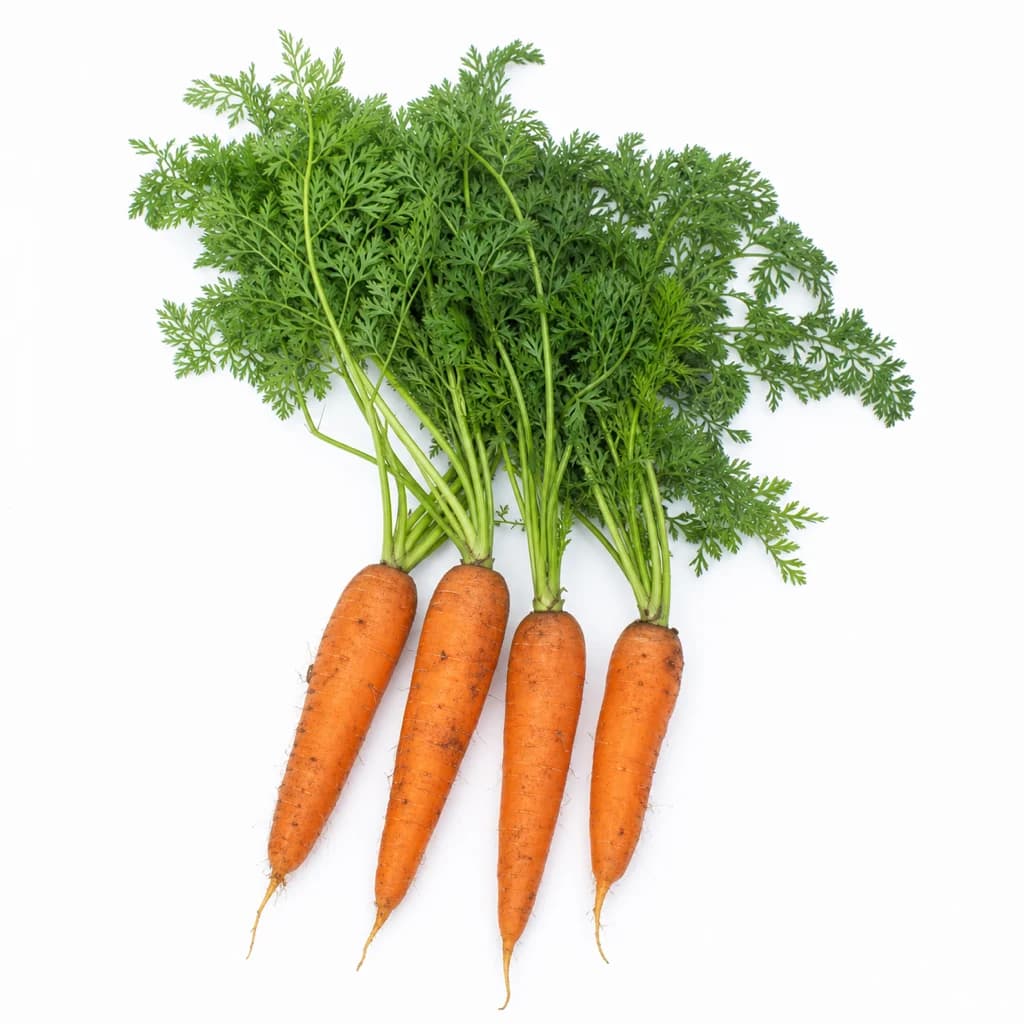
Carrot
Sweet, crunchy root — raw, roasted, or the base of a sofrito
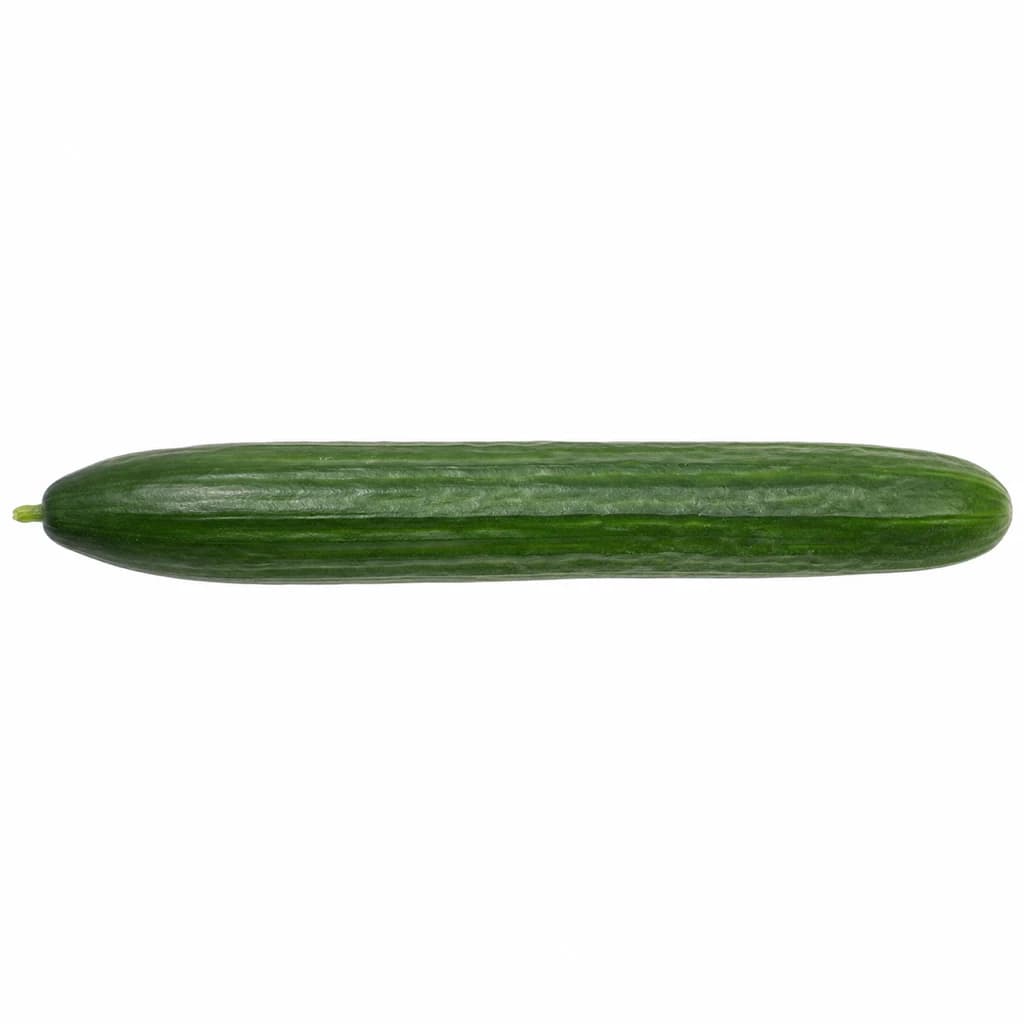
Cucumber
Cool, crisp, and watery — for salads, pickles, and tzatziki

Lettuce
Crisp leaves for salads, wraps, and a fresh crunch