South America
Nikkei (Peruvian-Japanese)
Also: Cocina Nikkei, Peruvian-Japanese cuisine, Nikkei cuisine
The vibrant fusion of Japanese precision and Peruvian boldness, born from a century of Japanese immigration to Peru.
Nikkei cuisine is the culinary tradition that emerged from Japanese immigrants (Nikkei) who settled in Peru from the late 19th century onward. Confronted with unfamiliar pantries, Japanese cooks integrated ají amarillo, ceviche technique, and Andean produce into their rice-and-fish sensibility. The result is a hybrid form that is genuinely its own — neither simply Japanese nor simply Peruvian — celebrated for its elegant raw-fish preparations, cross-cultural rice dishes, and the restrained intensity that defines both parent traditions.
The flavour base
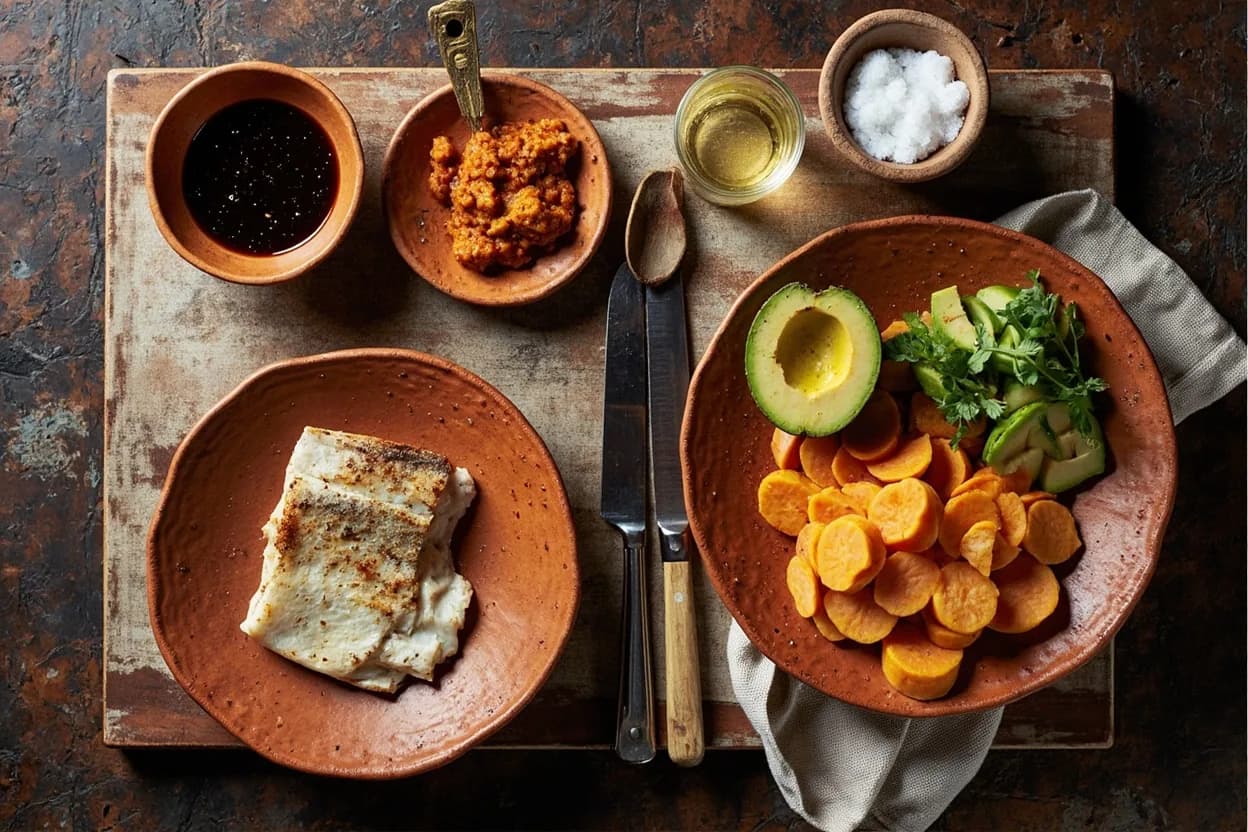
The flavor grammar bridges Japanese umami architecture (dashi, soy, mirin) with Peru's citrus-chili brightness (lime, ají amarillo, rocoto). Leche de tigre meets ponzu logic; miso absorbs ají panca; nori wraps causa.
Pantry staples
Key ingredients
Signature techniques
Signature dishes
Nikkei (Peruvian-Japanese) on the table

At the table
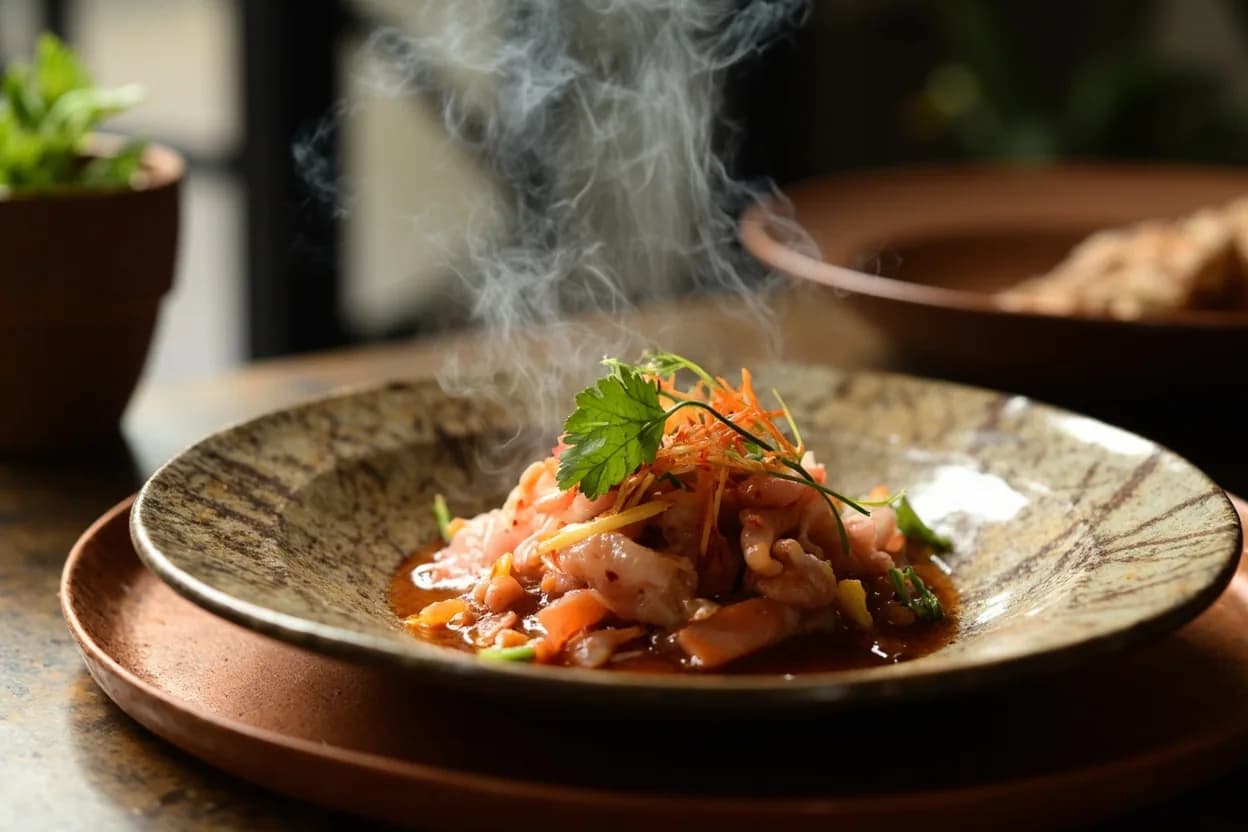
Nikkei dining follows a sharing-plate rhythm closer to Japanese kaiseki minimalism than Peruvian abundance: small, precise cold courses (tiradito, ceviche) lead into hot dishes; portions are jewel-sized and composed rather than generous and rustic.
History & context
Japanese emigration to Peru began formally in 1899 when 790 contract laborers arrived aboard the Sakura Maru. By the 1930s a sizeable Nikkei community had taken root in Lima, opening corner restaurants (chifas in the Japanese sense) and integrating Andean markets into their cooking. The cuisine was a private, domestic tradition until the 1980s–90s, when Peruvian haute-cuisine pioneers — most notably Nobu Matsuhisa, who cooked in Lima before opening his global empire — exposed its logic internationally. Gastón Acurio's championing of Peruvian diversity from the 2000s onward gave Nikkei its current fine-dining prestige.
Regional variations
- Lima (Miraflores / Barranco)
The metropolitan epicenter: refined restaurant Nikkei, kaiseki-influenced tasting menus, and the Maido school of hyper-precise technique.
- Pucallpa / Selva alta
Smaller Nikkei colonies integrated Amazonian fish (paiche, doncella) and jungle aromatics, producing a wilder, less refined expression.
Related cuisines
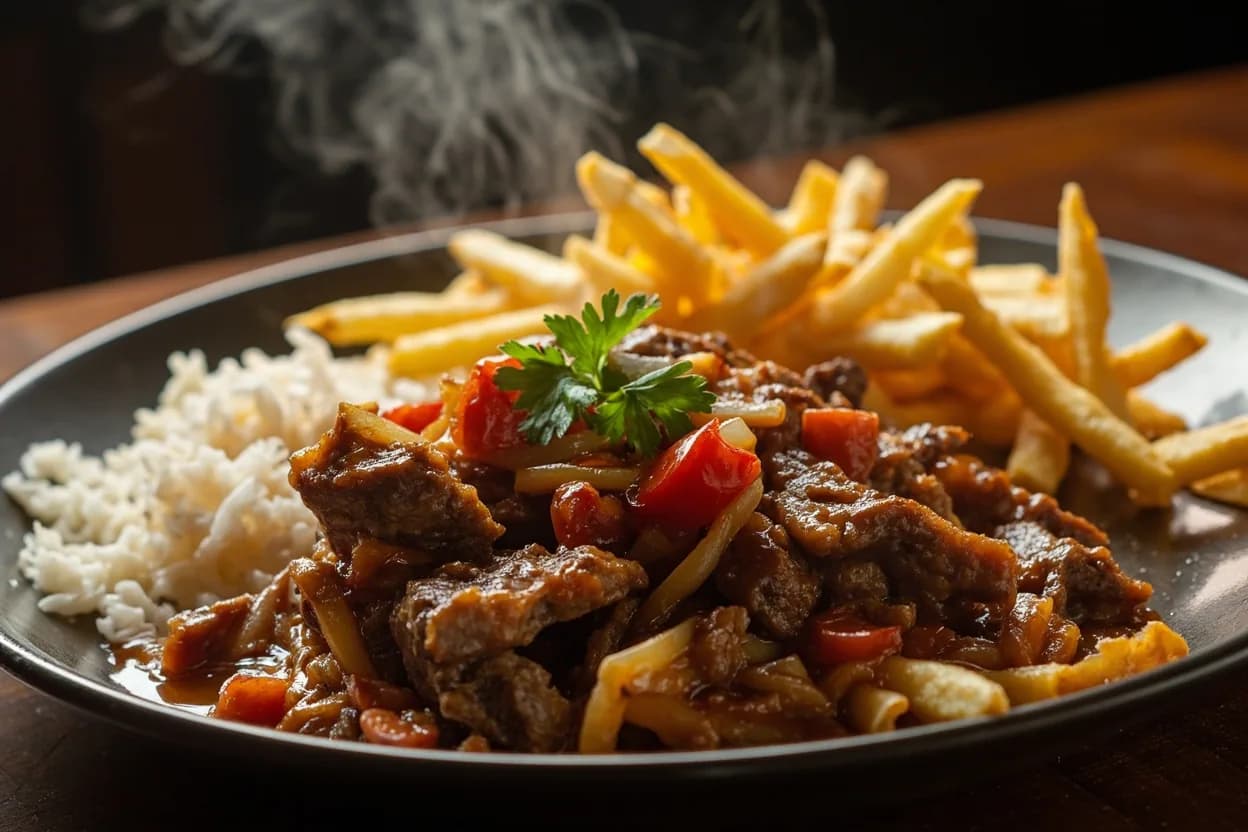
Peru's other major immigrant fusion; shares the lomo saltado lineage and Lima's cosmopolitan creole context.
Overlaps in its reclamation of Andean native ingredients, often drawing on Nikkei technique for raw preparations.
- Japanese
Parent tradition; knife discipline, rice culture, raw-fish philosophy, and dashi-based umami are the shared inheritance.
Host tradition that provided the ceviche frame, the ají vocabulary, and the seafood-centered meal logic that Nikkei cooks transformed.
Canonical recipes
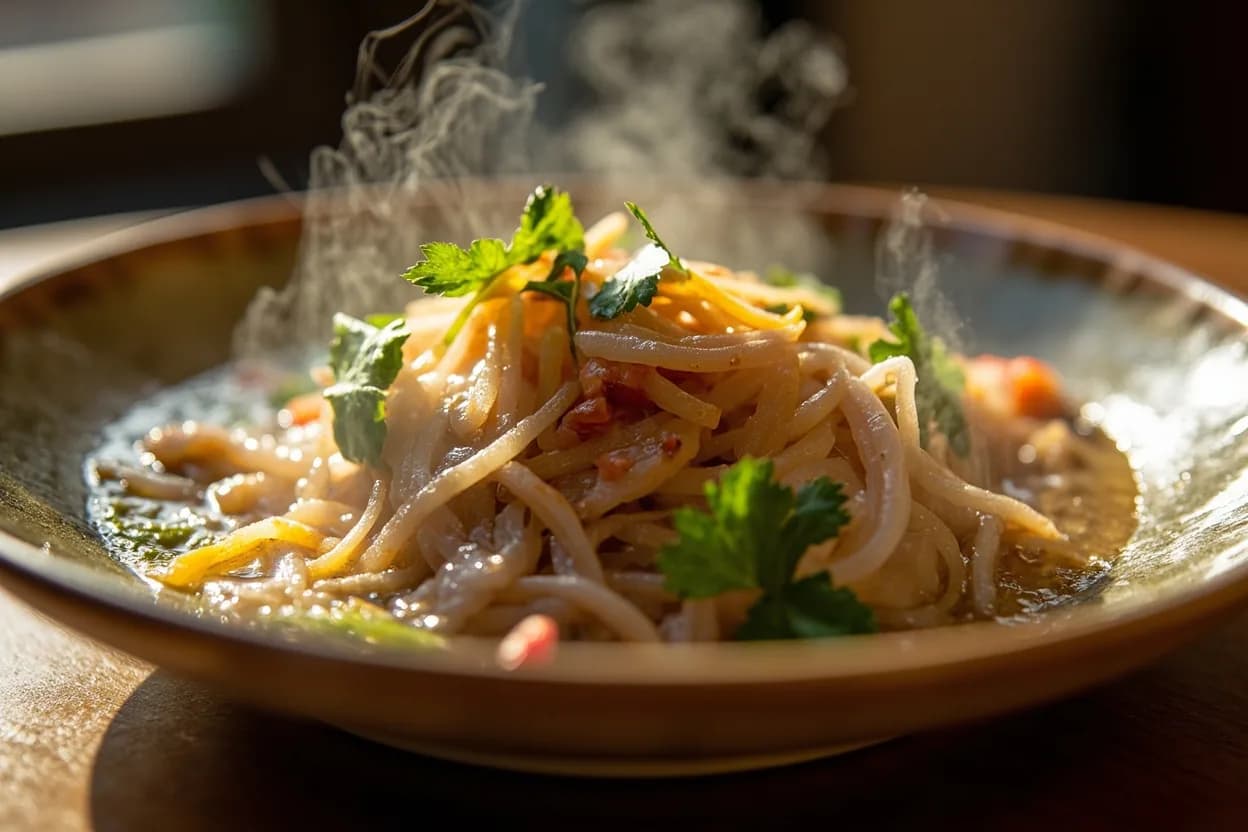
The dishes that define Nikkei (Peruvian-Japanese), documented in the Canon.
References
- 1.The World's Kitchen: Nikkei Cuisine — Mitsuharu Tsumura (Maido, Lima)
- 2.Nikkei: Japanese Food the South American Way — Luiz Hara (2016)
- 3.The Oxford Companion to Food — Alan Davidson (3rd ed., 2014)
- 4.Perú: The Cookbook — Gastón Acurio (2015)
Confidence: high
Notes
Tiradito vs. ceviche
The clearest Nikkei signature is the tiradito: fish sliced paper-thin (Japanese sashimi discipline), dressed in leche de tigre at the moment of service — no onion, no marinating time. Classic Peruvian ceviche is cubed, heavily citrus-marinated, and served with red onion and choclo. The tiradito form is the direct imprint of Japanese knife work on a Peruvian acid tradition.
Nobu Matsuhisa's Lima years
Before becoming a global restaurateur, Nobu Matsuhisa ran a small restaurant in Lima in the 1970s where he first began improvising with ají amarillo and local citrus. Many food historians credit this period as the crucible of the dishes — black cod with miso, tiradito-style preparations — that would define his later empire.