South America
Nikkei (Japanese-Peruvian)
Also: Cocina Nikkei, Japanese-Peruvian cuisine, Nikkei cuisine
The exquisite collision of Japanese precision and Peruvian biodiversity — a diaspora cuisine that gave the world tiradito and became one of the 21st century's most influential fusions.
Nikkei cuisine emerged from the lives of Japanese immigrants (Nikkei, meaning 'Japanese overseas') who arrived in Peru beginning in 1899. Forced to cook with what was available — ají amarillo instead of shichimi, leche de tigre instead of ponzu, ceviche fish instead of sashimi-grade imports — their descendants created a new kitchen logic: Japanese technique (knife work, raw-fish precision, umami layering) applied to Andean and Pacific ingredients. Nikkei is not a simple fusion; it is a coherent culinary philosophy where neither culture dominates and both are transformed.
The flavour base
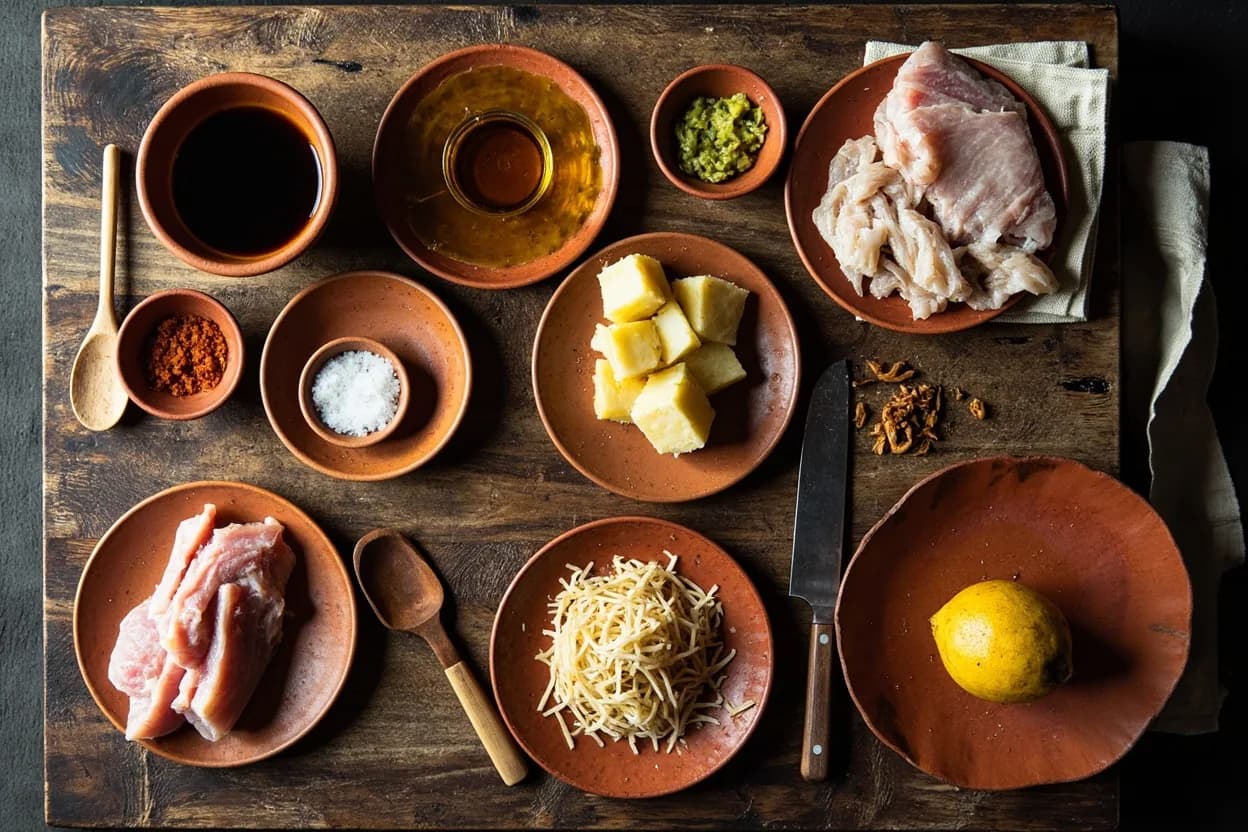
The foundational tension is between Japanese umami depth and Peruvian acid-heat. Soy sauce, mirin, and sesame meet ají amarillo paste, leche de tigre, and pisco. Miso is blended with rocoto; dashi is fortified with dried shrimp. The result is a flavor grammar that is simultaneously clean and complex, restrained and fiery.
Pantry staples
Key ingredients
Signature techniques
Signature dishes
Nikkei (Japanese-Peruvian) on the table
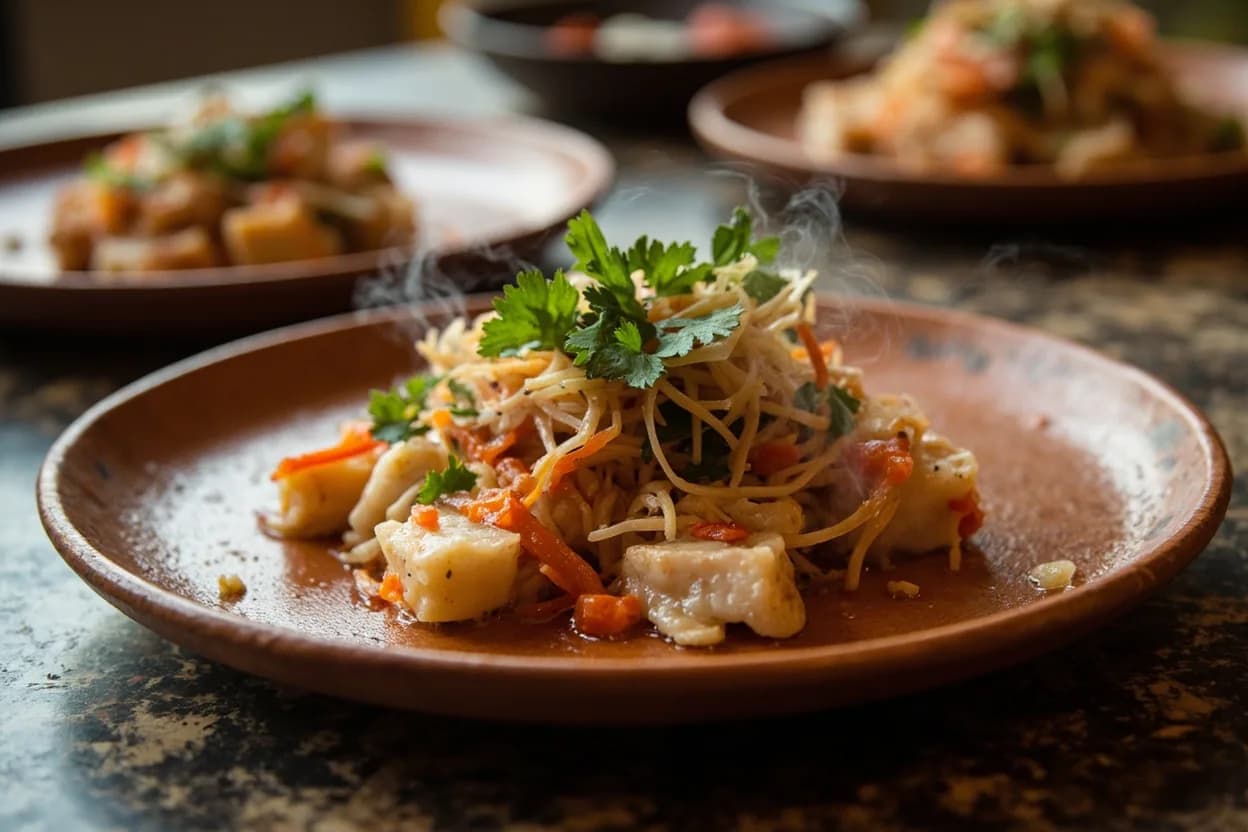
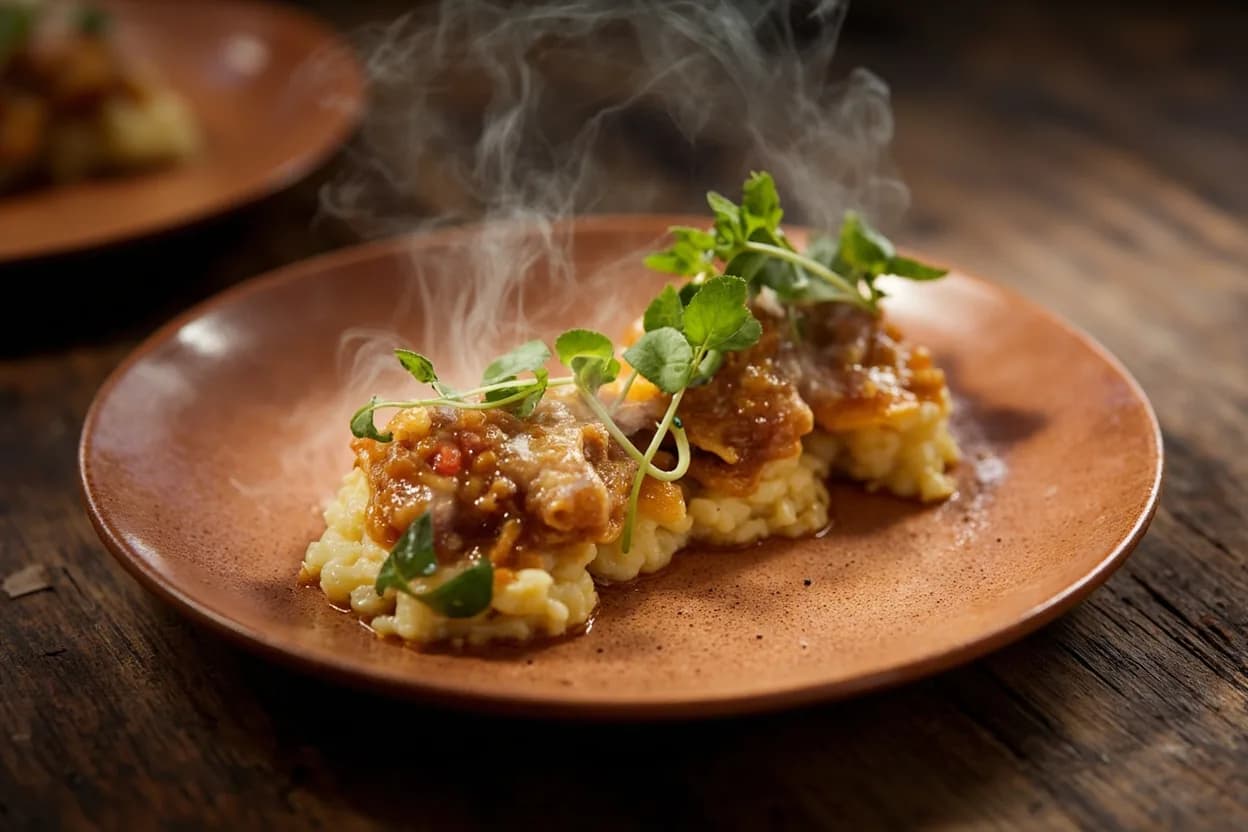
At the table
Nikkei restaurant meals typically follow a Peruvian progression — cold causas and tiraditos as entry, followed by hot dishes — but with Japanese attention to composed presentation and restraint in portion. Family Nikkei cooking is more practical: Japanese-style rice at the centre, Peruvian stews adapted with soy and mirin, occasional sushi for celebrations. Lima's top Nikkei restaurants (Maido, La Mar's nikkei menu) present tasting menus that mirror omakase pacing.
History & context
Japan and Peru signed a migration treaty in 1899; the first 790 Japanese labourers (gannenmono) arrived to work sugarcane plantations. By the 1920s, freed from plantation contracts, Nikkei families had opened restaurants in Lima, cooking hybrid food to survive commercially. The cuisine evolved quietly for decades, neither fully Japanese nor fully Peruvian. It gained global recognition when Lima's dining scene erupted in the 2000s: chef Nobuyuki 'Nobu' Matsuhisa had already exported a luxury Nikkei aesthetic worldwide, and Lima-based chef Mitsuharu 'Micha' Tsumura made Maido the explicit laboratory of the tradition. The UNESCO recognition of Peruvian cuisine in 2011 accelerated global interest in Nikkei as a distinct school.
Regional variations
- Lima (Urban Nikkei)
Centred in the Miraflores and San Isidro districts; restaurant-driven and internationally acclaimed, with chefs like Tsumura pushing the technique envelope.
- La Victoria / Barrios Altos (Working-Class Nikkei)
Everyday bodegas and small comedores run by Nikkei families serve unpretentious chifa-influenced nikkei (arroz chaufa, sillao-soy hybrids) — the cuisine's street-level reality.
- Trujillo / Northern Peru
Proximity to the sea and the sugarcane plantation origins means a heavier emphasis on seafood nikkei; ceviche and tiradito are more central than rice preparations.
- Nobu Global
Nobu Matsuhisa's restaurant empire distilled Nikkei into a luxury international format (miso black cod, yellowtail jalapeño), reshaping how the world encounters the tradition outside Peru.
Related cuisines
- Chifa (Chinese-Peruvian)
Parallel diaspora fusion — Chinese immigration to Peru produced chifa, which co-evolved with Nikkei and shares arroz chaufa as a common vocabulary.
- Peruvian
The foundational host cuisine providing ají peppers, citrus, tubers, and the sea; Nikkei is a subset that transforms these through Japanese technique.
- Japanese
Provides the technical foundation: knife craft, raw-fish handling, umami layering, and rice-centric meal logic.
Sister diaspora cuisine; same immigration wave of Nikkei to Latin America, different host country producing different results.
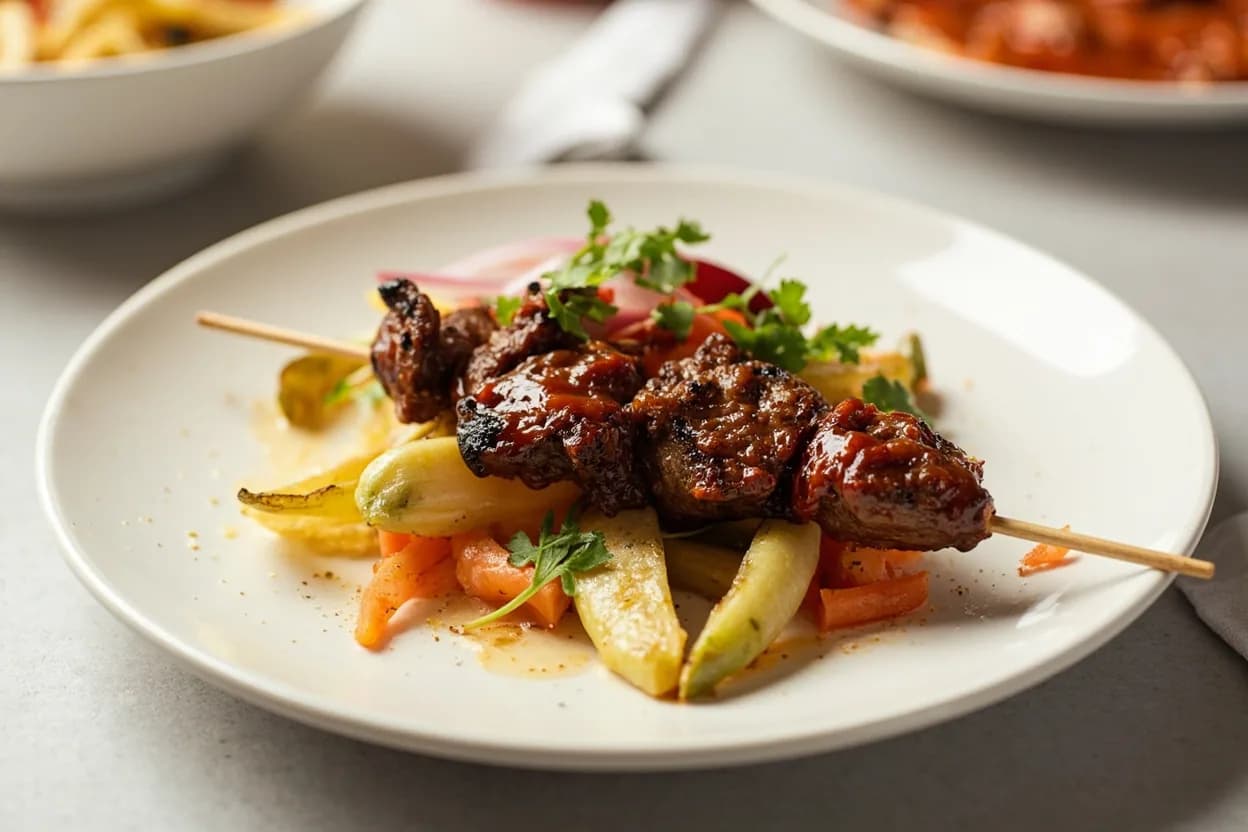
Canonical recipes
The dishes that define Nikkei (Japanese-Peruvian), documented in the Canon.
References
- 1.Nikkei Is Not Chifa: The Japanese-Peruvian Culinary Tradition — Daniela Zevallos
- 2.Nikkei Cuisine — Luiz Hara
- 3.The Art of Peruvian Cuisine Vol. II — Tony Custer
- 4.Maido: Mitsuharu Tsumura's Nikkei Kitchen — Mitsuharu Tsumura
Confidence: high
Notes
Tiradito vs. Ceviche
The clearest signature of Japanese influence is tiradito: raw fish sliced in Japanese sashimi fashion (thin, lengthwise), dressed in leche de tigre rather than tossed and 'cooked' by extended acid contact. No onion. The purity of the cut, the restraint of the sauce — these are Japanese instincts applied to a Peruvian ingredient landscape.
A Living Diaspora Cuisine
Unlike many fusion cuisines that are chef-created novelties, Nikkei has over 125 years of diaspora history. The 100,000+ Peruvians of Japanese descent form a community that still debates what 'authentic Nikkei' means — preserving tension between tradition and innovation that keeps the cuisine intellectually alive.