South America
Japanese-Brazilian (Nipo-Brasileiro)
Also: Nipo-Brasileiro, Japanese-Brazilian cuisine, culinária nipo-brasileira
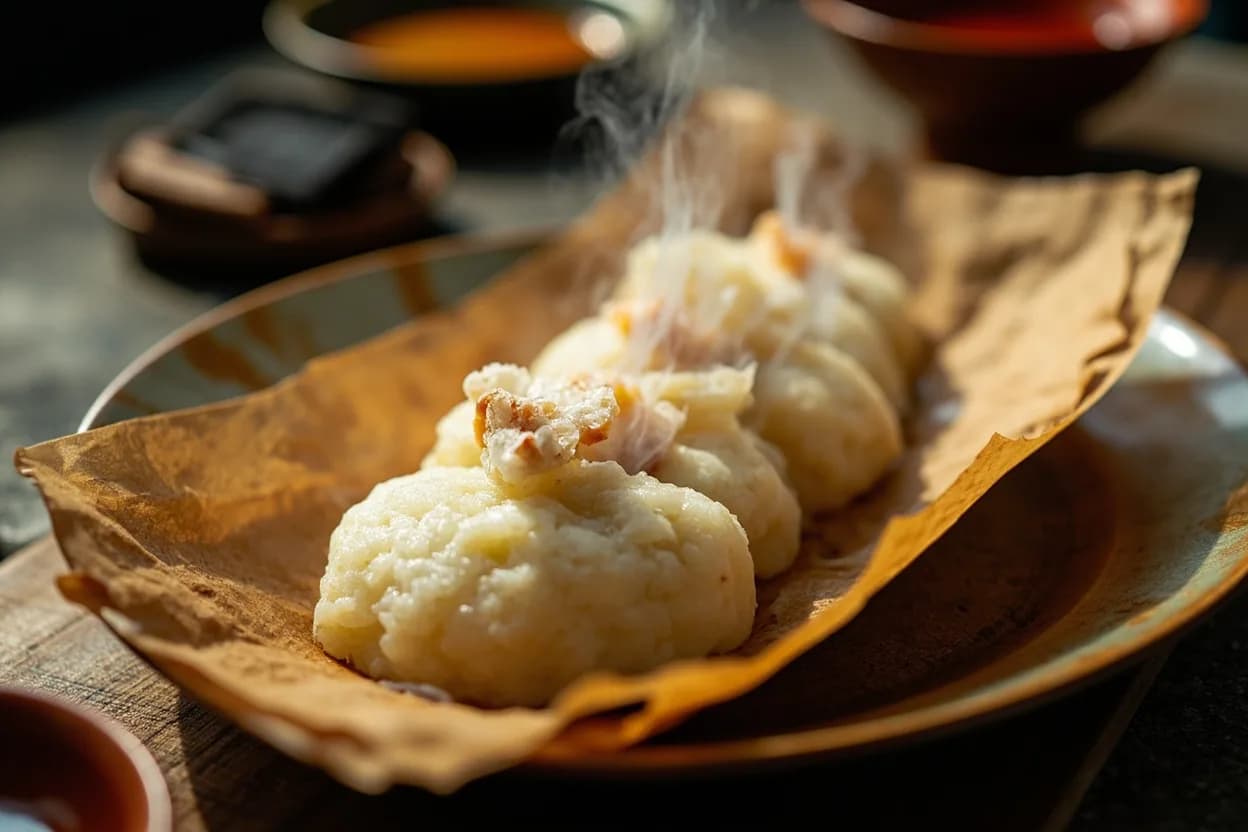
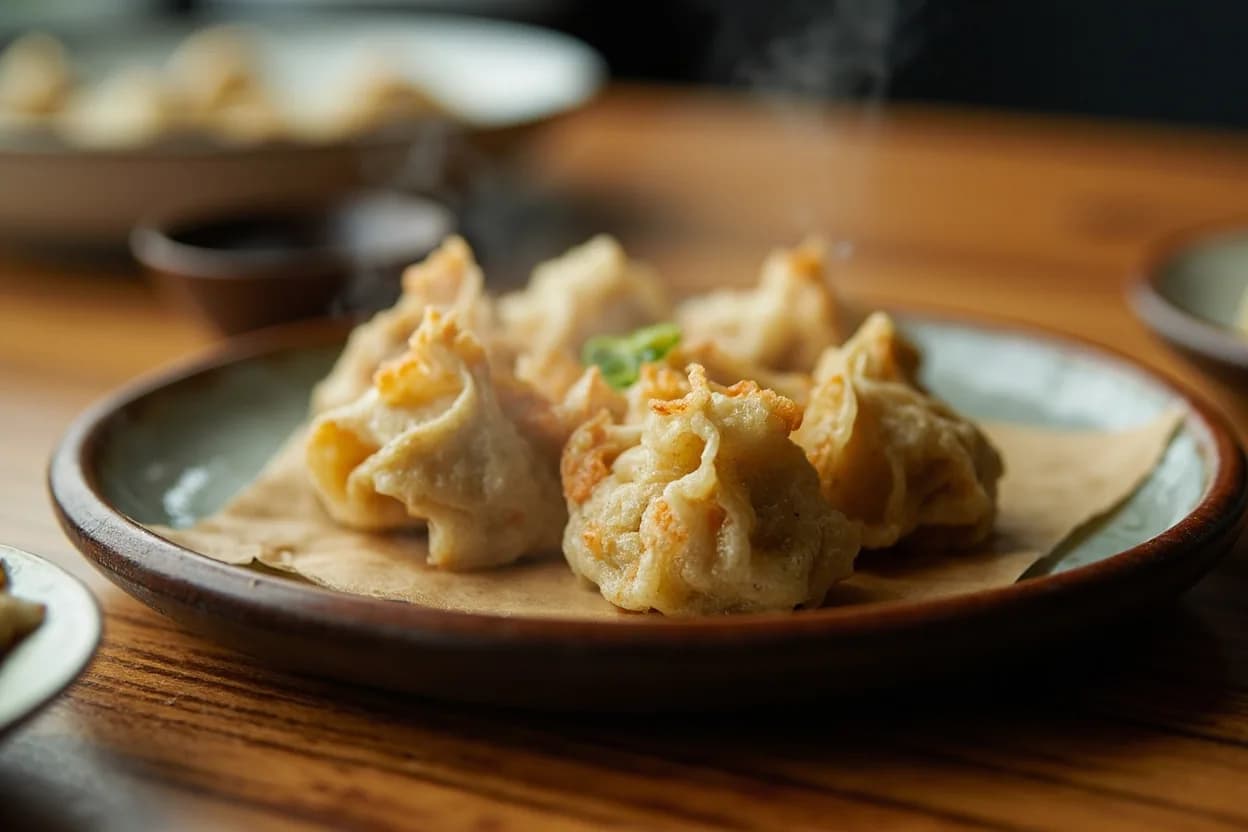
Brazil hosts the largest Japanese diaspora outside Japan, producing a fusion cuisine where temaki sushi, yakisoba com farinha, and mochi doce exist as authentically 'Brazilian' as feijoada.
Japanese-Brazilian cuisine is the food culture produced over 120 years by the Nikkei community of Brazil — now numbering roughly 1.5 million people, the largest Japanese diaspora in the world. Beginning with the adaptation of Japanese cooking to the tropical ingredients available to plantation workers in São Paulo state, this cuisine evolved into something neither fully Japanese nor fully Brazilian but distinctly its own. It is marked by bold hybridisation: Japanese techniques applied to Brazilian proteins and produce, Brazilian cooking methods absorbed into Japanese frameworks, and the invention of entirely new forms like the cone-temaki and the yakisoba de feira.
The flavour base
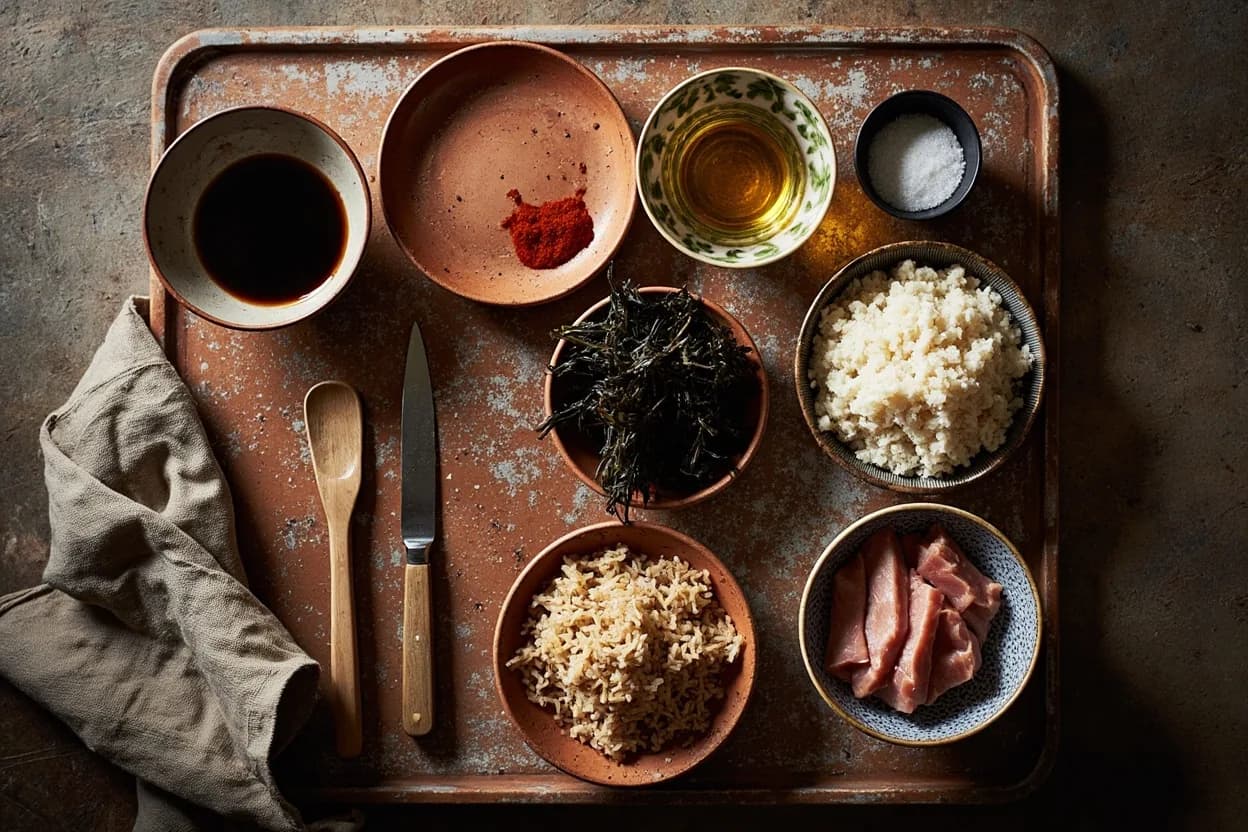
Shoyu (soy sauce) and dashi underpin Japanese-Brazilian cooking as they do standard Japanese, but dende oil, coconut milk, cachaça, and Brazilian-grown malagueta chilli appear as secondary modifiers. Tempero baiano spice blends occasionally infiltrate Japanese-derived dishes. The overall register is richer and more tropical than Japanese cuisine, leaning into Brazil's abundance of fruit, root vegetables, and grilled meats.
Pantry staples
Key ingredients
Signature techniques
Signature dishes
Japanese-Brazilian (Nipo-Brasileiro) on the table
At the table
In Japanese-Brazilian homes, a typical meal merges both traditions: Japanese short-grain rice is the constant, accompanied by either Japanese-style miso soup or Brazilian beans (sometimes both), grilled or teriyaki-glazed proteins, and a Brazilian-style salad or sunomono. Festive occasions feature temaki parties (temaki-zushi) where guests roll their own cones from arrayed fillings — a format that has crossed over into mainstream Brazilian party culture. Liberdade district restaurants in São Paulo serve both traditional Japanese and nipo-brasileiro hybrid menus side by side.
History & context
Japanese immigration to Brazil began in 1908 when the Kasato Maru arrived in Santos with 791 Japanese labourers recruited to work São Paulo's coffee fazendas under harsh contract conditions. Unable to import Japanese ingredients reliably, the first generation (Issei) substituted whatever was available: cassava for potato, palm sugar for mirin, local fish for familiar species. By the Nisei (second) generation, a hybrid cuisine had stabilised. The postwar decades saw Japanese-Brazilian food move from the kitchen into commercial food culture: Japanese supermarkets (like Mercado Municipal's Japanese wing), sushi bars in São Paulo, and yakisoba stalls at São Paulo's Festa do Japão. The cone temaki, now ubiquitous at Brazilian bars and beaches, was likely invented in São Paulo in the 1990s — a Brazilian innovation with no Japanese antecedent.
Regional variations
- São Paulo (Liberdade)
The heartland: Japan-town density of mochi shops, soba restaurants, ramen houses, and temaki bars; the most concentrated expression of nipo-brasileiro culture.
- Paraná (Londrina, Maringá)
Heavy Japanese agricultural settlement means a more conservative, less urbanised nipo-brasileiro table; tofu production, fermented soybean processing, and tea farming are local industries.
- Amazonas
Japanese settlers who reached the Amazon basin adapted to local river fish and tropical abundance; tacacá-influenced broths and pirarucú preparations exist in nipo-brasileiro contexts.
- Rio de Janeiro
Rio's nipo-brasileiro scene is beachside and botequisado — temaki cones sold at kiosks, casual karaage, and sushi adapted to the Rio taste for cream cheese and passion-fruit additions.
Related cuisines
- Japanese
The originating cuisine; technique and ingredient logic flow from Japan, modified by 120 years of Brazilian adaptation.
- Brazilian
The host cuisine whose proteins, tropical produce, and festive food culture permeate Japanese-Brazilian eating.
Parallel diaspora; the same early 20th-century emigration wave produced a very different cuisine in Peru, reflecting each host country's distinct ingredient landscape and culinary traditions.
- Chinese-Brazilian (Comida Chinesa Brasileira)
Another Asian diaspora cuisine present in Brazil, particularly in São Paulo's Liberdade district, which has historically housed both Chinese and Japanese communities.
Canonical recipes
The dishes that define Japanese-Brazilian (Nipo-Brasileiro), documented in the Canon.
References
- 1.Temaki e Outros Sabores Nipo-Brasileiros — Eliane Matsumoto
- 2.Nikkei Cuisine — Luiz Hara
- 3.Uma História da Imigração Japonesa no Brasil — Célia Sakurai
- 4.Brasil-Japan: A History of Japanese Immigration in Brazil — Brazilian Embassy Cultural Series
Confidence: high
Notes
The Temaki Phenomenon
The hand-rolled cone temaki is Brazil's single most original contribution to global Japanese food culture. Traditional Japanese temaki are eaten at omakase counters within seconds of rolling; Brazil turned them into a social food — party-format, generously filled with cream cheese and strawberry or catupiry and shrimp — sold at beachside kiosks and replicated across Latin America. A uniquely Brazilian invention.
Farinha as a Japanese Ingredient
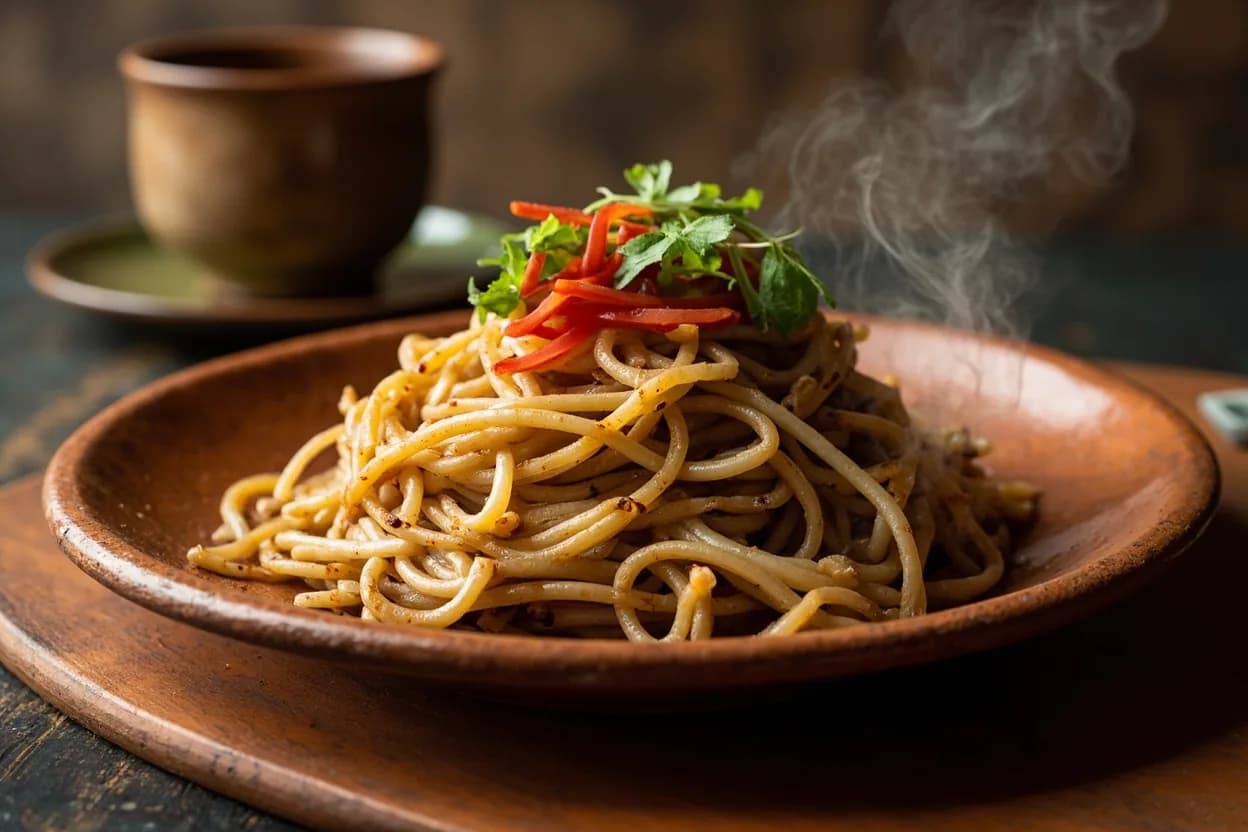
The signature quirk of yakisoba at Brazilian street fairs is the addition of farinha de mandioca (cassava toasting flour) tossed in at the end for texture. This integration of a quintessentially African-Brazilian pantry staple into a Japanese noodle dish is a clean symbol of how deeply the two food cultures have merged.