Varieties
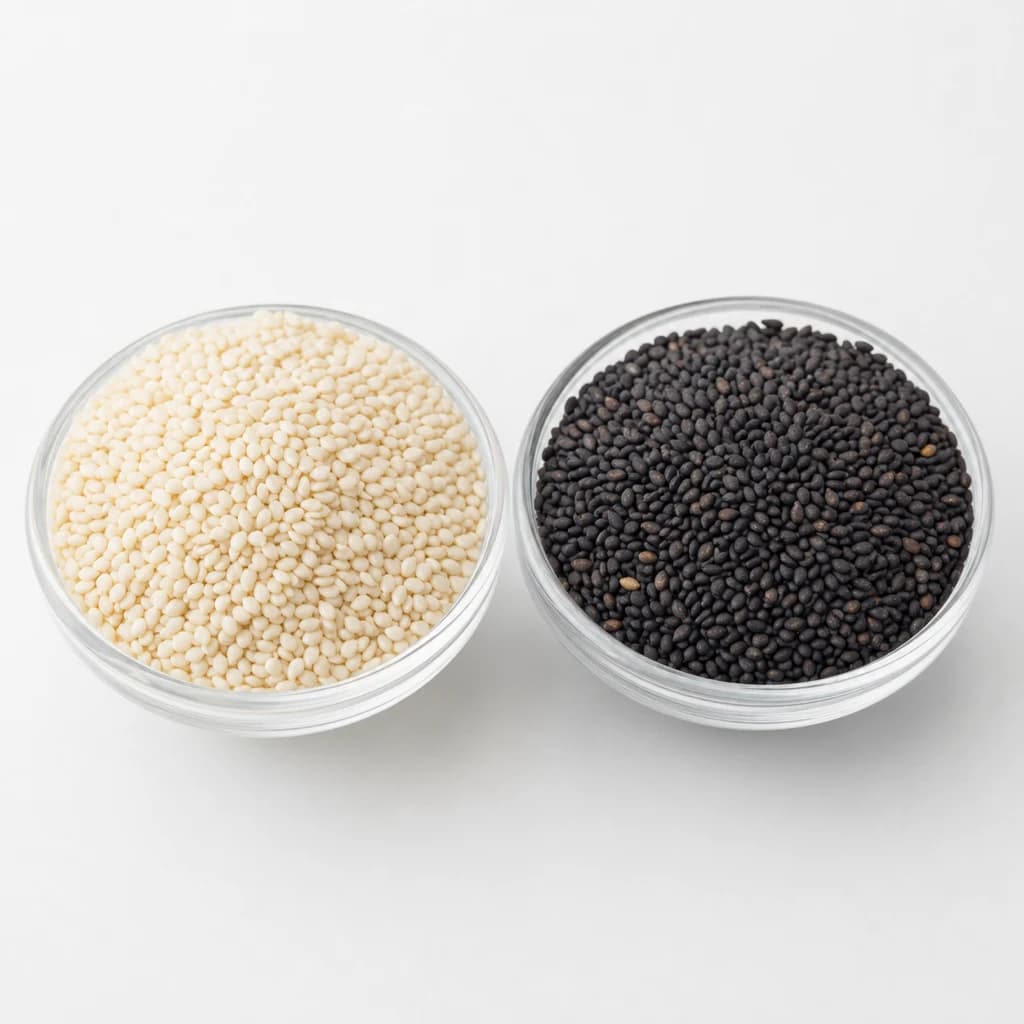
White and black sesame seeds side by side — two common forms at a glance.
Showing both color varieties in one scene teaches readers to recognize either type they encounter.
Seeds
Sesame Seed
Tiny, toasty seeds for sprinkling, crusting, and tahini
Nutty and aromatic when toasted, sesame seeds crust a bun, finish a stir-fry, and grind into tahini. White and black both bring crunch and color. Keep them airtight.
Sesame seeds are tiny, flat, oval seeds from one of the oldest oilseed crops in cultivation, and one of the most globally indispensable — toasted and scattered, ground into tahini and halva, pressed into fragrant oil, or pressed into the surface of a burger bun. Raw, they're mild and almost grassy; toasted, they bloom into a deeply nutty, aromatic richness that defines flavors from Middle Eastern hummus to Japanese gomashio to a Chinese sesame-coated dessert. They come in several colors — pale (hulled white), beige (natural), and black (unhulled, with an earthier, more bitter intensity) — used as much for visual contrast as for taste. Their oils make them prone to rancidity, so toasting fresh and storing cool keeps them at their best. Note: sesame is now a recognized major allergen.
- Measured in
- g
- Storage
- Airtight
Allergens
Find it in
Types & varieties
Pale, mild, slightly sweet — for tahini, baking, and garnish.
Beige, with the hull on — nuttier and higher in calcium.
Unhulled, earthier and faintly bitter; striking color for garnish and desserts.
Ground hulled sesame paste — the base of hummus and halva.
Unhulled black sesame with a deeper, nuttier, slightly bitter flavor than white; toasted for furikake and crusts, or ground into a dark paste for sweets.
How to toast
Toasting is everything with sesame — it converts a mild seed into an intensely nutty, fragrant one. They're tiny and burn fast, so toast over moderate heat and never stop stirring.
- Toast in a dry pan over medium, stirring constantly, 2–4 min
- Pull them off the heat the moment they turn golden and smell nutty
- Tip onto a cool plate immediately so they don't keep cooking
- Grind toasted seeds with salt for gomashio, or into tahini
How to use & store
Sesame seeds garnish, coat, and grind into pastes that anchor whole cuisines. Their oils mean they spoil, so keep them cool — and remember sesame is a top allergen.
- Sprinkle toasted seeds over noodles, salads, rice, and breads
- Coat bread, bagels, and proteins before baking or searing
- Grind into tahini for hummus, dressings, and halva
- Store airtight and cool; refrigerate or freeze for long keeping — and label as an allergen
Common uses
Tips & pitfalls
- Stir constantly while toasting — sesame seeds are tiny and scorch in seconds.
- Toast before grinding into tahini for a far nuttier, richer paste.
- Use black sesame for dramatic color and a deeper, slightly bitter flavor.
- Refrigerate or freeze; their oils turn rancid faster than you'd expect.
- Label clearly — sesame is now recognized as a major allergen.
Nutrition
Energy
2452 kJ · per 100 g
Where the calories come from
Protein
18.1g
36% DV
Carbs
24.1g
9% DV
Fat
50.9g
65% DV
Fiber
5.5g
20% DV
Sodium
12mg
1% DV
Source · USDA FoodData Central · Seeds, sesame butter, paste
View on FDC →In the shops
Matched grocery products
 €1.50
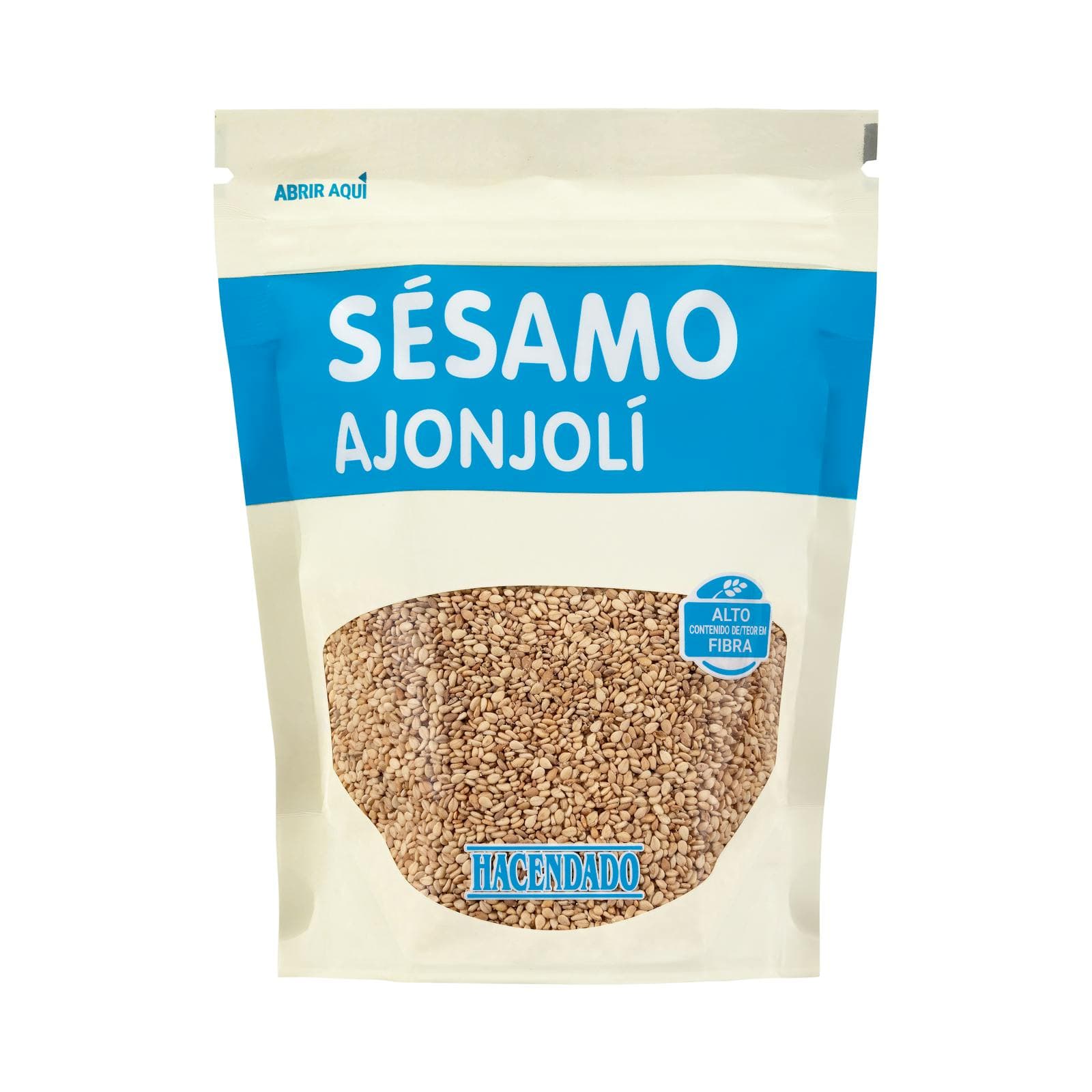
€1.50Toasted Sesame Seeds
Hacendado · 150 g · Mercadona
 €1.95
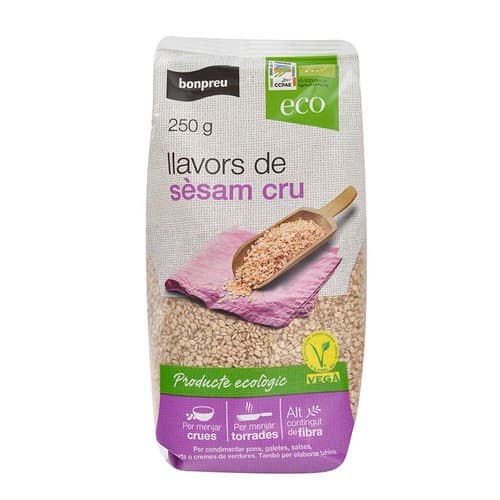
€1.95Organic Raw Sesame Seeds
BONPREU · kg · Bonpreu
 €2.55
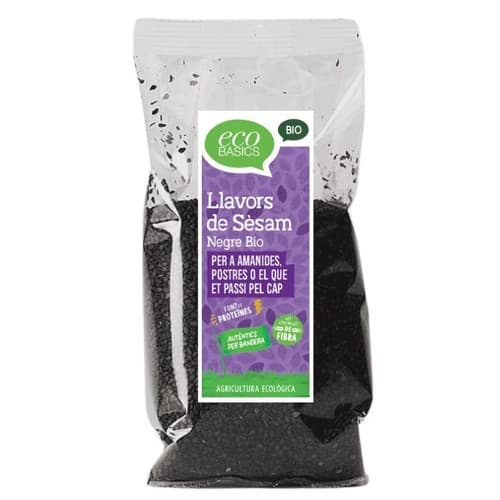
€2.55Organic Black Sesame Seeds
ECOBASICS · kg · Bonpreu
 €2.75
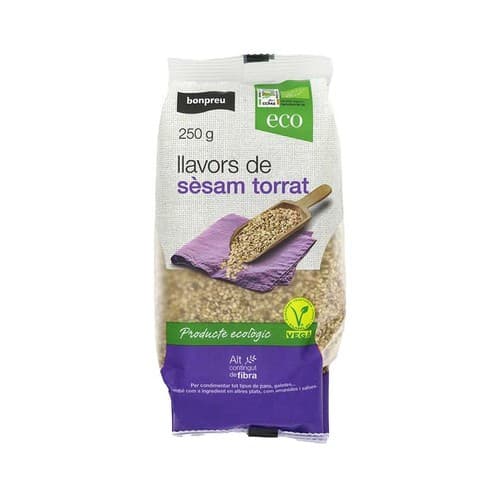
€2.75Organic Roasted Sesame Seeds
BONPREU · kg · Bonpreu
 €1.99
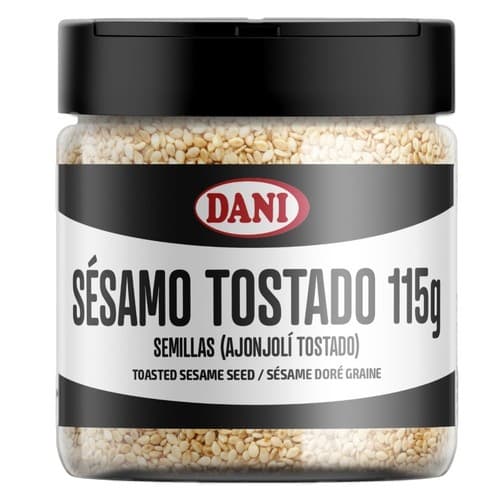
€1.99Toasted Sesame
DANI · kg · Bonpreu
Good to know
- Flavor & texture
- Mild raw, deeply nutty and aromatic toasted; tiny crunch
- How to toast
- Dry pan over medium, stirring constantly, 2–4 min until golden and fragrant
- Grind?
- Grind toasted seeds for tahini, gomashio, or sesame paste
- Nutrition
- ~573 kcal/100g; ~18g protein, ~12g fiber; rich in calcium, iron & copper
- How to store
- Airtight, cool, dark a few months; refrigerate or freeze to slow rancidity (a major allergen — label clearly)
Substitutes
- Tahini for seeds — Use the paste when you want sesame flavor without the crunch.
- Poppy seeds — A similar tiny-seed garnish and crunch (different flavor).
- Sunflower seeds — A nuttier, allergy-friendlier topping (loses the sesame aroma).
Also called
sesame seeds · semilla de sésamo · ajonjolí · sèsam · llavors de sèsam
Appears in these dishes
Related

Chia Seed
Tiny seeds that gel into puddings and boost smoothies

Flax Seed
Nutty seeds for baking, smoothies, and an egg substitute
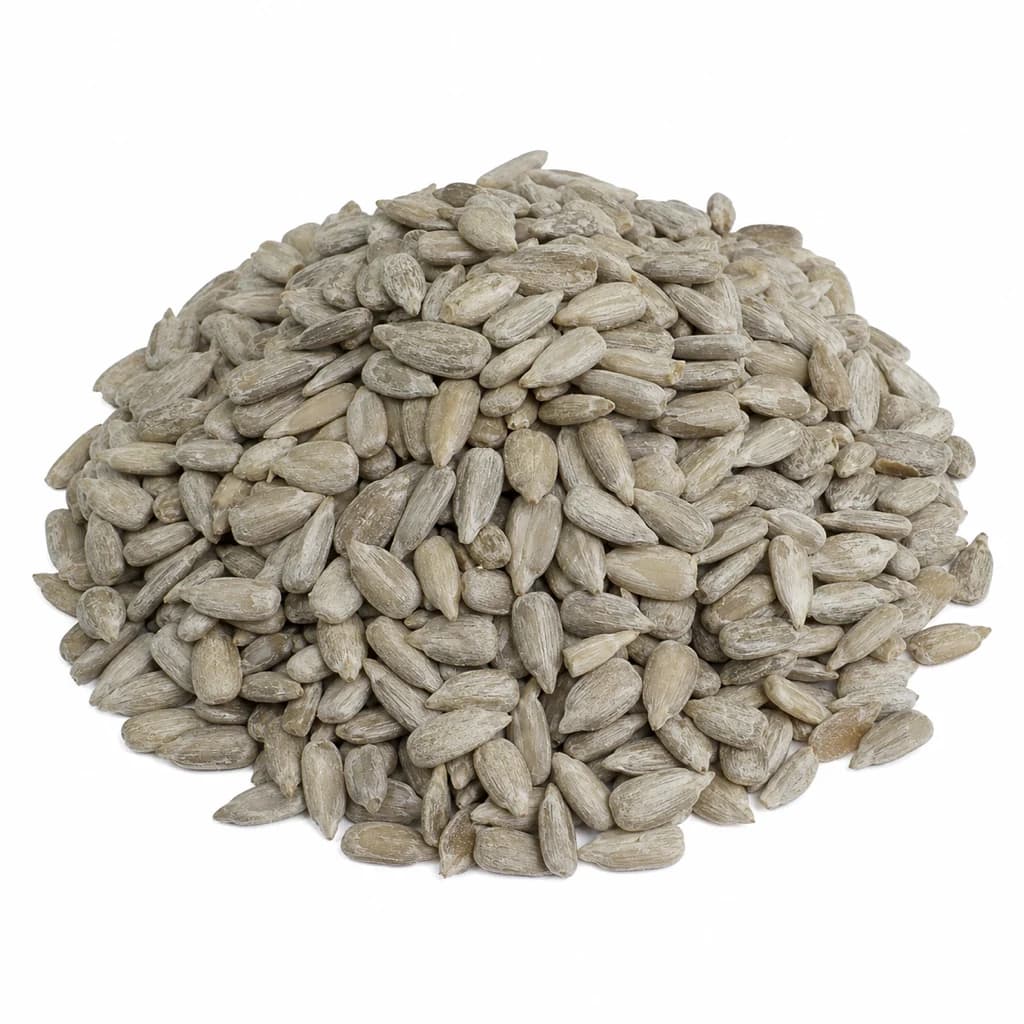
Sunflower Seed
Crunchy, mild seeds for snacking, salads, and baking
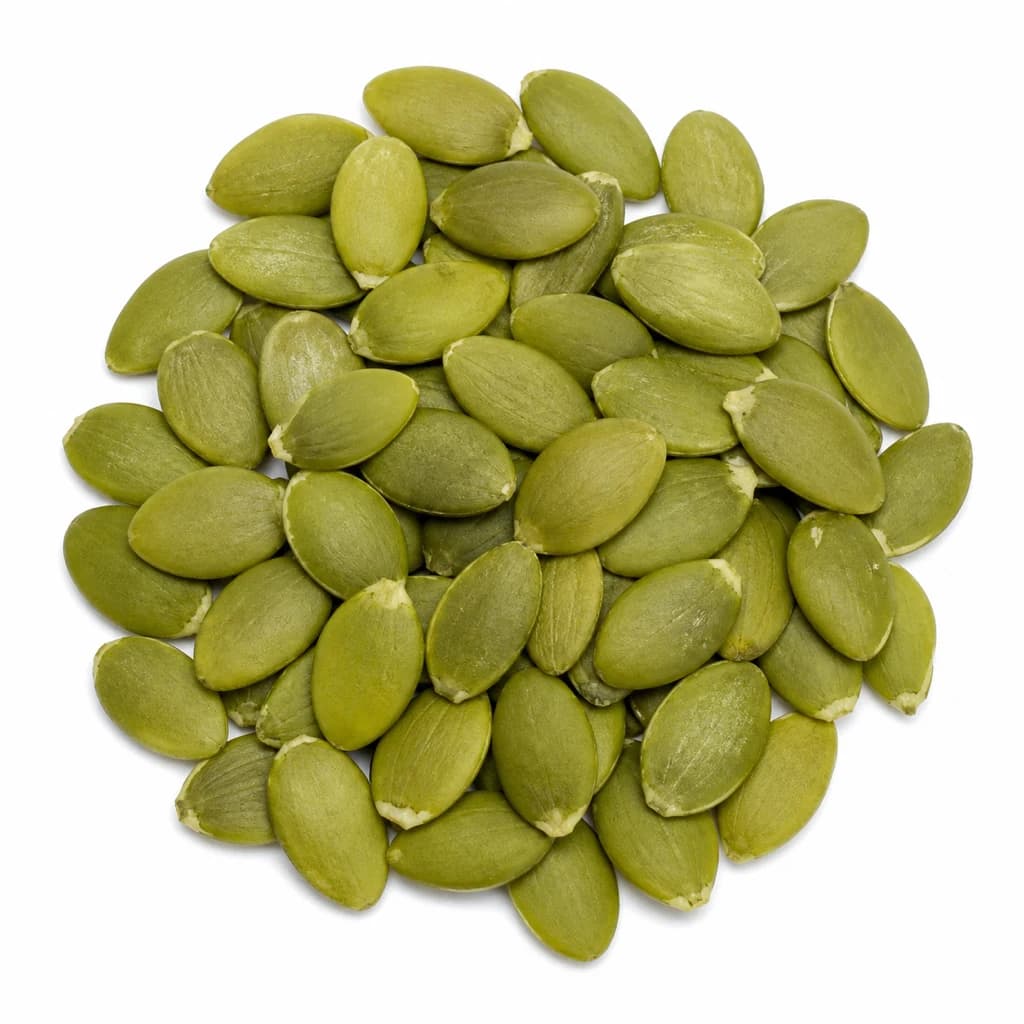
Pumpkin Seed
Nutty green seeds for toasting, salads, and snacking
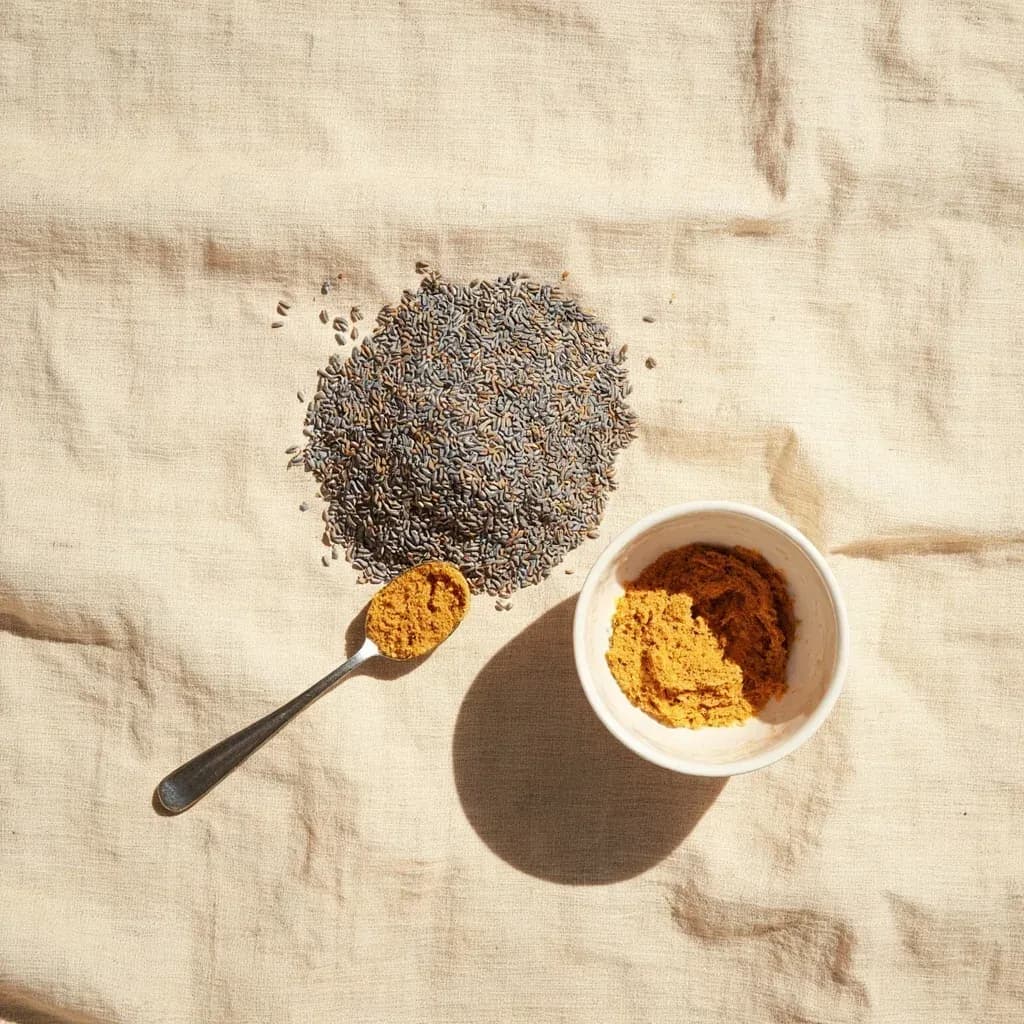
Poppy Seed
Tiny blue-grey seeds with a faint nutty crunch, scattered on breads and bagels or ground into fillings for strudel and Eastern European pastries.
Black Sesame Seed
Unhulled black sesame with a deeper, nuttier, slightly bitter flavor than white; toasted for furikake and crusts, or ground into a dark paste for sweets.
Hemp Seed
Soft, nutty shelled hemp hearts rich in protein and omega fats.