Seeds
Hemp Seed
Soft, nutty shelled hemp hearts rich in protein and omega fats. Sprinkled raw over salads, smoothies, and oatmeal, or blended into dressings and plant-based milks.
Hemp hearts are the shelled inner kernel of the achene (the small, hard-shelled fruit) of Cannabis sativa, a plant grown for fiber and seed long before its controversial cousin became famous. What cooks call a hemp heart is essentially a soft, pale-beige seed kernel, not a true nut and unrelated to tree-nut allergens. The flavor is mild and gently nutty with a faint grassy sweetness; the texture is creamy and slightly oily, closer to a soft pine nut than to a crisp sesame seed. Despite the botanical name, culinary hemp comes from industrial cultivars bred over decades to contain virtually no THC and is legally sold as a food ingredient in most countries.
Nutritionally, hemp hearts are unusually complete for a plant food. They run roughly 30 percent protein with a full essential-amino-acid profile, and their fat content — about 45 to 50 percent — delivers a near-ideal 3:1 ratio of omega-6 to omega-3 fatty acids. They are also a useful source of magnesium, phosphorus, iron, zinc, and manganese, and they are naturally gluten-free and dairy-free. That same oil richness is precisely what makes them behave the way they do in the kitchen: they are soft, dispersible, and quick to oxidize.
In practical cooking terms, hemp hearts are defined by two limitations. They have no gluten or starch structure, so they will not bind a dough or crisp up the way sesame or pumpkin seeds do. And the delicate polyunsaturated fats that make them nutritious break down quickly under heat, going grassy and then paint-like if overcooked. The result is an ingredient that almost always belongs at the end of a recipe — sprinkled on, folded in cool, or blended — and that rewards careful storage far more than most pantry seeds.
- Measured in
- g
- Storage
- Refrigerated
Find it in
Suits
Types & varieties
Soft, creamy inner kernel; the form most cooks reach for. Sprinkle raw or blend into sauces and milks.
Crunchy pale-green shell around the heart; adds texture, visual interest, and extra fiber.
Whole seeds toasted in a dry pan for deeper, nuttier flavor; used as a salad or soup garnish.
Defatted, finely milled hearts at about 50% protein; used in smoothies, baked goods, and energy bars.
Green, grassy, nutty finishing oil pressed from the hearts; never heated, only used in dressings and drizzles.
Ground hearts into a loose paste; more bitter than almond or cashew butter, often blended with sweeter nuts or honey.
Heat and Freshness: The Two Rules
Nearly every useful tip about hemp hearts comes back to two principles: protect them from heat and protect them from time. The omega-rich oil that makes them nutritionally appealing is also highly unsaturated, which means it oxidizes faster than the oil in sesame, pumpkin, or sunflower seeds. Stale hemp hearts smell faintly of cut grass, then of damp cardboard, and finally of paint — a clear sign the fats have broken down. Buying in small quantities from a supplier with high turnover, transferring opened bags to an airtight container, and refrigerating or freezing are the three habits that keep them tasting as they should. Heat is the other constant concern. Hemp hearts scattered into a hot pan will scorch quickly; held at baking temperature for long stretches, they lose their fresh, nutty character and contribute an off, hay-like note. Treat them like a finishing ingredient, the way you would a soft cheese or a tender herb, and they will deliver everything the label promises.
Common uses
Tips & pitfalls
- Add hemp hearts at the end of cooking — heat degrades the omega fats and turns the flavor grassy or paint-like.
- Keep hemp hearts refrigerated or frozen; the high unsaturated-fat content makes them turn rancid faster than most seeds.
- Buy in small quantities and use them up quickly once opened — vacuum-sealed or nitrogen-flushed bags stay fresh noticeably longer.
- If a recipe calls for toasted hemp seeds, toast whole seeds (with hull) in a dry skillet over low heat for 1–3 minutes; the shell protects the fat and the seeds scorch far less easily than hulled hearts.
- In baking, use hemp hearts as a partial substitute — roughly 10 to 25 percent of the flour weight — not a 1:1 swap, since they add moisture and tenderness but no gluten structure.
- If a finished dish tastes 'green' or bitter from hemp hearts, the product is almost certainly old; freshness is everything with this ingredient.
- Do not confuse cold-pressed hempseed oil with hash oil or CBD oil; only the culinary cold-pressed oil belongs in the kitchen.
- Store opened hemp protein powder in the freezer if you use it slowly — defatted powder goes stale faster than whole hearts.
Nutrition
Energy
2314 kJ · per 100 g
Where the calories come from
Protein
31.6g
63% DV
Carbs
8.7g
3% DV
Fat
48.8g
63% DV
Fiber
4g
14% DV
Sugars
1.5g
of which
Sodium
5mg
0% DV
Source · USDA FoodData Central · Seeds, hemp seed, hulled
View on FDC →In the shops
Matched grocery products
No matched grocery products for Hemp Seed yet.
Good to know
- Botanical name
- Cannabis sativa (industrial cultivars bred for low THC, typically under 0.3%)
- Form used in cooking
- Hulled kernels, called hemp hearts, are the standard; whole seeds with the crunchy shell are also sold
- Flavor
- Mild, softly nutty, faintly sweet and grassy; deeper and more toasty when briefly dry-toasted
- Texture
- Soft, tender, slightly oily bite; no crunch unless used as whole seed with hull
- Protein
- About 30–33% by weight, complete amino acid profile; roughly 10 g per 3-tablespoon serving
- Fat profile
- ~45–50% fat with a 3:1 omega-6 to omega-3 ratio, considered nutritionally favorable
- Heat tolerance
- Low — high heat damages the polyunsaturated fats and turns flavor grassy; add after cooking
- Storage
- Refrigerate opened hearts 3–4 months; freeze up to 6–9 months. Whole seeds keep 12 months sealed in a cool pantry
- Allergen note
- Naturally gluten-free and dairy-free; not a top allergen, botanically related to Cannabis rather than to tree nuts
Substitutes
- Pine nuts — Closest flavor and texture match for soft, buttery pesto and sauces; pricier and higher in saturated fat.
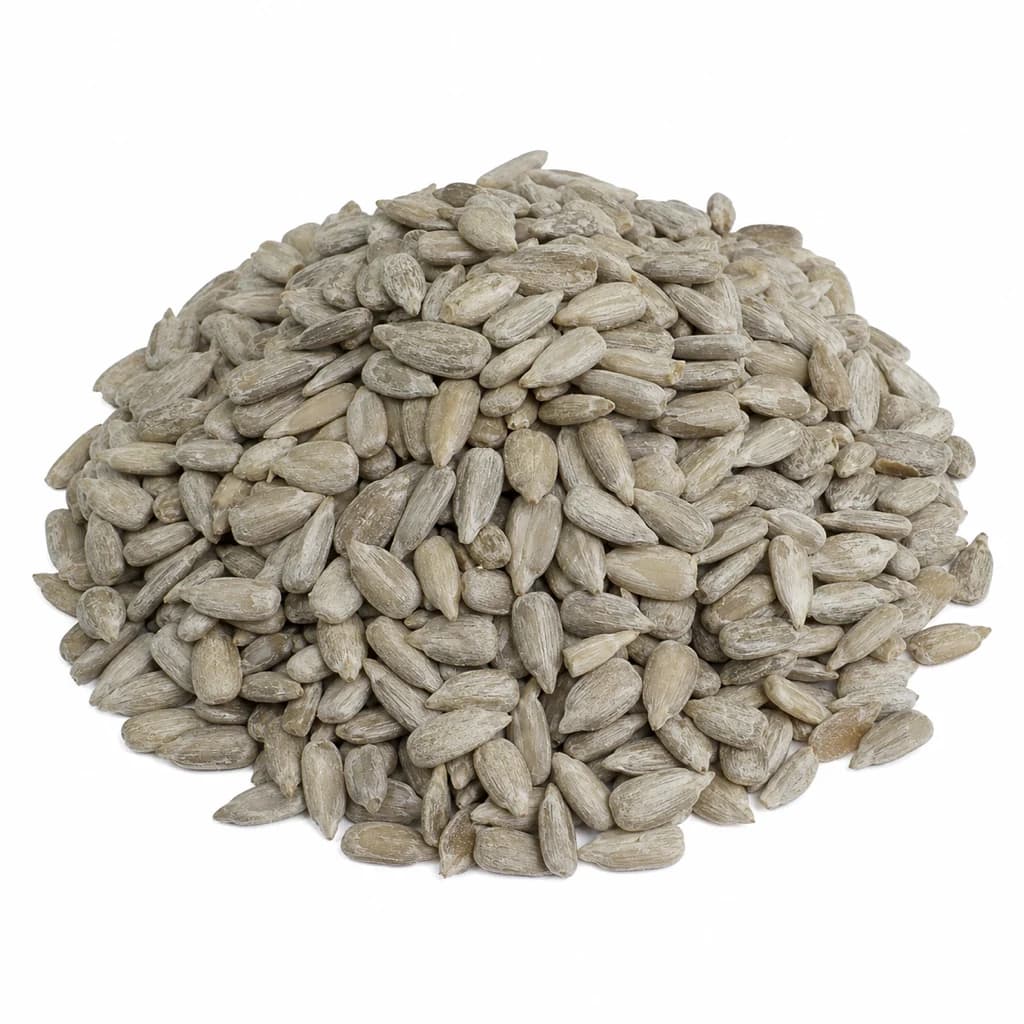
- Sunflower seed kernels — Similar soft texture and mild nuttiness; widely available and budget-friendly.
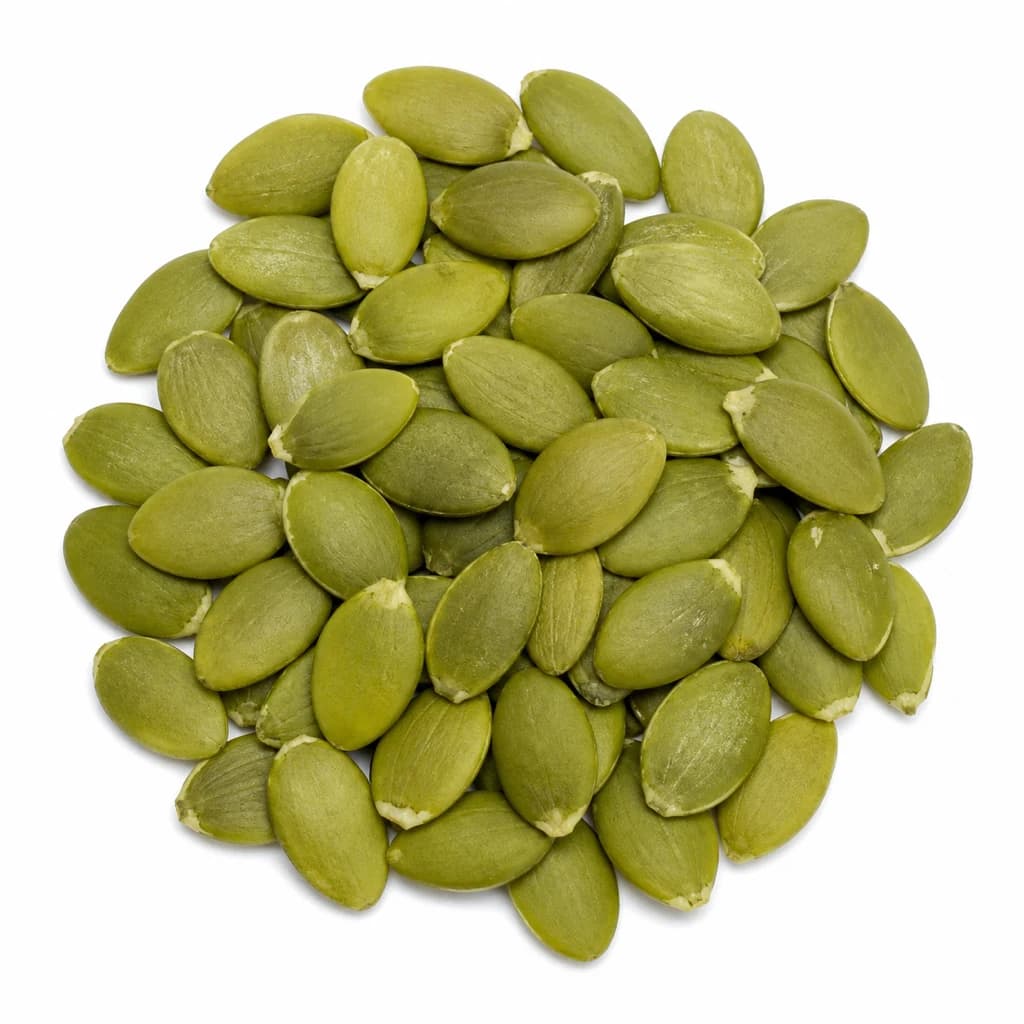
- Pumpkin seeds (pepitas) — Heartier green color and slightly more savory profile; good toasted, softer when blended into green sauces.
- Cashew pieces — Creamy texture works in pesto and creamy dressings; not a nutritional match but a textural one.
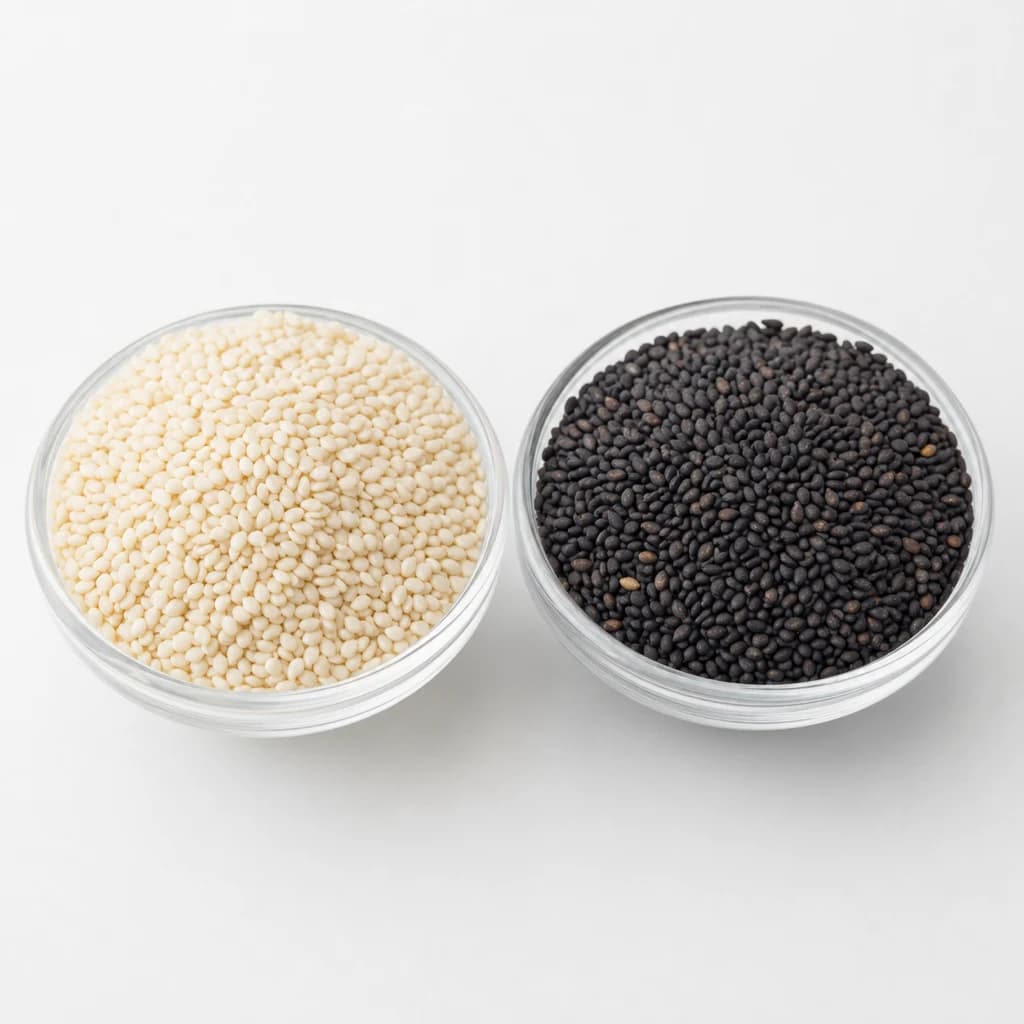
- Tahini (sesame paste) — Nutty, oily profile that slots in for hemp hearts in dressings and dips.
- Ground flax seed — Similar omega-3 content and nutty flavor; chewier and must be ground to be useful.
- Chia seeds — Comparable protein and omega-3; chia gels when soaked, hemp does not, so behavior in baking differs.
Pairs with
Also called
hemp hearts · shelled hemp seeds · hulled hemp seed
Related

Chia Seed
Tiny seeds that gel into puddings and boost smoothies

Flax Seed
Nutty seeds for baking, smoothies, and an egg substitute
Sunflower Seed
Crunchy, mild seeds for snacking, salads, and baking
Pumpkin Seed
Nutty green seeds for toasting, salads, and snacking
Sesame Seed
Tiny, toasty seeds for sprinkling, crusting, and tahini
Poppy Seed
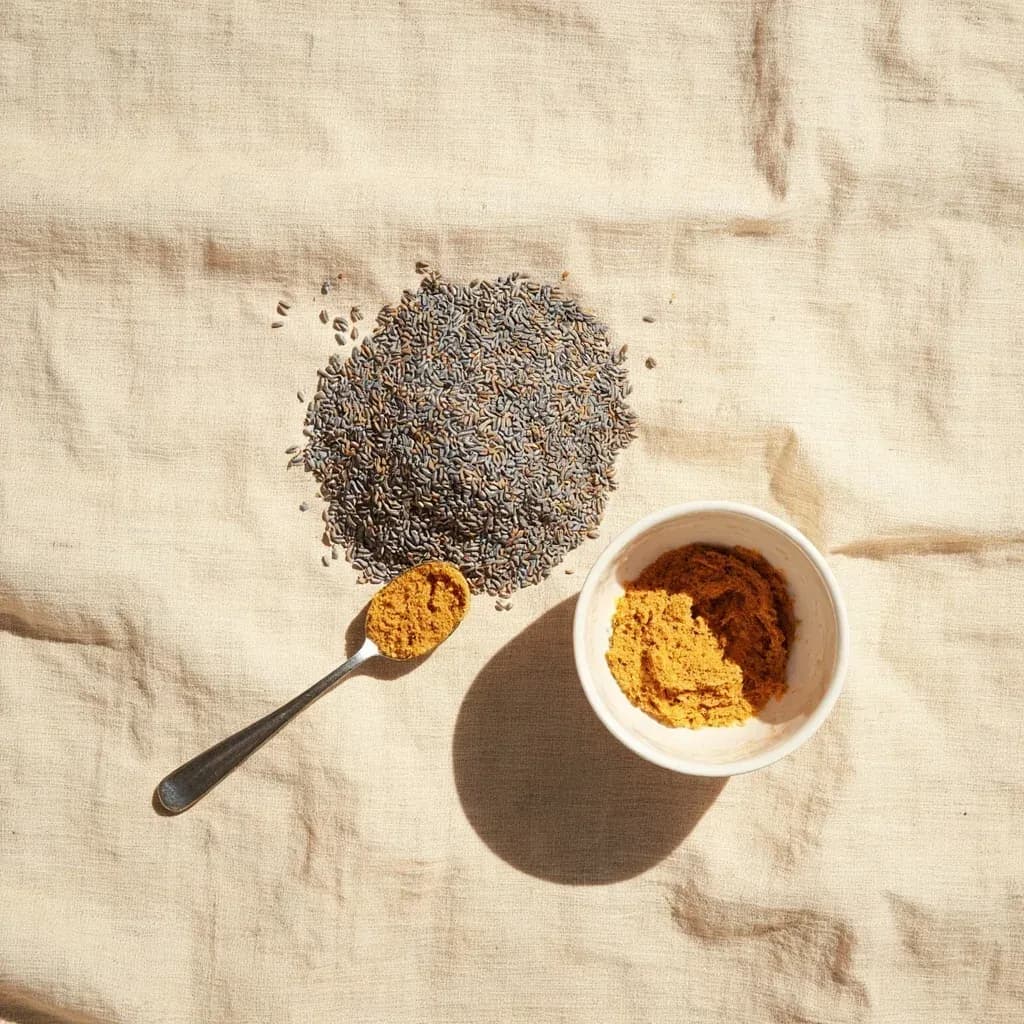
Tiny blue-grey seeds with a faint nutty crunch, scattered on breads and bagels or ground into fillings for strudel and Eastern European pastries.
Black Sesame Seed
Unhulled black sesame with a deeper, nuttier, slightly bitter flavor than white; toasted for furikake and crusts, or ground into a dark paste for sweets.